Rebecca Moccia
Anche noi (Nostalgia Radicale)
curated by Giulia Pollicita
Anche noi (Nostalgia Radicale)
Guided tour
27 September 2026 h. 12 pm
Palazzo del Comune, Via Fuci 9, Cusano Mutri (BN)
Rebecca Moccia
curated by Giulia Pollicita
"In Cusano Mutri, I sought to explore nostalgia in its critical and affective potential: as a tool for rereading what has been lost, reactivating collective memories and imagining non-aligned futures."
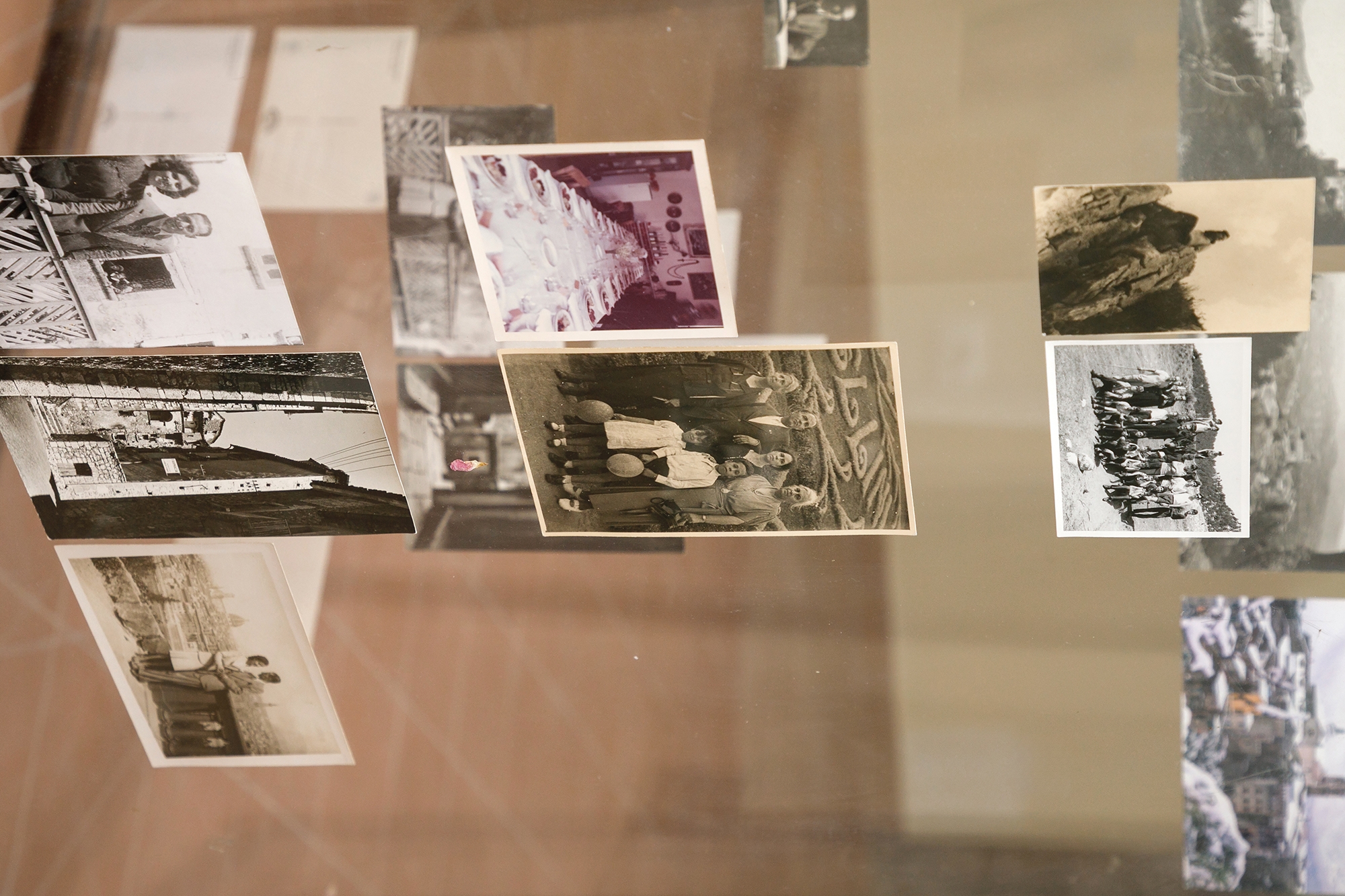
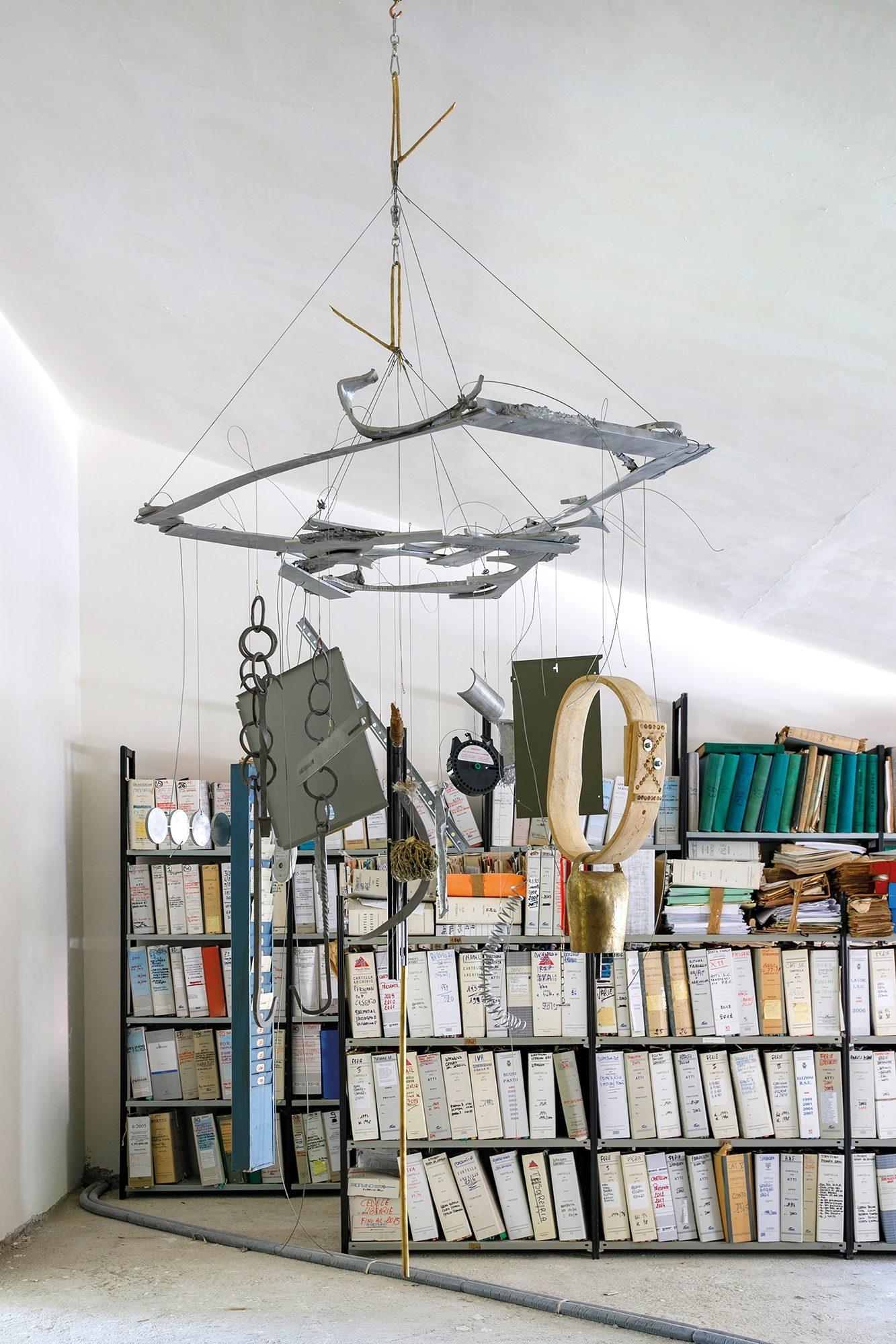
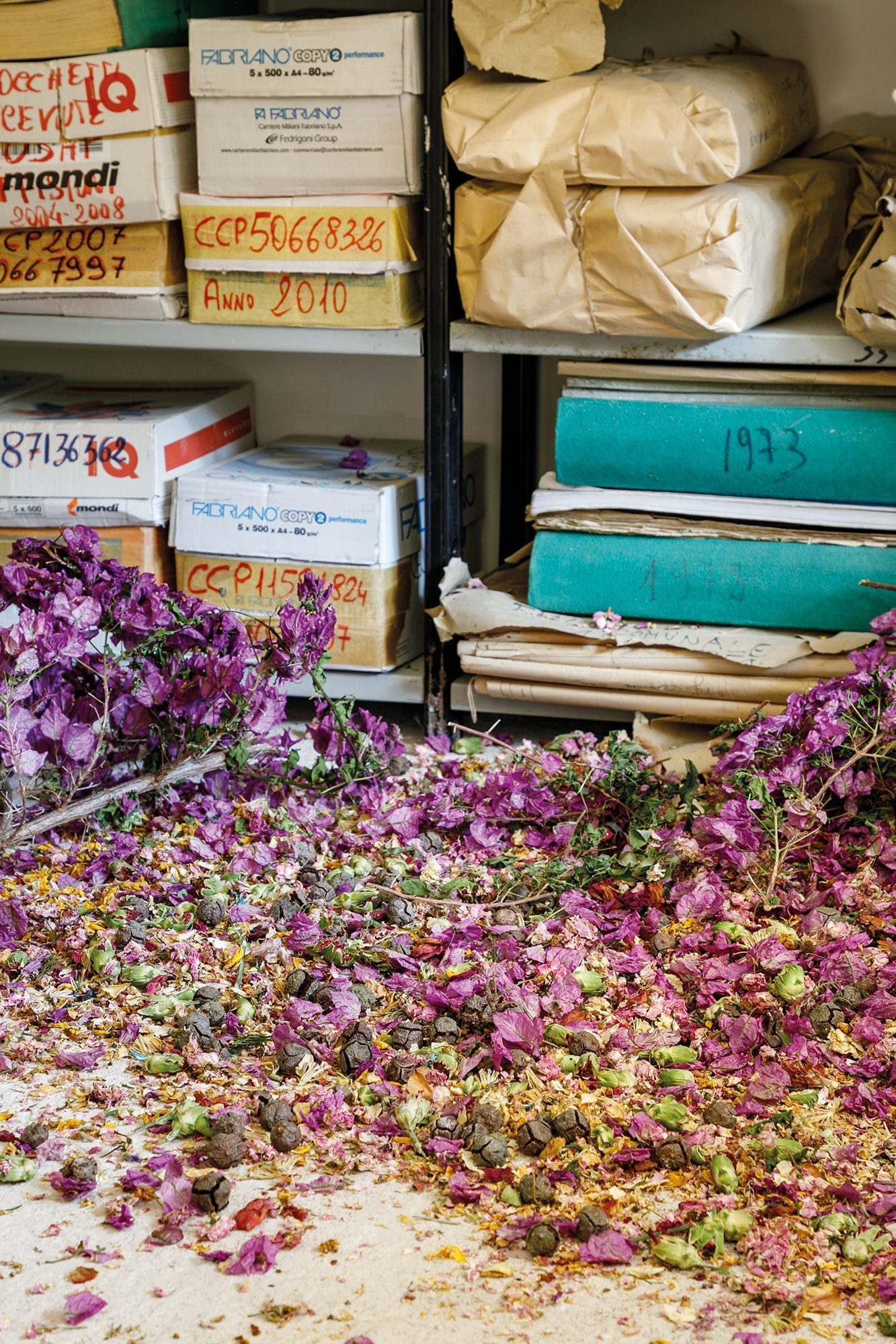
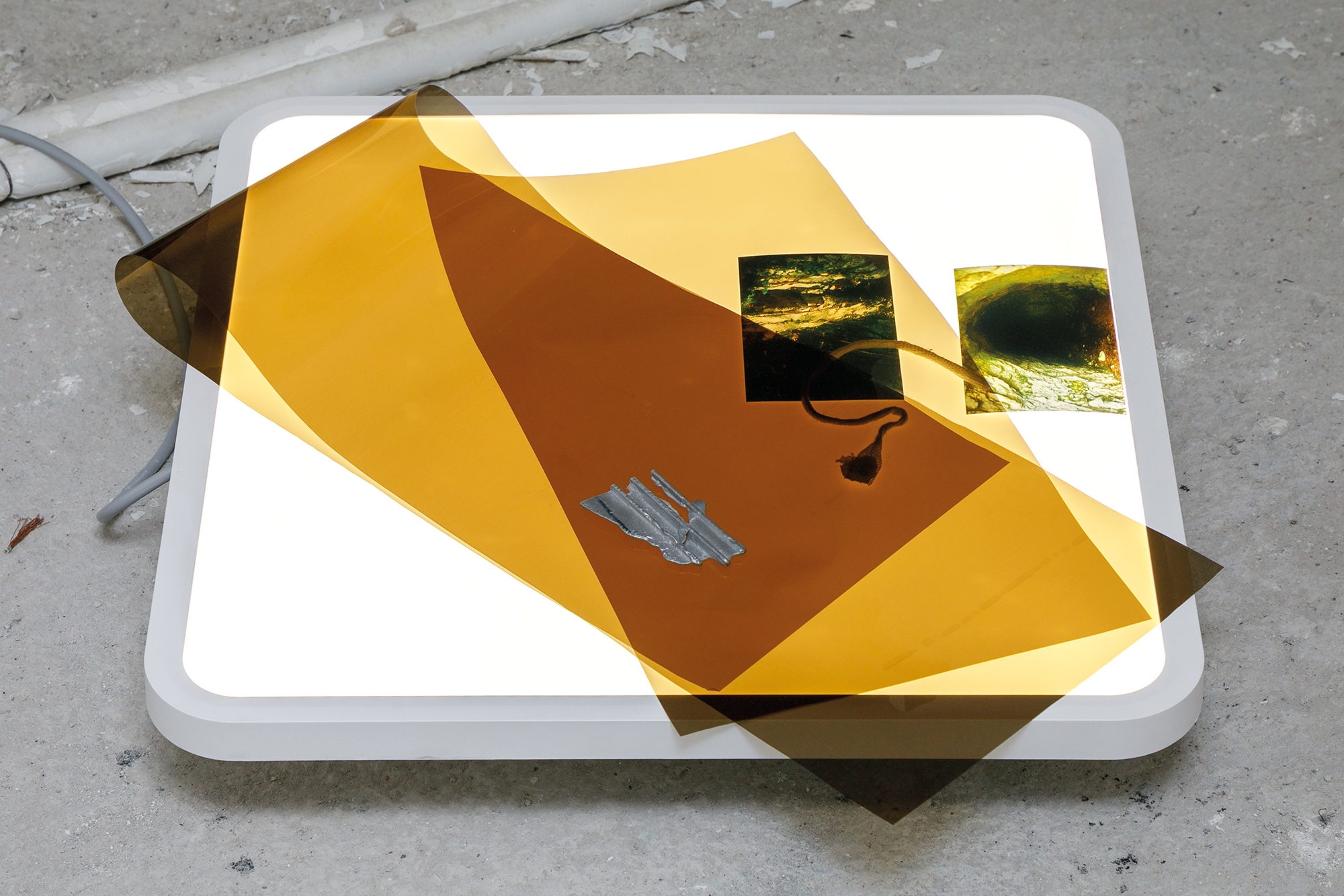
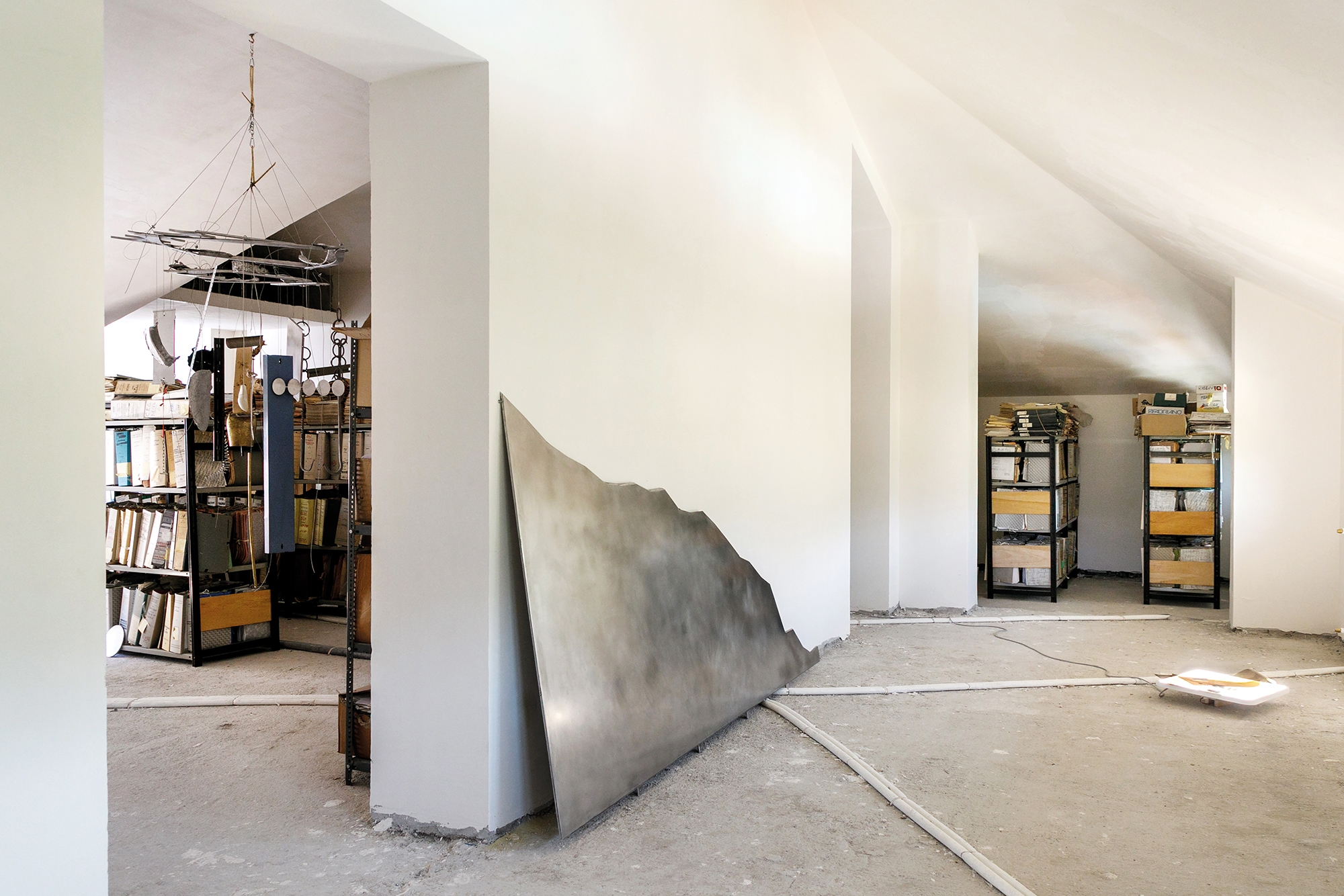
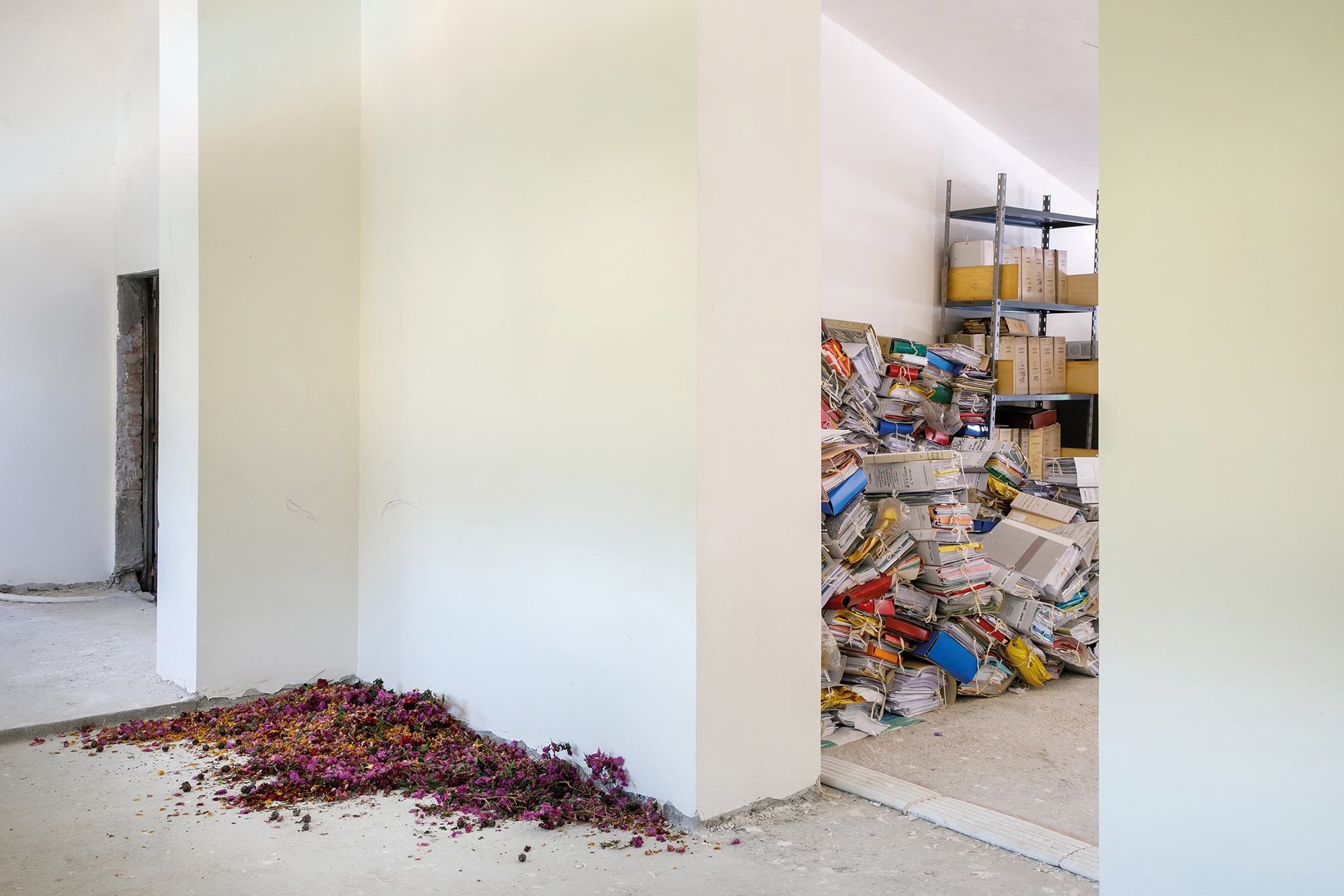
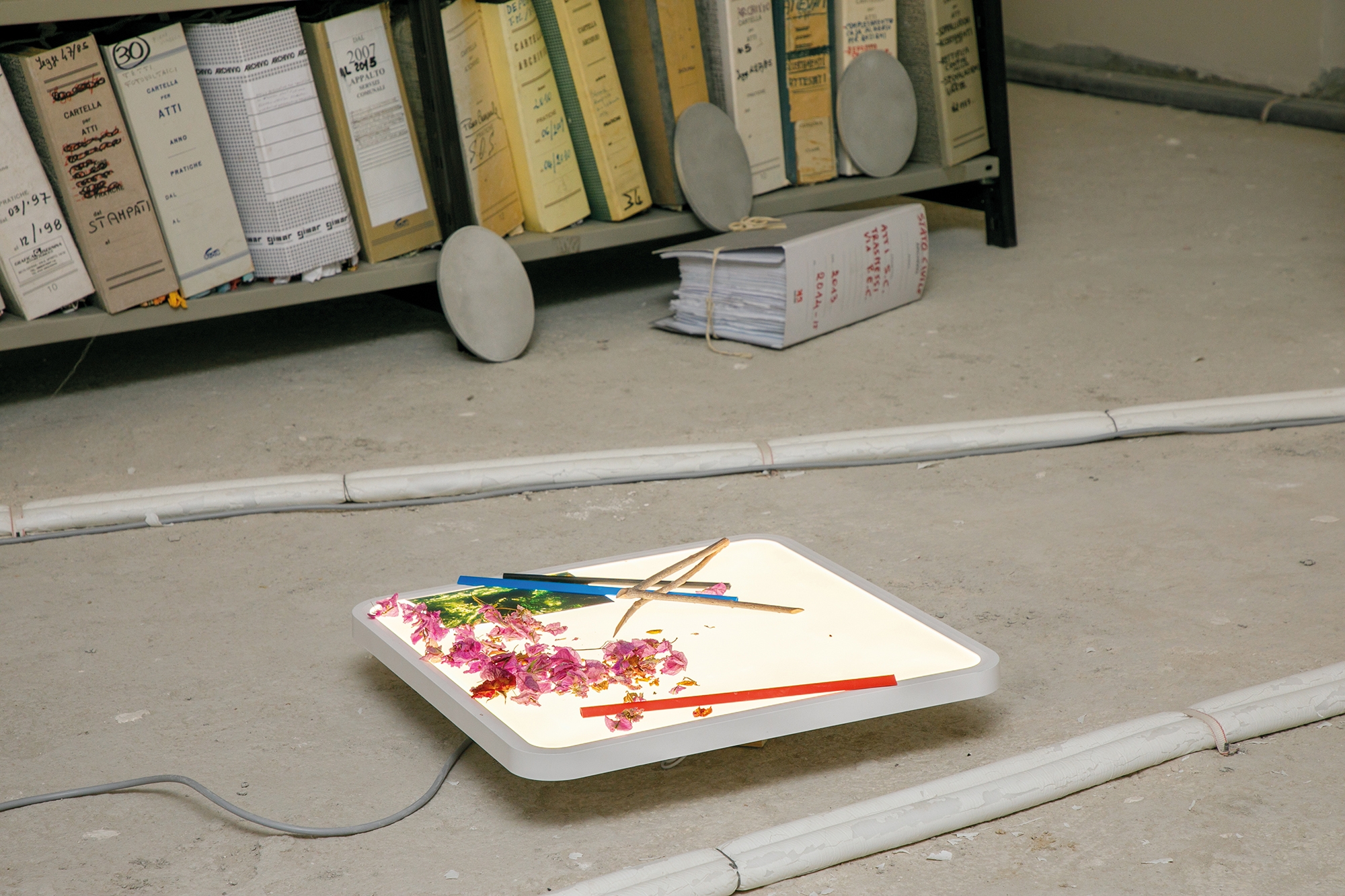
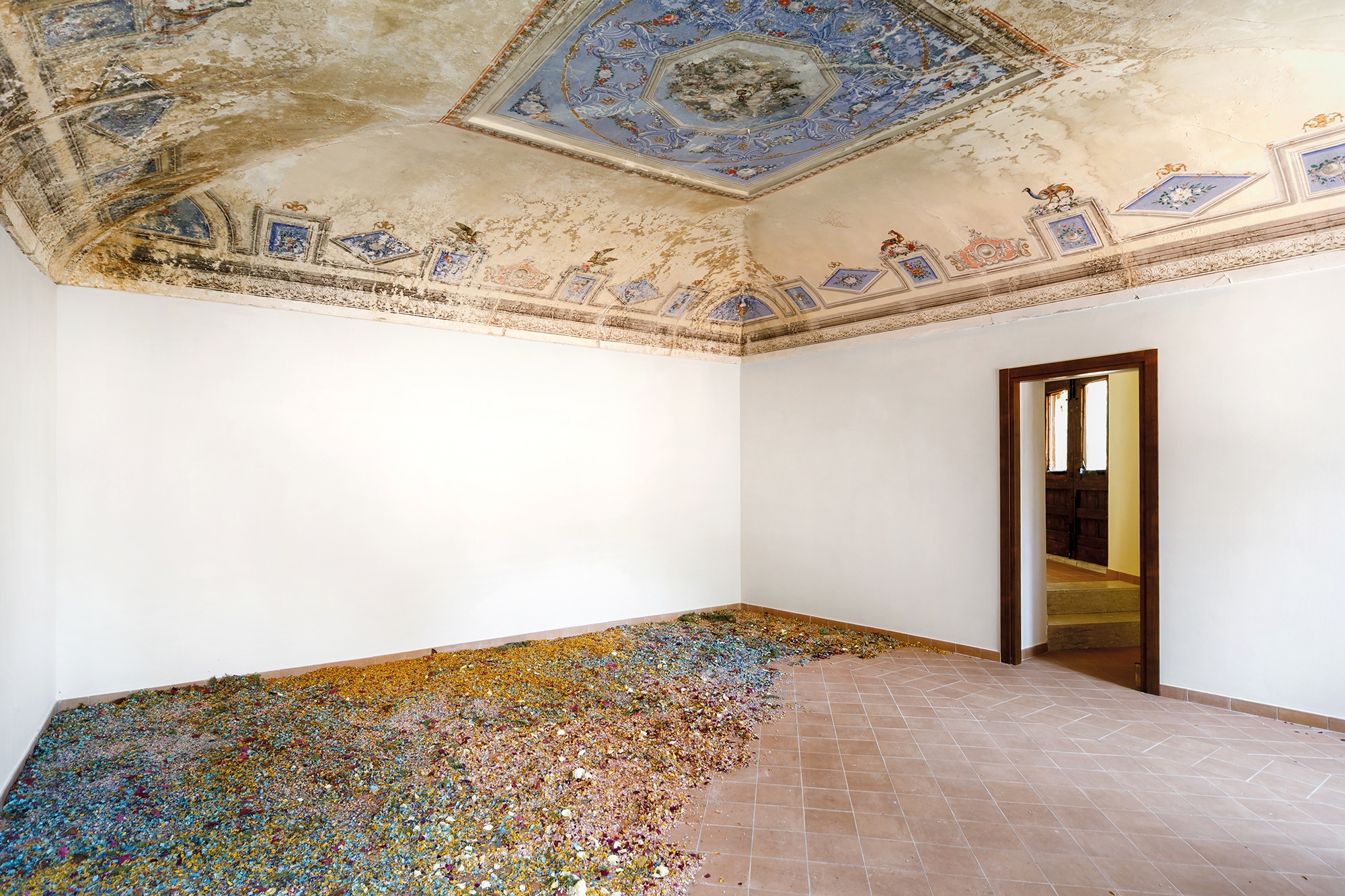
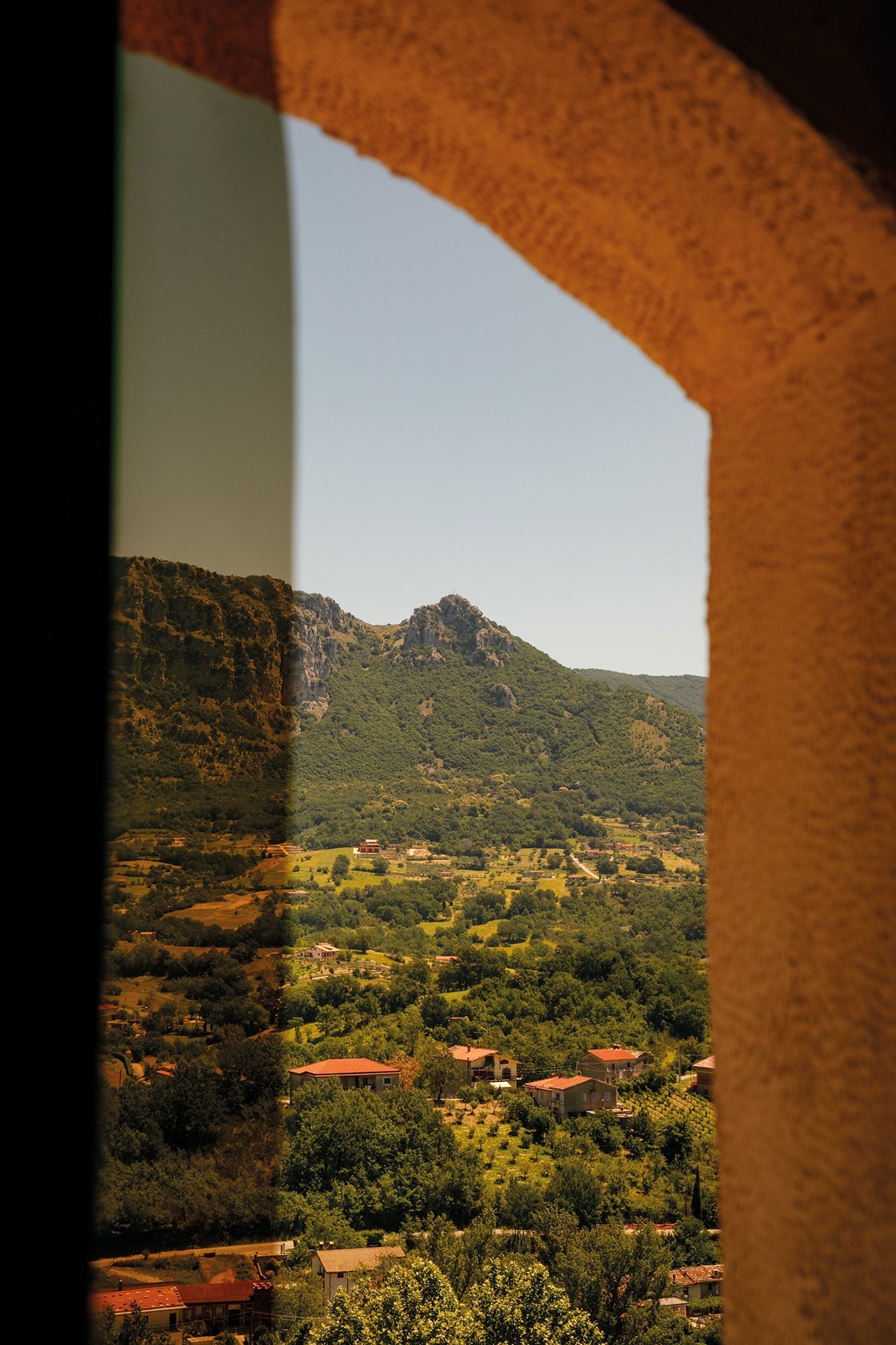
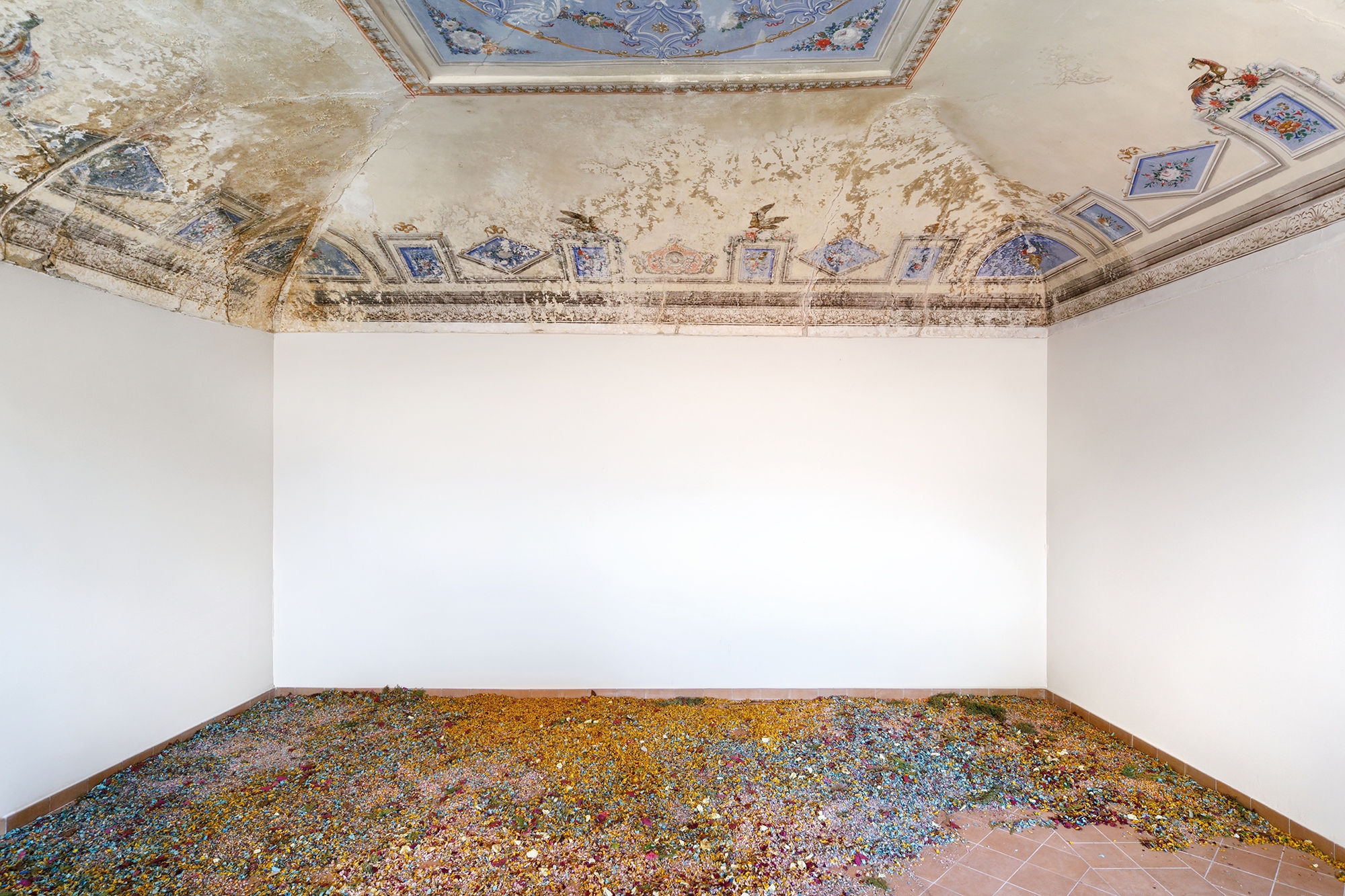
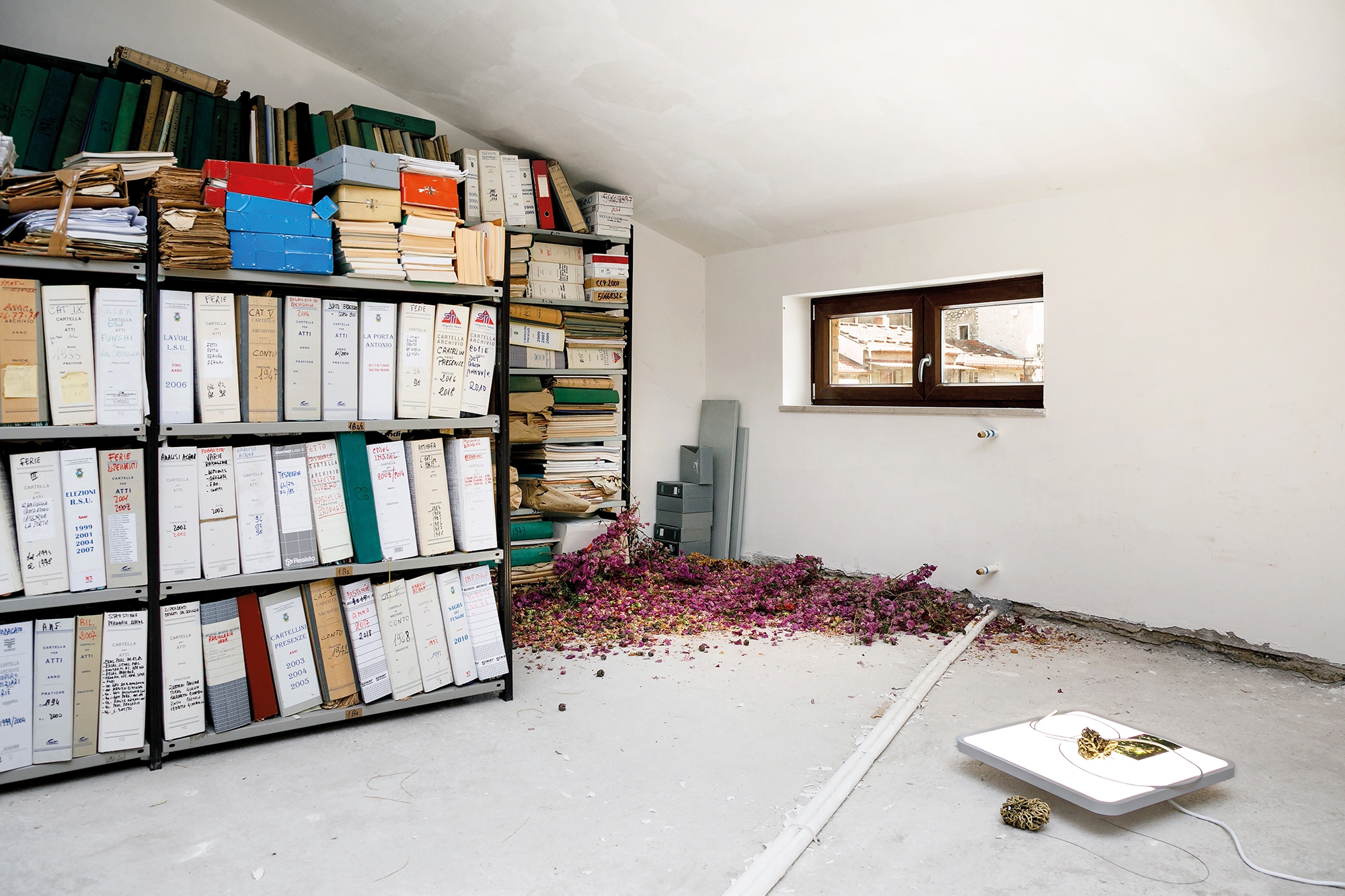
Rebecca Moccia, Anche noi (Nostalgia radicale), Cusano Mutri (BN), Campania. Ph Danilo Donzelli.
Anche noi (Nostalgia Radicale), inspired by the saying from Cusano Mutri — “If all goes well, we too will grow old” — is a site-specific project by Rebecca Moccia that investigates the hidden or unexpressed potential of nostalgia. The exhibition takes place between the new Town Hall and the Library, key sites in the civic and social organization of Cusano Mutri. By exploring this widespread emotional state — often instrumentalized or stigmatized — Moccia engages local residents through the collection and display of biographical and collective materials, evoking these reflections in sculptural and installation-based forms. The works activate processes that foreground nostalgia as a means to imagine non-aligned futures, alternative spaces of encounter, and new forms of community. Rebecca Moccia’s radical nostalgia offers opportunities for resistance against the model of modern progress, which drives the depopulation of small villages and fuels the everyday fear of losing one’s job, home, or even the ecosystem itself.
Works:
01 Rebecca Moccia, Nostalgia Radicale (1), 2026. LED ceiling lights, rotating platforms for photography, found objects, 50 x 50 x 10 cm each.
02 Rebecca Moccia, Nostalgia Radicale (2), 2026. Shaped aluminum, variable dimensions.
03 Rebecca Moccia, Nostalgia Radicale (3), 2026. Cast aluminum, salvaged objects, shaped aluminum, variable dimensions.
04 Rebecca Moccia, Nostalgia Radicale (4), 2026. Removable window film, variable dimensions.
05 Rebecca Moccia, Nostalgia Radicale (5), 2026. Flower petals and stones, variable dimensions.
Town Hall, Via Fuci 9, Cusano Mutri (BN) (top floor)
06 Rebecca Moccia, Nostalgia Radicale (6), 2026. Collection of archival images, salvaged structure, variable dimensions.
07 Rebecca Moccia, Nostalgia Radicale (3), 2026. Cast aluminum, salvaged objects, shaped aluminum, variable dimensions.
08 Rebecca Moccia, Nostalgia Radicale (4), 2026. Removable window film, variable dimensions.
09 Rebecca Moccia, Nostalgia Radicale (5), 2026. Flower petals and stones, variable dimensions.
Municipal Library, Via Municipio 9, Cusano Mutri (BN)
Anche noi (Nostalgia Radicale)
Guided tour
27 September 2026 h. 12 pm
Palazzo del Comune, Via Fuci 9, Cusano Mutri (BN)
The closing event includes a guided tour of Rebecca Moccia's project for the Municipality of Cusano Mutri, Anche Noi (Nostalgia Radicale), together with curator Giulia Pollicita. The tour will serve as preparation for a working group that will take part in a workshop, planned for the coming months, to activate and discuss one of the works on display. The guided tour will start from the Municipality's headquarters and then move to the rooms on the upper floor of the Library.
Thanks to: Mayor Pietro Crocco, Lucia Franco, Carmela Iassogna, Patrizia Prece, Vittorio Maturo, Stefano Colonna, Davide D’Amico, Annalaura Capodicasa, Sergio Pollicita, Francesca Rossi, and all those who contributed to, participated in, and supported the project.
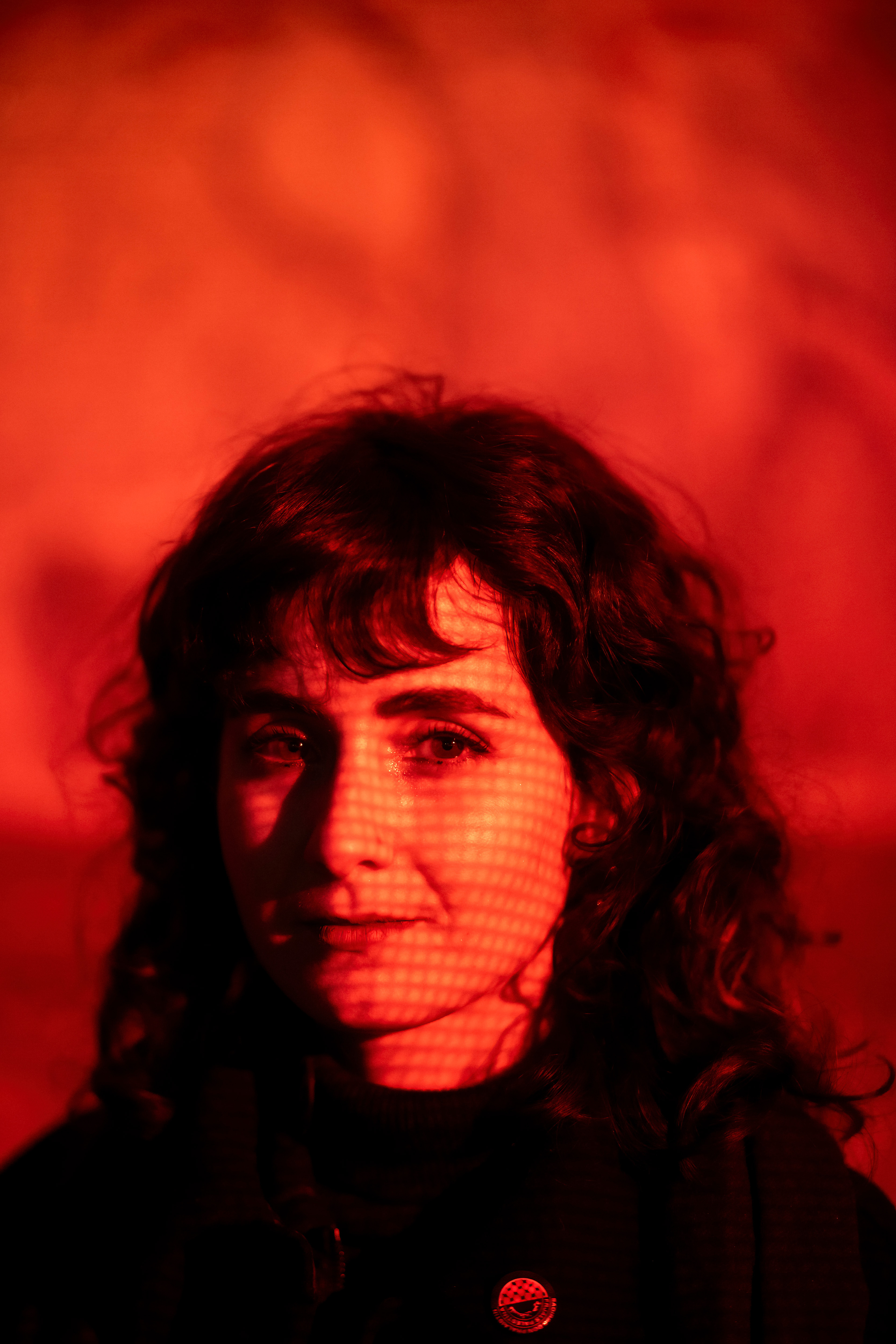
Rebecca Moccia is a transdisciplinary artist whose work combines moving image, photography, sound, and sculptural and ephemeral elements. Her installations emerge from situated research that often incorporate collective practices and workshops. In 2024, she represented the Italian Pavilion at the 15th Gwangju Biennale in South Korea. She is currently pursuing a PhD in Visual Arts at the Academy of Fine Arts in Naples, and is the recipient of the Italian Council X grant for international research. She is a co-founder of AWI – Art Workers Italia.
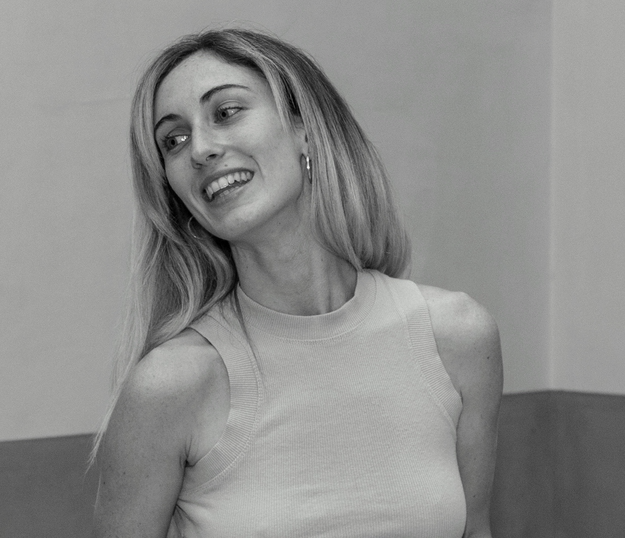
Giulia Pollicita (Palermo, 1996) is a researcher and curator living and working in Naples. Since 2022, she has collaborated as a curator with Fondazione Morra Greco in Naples. Between 2022 and 2025, she worked as curatorial assistant to Pierre Bal-Blanc and Salvatore Lacagnina. She is currently a PhD candidate at the University of the Arts London (UAL). She has curated exhibitions at commercial galleries including Des Bains (London) and Richard Saltoun (Rome). She also writes and publishes for several art magazines, including Flash Art, NERO, and Artforum. For Una Boccata d’Arte, she curated Isaac Chong Wai’s project in Sicily (2022), Serena Vestrucci’s project in Campania (2023), Andrea Martinucci’s project in Campania (2024), and Tild Greene’s project in Campania (2025).
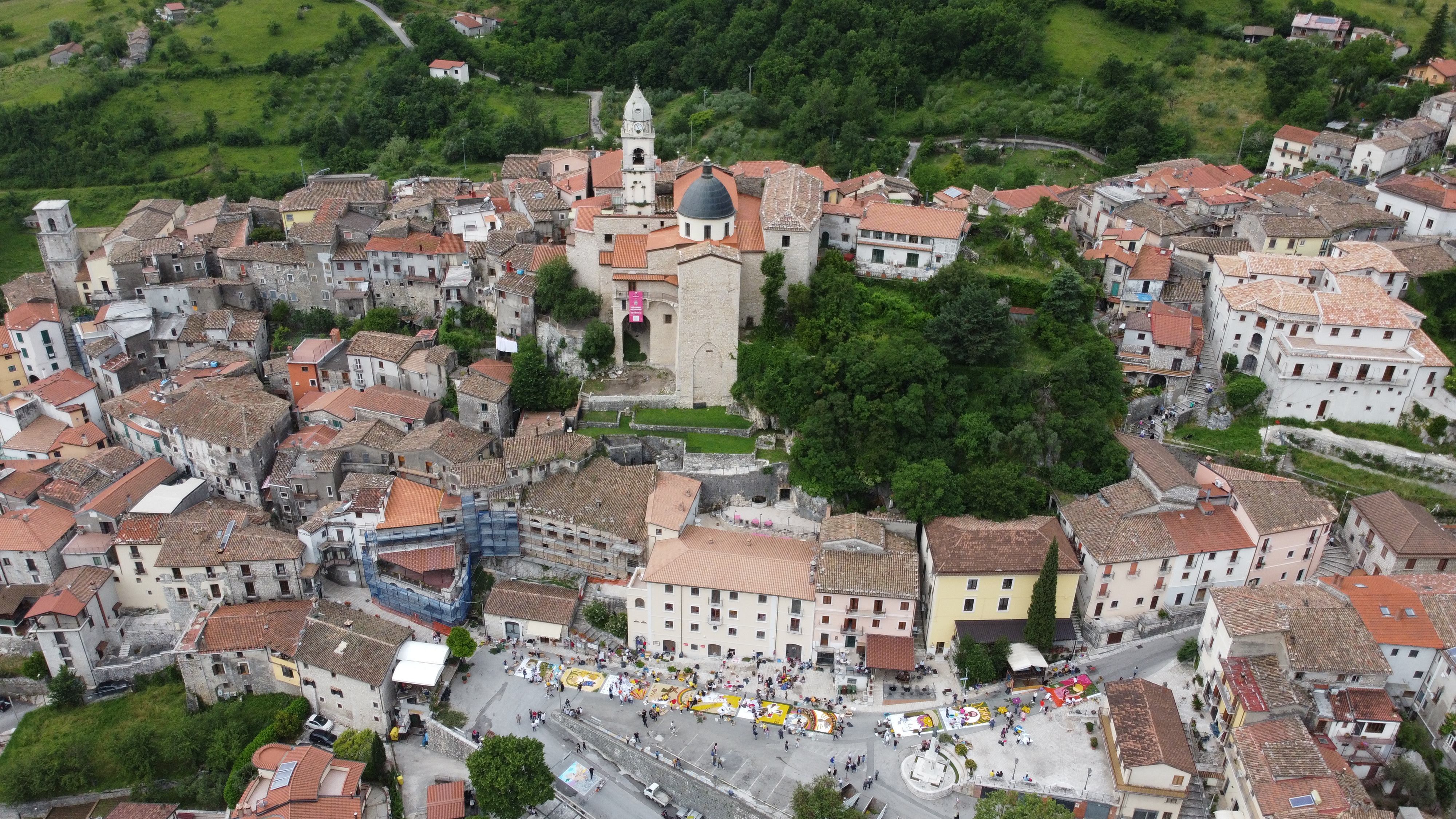
Cusano Mutri, in the province of Benevento, lies on the southern side of the Matese Regional Park, on the border between Campania and Molise. Set within a mountainous landscape marked by beech and chestnut forests and the striking Lavello Gorge, the village preserves the intact character of its medieval center, with narrow, winding streets, ancient stone houses, and bell towers rising from the urban fabric. Located in an area historically linked to the ancient Samnium Pentrum, Cusano Mutri stands out for the strong bond that the community continues to nurture with the land, its centuries-old traditions, and a still-vibrant collective dimension, choosing to inhabit and care for the village in the present. Its identity lies in the intertwining of landscape, local history, rural practices, popular festivals, music, and gastronomic culture.