Alice Ronchi
Caro Montemarcello
Caro Montemarcello racconta il sentimento d’amore autentico e genuino emerso dalle interviste, parla di quel senso di comunità e di appartenenza con il proprio borgo, terra del possibile e monumento alla diversità
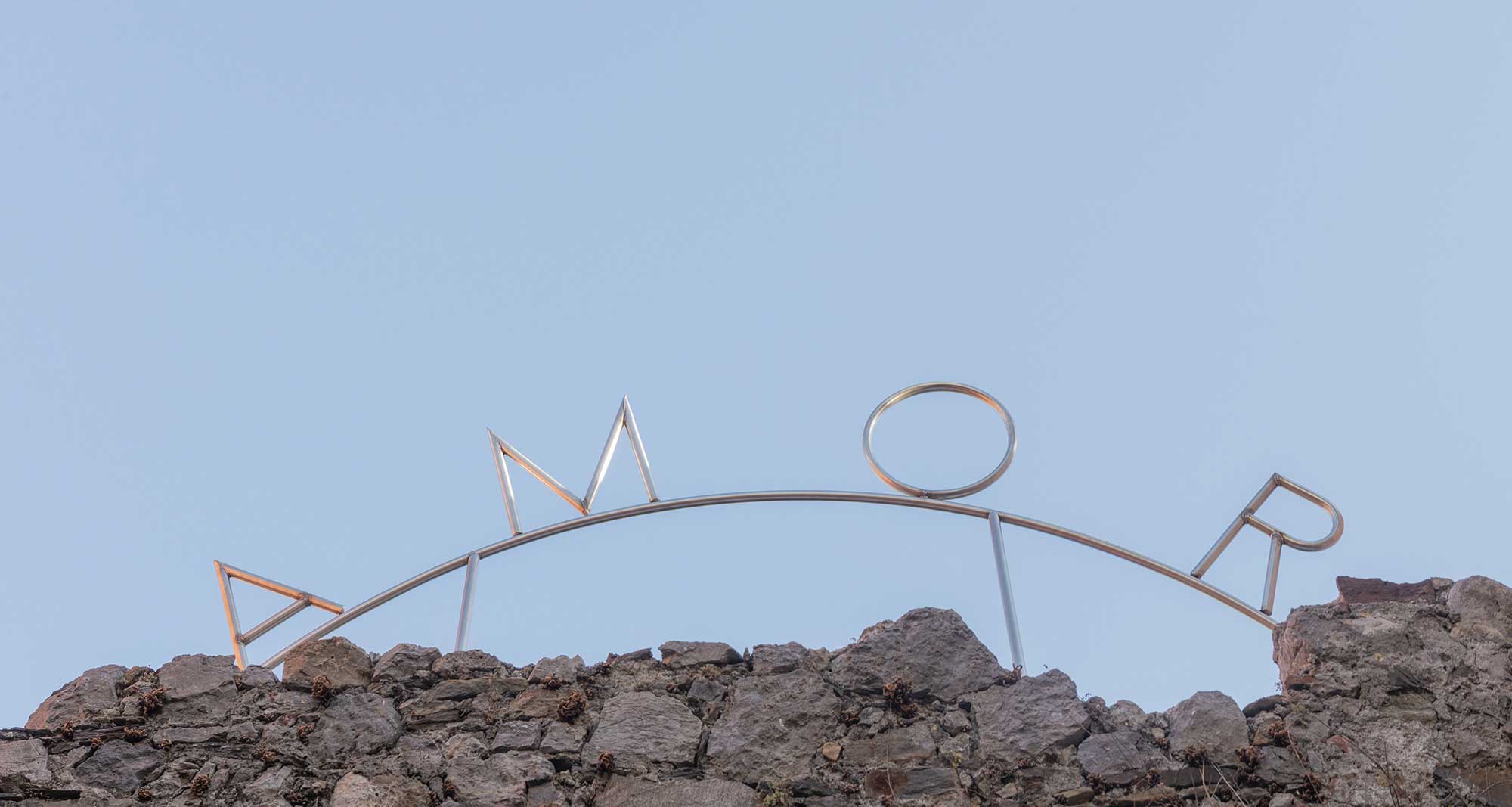
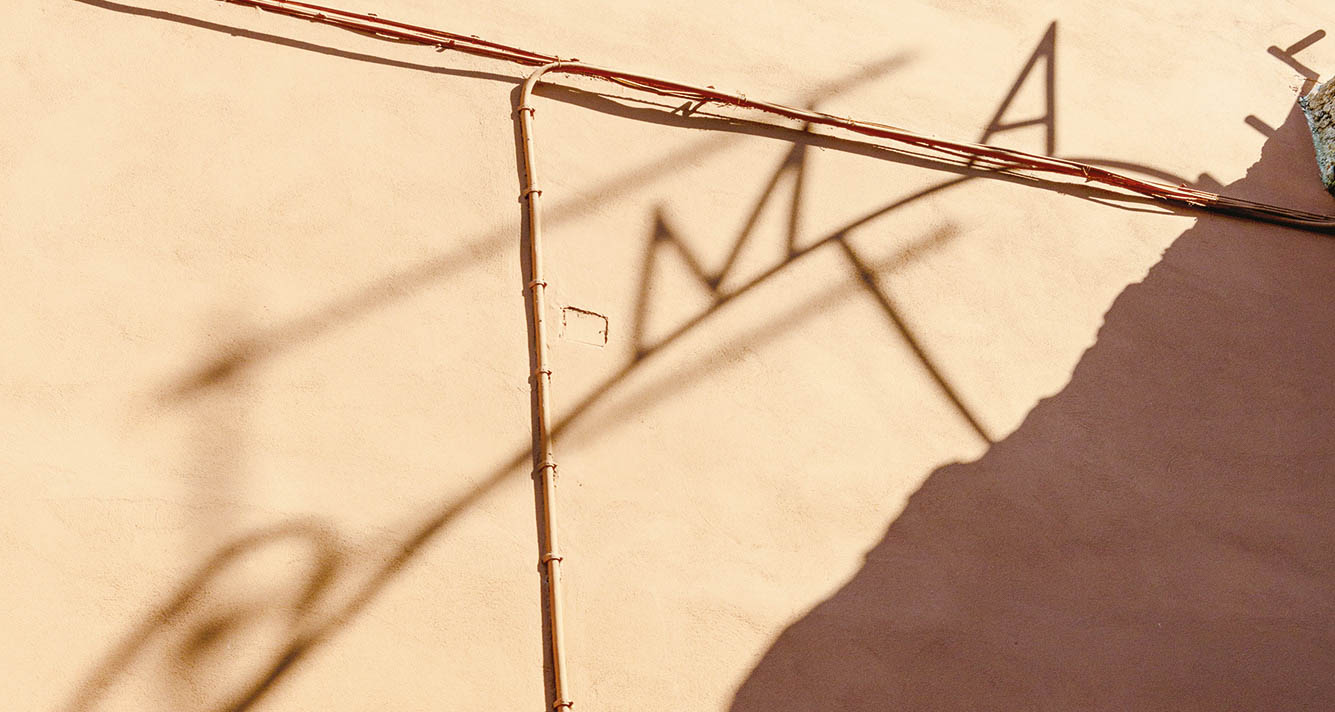
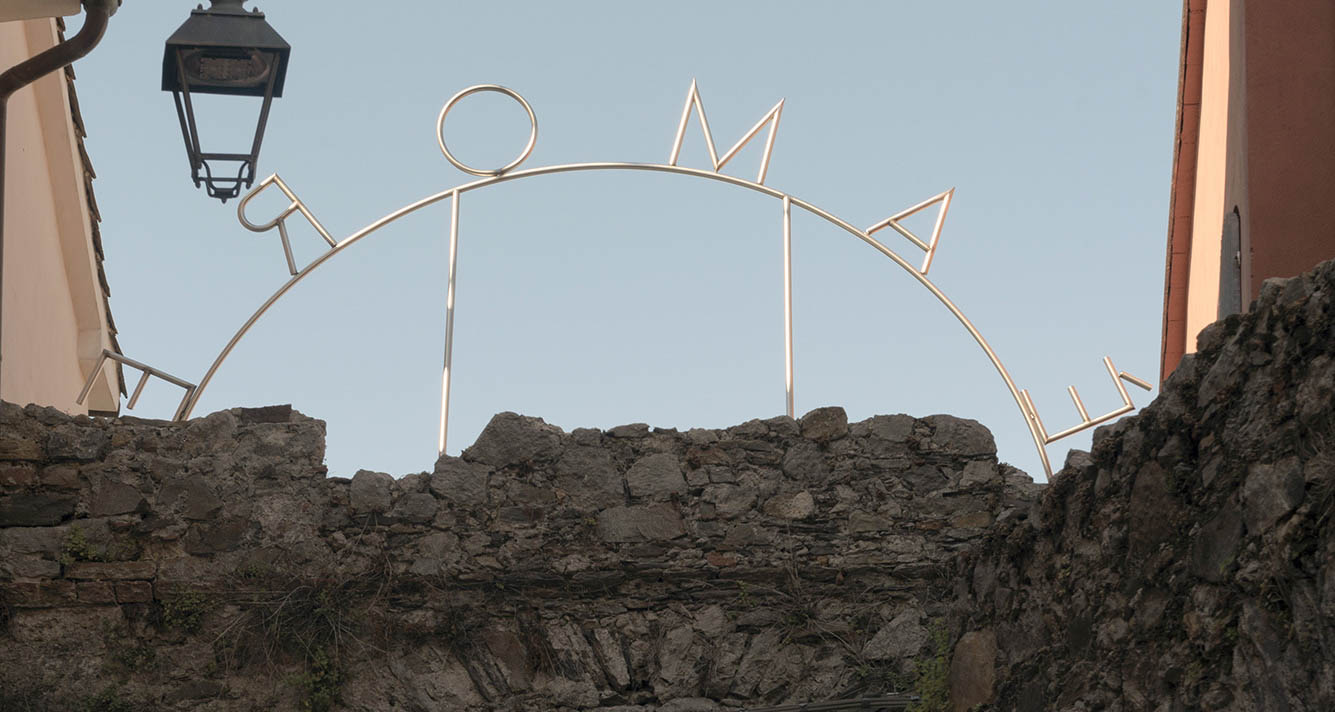
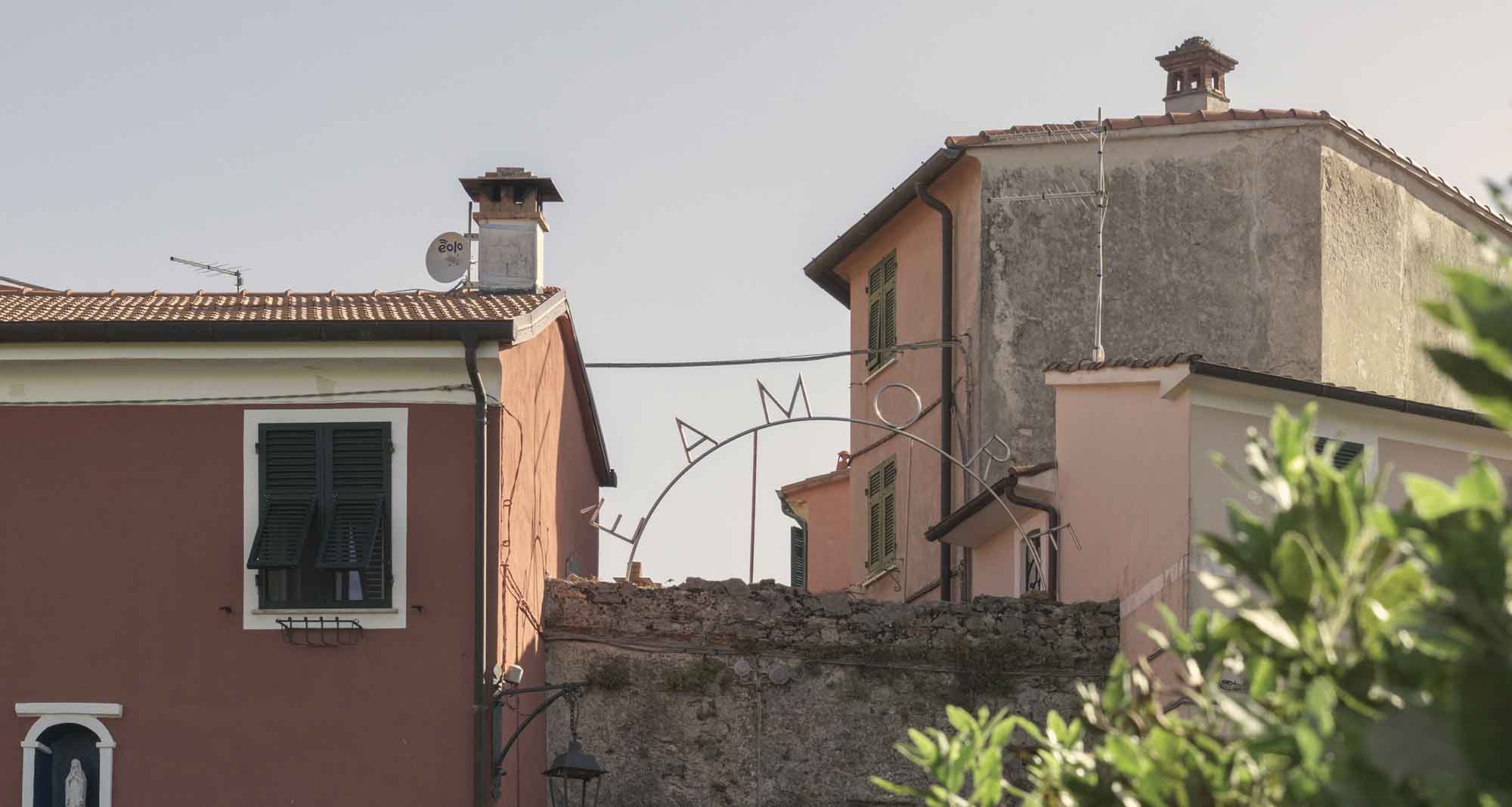
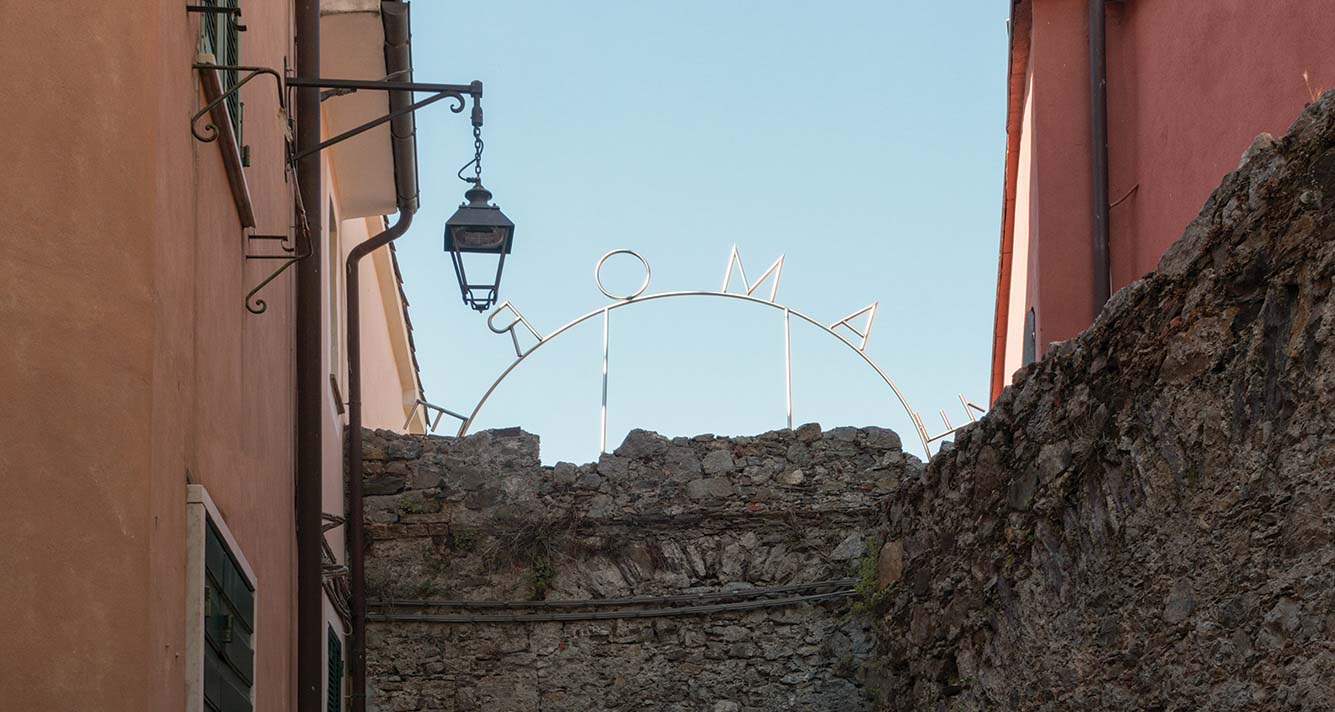
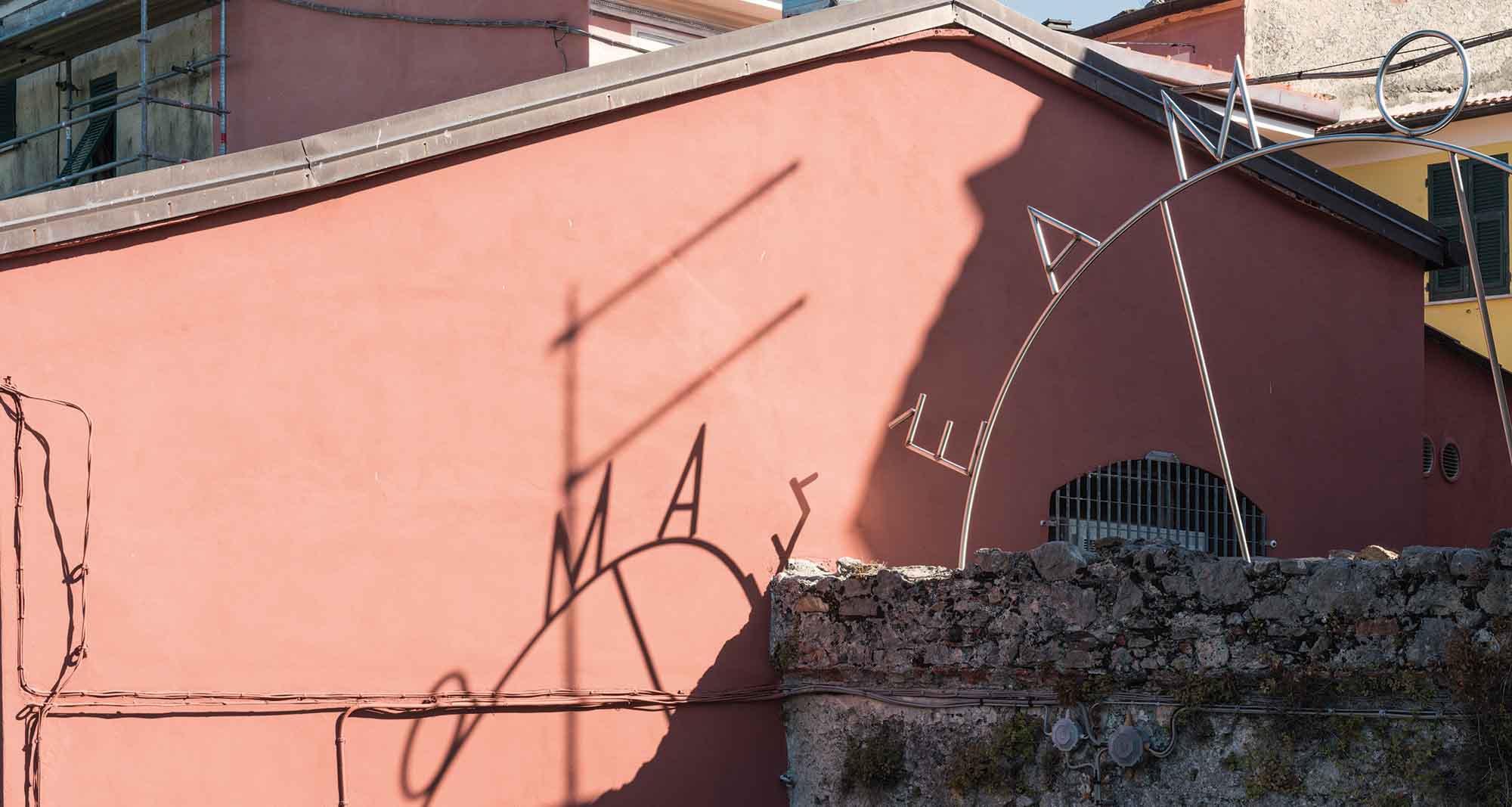
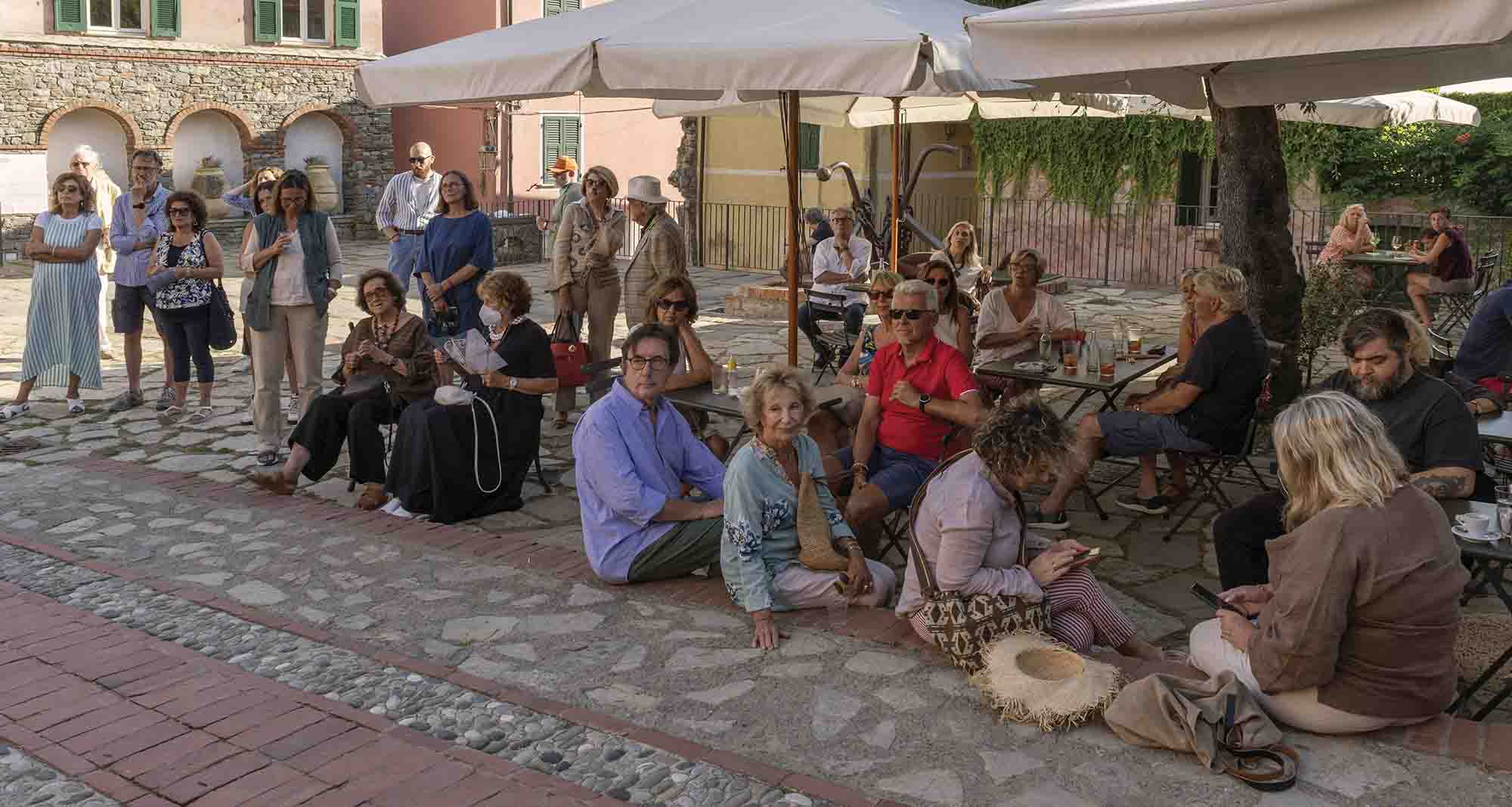
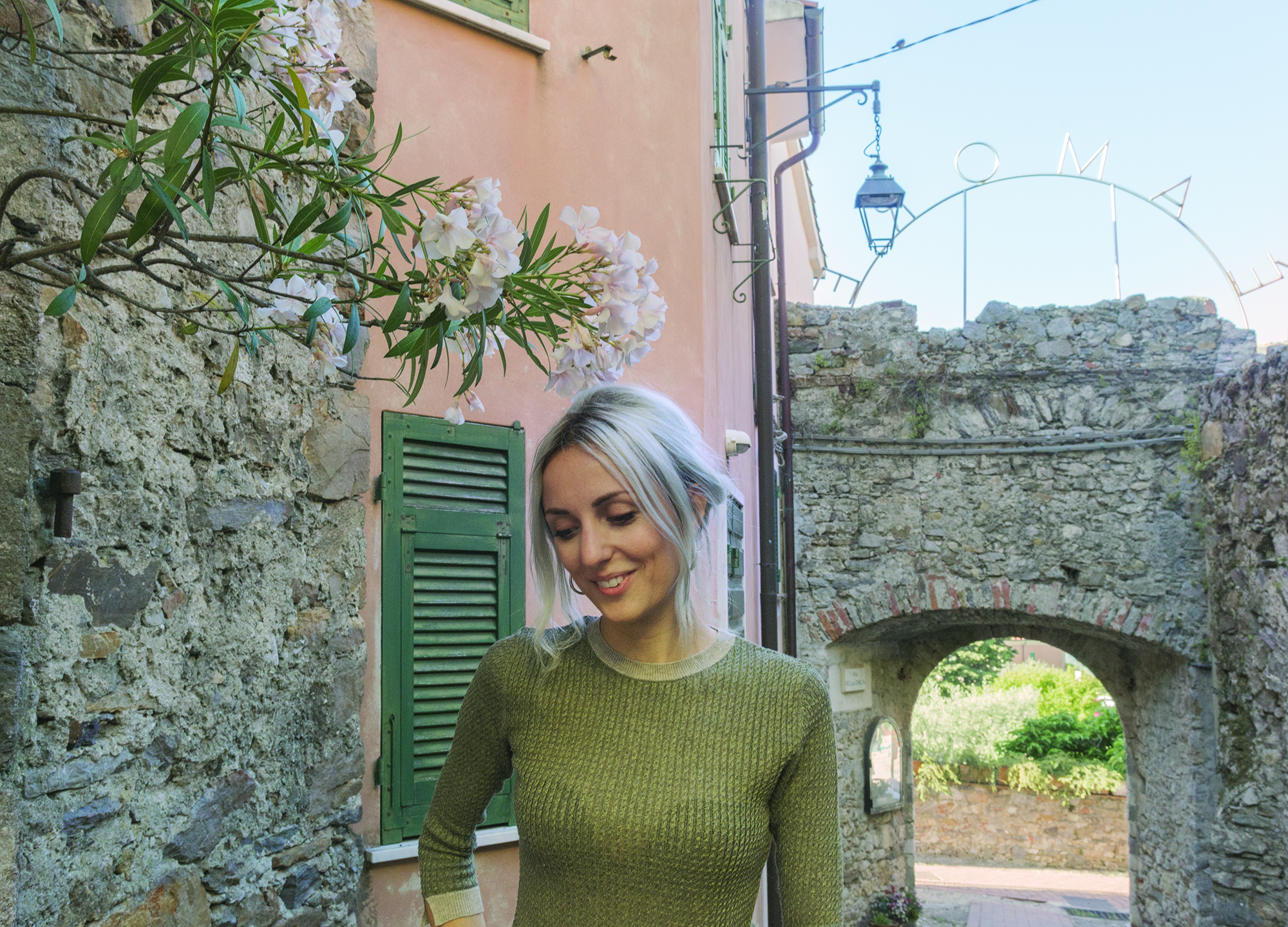
Alice Ronchi, È amore, 2022, Montemarcello (SP), Liguria. Ph. Nuvola Ravera
Alice Ronchi (Ponte dell’Olio, Piacenza, 1989) received her MFA from the University of Amsterdam Sandberg Instituut in 2015 and, in 2012, her BA from NABA University in Milan where she lives and works. In 2013, she starts her collaboration with the gallery Francesca Minini in Milan where she has had two solo shows, Breakfast on the grass (2014) and Majestic solitude (2018). She often collaborates with institutions, schools and museums to design workshops for children. She’s currently teaching at NABA university in Milano: Sculpturing – an international English course. In her works, everyday objects meet the world of invention and fantasy. The search for wonder is a constant theme in her work, populated by familiar yet enigmatic figures, the product of an abstract reworking. Somewhere in between playful and minimal, her work is a perfect synthesis between the simplicity of expression and complexity of forms and meanings. With the use of different media, ranging from sculpture to photography, from performance to video, Ronchi questions reality through a careful and curious gaze, giving us her magical vision. Her work has been exhibited in galleries and museums internationally including: Palazzo Reale (Milan IT), Fons Welters Gallery (Amsterdam NL), La Triennale Museum (Milan, IT), Macro Museum (Rome IT), Stadgalerie (Kiel DE), MamBo (Bologna IT), MAXXI (Rome IT), Fondazione Sandretto Re Rebaudengo (Turin IT), Galleria civica di Trento (Trento IT) among the others. In 2021, Ronchi designed the Formula 1 trophy for the Imola Grand Prix, commissioned by Pirelli in collaboration with Pirelli HangarBicocca.
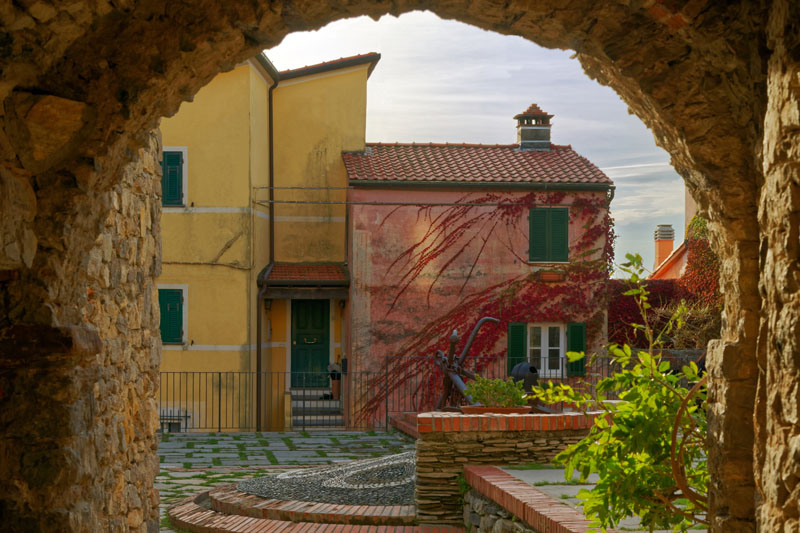
Montemarcello is a small historic village in the municipality of Ameglia, that lies 266 metres above sea- level. Surrounded by ancient walls that are still visible today, it’s made up of small streets and alleyways that form a compact cluster of houses on the Promontorio del Caprione ridge that looks out over the sea. With Liguria on its external side, and the mouth of the river Magra on its internal side, this is part of the hilly urbanisation that has happened over the centuries in the Ligurian villages of the historic Lunigiana Area. The surrounding area of the village is included in the Montemarcello Magra – Vara Park established in 1985 and from 2006, is part of the “Borghi più belli d’Italia” initiative. The village is encircled by many old walking routes that connect the surrounding villages with the sea and the coast – Lerici/Tellaro to the west and Armeglia/Arcola on the internal side where the river is, Bocca di Magra on the side of the river’s outlet. Departing from the village, a path goes down to the famous Punta Corvo beach, known for its crystal clear waters. In Montemarcello, there are many panoramic view points to enjoy. On one side they look out over the Apuane mountains and on the other towards the Gulf of Venus (Golfo di Venere) where the islands of Palmaria and Tino are. It’s said that the name of the village derives from the victory of the Consul Marco Claudio Marcello over the Ligurian people during the settlement of the Roman colony Luni that is on the other side of the Magra river. Architectonically, the village shows signs of the Middle Ages, both in its defence structures and its housing. Inside the church of St Peter which dates back to the 15th Century, there’s a tryptic attributed to the Master of Borsigliano and a fine marble altarpiece from 1529, commissioned by the village and attributed to the French sculptor Domenico Gare, nicknamed “ilfranzosino”. The only current square in the village has no connection to its history as a roman settlement but is instead the outcome of an aerial bombing that took place 13 December 1944 that caused many victims and huge damages.