Ella Littwitz
Axis Mundi
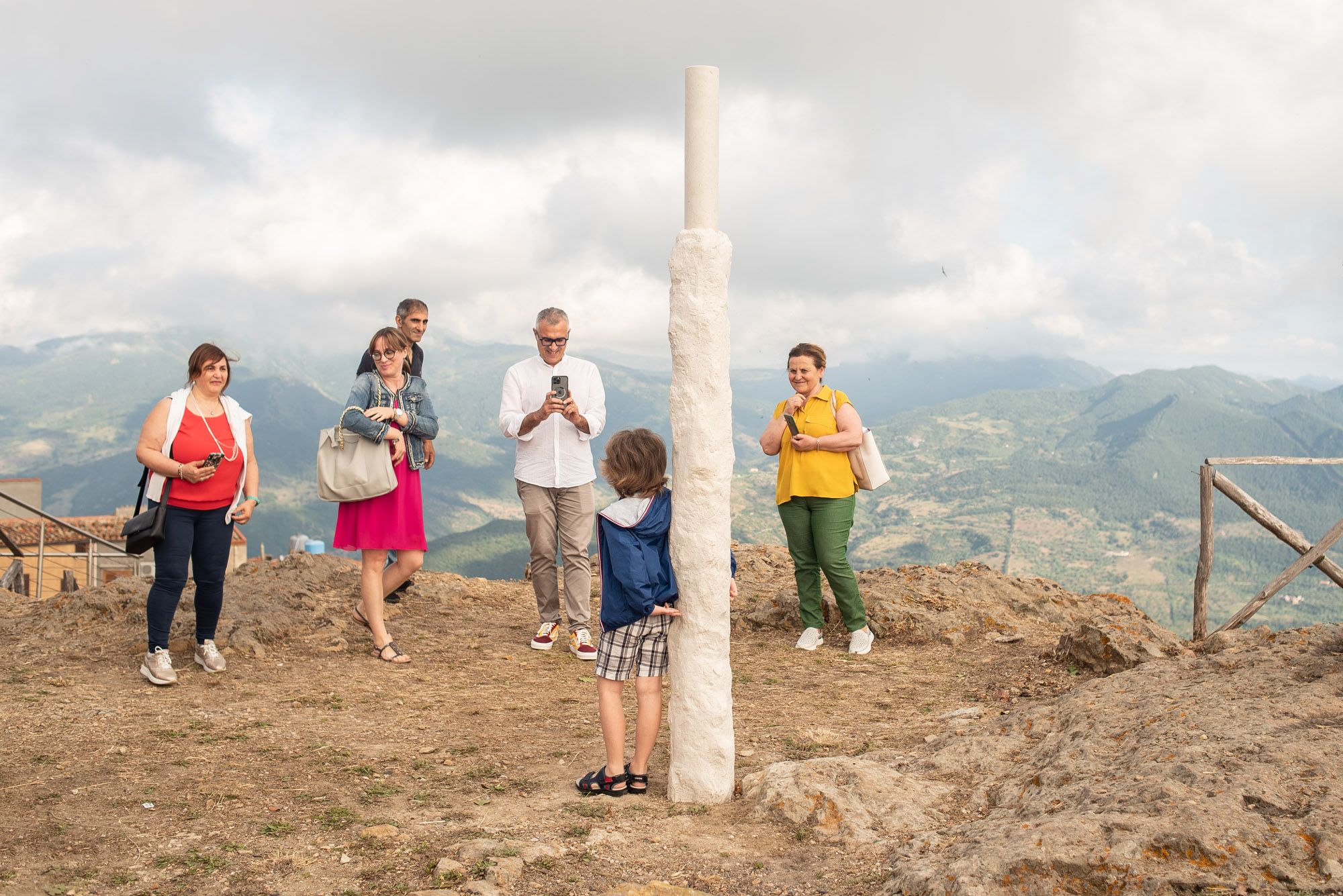
Per un giorno intero acqua e cielo furono un tutt'uno, il mondo superiore e quello inferiore non erano ancora stati separati. L'orizzonte è stato quindi creato per dividerli. "Axis Mundi", composto dai racconti di Pollina, reagisce alla forte connessione del borgo tra metafisico e fisico, tra fede, geografia e natura.
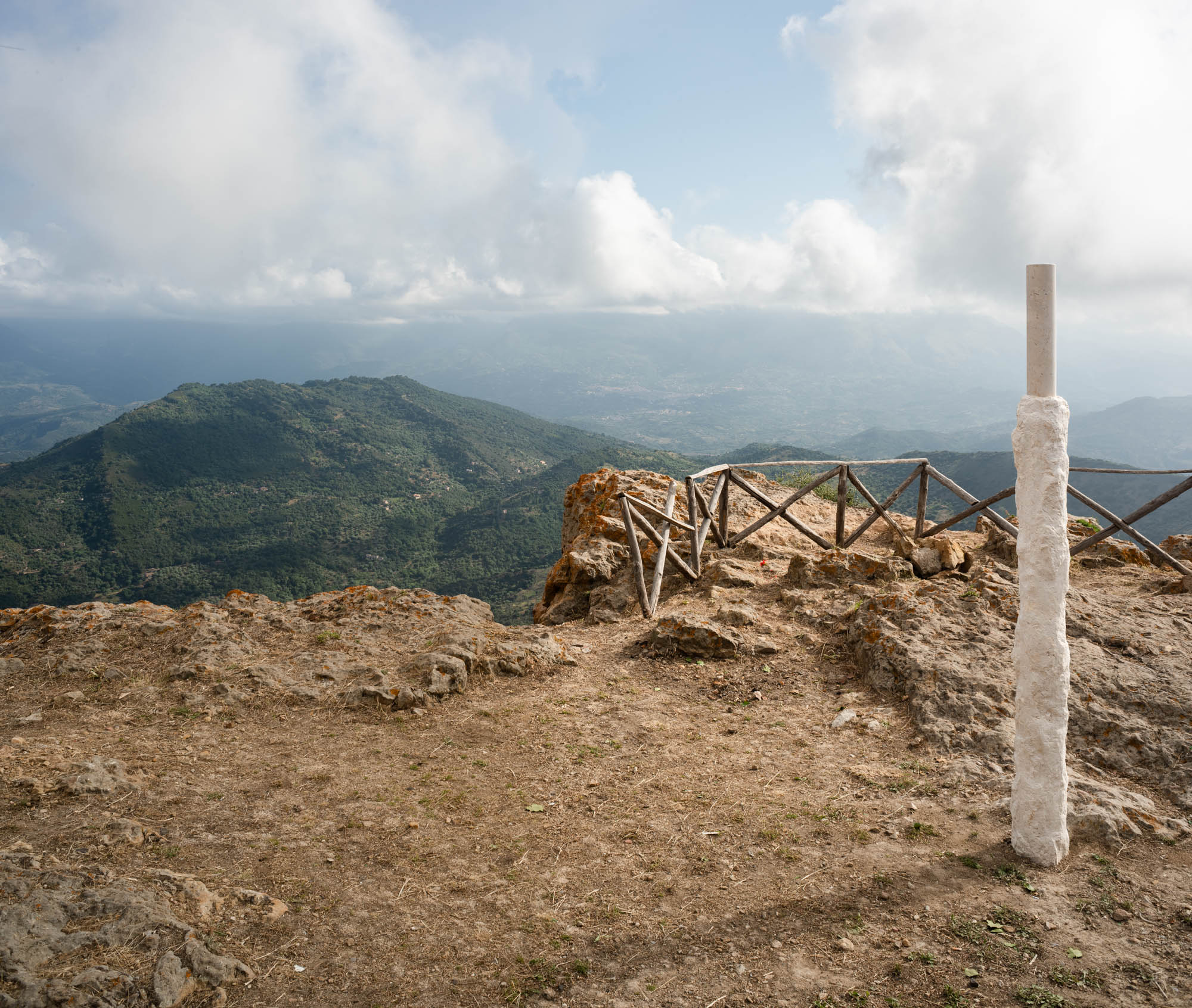
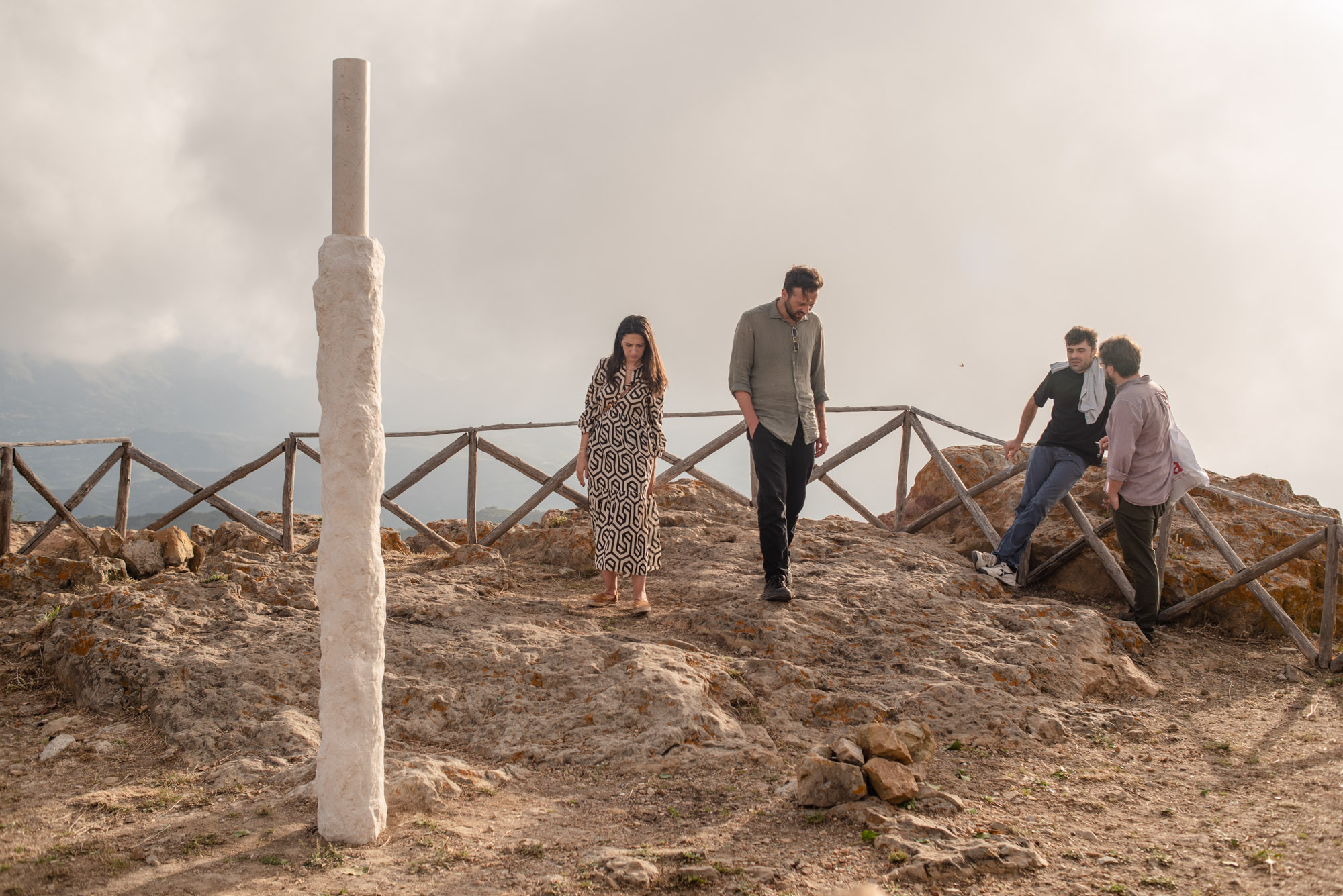
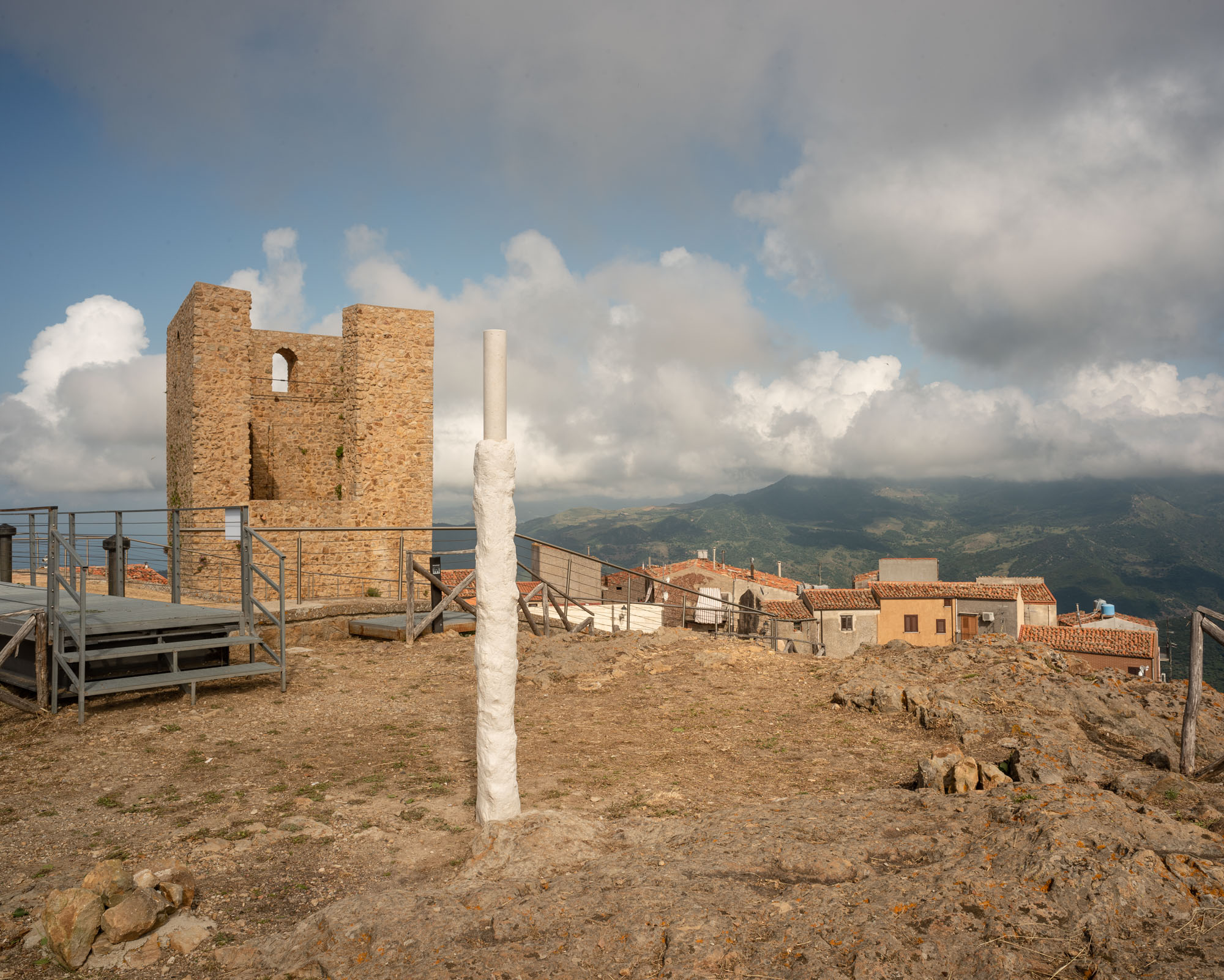
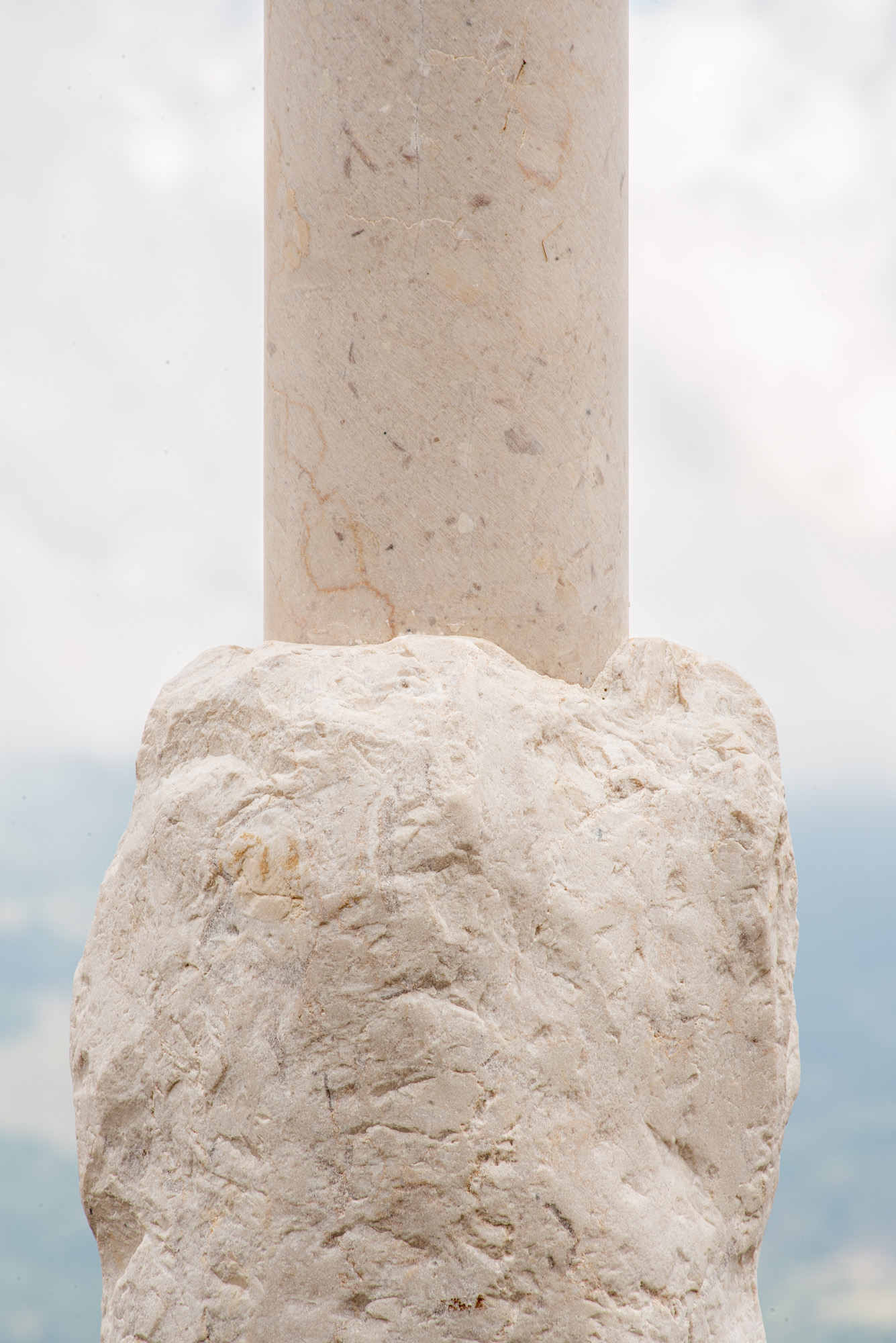
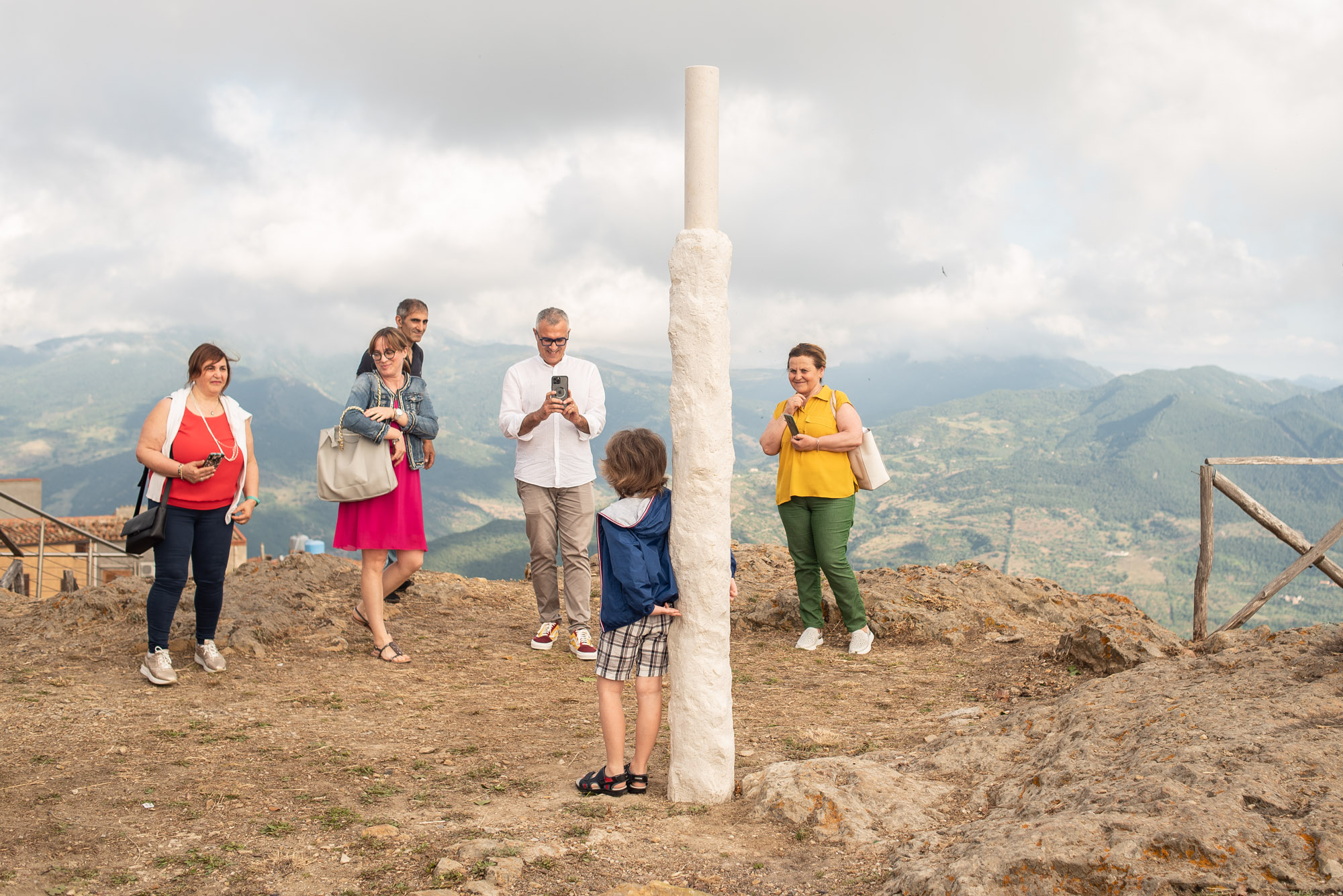
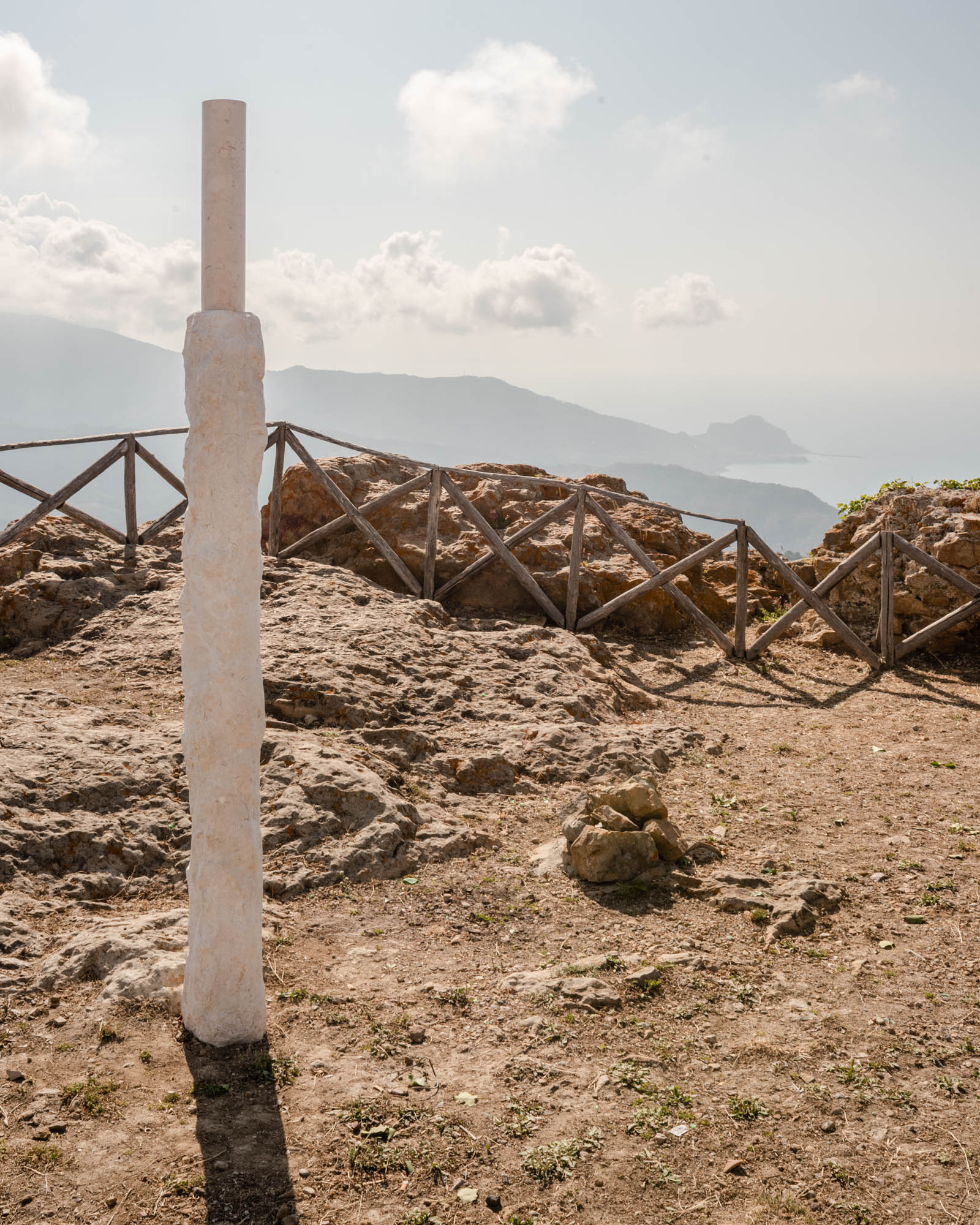
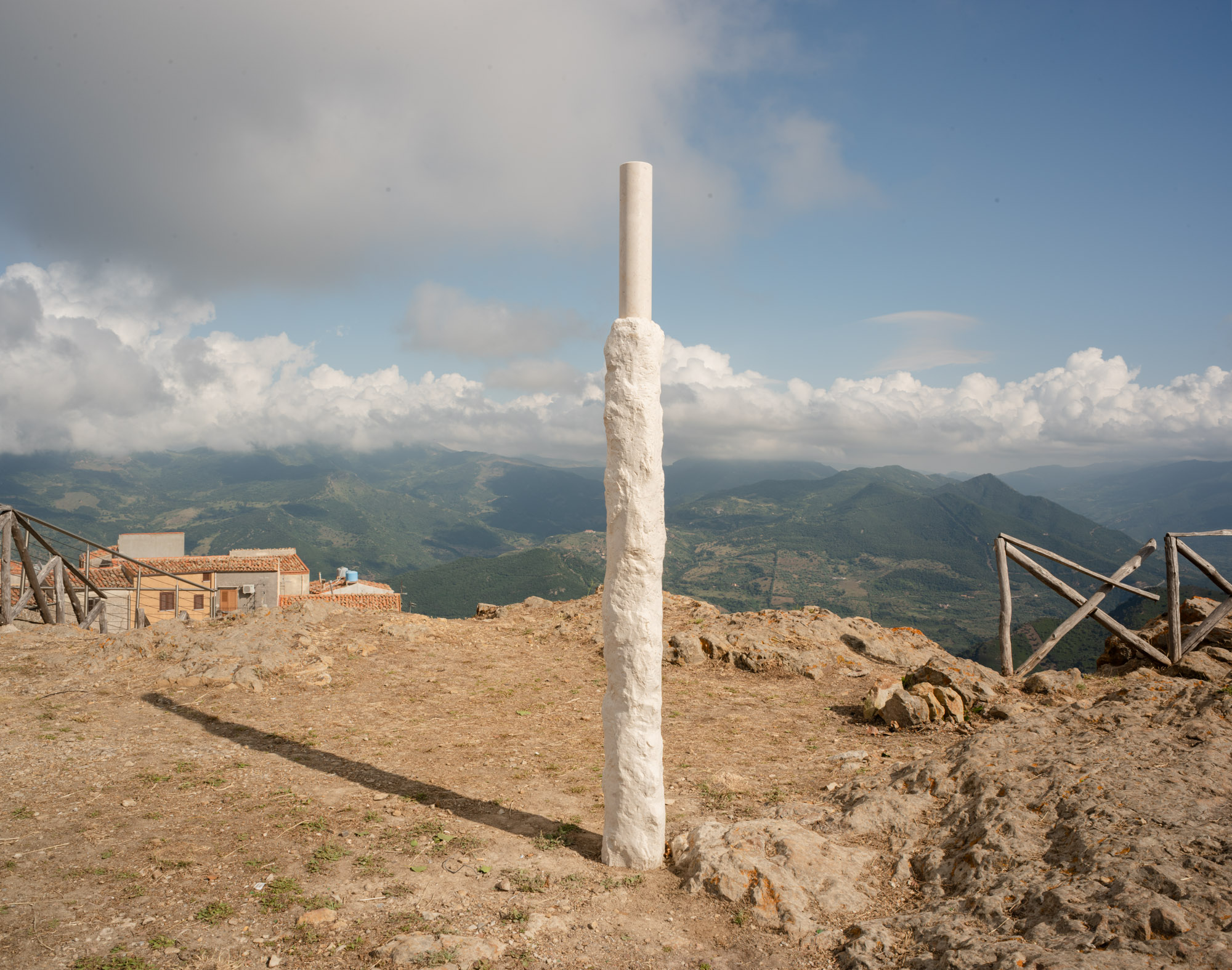
Ella Littwitz, Axis Mundi, Pollina (PA), Sicilia. Ph. Roberto Bocaccino

Ella Littwitz was born in 1982 in Israel where she lives and works. In 2015 she is a laurate of HISK, Higher Institute for Fine Arts (Gent, BE) and she received a BFA from Bezalel Academy of Arts and Design (Jerusalem, IL) in 2009. Sheparticipated in the 12th Istanbul Biennial and had solo exhibitions in major international institutions, such as: Basis, Frankfurt (DE); CCA, Tel Aviv (IL); Kunsthalle St.Gallen (CH); Centro d’Arte La Panera, Lleida (ES); MWW Muzeum Współczesne, Wrocław (PL); Kunstverein, Salzburg (AT). Her works have been exhibited in numerous shows, at the National Museum of Contemporary Art in Athens (GR), the Museum of Contemporary Art in Krakow (PL), Israel Museum (IL), Tel Aviv Museum of Art (IL) and Tallinn Kunsthall (EE). Littwitz has received the Artist Grant for Exceptional Work in Uncertain Times (IL), Dr. Georg and Josi Guggenheim Foundation Prize (CH), Botin Foundation Prize (ES), Stiftung Kunstfonds (DE) and other awards. Her works have been acquired by major collections, such as: Centre Pompidou (FR), Israel Museum (IL), Kunsthaus Zürich (CH), Vehbi Koç Foundation (Istanbul,TR), Tel Aviv Museum of Art (IL) and S.M.A.K. (Ghent, BE).
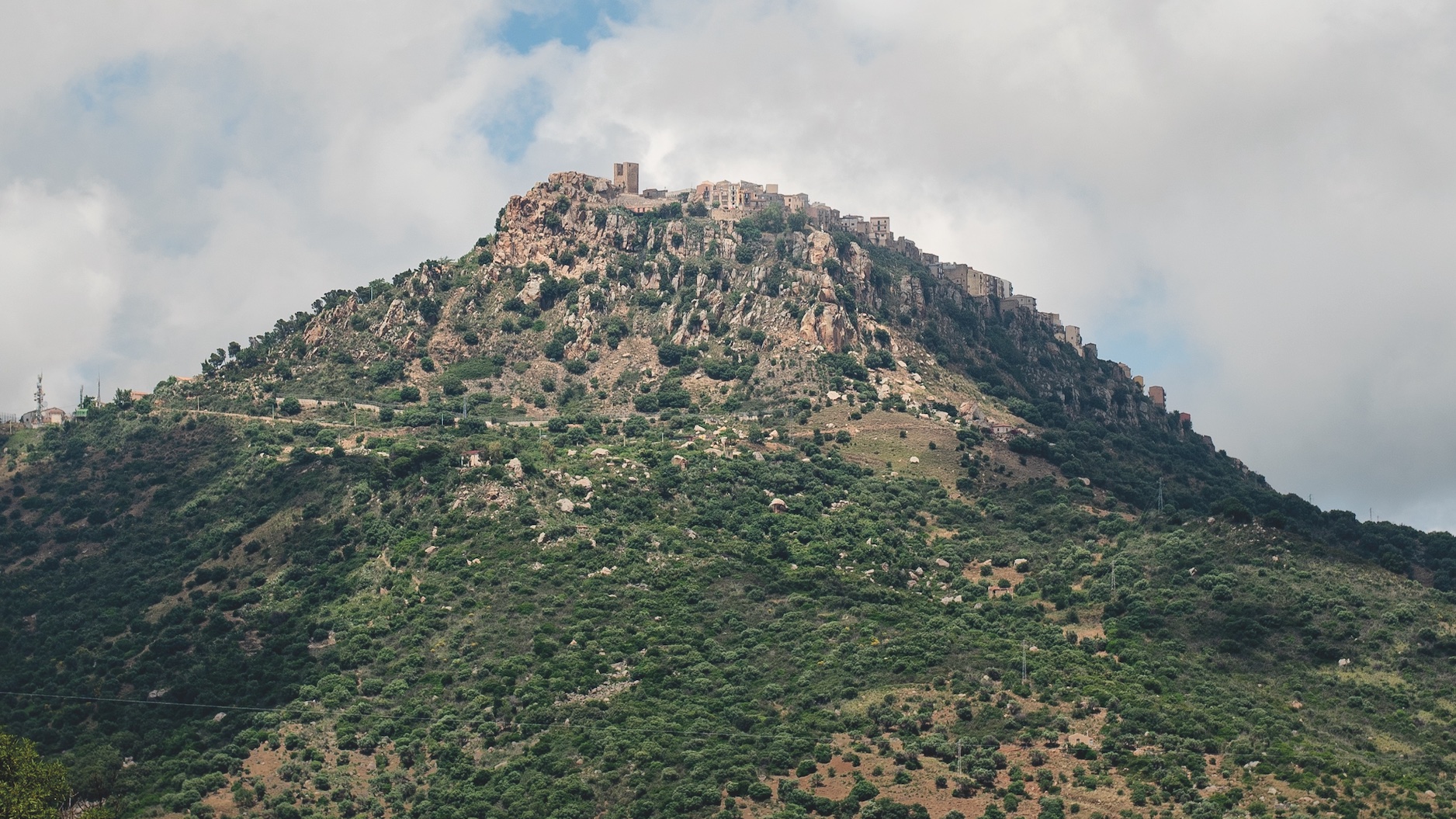
Pollina is a small town of almost 3,000 inhabitants, situated between the Madonie mountains and looking out over the Tyrrhenian Sea where the seaside hamlet, Finale di Pollina, is located. The legend of Donna Pulina (Lady Pulina) possibly narrates the origins of the village, the result of a forbidden love between a Norman princess and an Arab vizier.
Pollina is a village where time seems to stand still, an enchanting place surrounded by unspoilt nature, a location where community, culture and traditions handed down from generation to generation come together. Among the alleys of the historic centre, visitors find the majestic churches of San Giuliano and Santissimi Giovanni e Paolo, the latter a treasure trove of immensely valuable works of art. The Castle’s ancient watchtower hosted the astronomer Francesco Maurolico in the 16th century, after whom the tower is now named. At the highest point is the marvellous Teatro Pietra Rosa (Pink Stone Theatre), so-called because of the particular colour it takes on at sunset. Built in 1978 by the Venetian architect Antonio Foscari, it presents the characteristics typical of Ancient Greek theatres, along with a breathtaking panorama. Pollina is the home of the ‘white gold’ Manna, a sweet natural sap obtained by making cuts on the trunks of ash trees; its unique qualities and numerous beneficial properties have made it part of the world heritage. Among the many festivals and traditions, the festival of the patron saint, San Giuliano, in July is the most eagerly awaited. Three days packed with history, folklore, faith and processions, such as ‘a prucissioni da farina’ (the flour procession) linked to ancient rural customs.