Marta Spagnoli
Felicia Munera
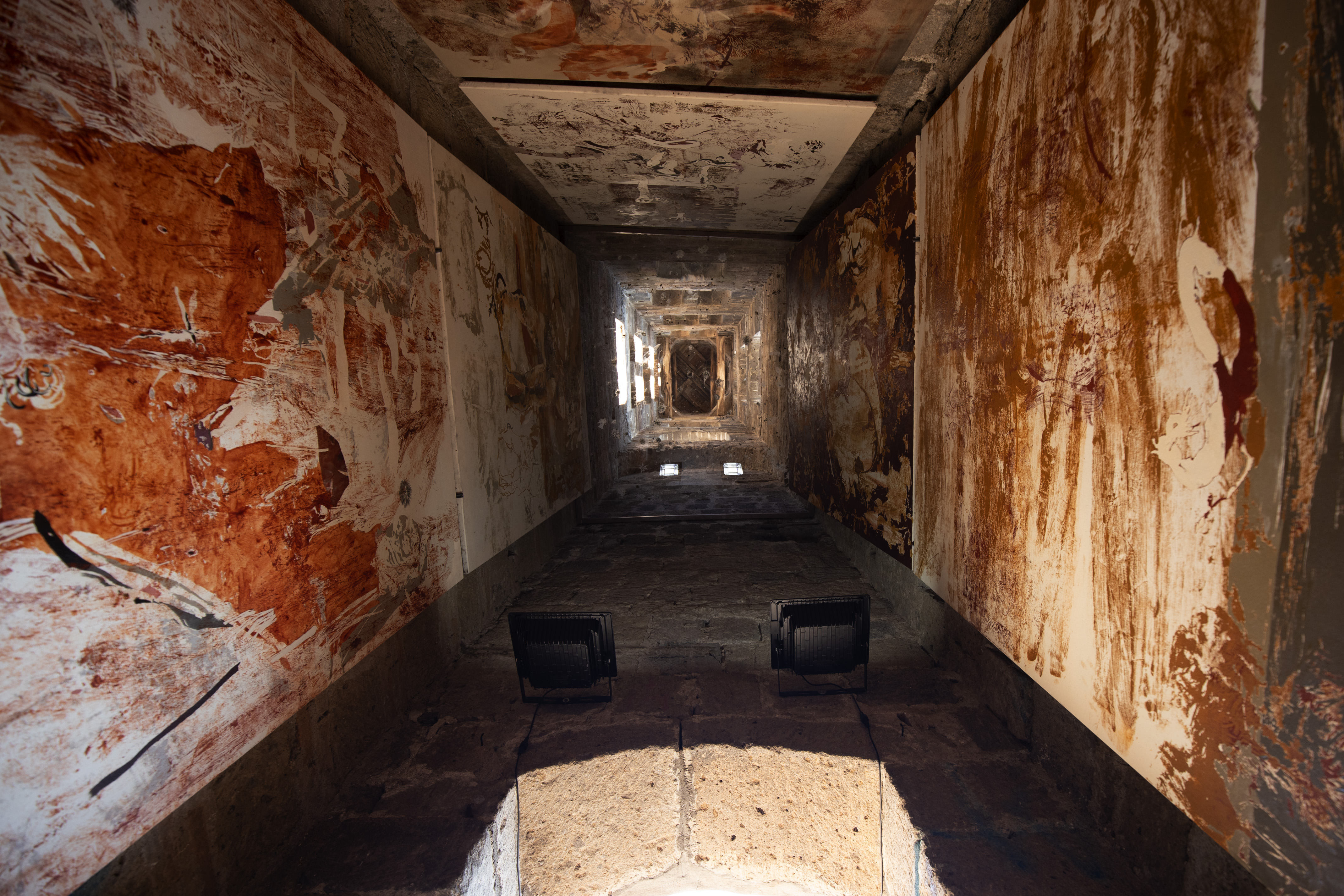
Felicia Munera sono le bellezze di cui è stata dotata ronciglione dalla sorte, ma munus significa anche impegno, incarico, opera. Voglio rivelare luoghi come il campanile, la chiesa e l’elemento metallico del ferro, come delle restituzioni, dei doni per chi vi entra in contatto e li rileva come tali, con la stessa gioia di una scoperta archeologia. Le sei tele evocano l’esperienza di viaggio, la forte percezione delle lacune e delle assenze alle quali dare valore
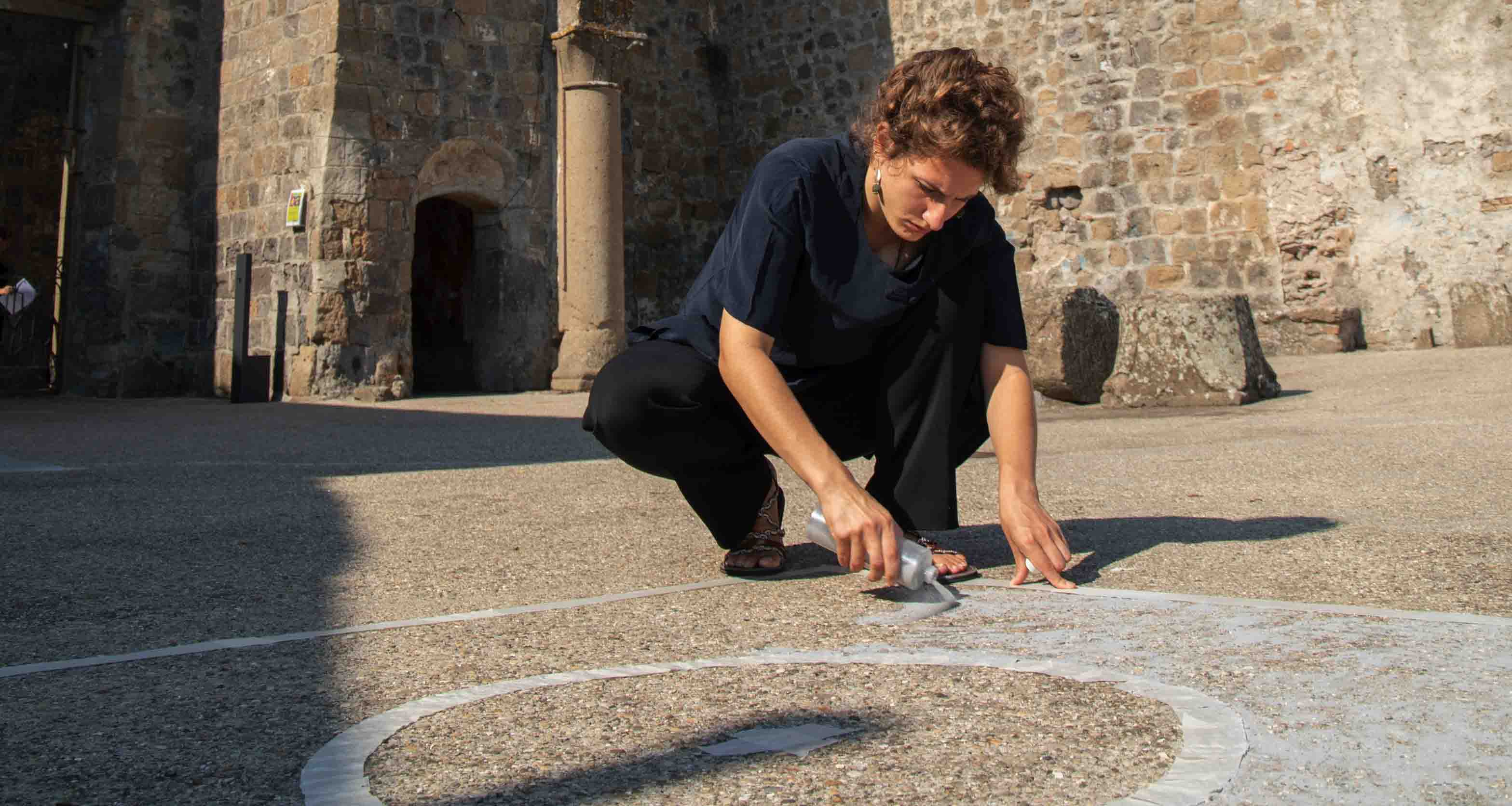
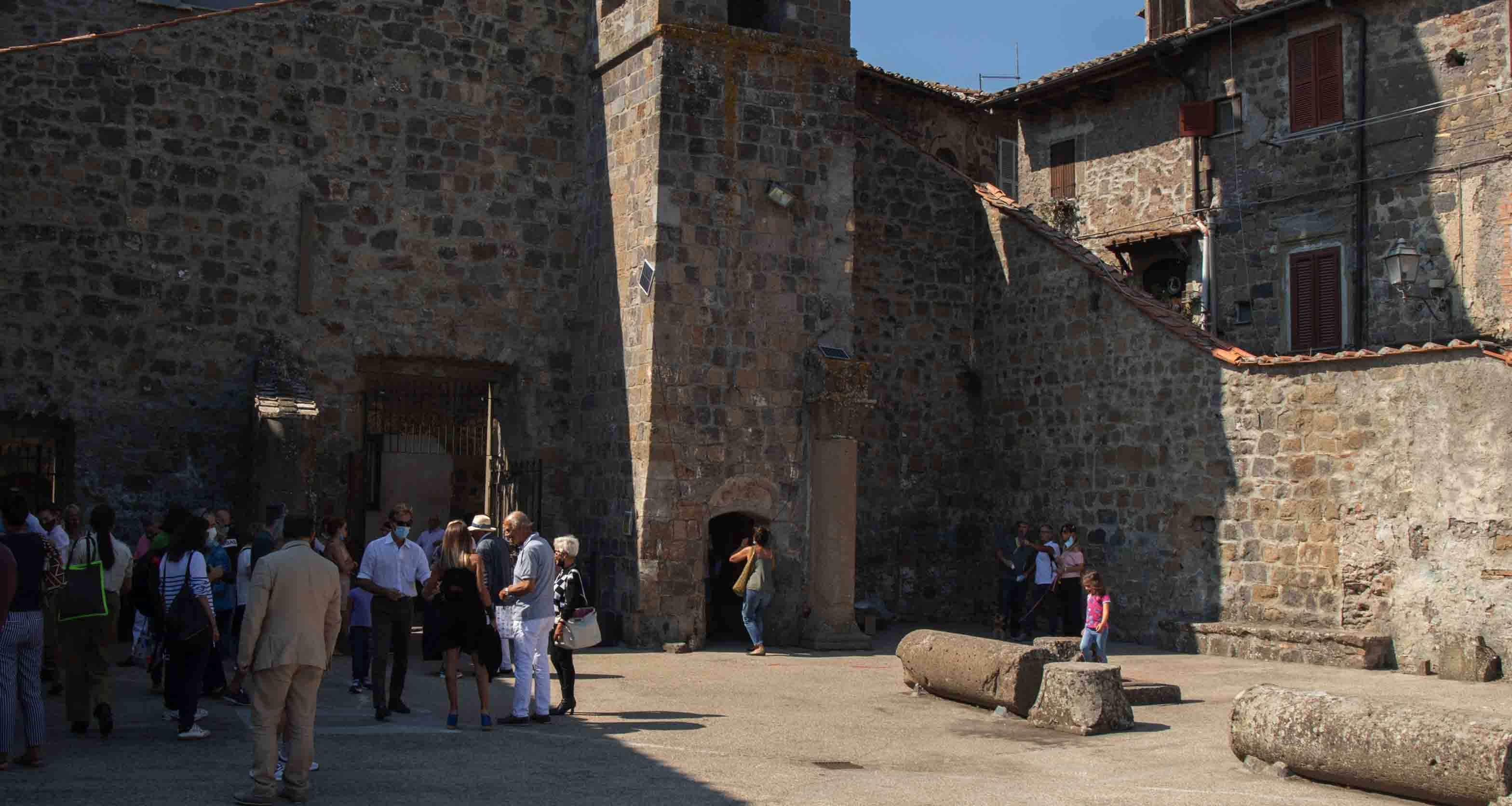
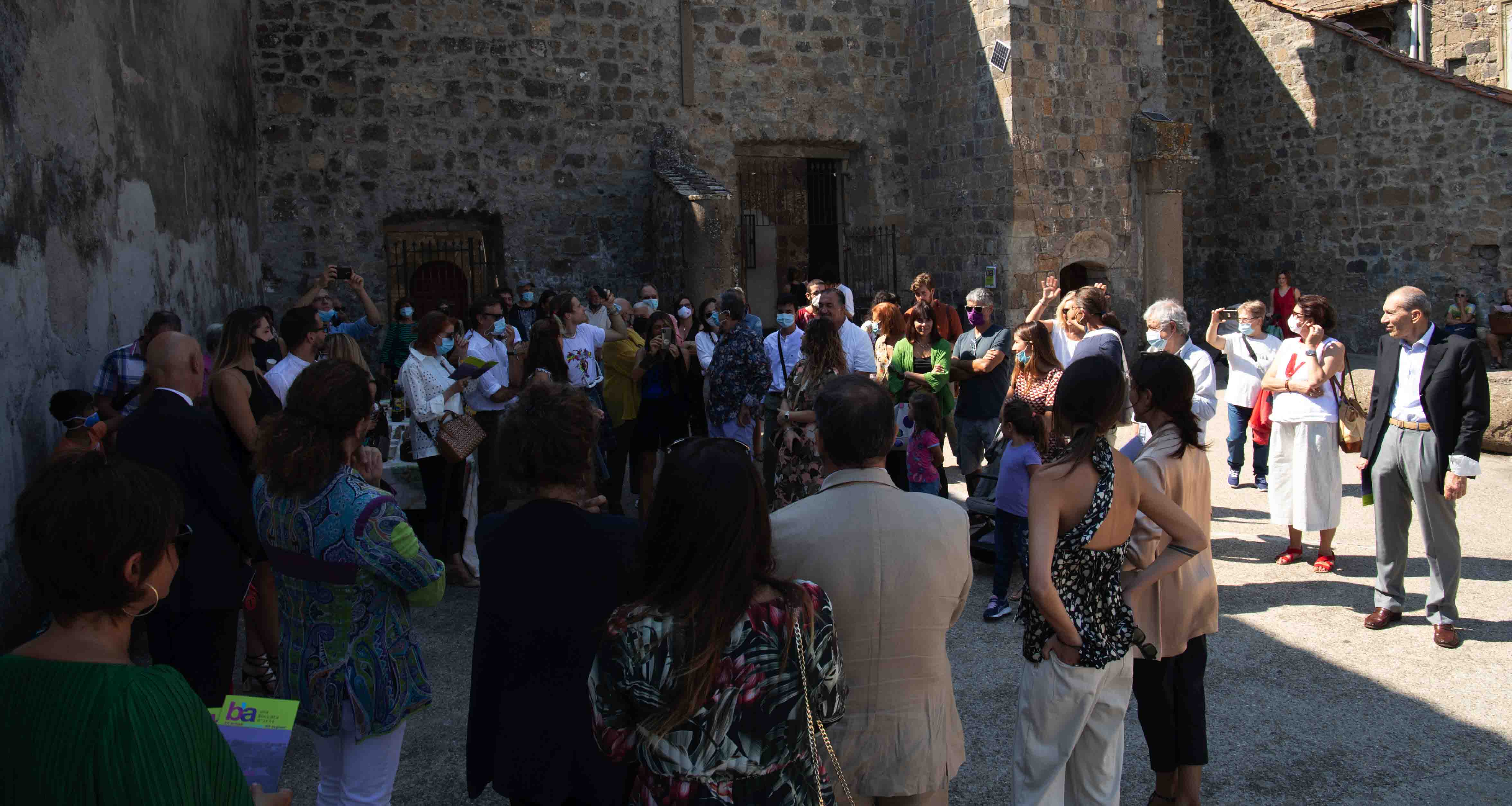
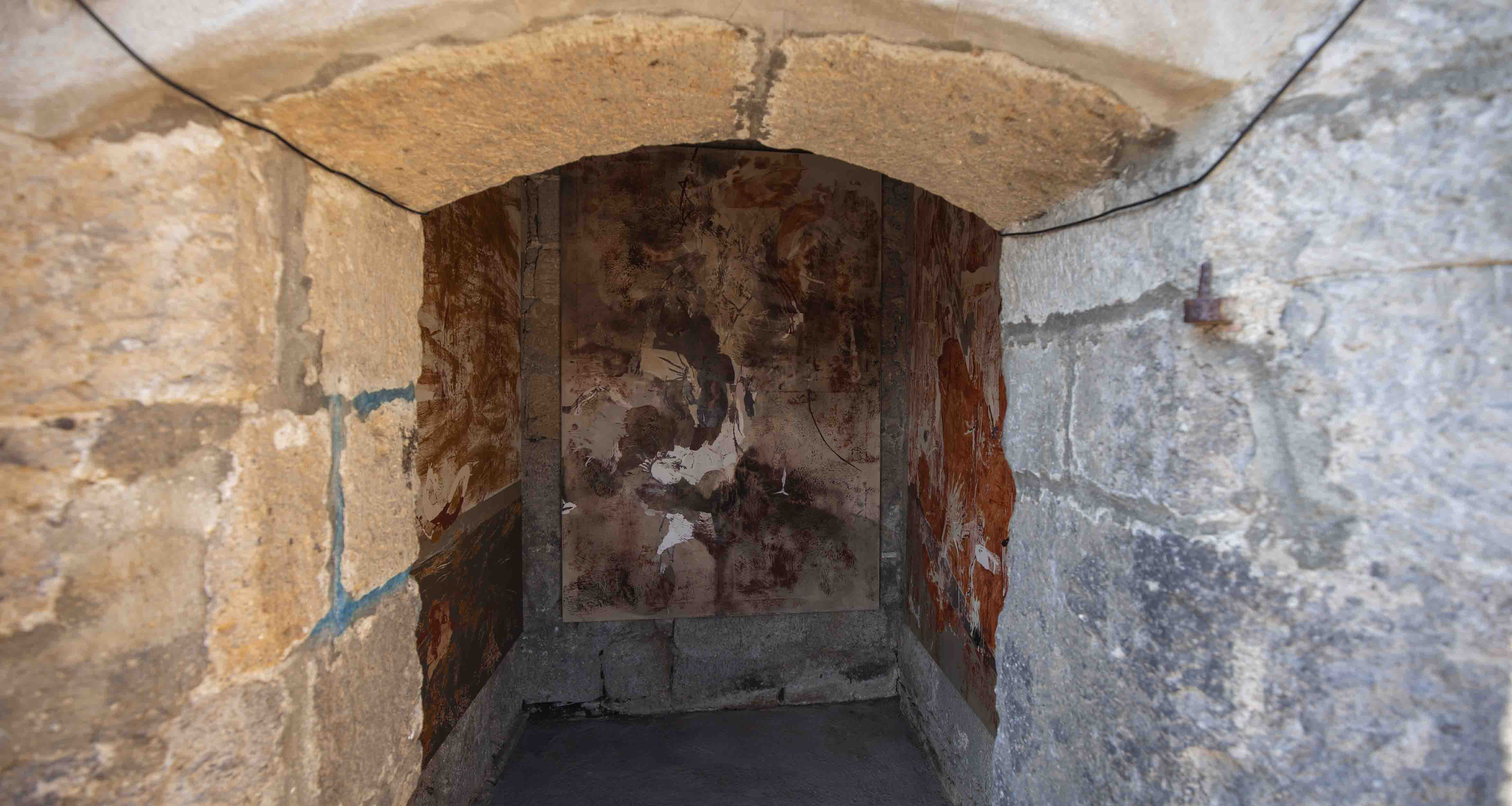
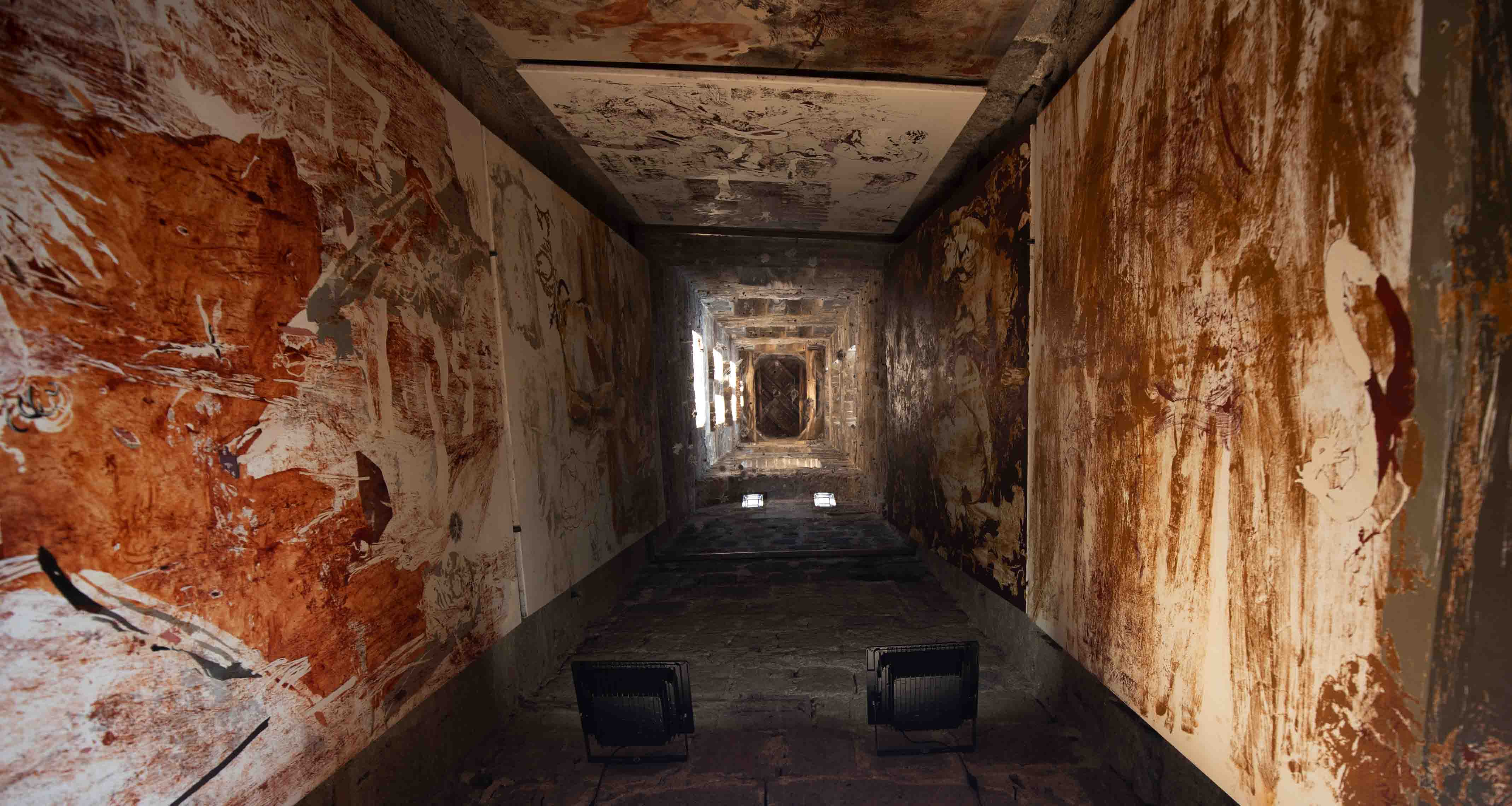
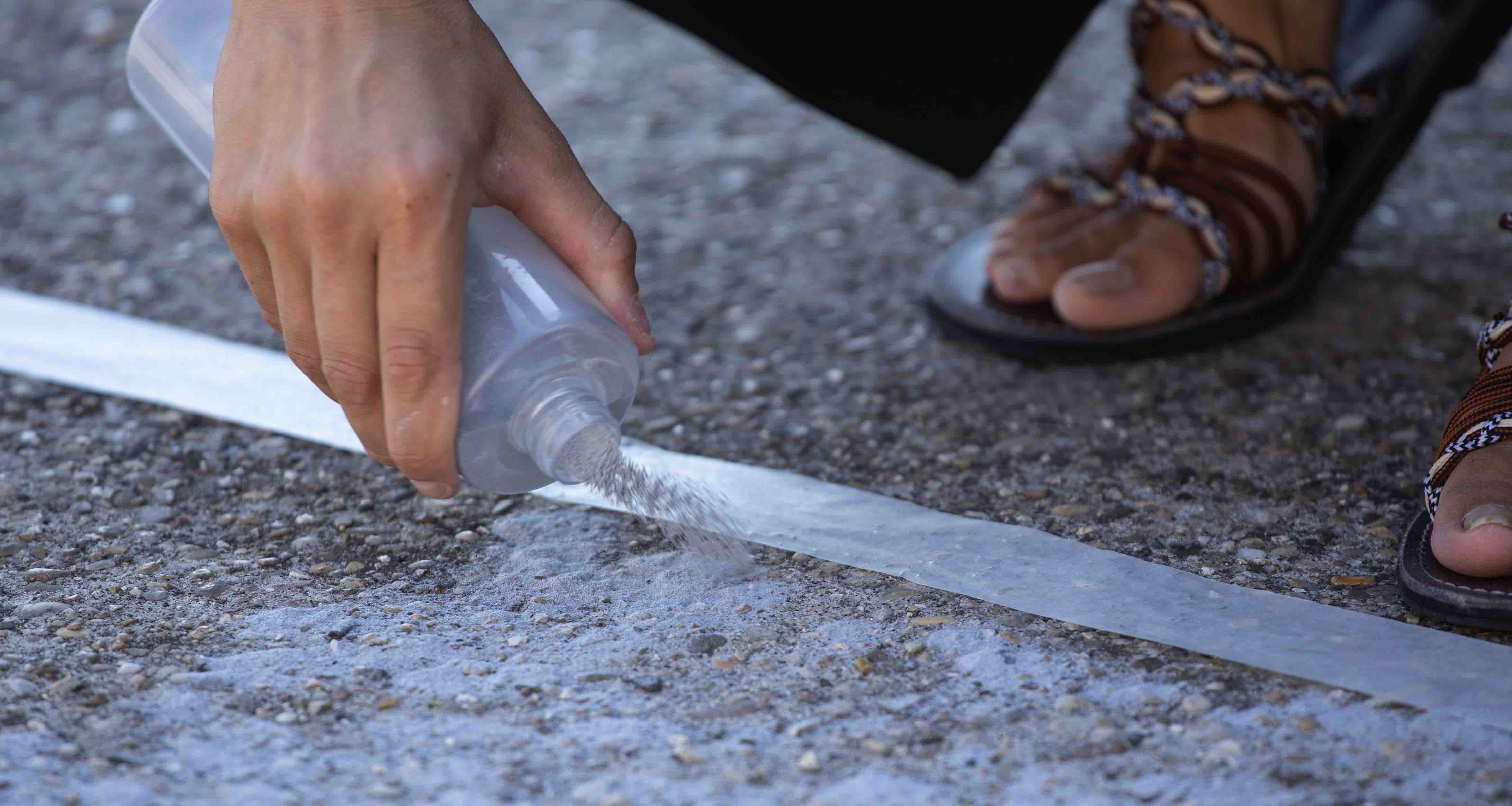
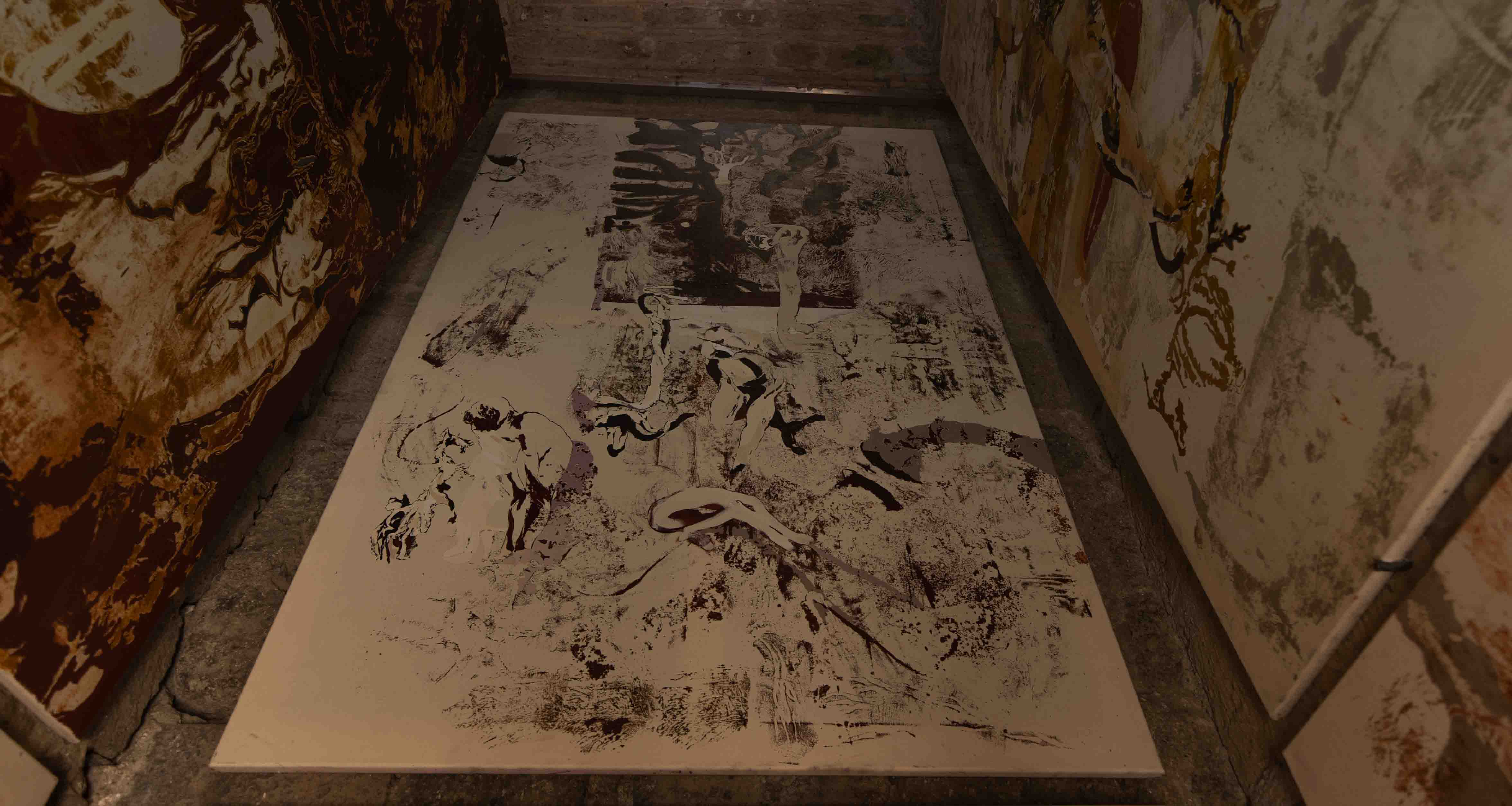
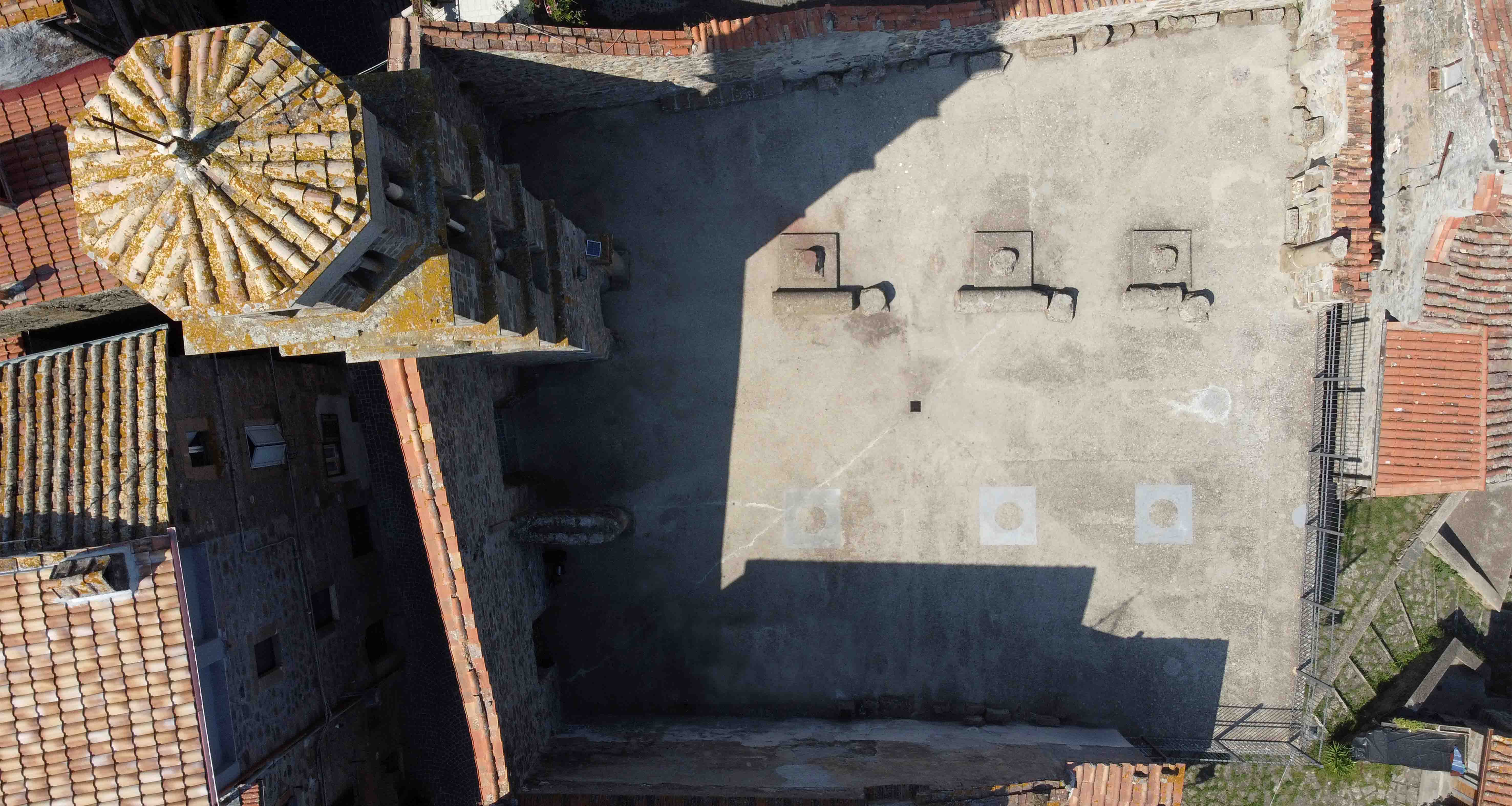
Marta Spagnoli, Felicia Munera, 2020, Ronciglione (VT), Lazio. Ph. Monkeys Videolab
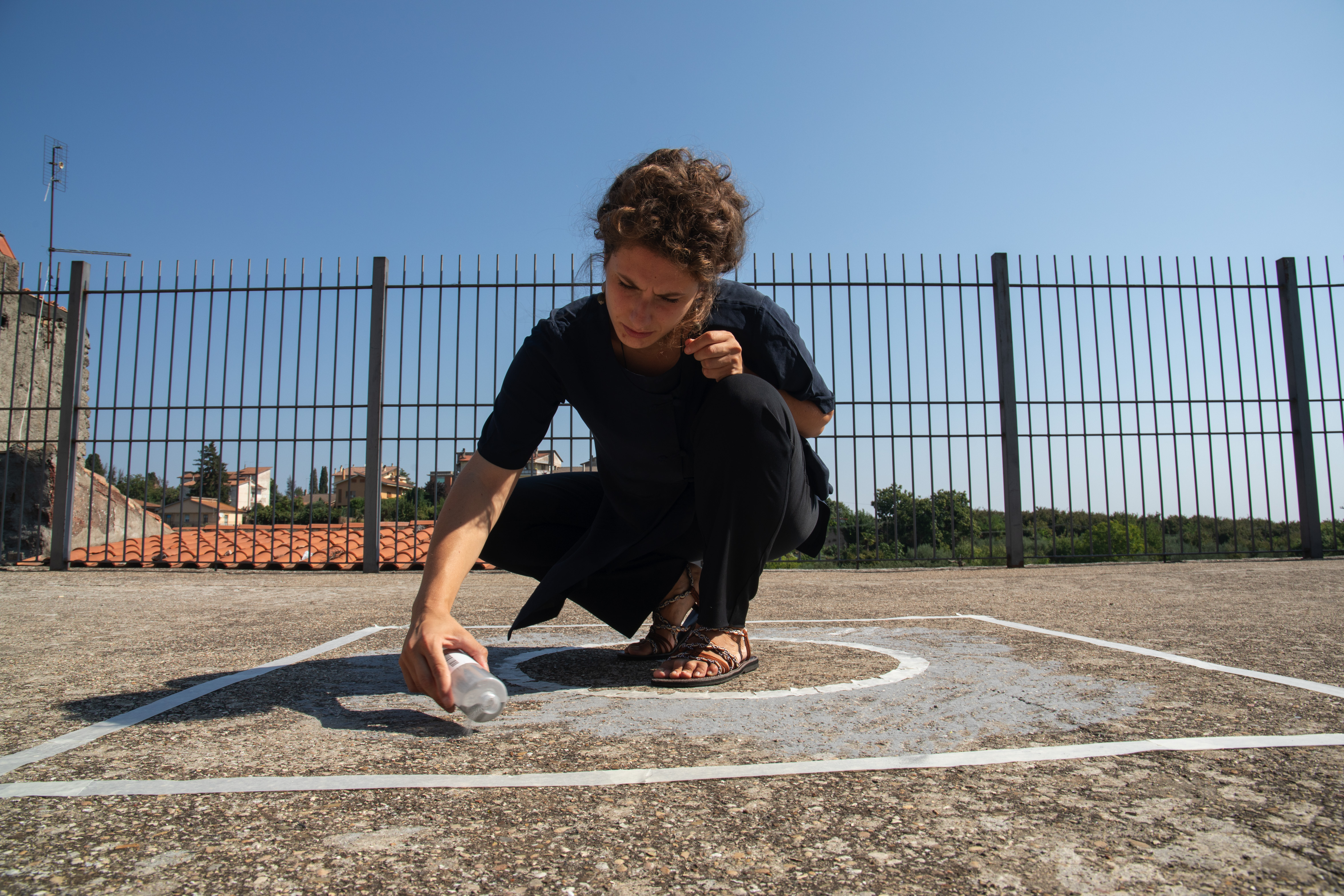
Photographic documentation, scientific illustrations, representations of ancient, classical and contemporary poetic traditions are the visual methods the artist uses to explore the potential of structures, relationships, and meaning. Her main fields of interest are organic, animal and plant forms, as well as man in its mythical dimension. The hydra, floating lovers, satyrs, horses, felines, wayfarers and snakes that populate Marta Spagnoli’s (Verona, 1994) paintings are suspended or intertwined like discoveries that have gradually emerged from our memories.
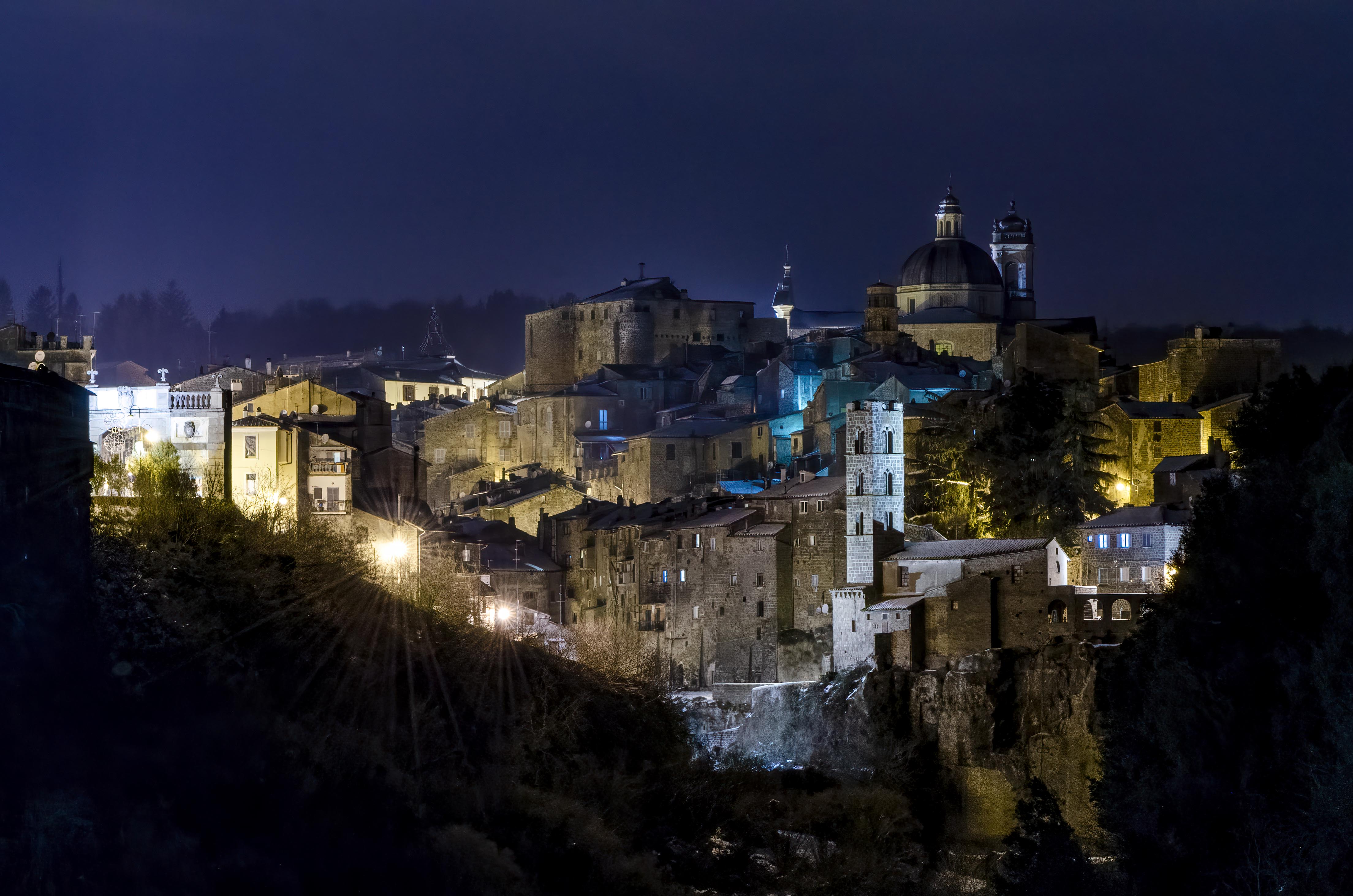
The village of Ronciglione, the medieval heart of the city, stands on the rounded massif of a characteristic tuff cliff. The village constitutes the ancient inhabited area of the city and is divided into two areas, both rich in monuments.
In the village above Ronciglione, one can admire the Castello della Rovere, known as “I Torrioni”, built in the Middle Ages by the Prefects of Vico to guard the only natural access to the city. In the village below there is Santa Maria della Provvidenza and the Historic House Museum of the Venerable Mariangela Virgili.