Arcangelo Sassolino
Forma invisibile
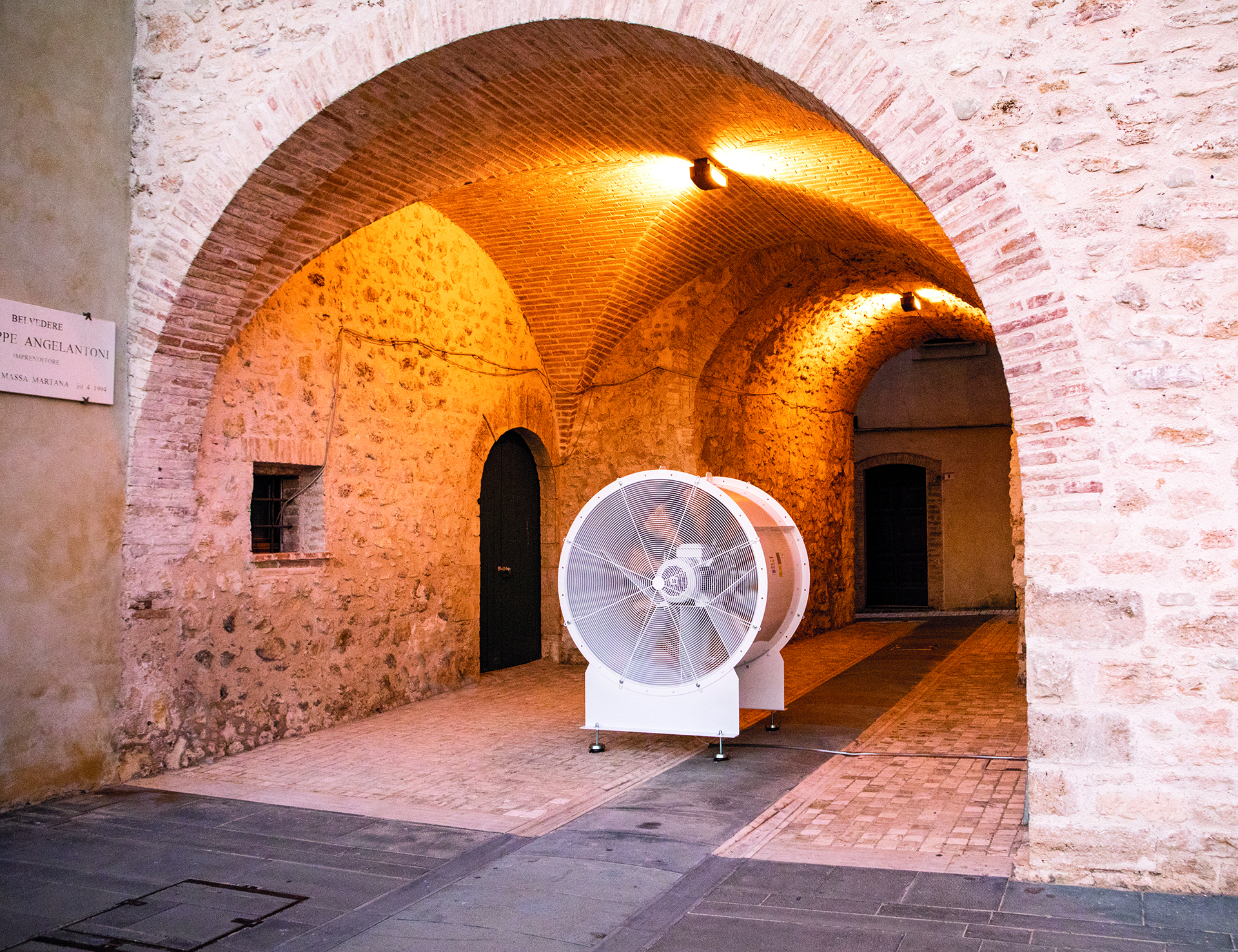
Arcangelo Sassolino trasforma il tunnel pedonale d’ingresso al borgo di Massa Martana in una galleria del vento. Migliaia di metri cubi d’aria fluiscono attraverso la volta ad arco sospinti da una turbina industriale, generando la sensazione di un vento artificiale sempre più forte.
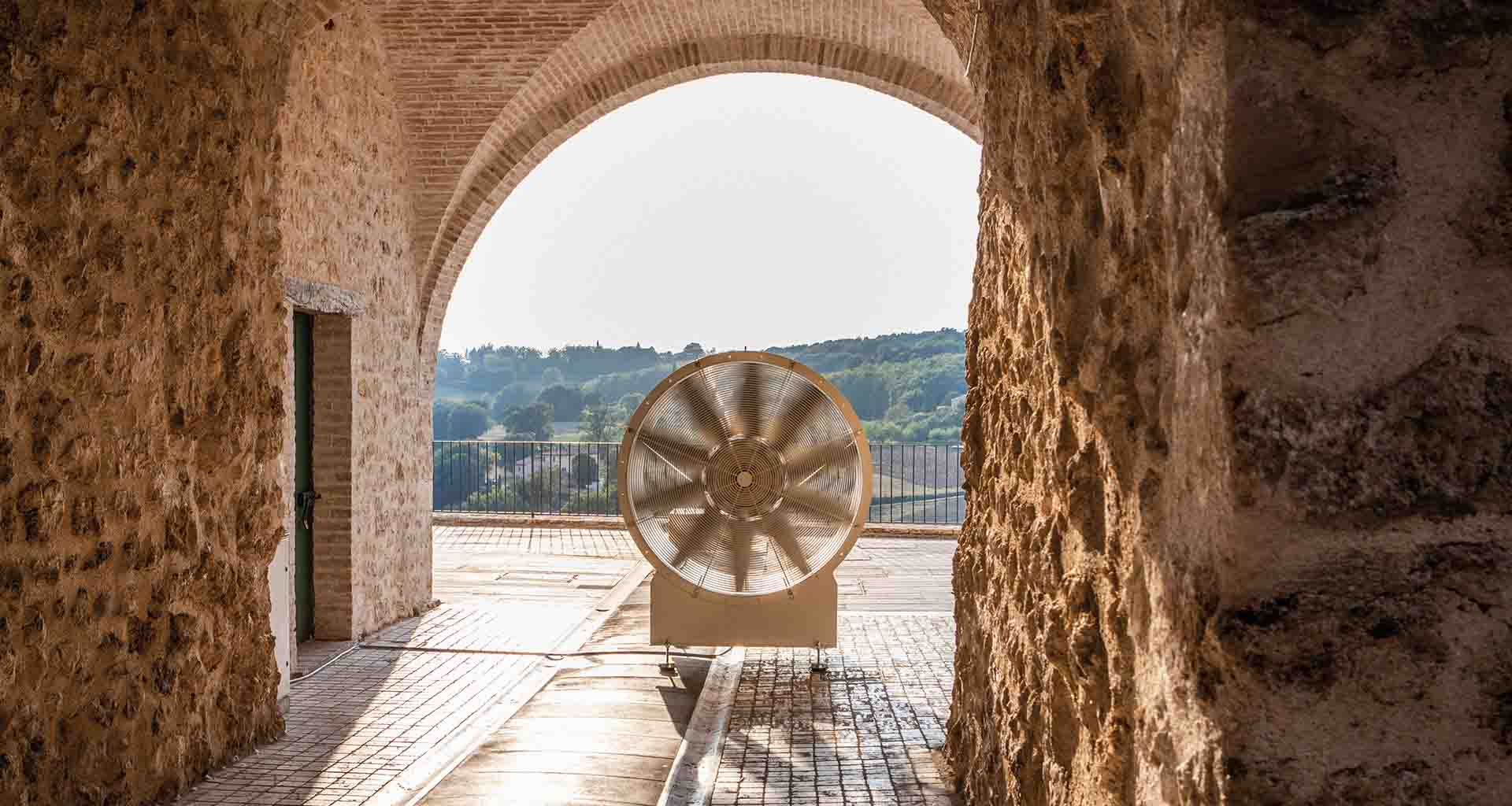
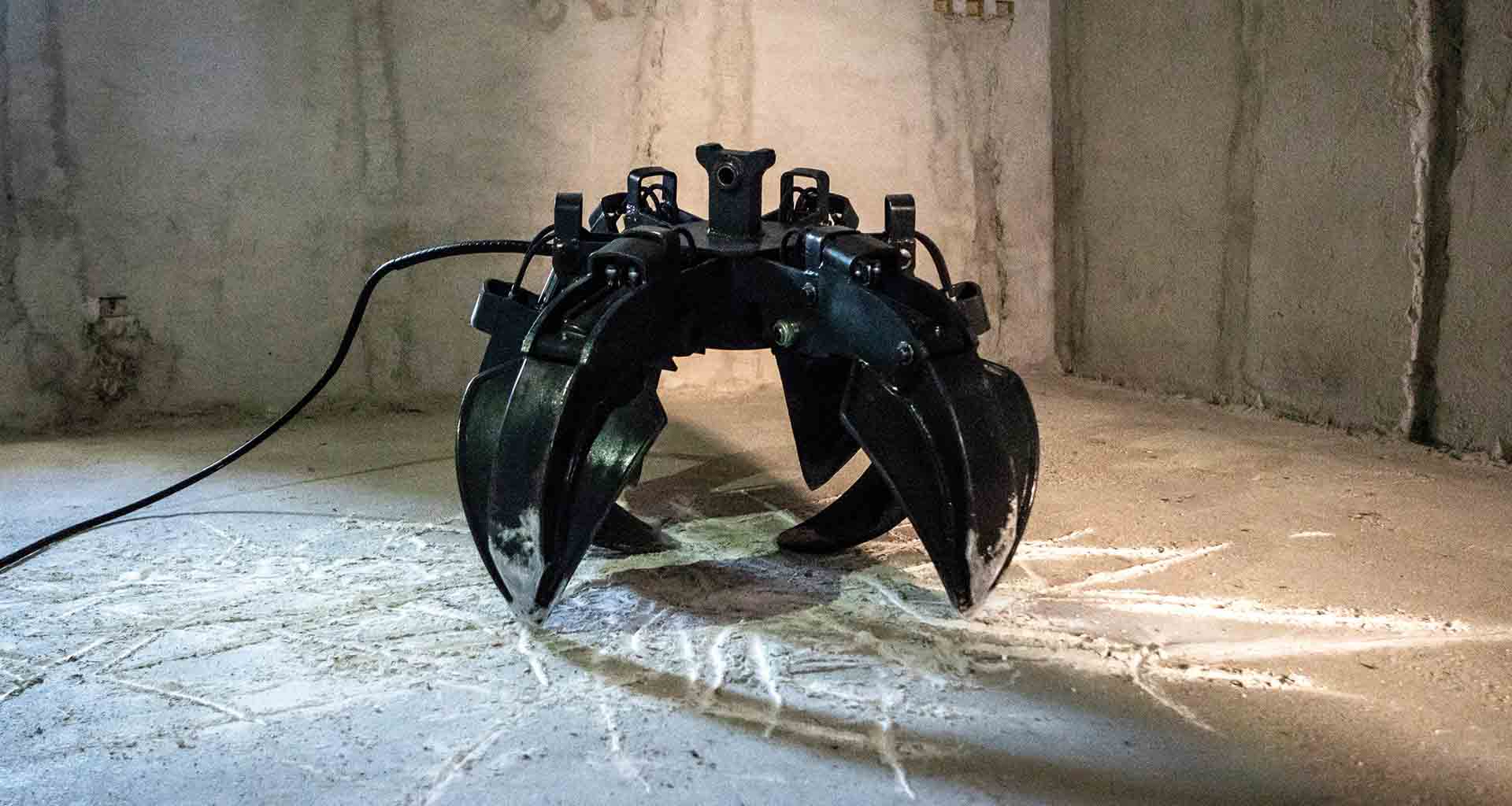
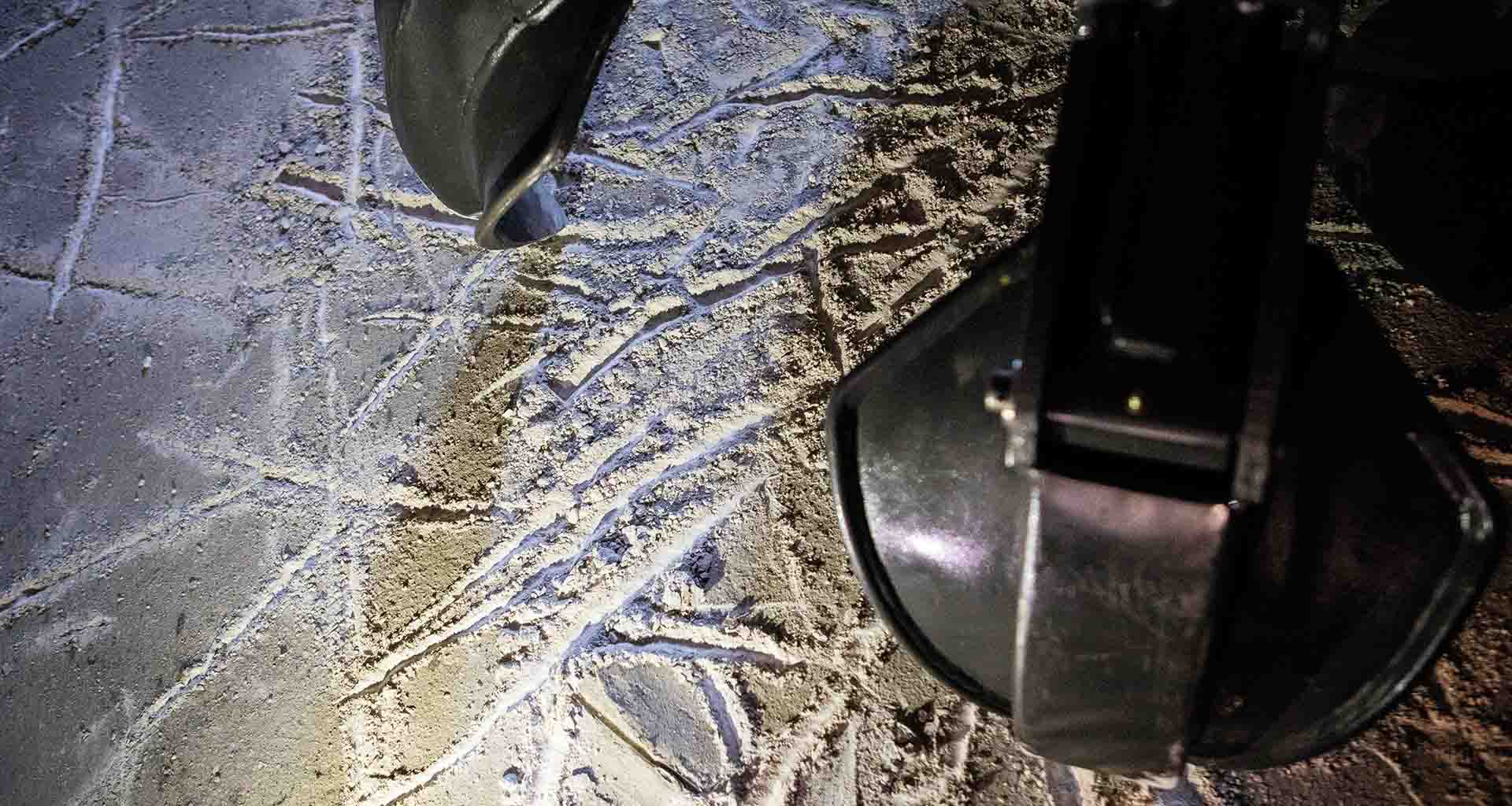
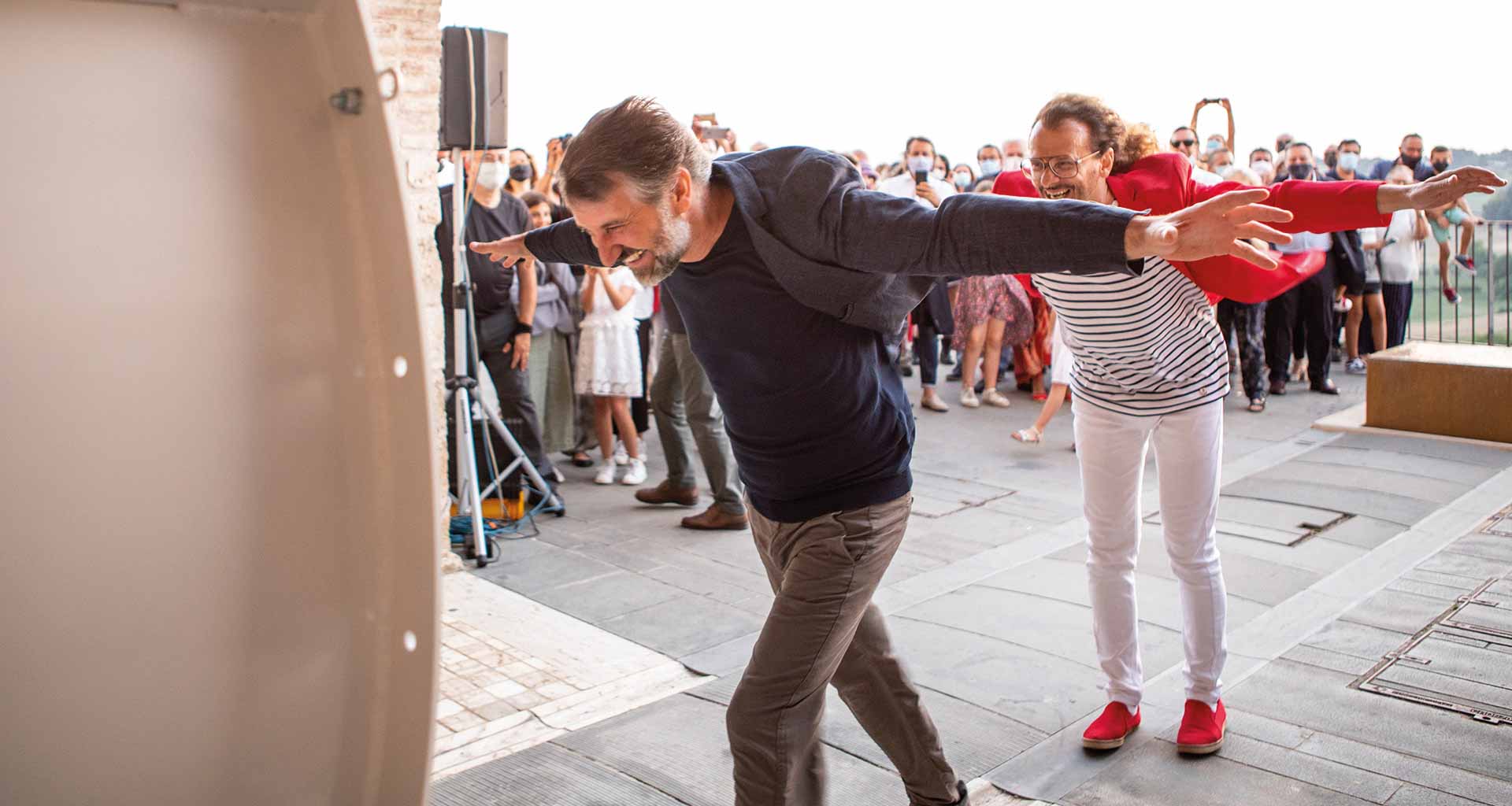
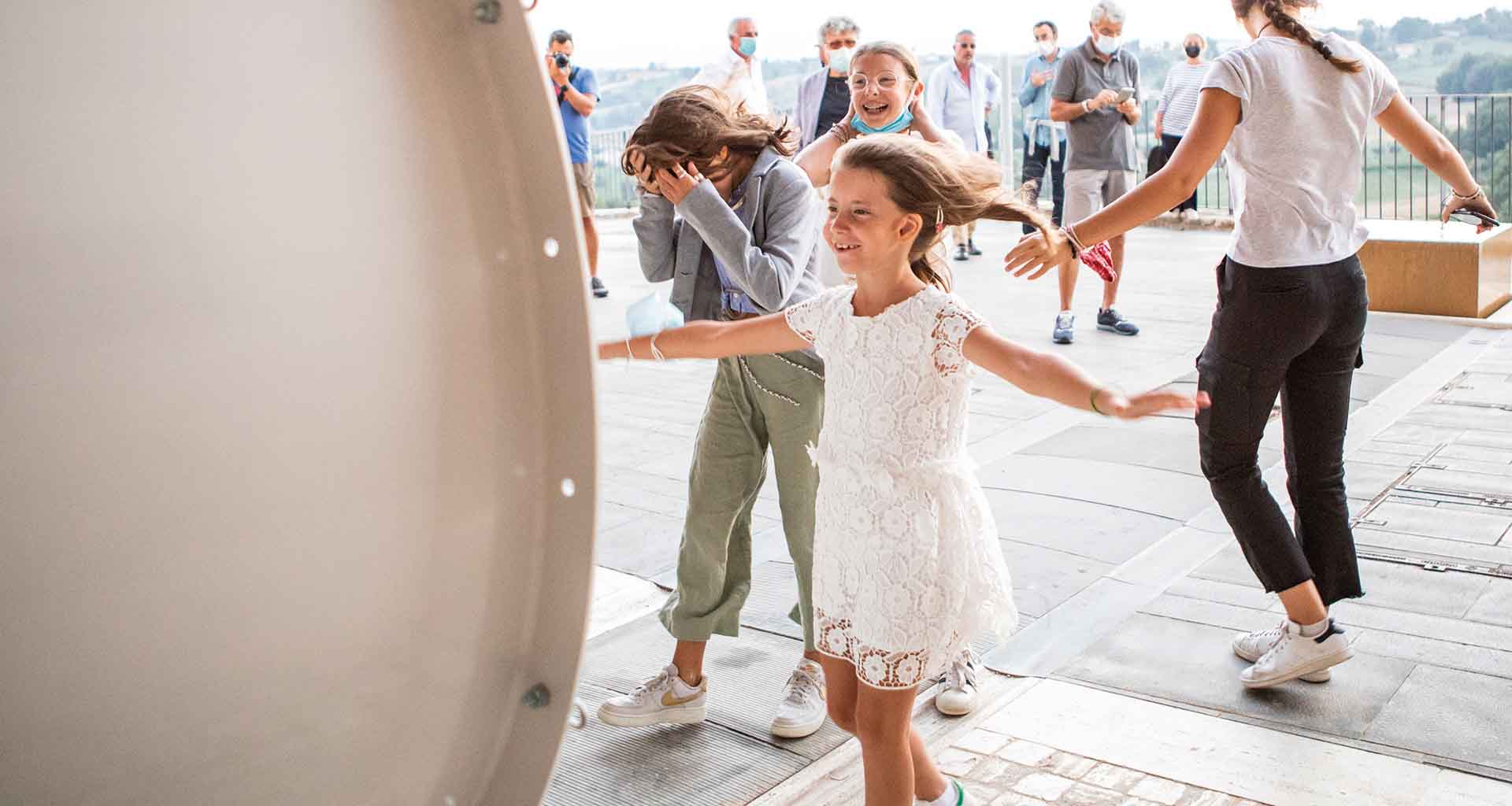
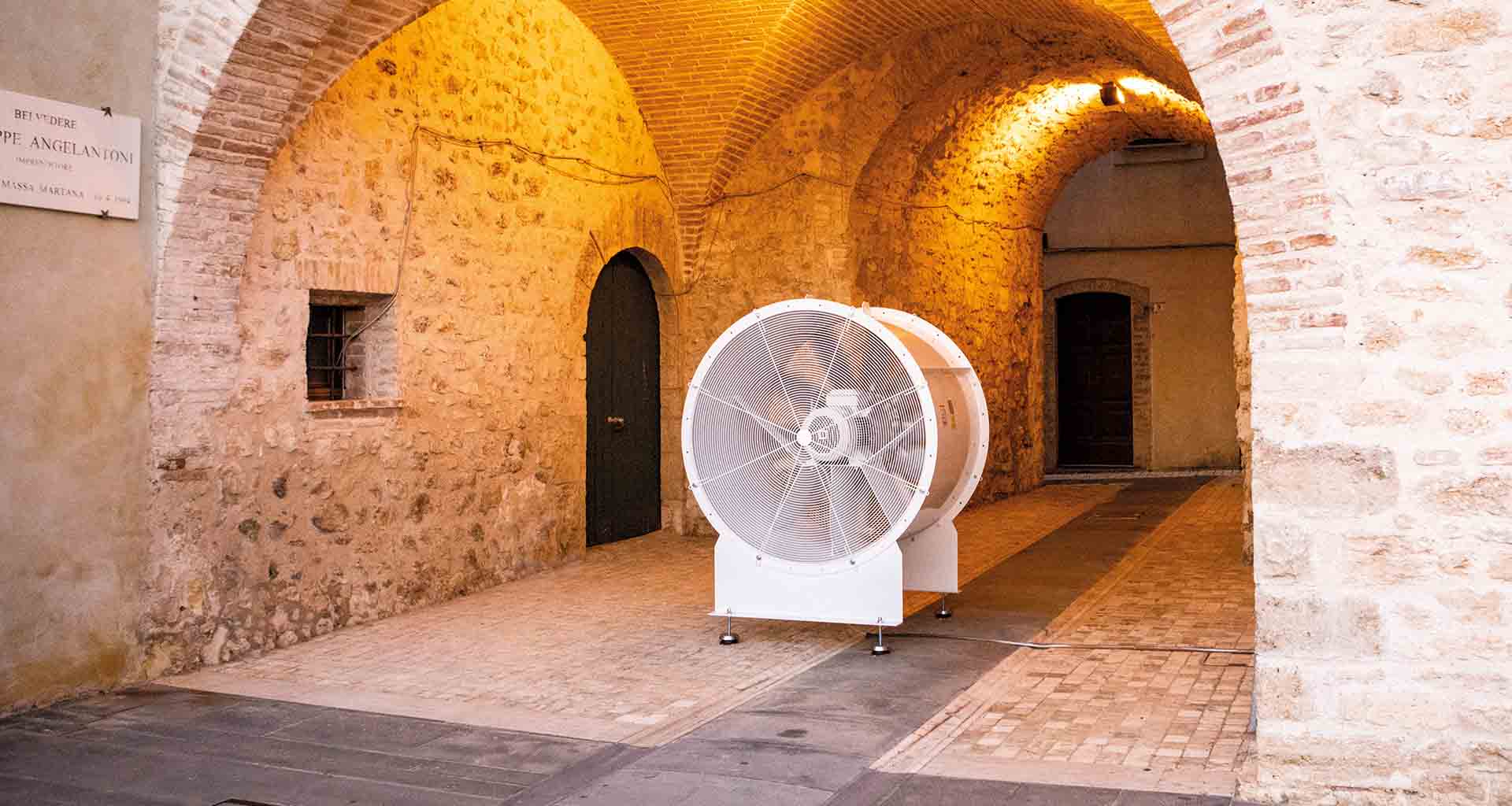
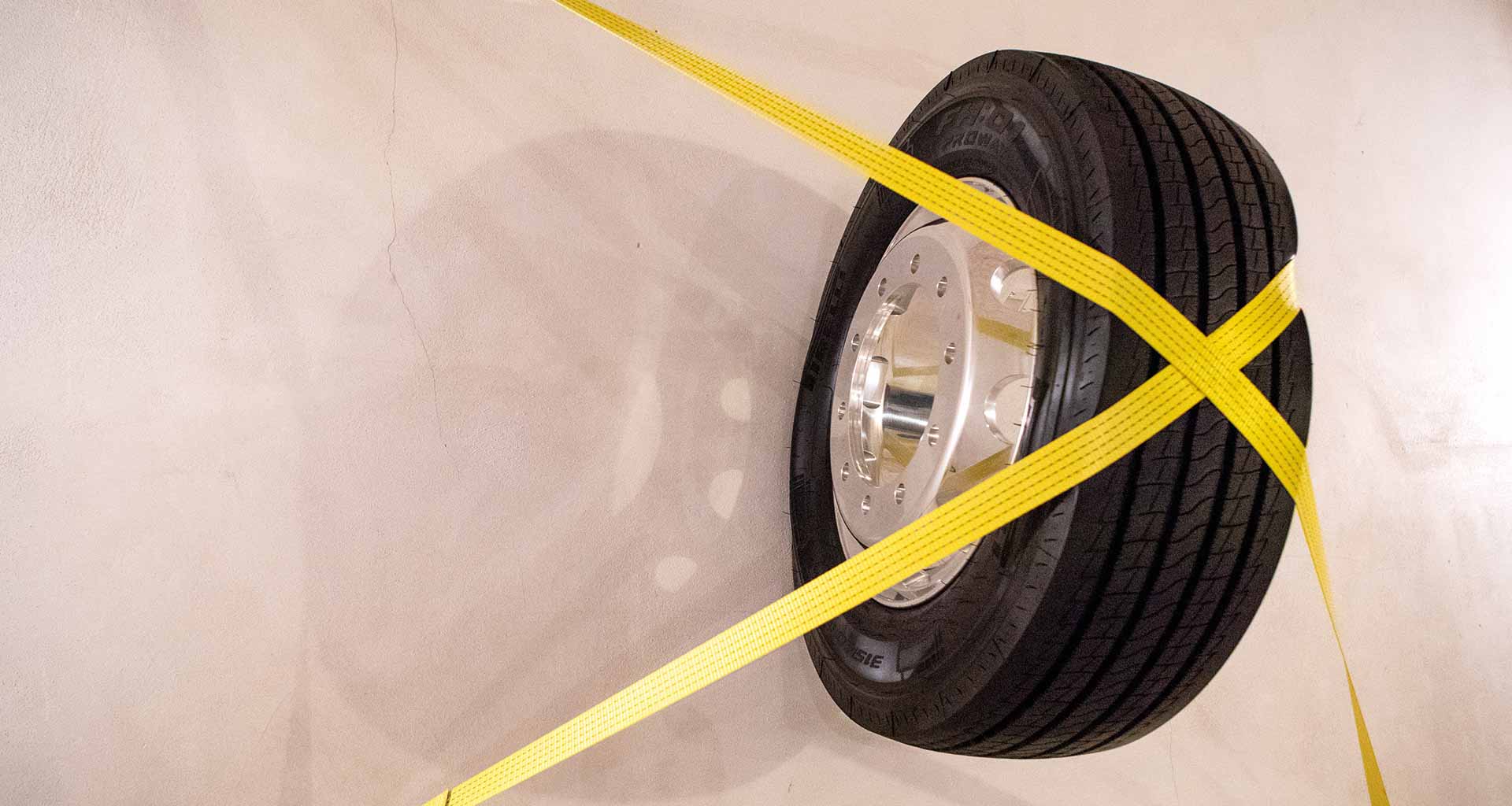
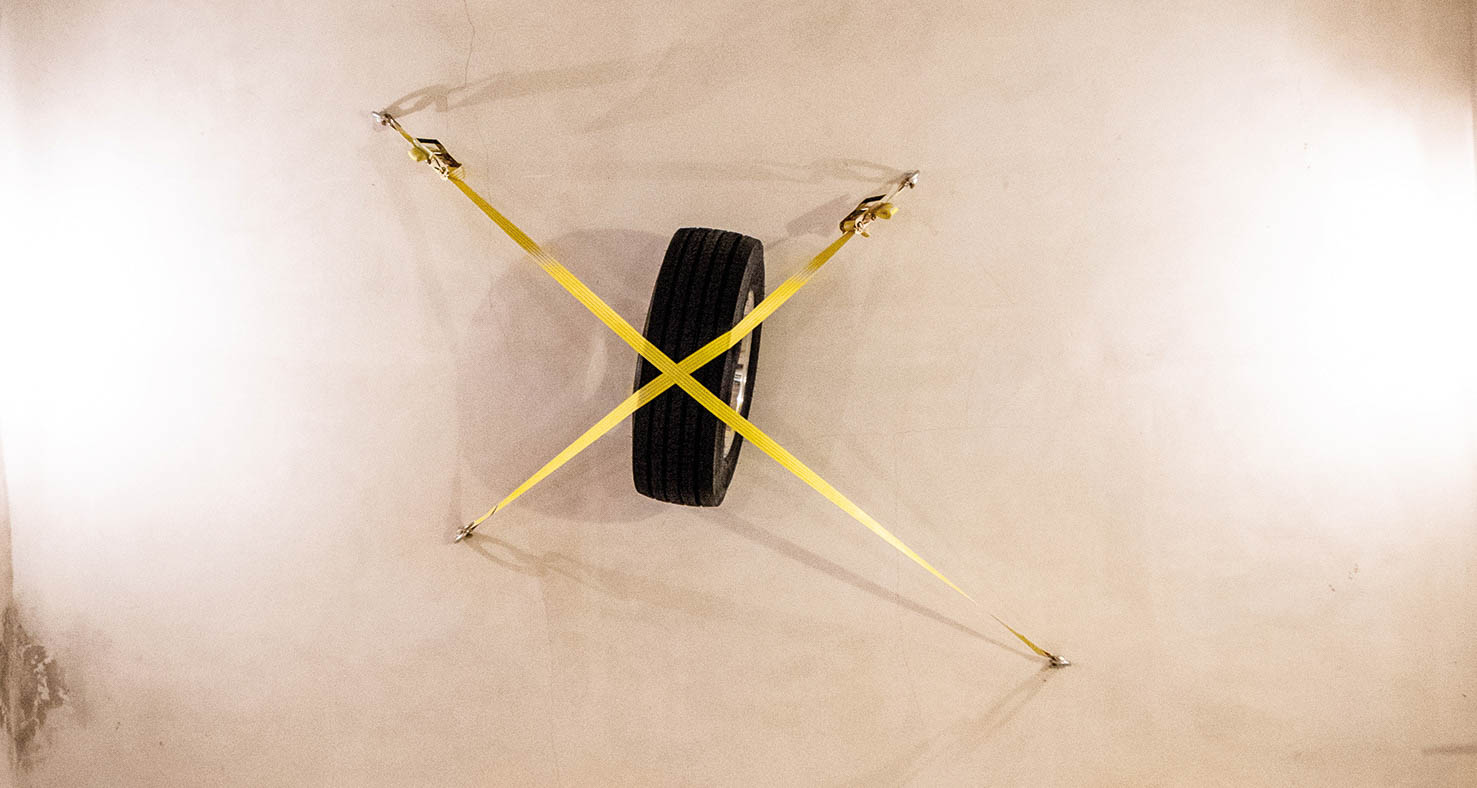
Arcangelo Sassolino, Forma invisibile, 2020, Massa Martana (PG), Umbria. Ph. Roberta Paolucci
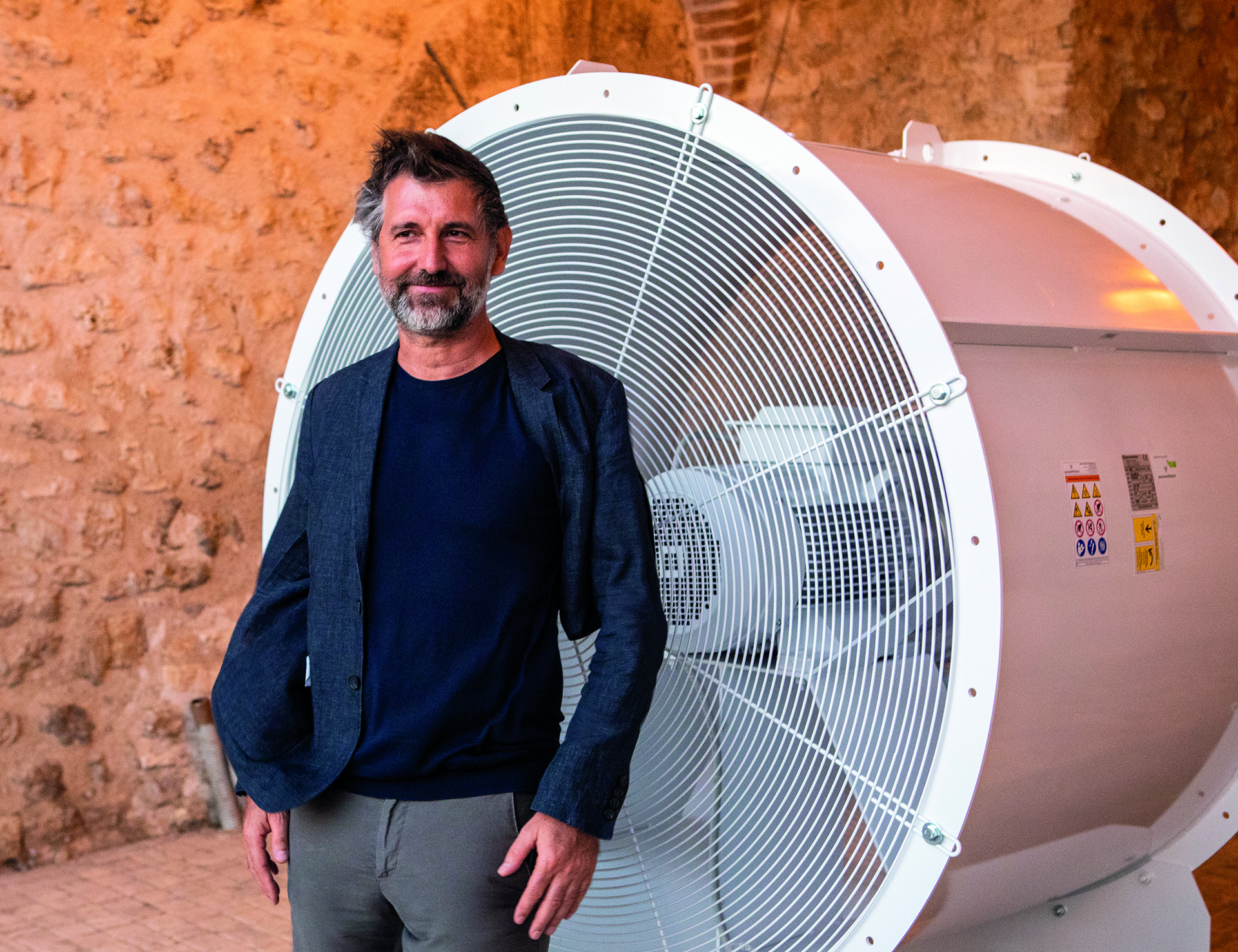
The sculputers and installations of Arcangelo Sassolino (Montecchio Maggiore, 1967) explore mechanical behaviors, materials, and the physical properties of force. Applying these properties to the natural world and behaviors, the artist explores the friction between industrial progress and environmental concerns. Tension, expectation, and risk awareness, along with powerful aesthetics, play a key role in viewers’ experiences.
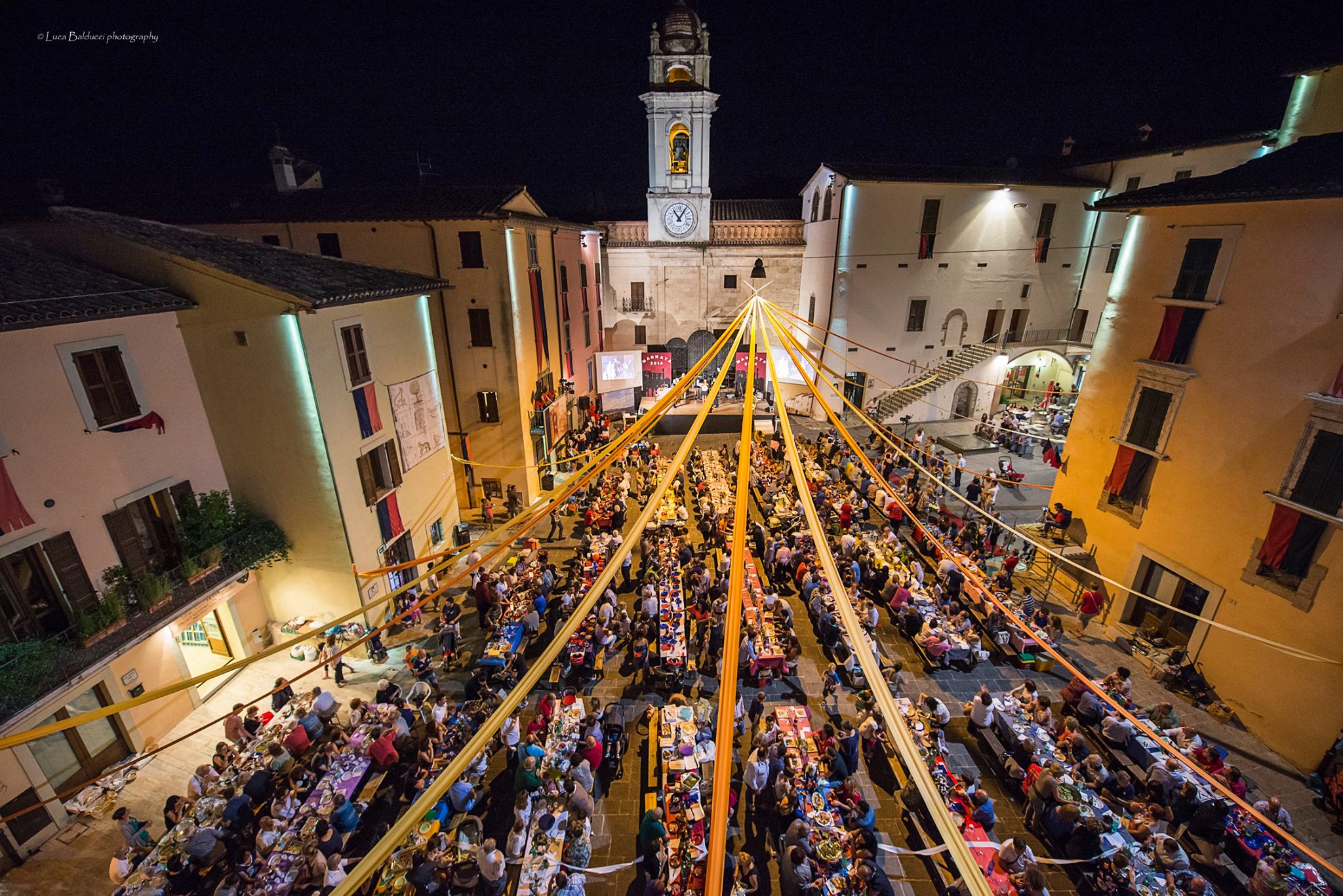
The medieval town of Massa Martana was brought back to its splendor after the earthquake of 1997 and the renovation and restorative efforts that followed. It is has the stunning Martani Mountains as its backdrop and forms part of notable associations and groups, including the Associazione Nazionale delle Città dell’Olio, and has been designated one of “I Borghi più belli d’Italia” (Italy’s most beautiful villages). Human presence on the land dates back to prehistory, as numerous discoveries atop the Monte Cerchio and Monte Schignano. The communal territory is rich in finds from the Roman epoch; indeed, it is assumed that what is today Massa Martana corresponds to the ancient Roman installation of Vicus ad Martis on the Via Flaminia toward Ponte Fonnaia, carried out in the first century in perfectly square travertine blocks. Close to the Ponte Fonnaia is a Christian catacomb, unique in Umbria, inside which nearly 300 loculi are found. Numerous churches are of historical and cultural interest: San Felice, Santa Maria in Pantano, dell‘Ascensione, San Pietro Sopra le Acque, Santa Illuminata, San Sebastiano, Santa Maria delle Grazie, Santa Maria della Pace, and the Abbeys of Santa Maria, Santi Fidenzio e Terenzio and San Faustino.