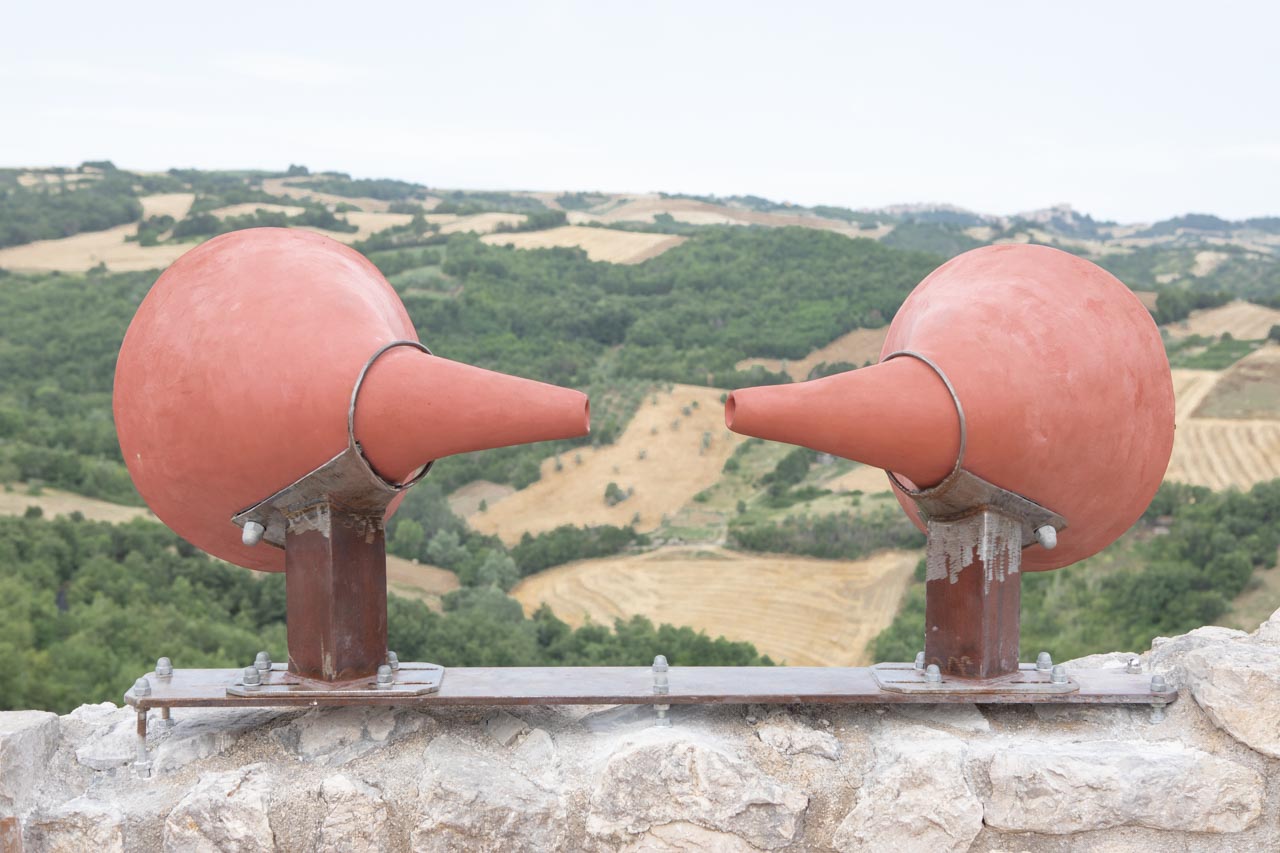
Tommaso Spazzini Villa
Il pomeriggio della vita
Negli spazi del castello torna a battere per tre mesi un cuore pulsante
e vivo, il battito dell’artista si irradia nello spazio ingombrante
nella sua immaterialità, una luce si accende e spegne scandita
dal suono del battito
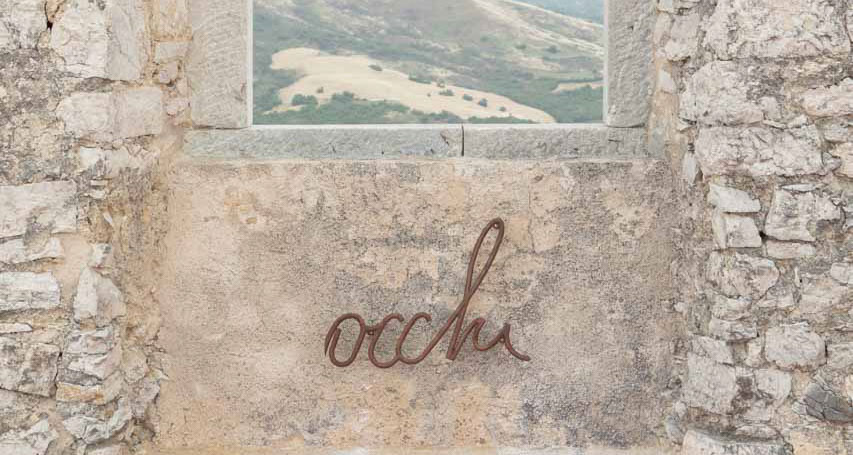
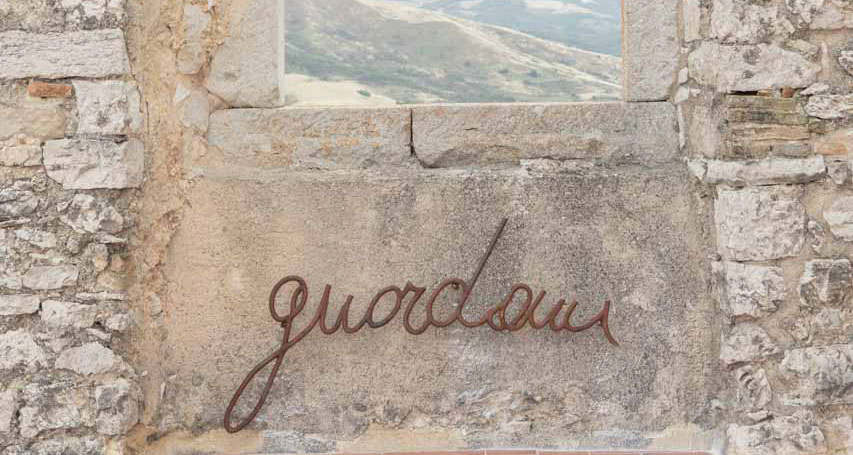
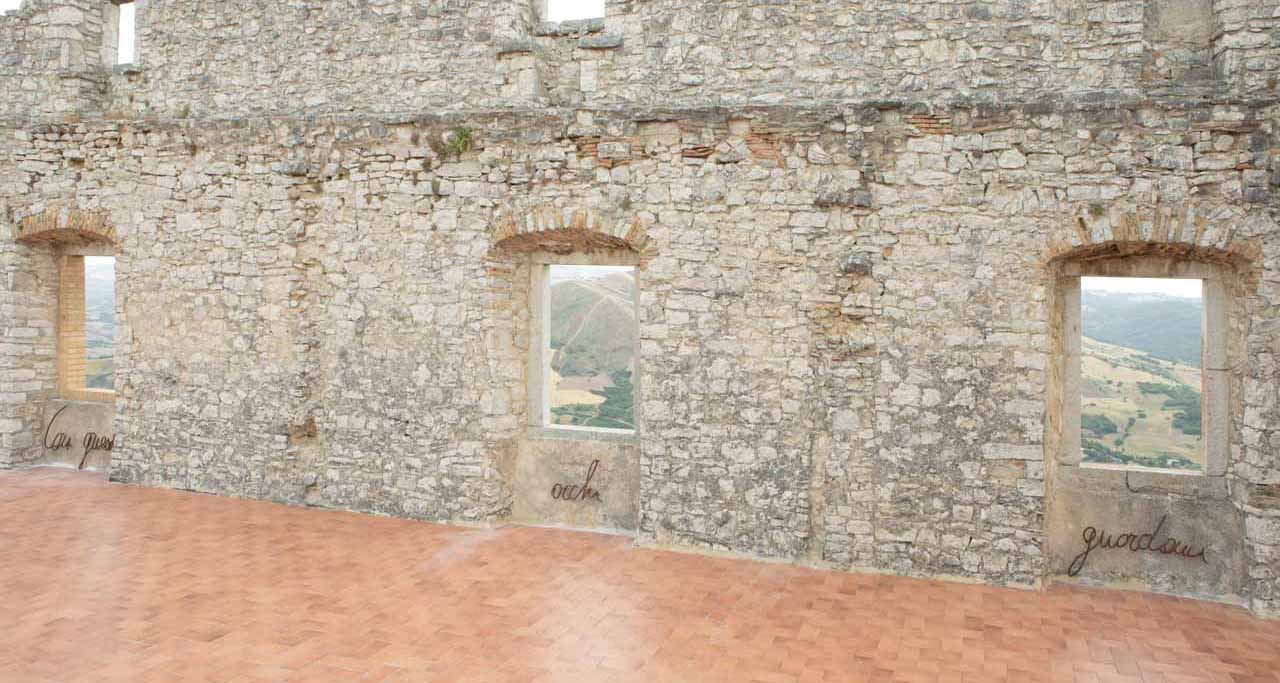
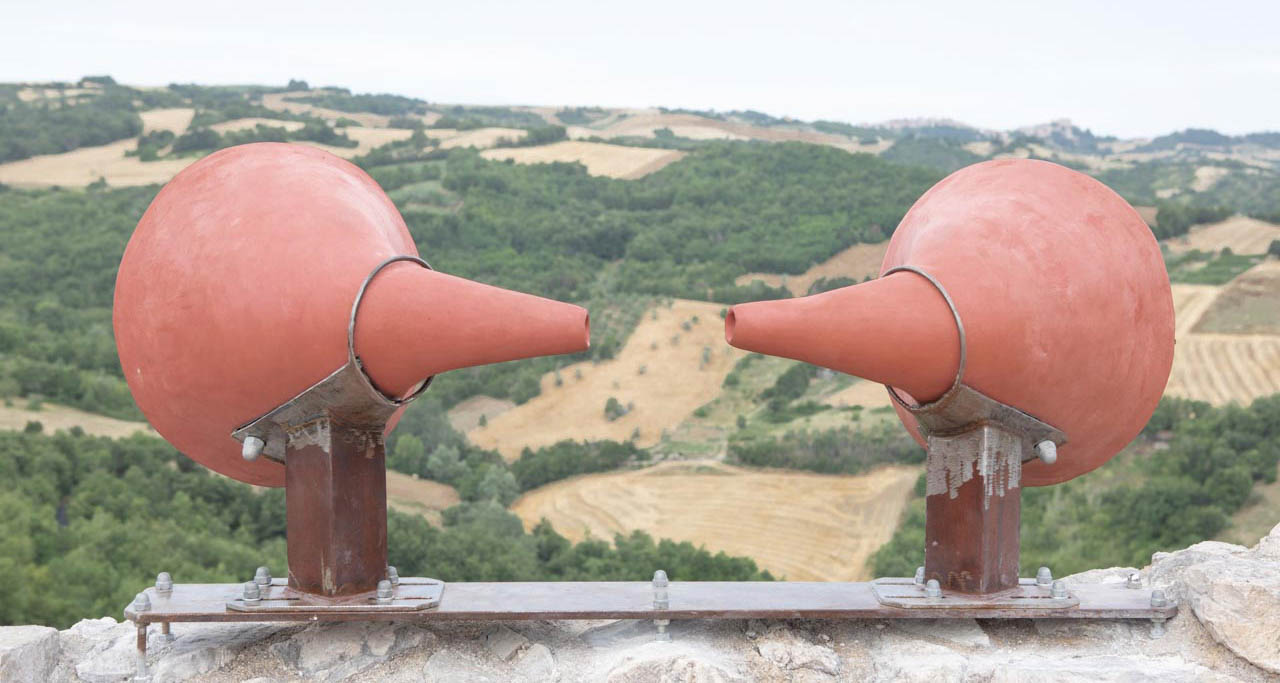
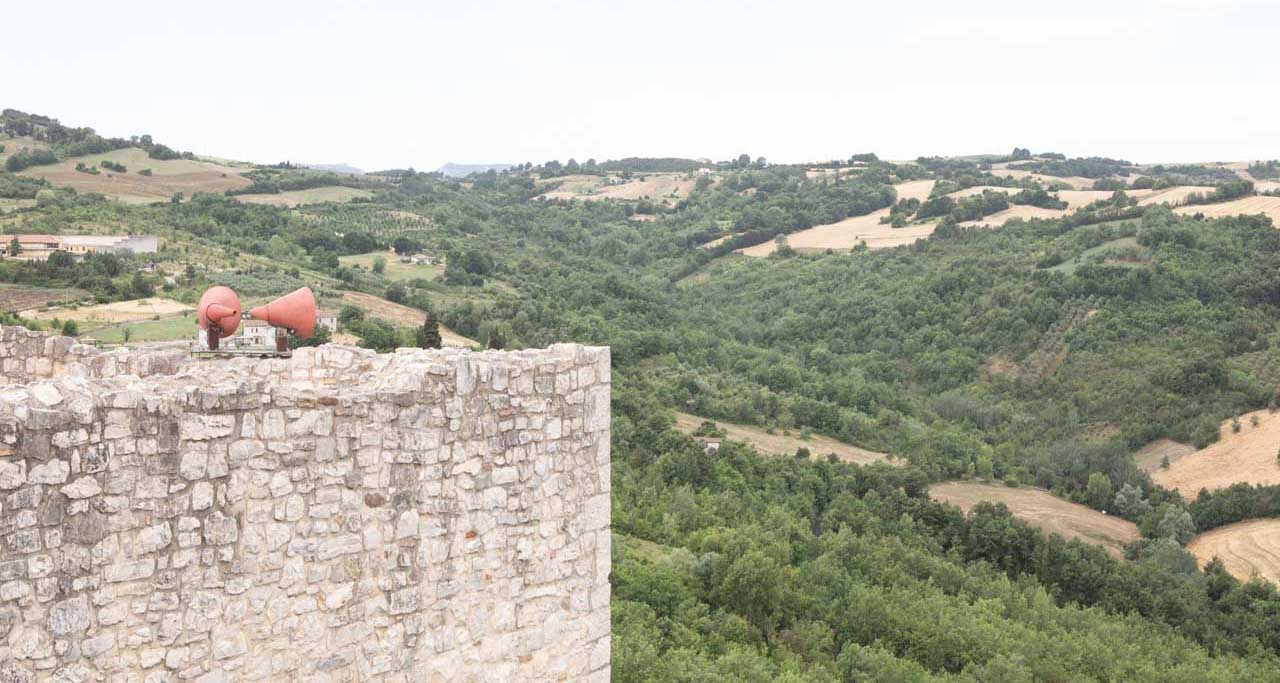
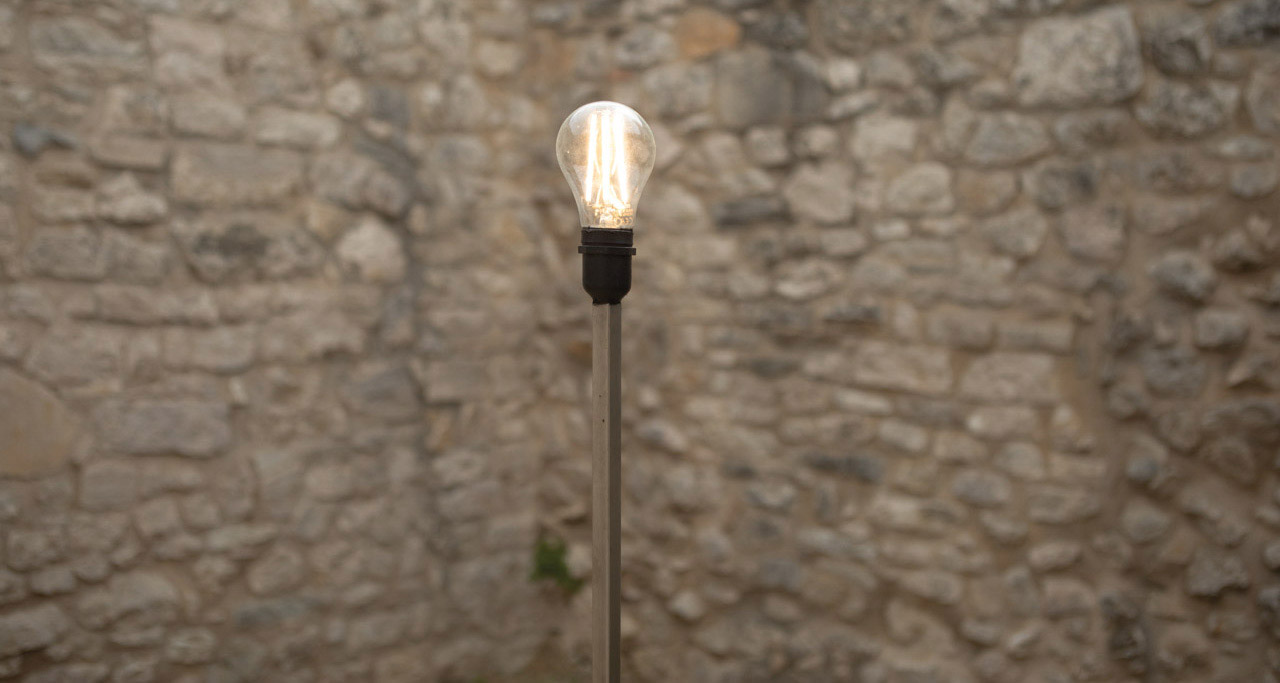
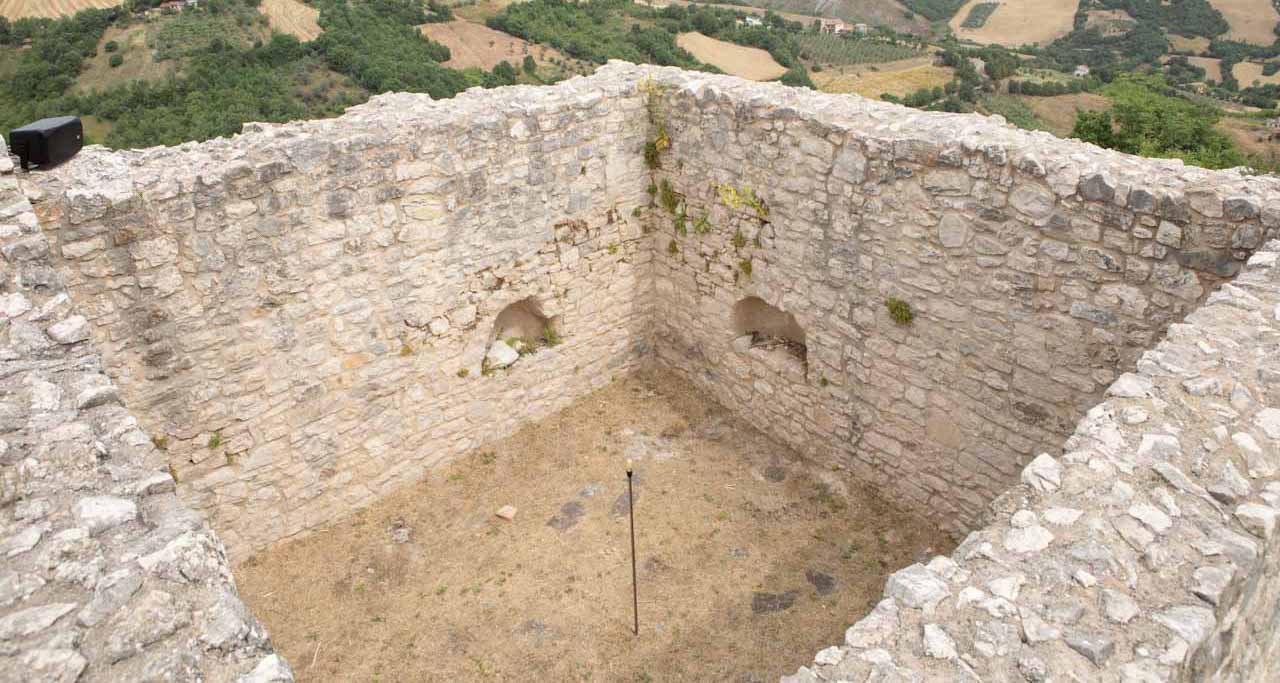
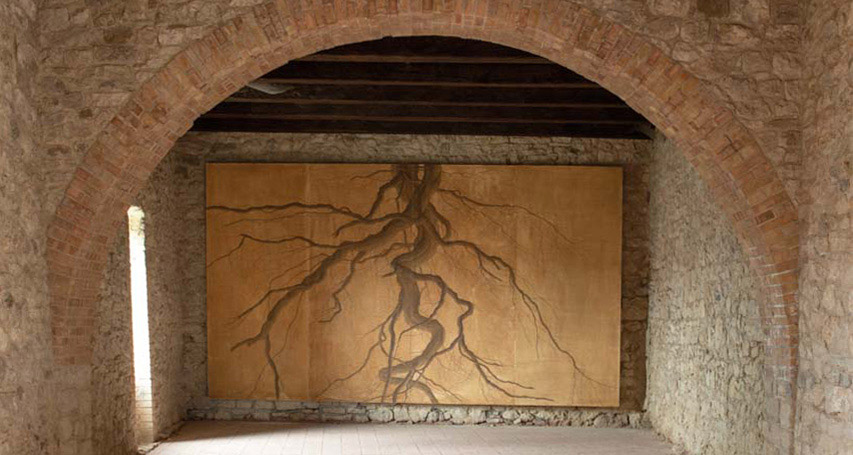
Tommaso Spazzini Villa, Il pomeriggio della vita, 2022, Castropignano (CB), Molise. Ph. Alessandro Pace
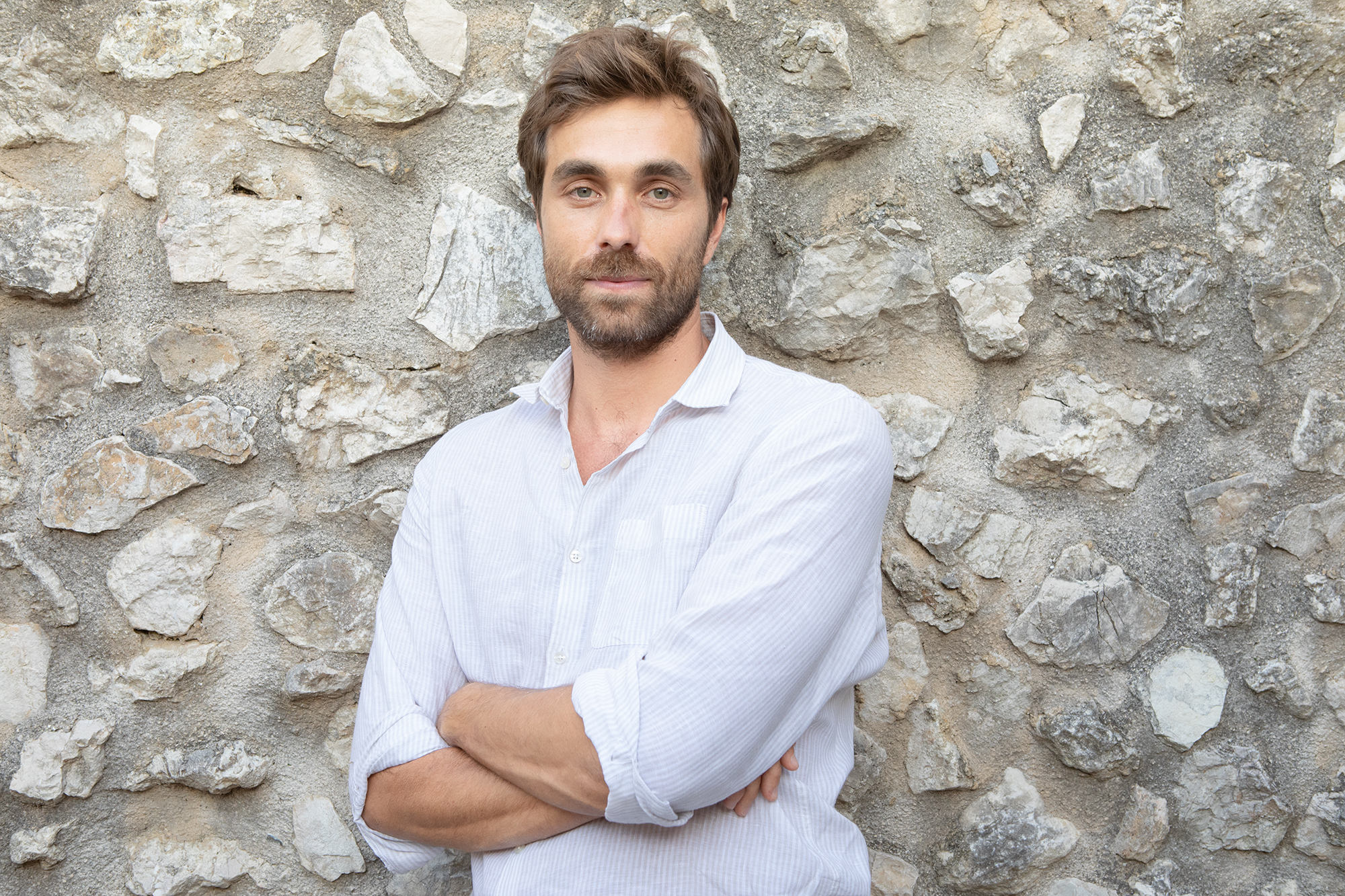
Tommaso Spazzini Villa (Milan, 1986) is a young Italian artist who lives and works in Rome. Before moving to Rome, he studied economics at Bocconi University in Milan and was awarded a BA in History of Art from La Sapienza University and a diploma from the Accademia di Belle Arti in Rome. During his studies at the Accademia, Spazzini Villa focused on the technique of drawing, the medium of some of his most important series to date, which include Radici (Roots) and Impronte (Imprints).
Still early in his career, Spazzini Villa has had solo shows at Volta Gallery (Basilea, 2017), Satchii Gallery (London, 2016) and ProjectB Gallery (Milan, 2016). Collective exhibitions include: Oro d’Italia (Rome and New York, 2019), Yia Art Fair (Paris, 2015), START (Satchii Gallery, London, 2015) and Istanbul Contemporary (Istanbul, 2014).
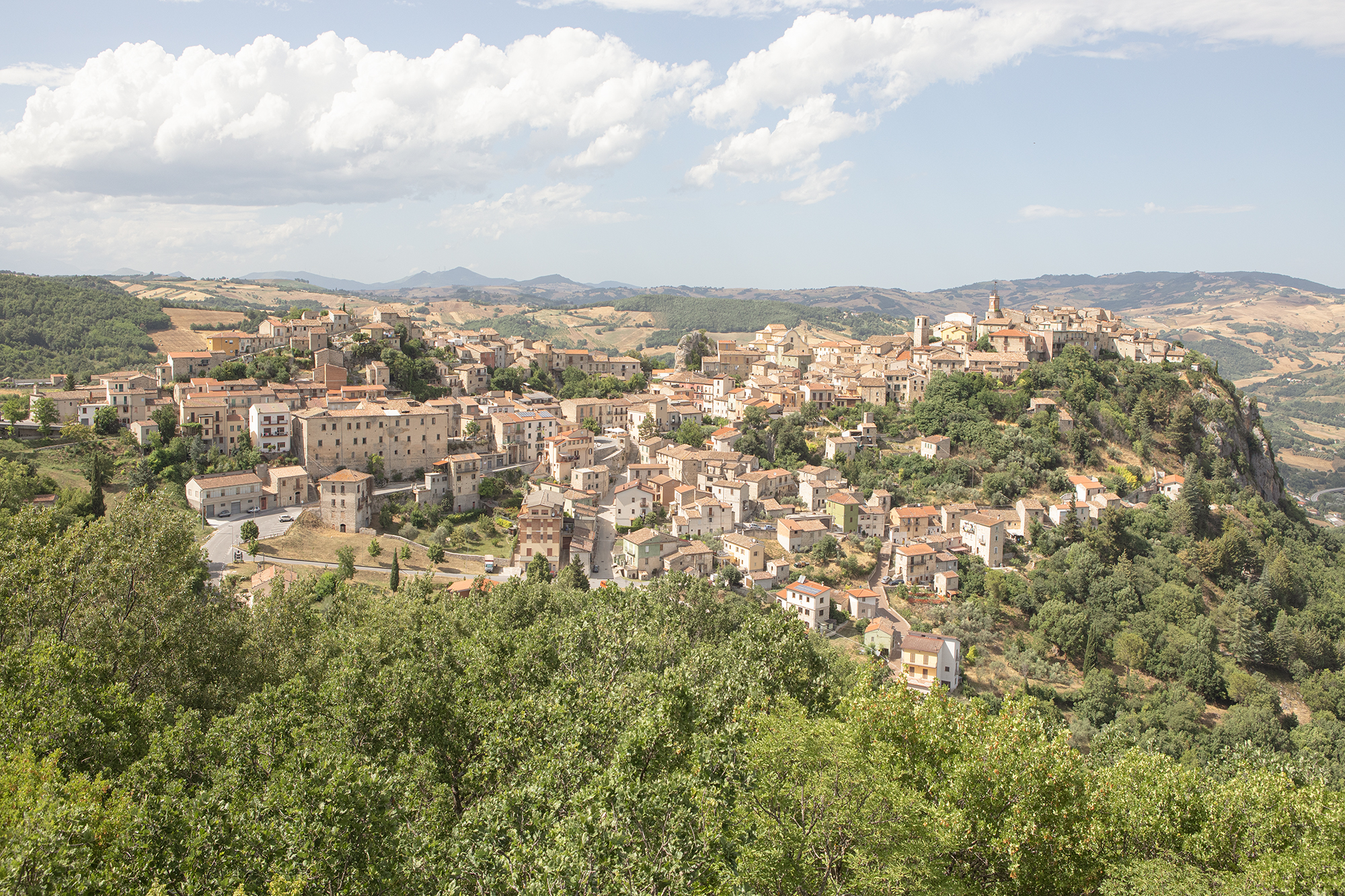
Castropignano is a picturesque medieval village of about 1,000 inhabitants in the province of Campobasso, perched on a rocky ridge, at 612 meters above sea level, from which it looks over the valley of the Biferno river. The origins of the town go back many centuries: the remains of stone walls date from the 4th century BC and confirm the presence on site of a Samnite fortress. The ruins of two villas found downstream of the town are, however, testimony to the subsequent Roman invasion.
3 km from the town is the hamlet of Roccaspromonte, a spectacular village perched on a panoramic rocky ridge. It was here that in 1777 a terracotta statue of Athena dating from the 5th century BC was found, now on display in the Kunsthistorisches Museum in Vienna.
In Castropignano it is possible to visit the fourteenth-century church of Santa Maria della Pietà with a beautiful contemporary portal and the Sanctuary of the Madonna del Peschio, a beautiful open-air church, whose dome is the sky and the walls are the oak trees of the nearby forest. The historic centre has the characteristics of the medieval village: through a maze of alleys that climb towards the top of the hill, you will find the bell tower and the remnants of the baronial clock tower.