Giulia Mangoni
Il Salmerino Viandante
Attraverso il posizionamento di oggetti che uniscono la pratica artistica della singola persona e la pratica del gruppo artigiano, si spera di avvicinare concettualmente un pensiero che unisce le risorse fisiche, biologiche e antropiche del posto per una valorizzazione del territorio che sia etica e stimolante, sia per il visitatore esterno che per gli abitanti del luogo, lavorando con questi per creare momenti di auto-rappresentazione e di riflessione sociale nello spazio abitato
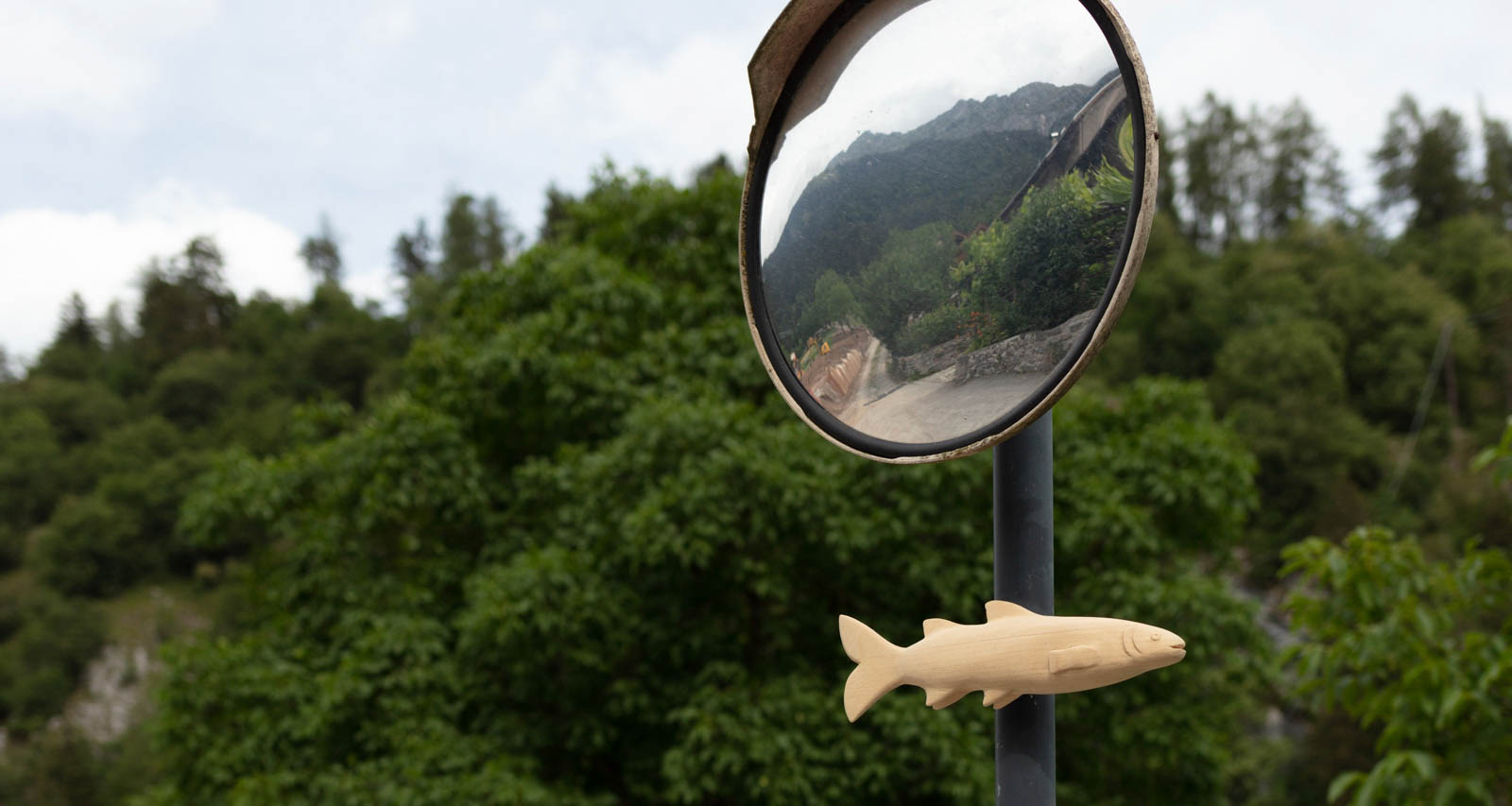
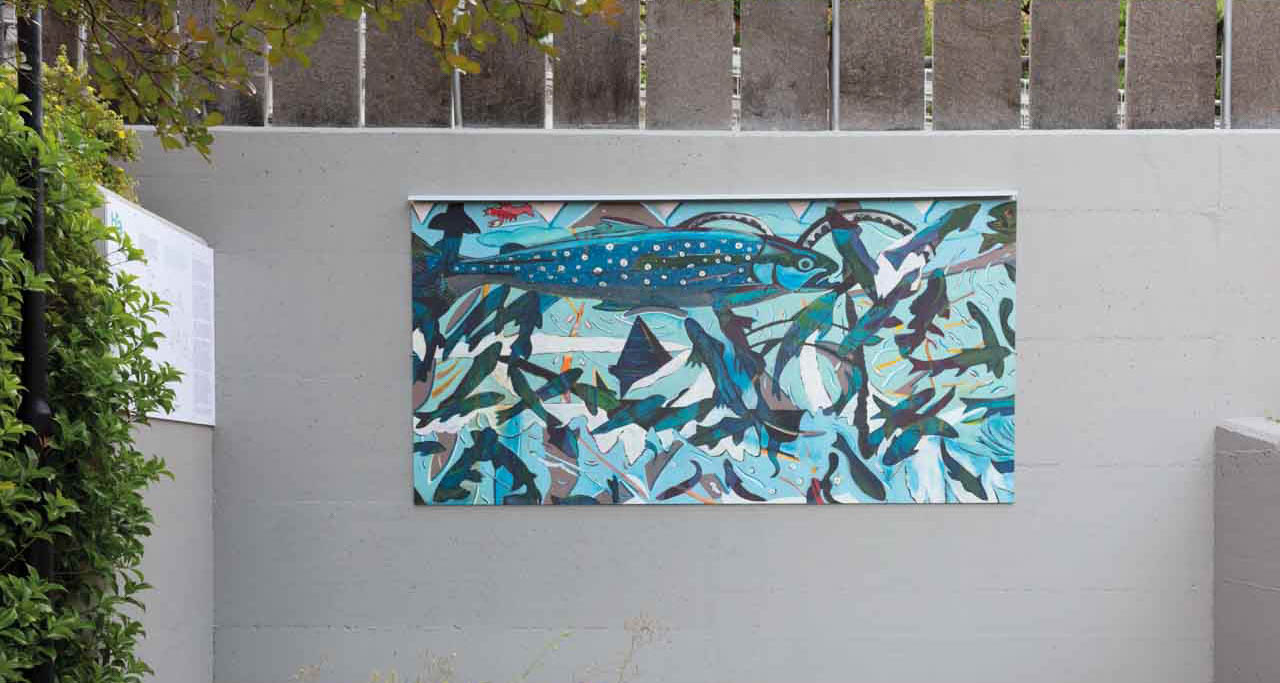
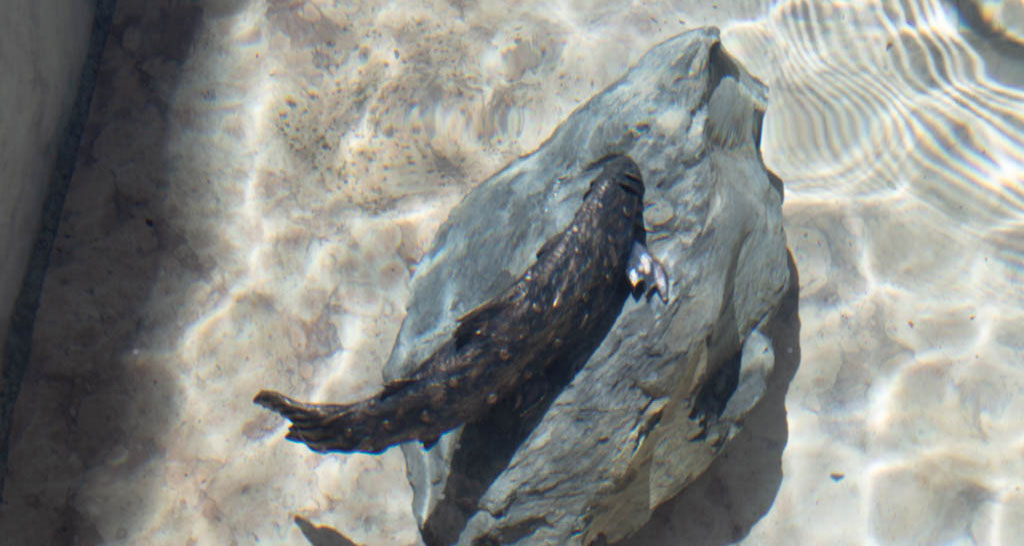
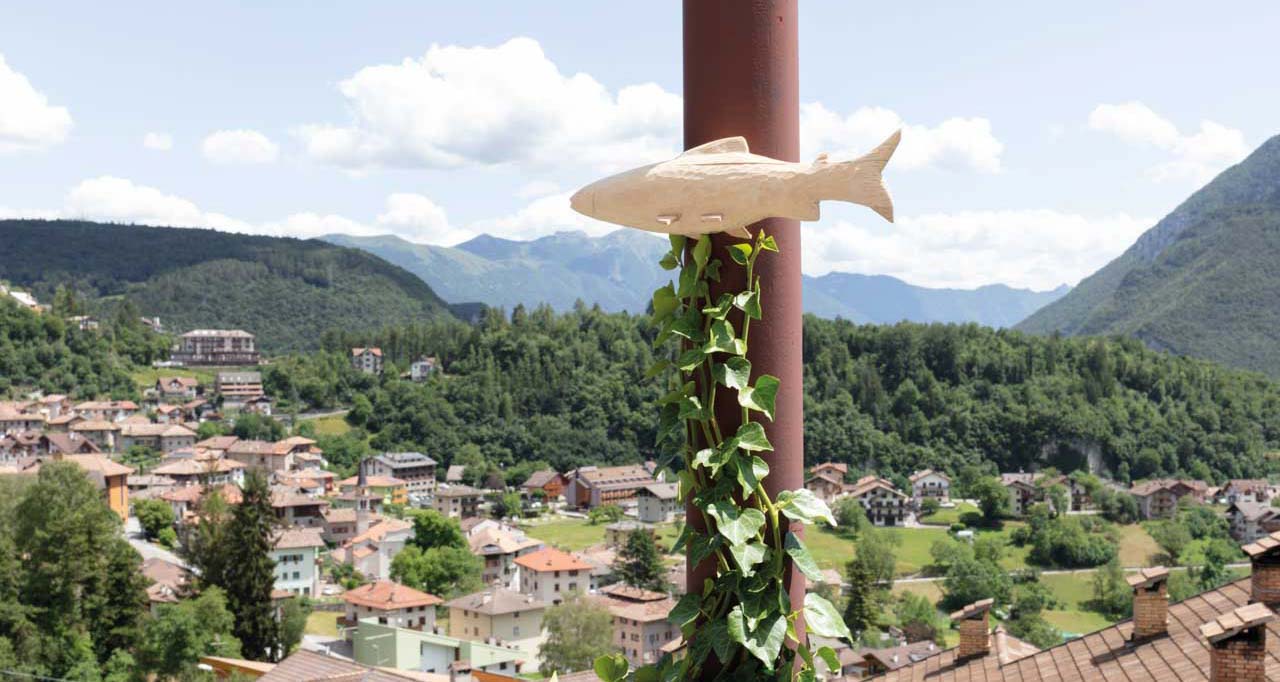
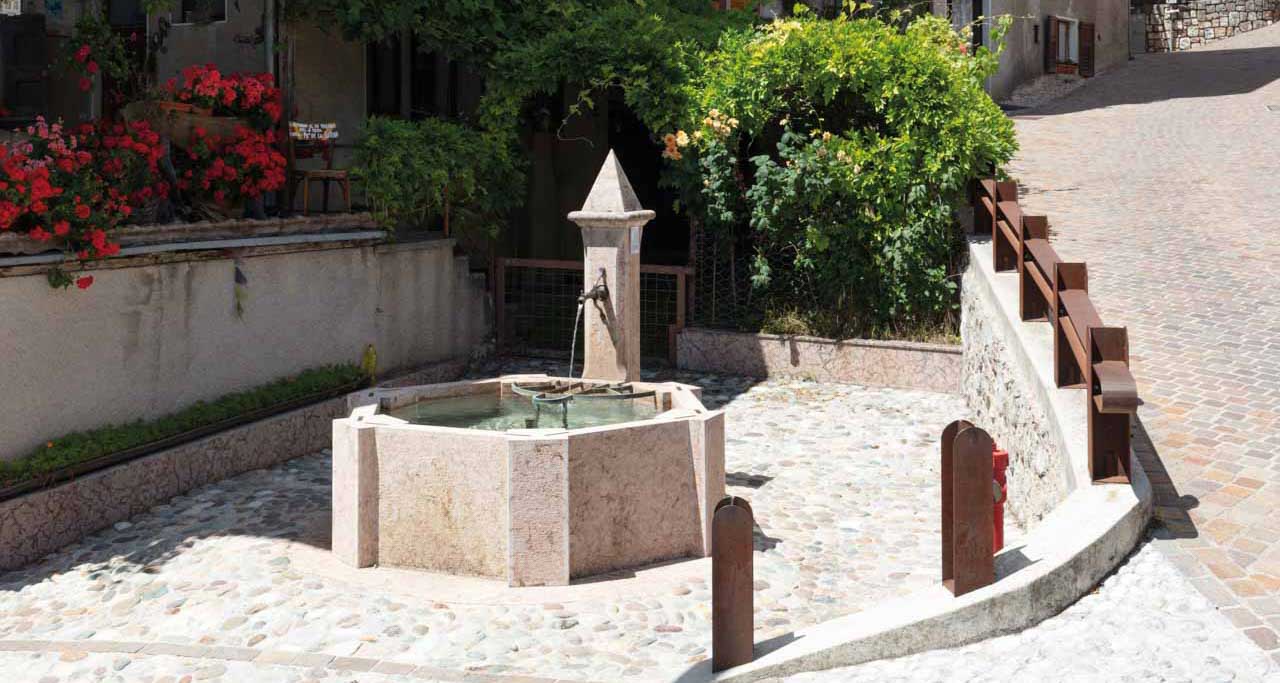
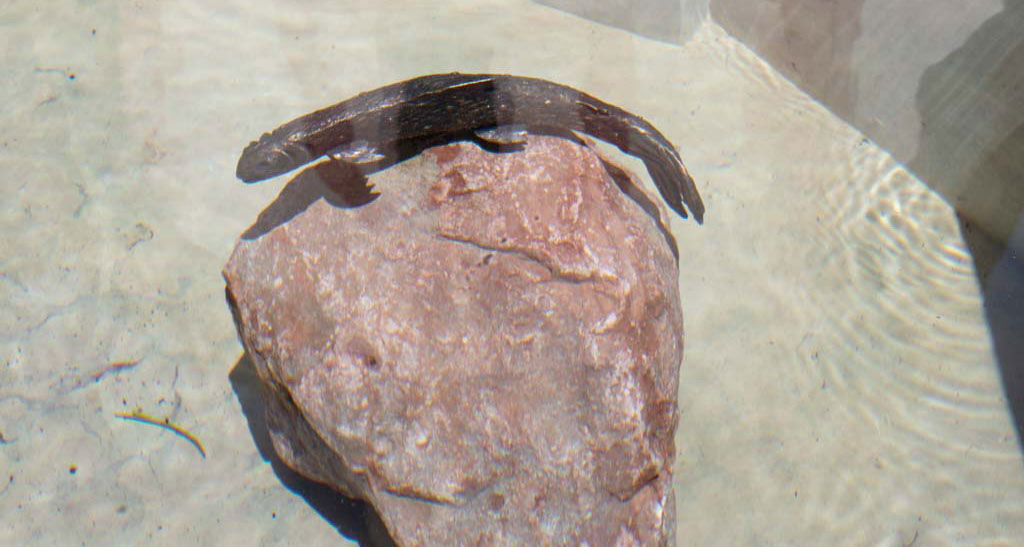
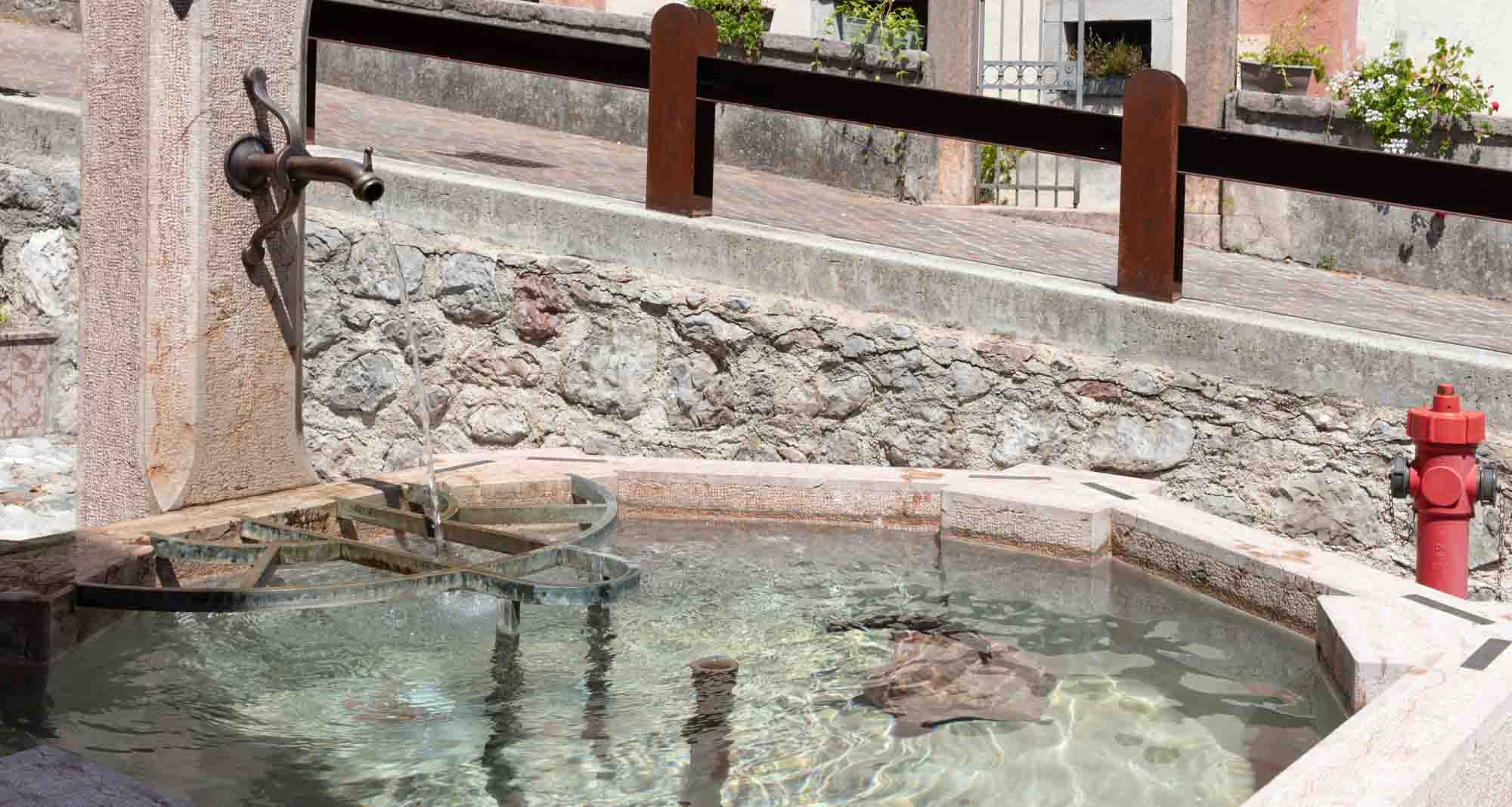
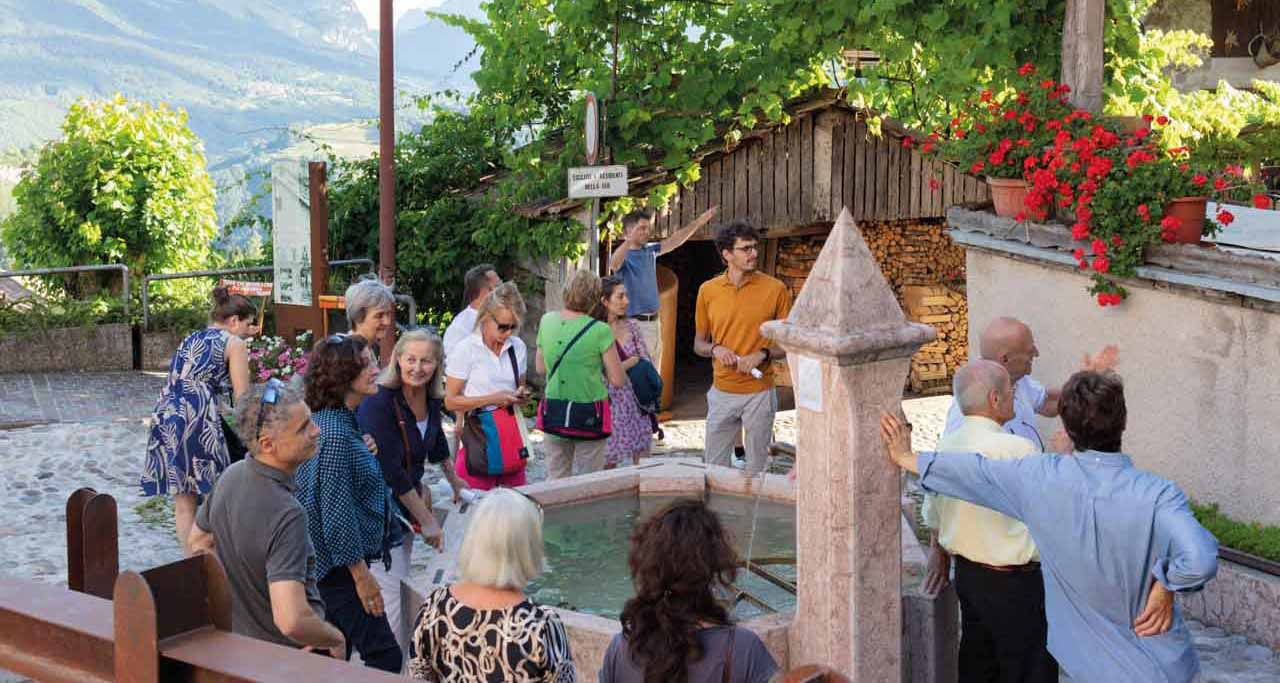
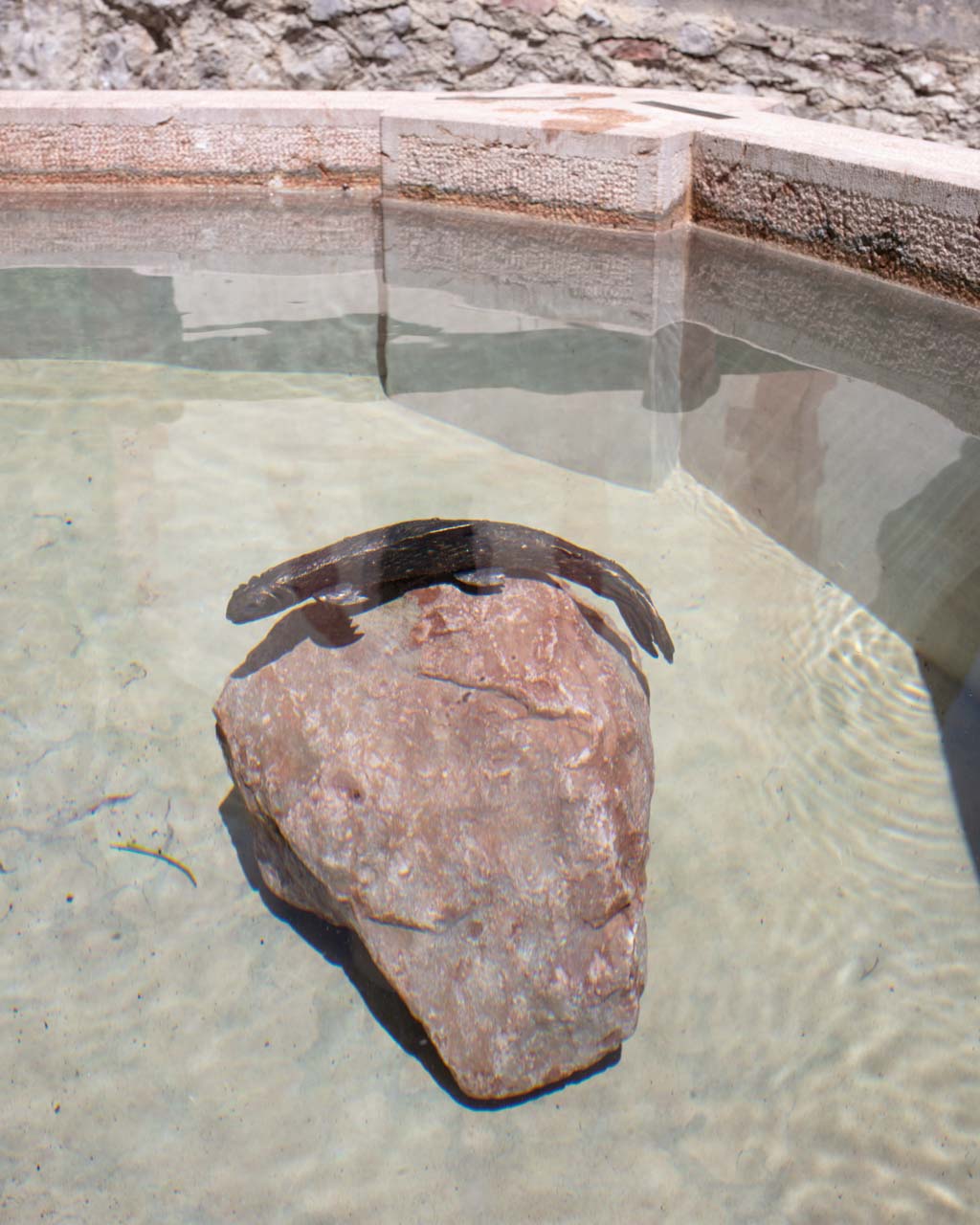
Giulia Mangoni, Il Salmerino Viandante, 2022, San Lorenzo Dorsino (TN), Trentino-Alto Adige. Ph. Marta Tonelli
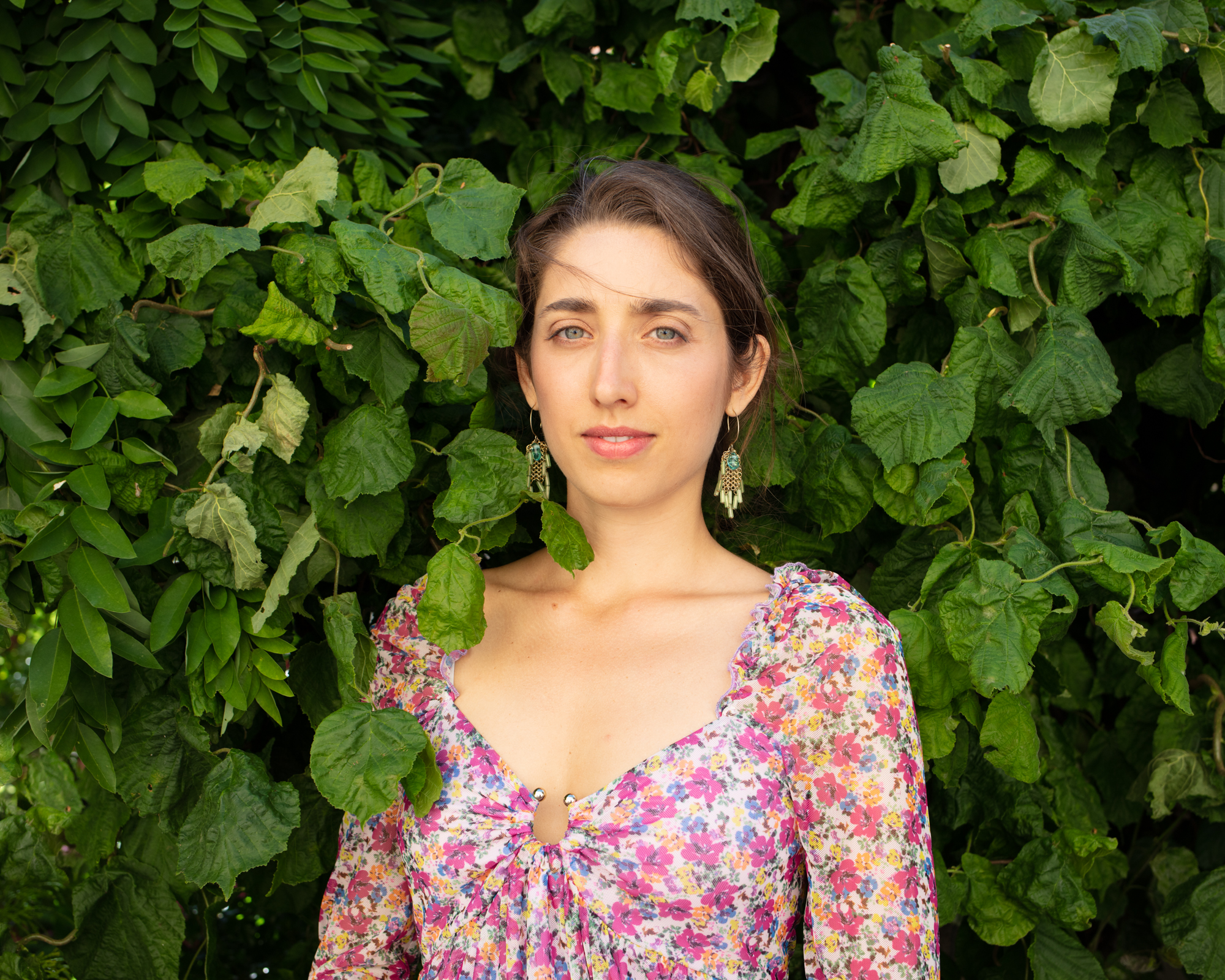
Giulia Mangoni (Isola del Liri, 1991) is an Italian-Brazilian artist whose practice revolves around the ethics of return; she is interested in creating orchestrated interventions through the lens of painting in order to deconstruct notions of memory and identity linked to specific geographies and decentralised communities. Her work develops through visual methods of personal narration, often the result of a dialogue with several voices, whose influences, relationships and different contributions trigger a mechanism similar to the wireless telephone, capable of giving life to works that are open and in continuous evolution. Born in 1991 in Isola del Liri (FR), Mangoni grew up between Italy and Brazil and has now returned to live and work in her hometown. Mangoni has a Foundation Degree in Art & Design from Falmouth University of the Arts (2011), a Bachelor of Painting (Hons) from City & Guilds of London Art School (2014), where she was also a winner of both the Skinner Connard’s Travel Award Prize and the Chadwick Healey Prize for painting, and an MFA from the SVA Art Practice program in New York City, (2019).
In recent years, Mangoni has participated in national and international exhibitions, including: Bits & Cream. Metabolizzazione d’Archivio, personal exhibition at ArtNoble gallery, Milan; From the Island of Liri, solo show curated by Juliana Leandra at Dreambox Lab, New York; Ladder to The Moon at Monitor Gallery, Rome; VIVERE DI PAESAGGIO, curated by Mirta di Argenzio at APALAZZO gallery, Brescia; Zeitgeber (donatore di tempo) at ArtNoble gallery, Milan; The New Abnormal, Straperetana curated by Saverio Verini. Furthermore, in 2020 Mangoni participated in the scholarship program at CASTRO Projects in Rome, winning the Scovaventi Italian Fellowship scholarship. Currently, in addition to many travelling projects and exhibitions, Mangoni continues to deepen her research by communicating with artisans, agronomists and breeders of native species in the Ciociaro area.
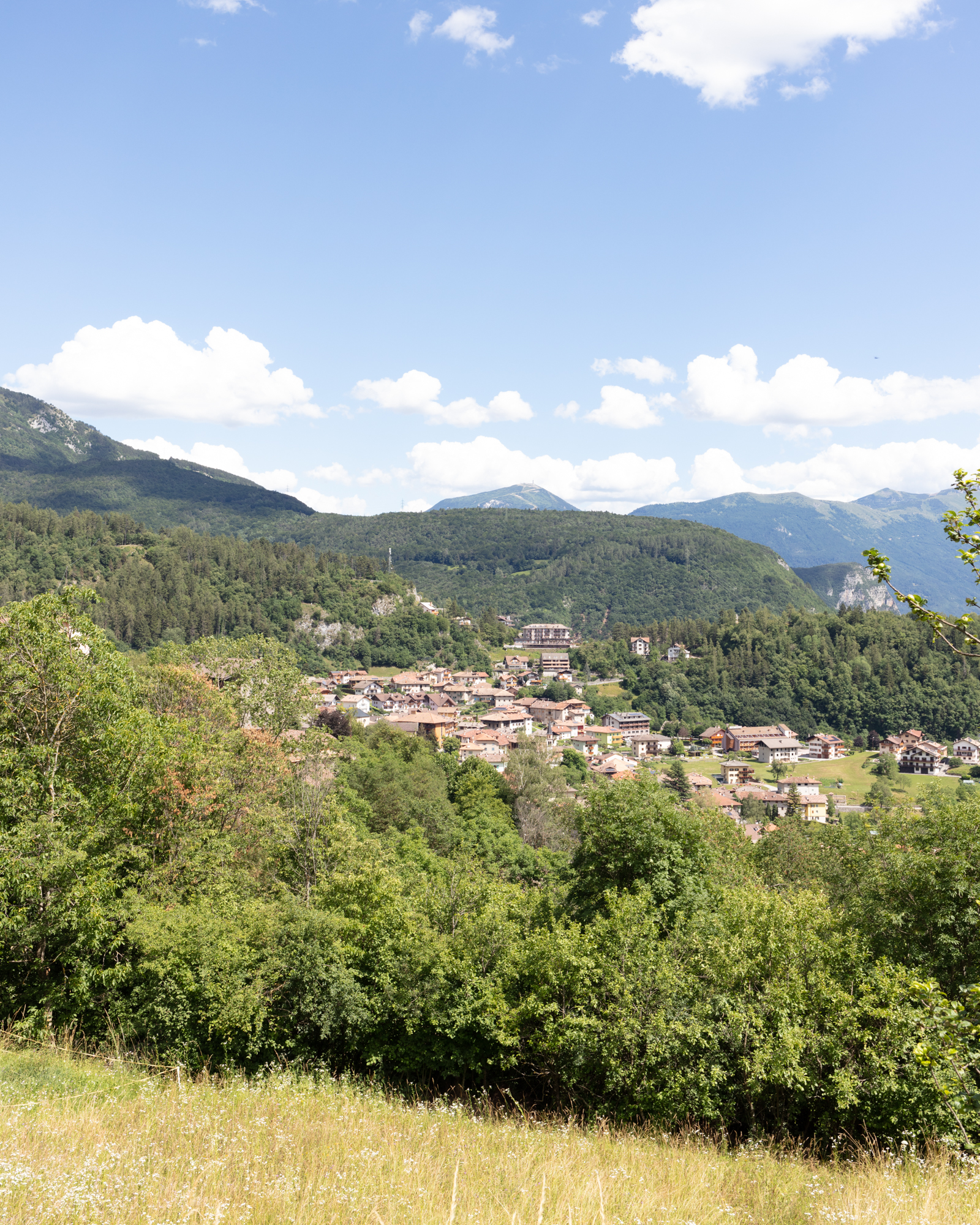
San Lorenzo Dorsino is an Italian town of about 1500 inhabitants in the province of Trento. This town came about through the merging of two different places: San Lorenzo in Banale and Dorsino, which is immersed in the greenery of the Adamello Brenta Natural Park. The past is palpable here: old peasant houses lean against each other, connected by arcades, hallways and internal courtyards. You will also find small churches coloured by Baschenis’ frescoes, (a famous 14th – 16th Century fresco painting family, from Northern Italy). A tranquil and authentic mountain village where life moves slowly, in step with nature. The natural landscape of the Val d’Ambiez, the gateway to the Brenta Dolomites, is particularly wild. This valley, which has been part the history of mountaineering, begins narrow and nestled between rocky walls before suddenly opening up onto the famous pastures and peaks of the Dolomites, now a UNESCO World Heritage Site. You can take part in a variety of outdoor activities here such as: excursions on foot or by bike, climbing the Falesia Dimentica, and fishing in the emerald waters of Lake Nembia which although smaller than nearby Lake Molveno is a WWF nature reserve. A famous local product is the ciuìga, a sausage made with white turnips produced exclusively in San Lorenzo in Banale.