Simone Bacco
Maratona
La maratona è un evento dal fascino dirompente, capace ancora oggi di attivare e paralizzare intere città coinvolgendo corridori, residenti e visitatori in una dimensione circolare e temporanea in cui coesione sociale e competizione agonistica convivono
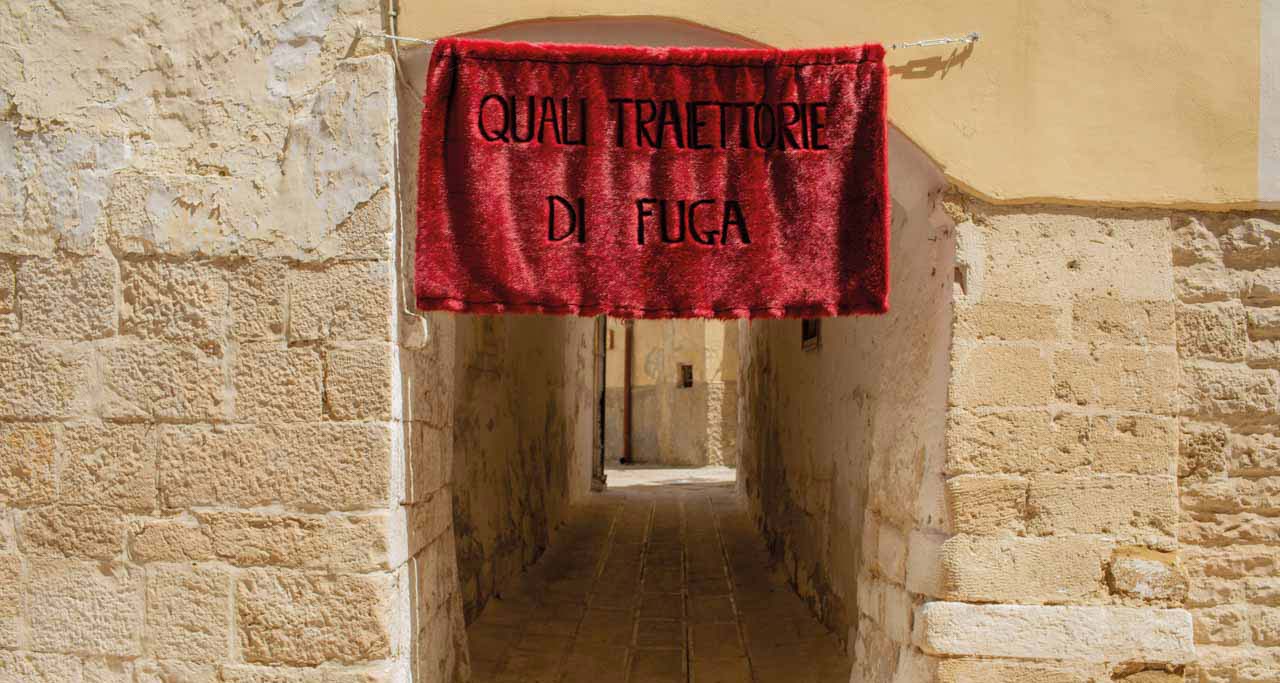
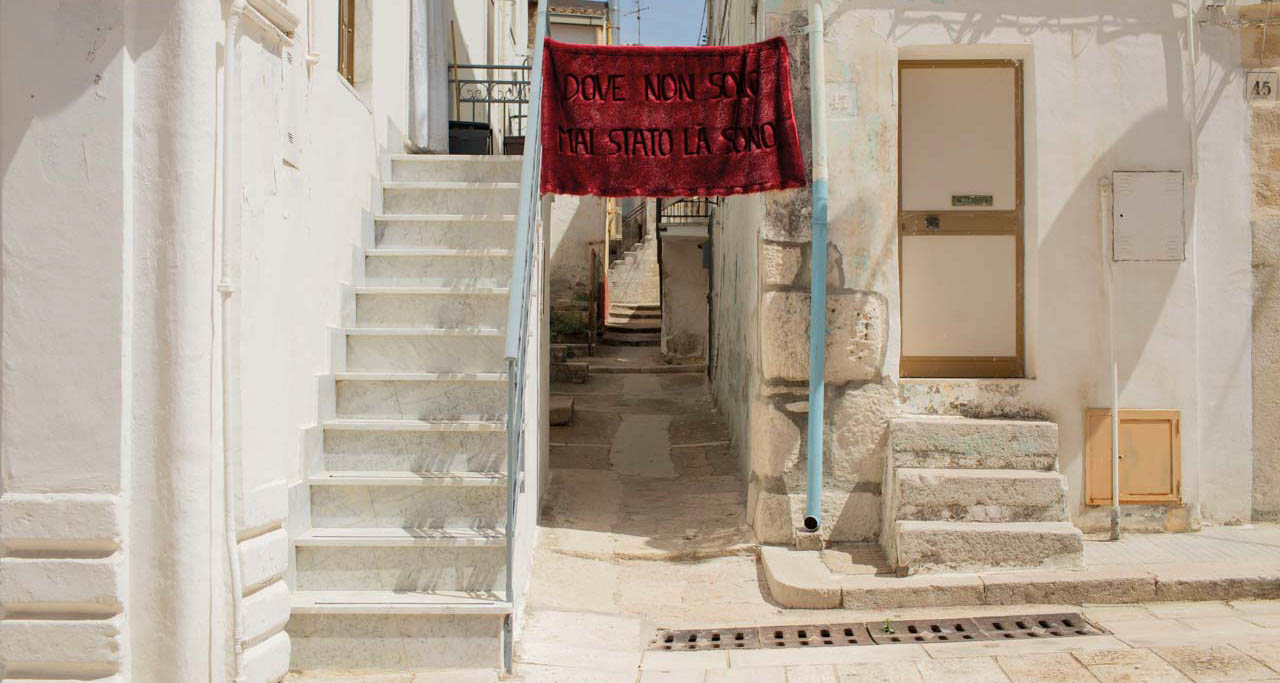
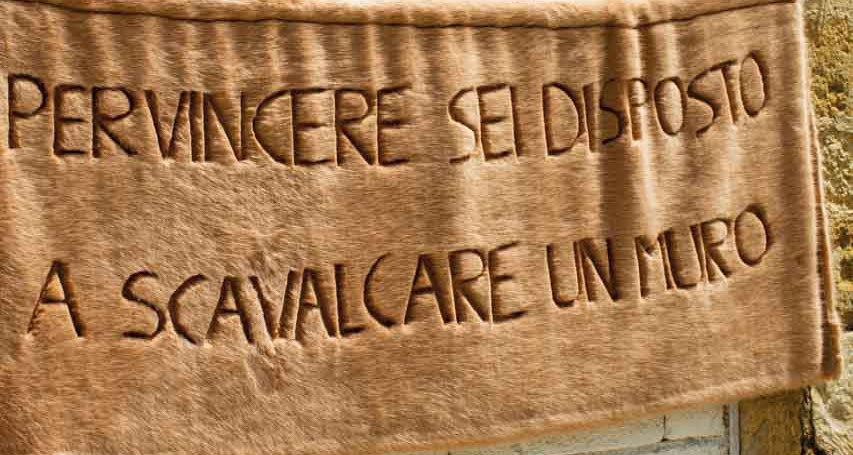
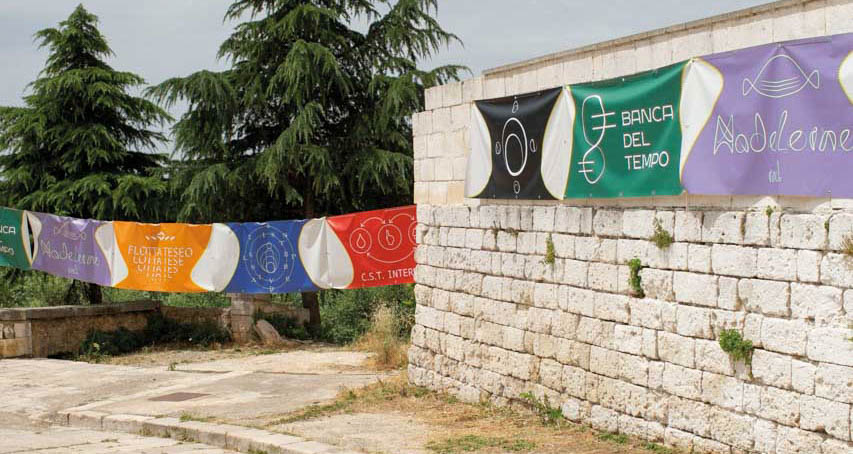
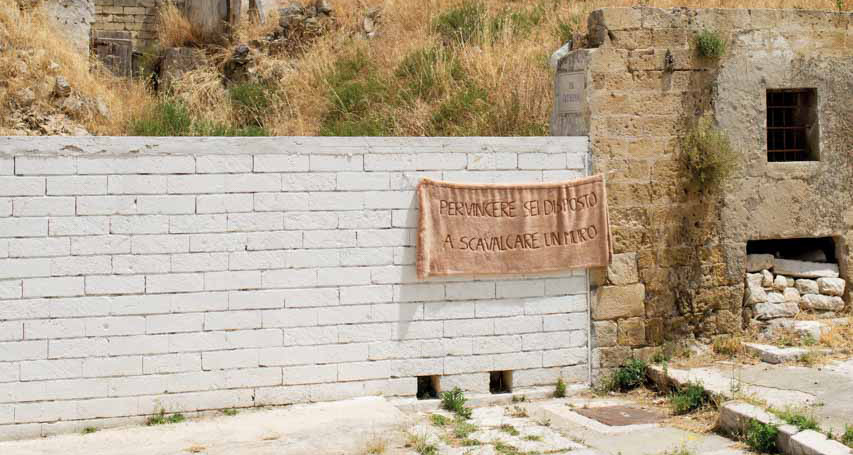
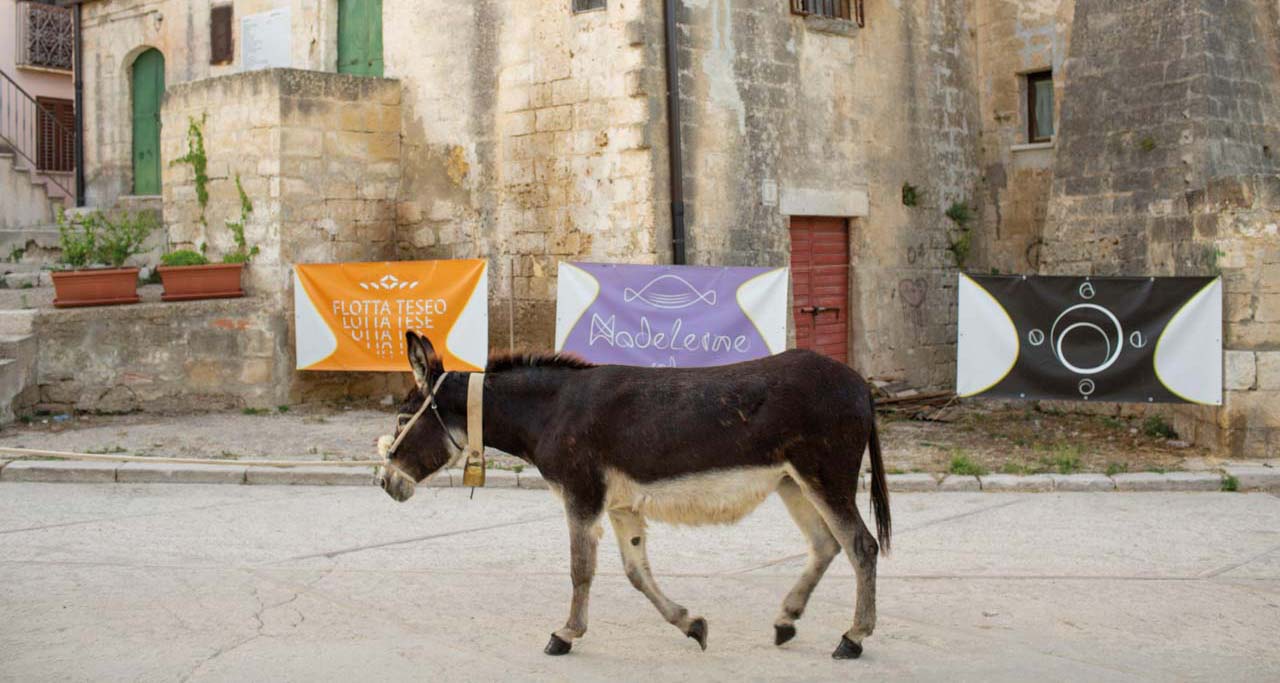
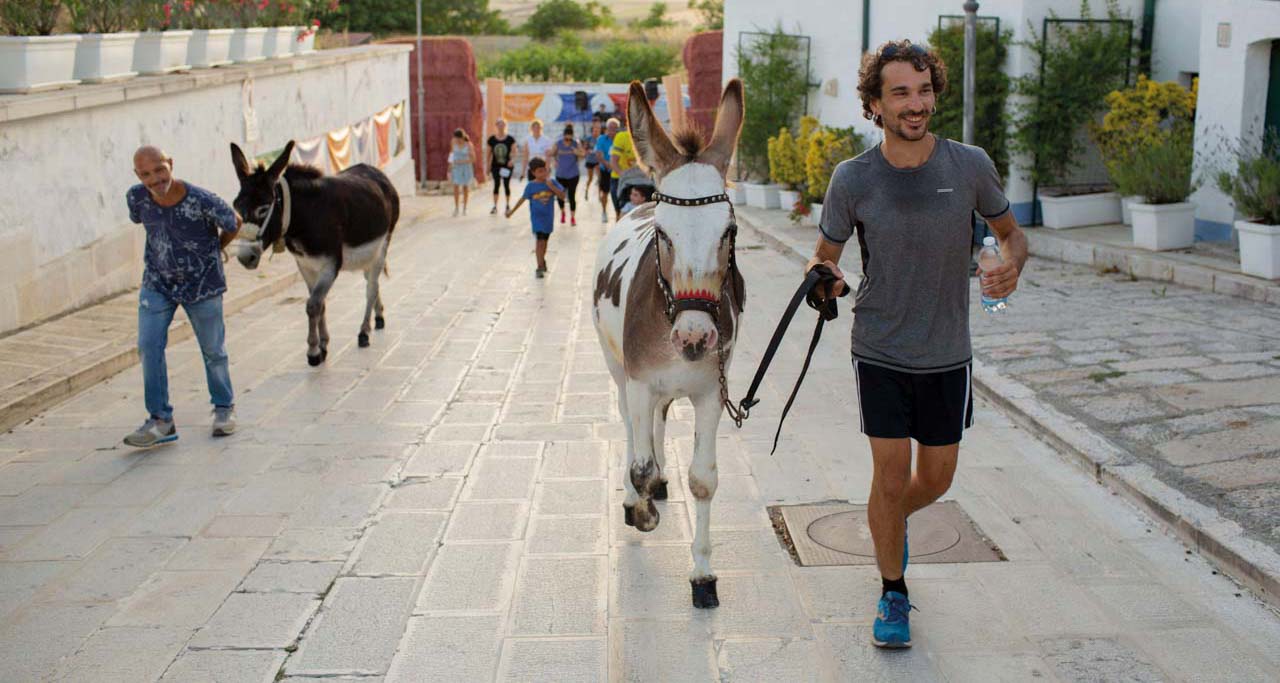
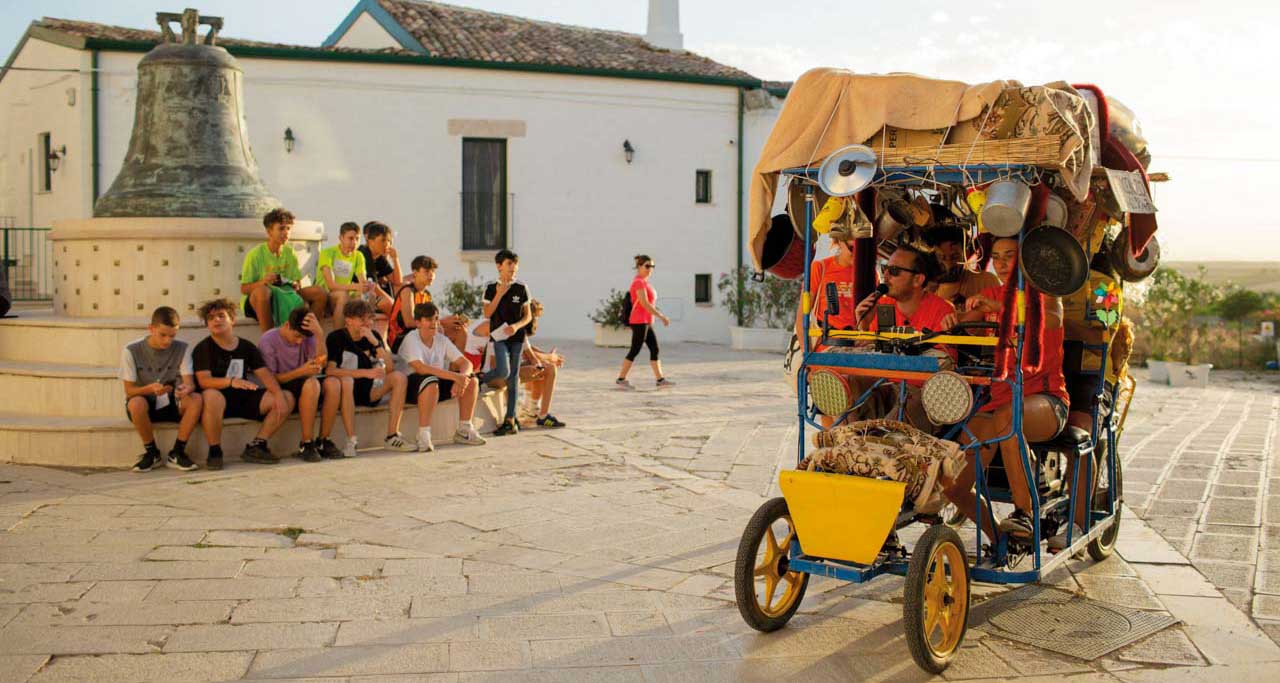
Simone Bacco, Maratona, 2022, Spinazzola (BT), Puglia. Ph. Christian Mantuano
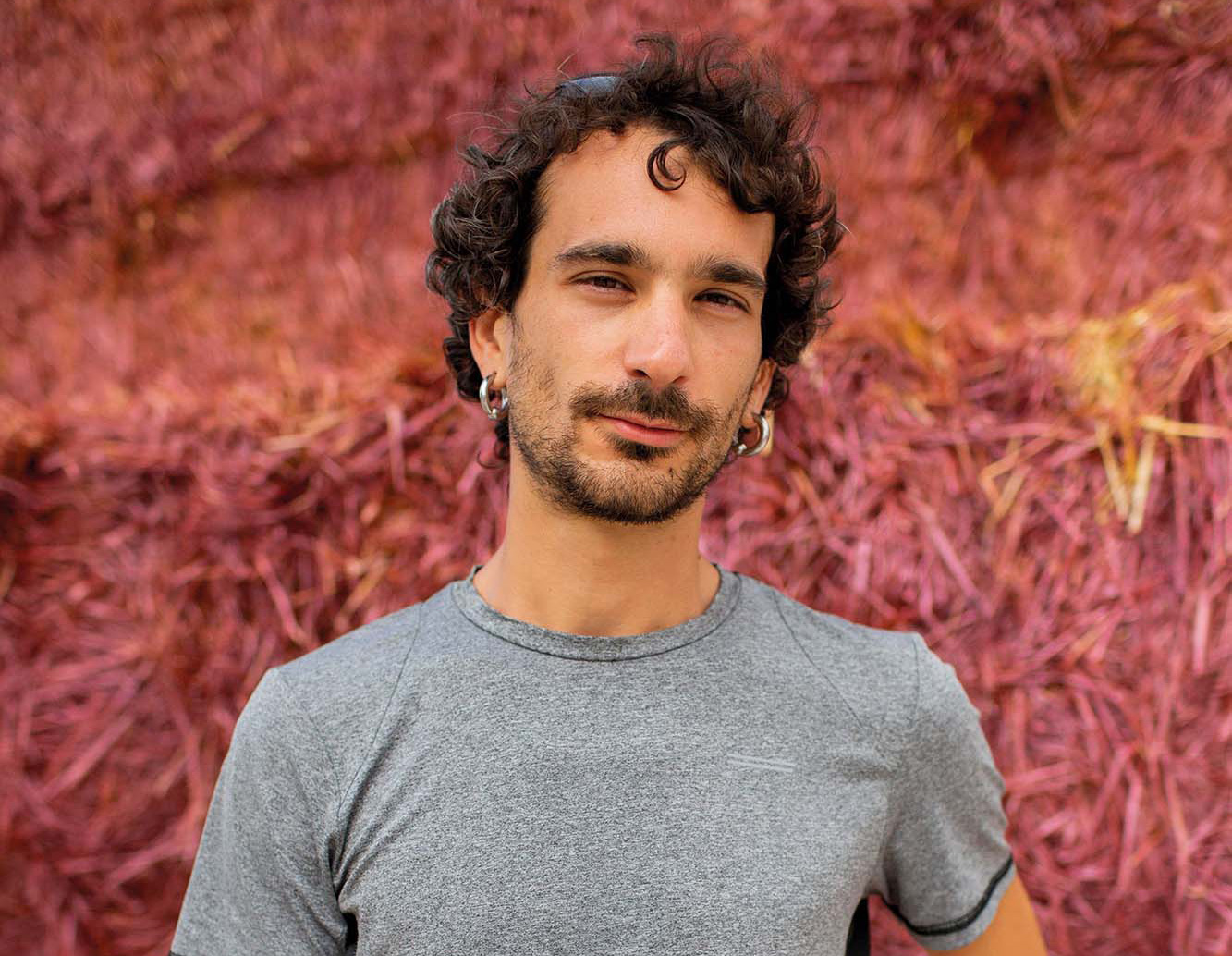
Simone Bacco (Rome, 1995) lives and works in Rome. “Place” is the central element of Simone Bacco’s research. His practice is characterised by a particular sensitivity towards ruins, and abandoned, damaged or forgotten places. Memory, the end, expectation and temporality are recurring themes in this discourse and are often resolved in their own poetic implementation. Bacco graduated in 2021 from the Biennium of Painting at A.B.A. in Rome. In the same year, he took part in the collective exhibition Carta Koreana curated by Claudio Libero at the Museo Bilotti in Rome and in the SCOPPIO project curated by Federico Arani in Umbria. Alongside his individual experimentation, the artist takes part in a series of collaborative projects: UNCONFORMITY – Laboratorio collettivo di modellazione del reale, comes from a debate with other artists on the desensitisation of the historical period we are currently living through; A PRIORI MAGAZINE, a research magazine that comprises social, cultural and poetic organization between students from ABA and ISIA in Italy developed in collaboration with the Student Council of ABA. in Rome; FUOCHI ALLEGRI, an organization that, through total co-authorship, organizes itinerant, non-profit and self-financed parties. In 2021, he co-founded the PORTO SIMPATICA project-space, in Rome, together with 8 artists and other cognitive workers.
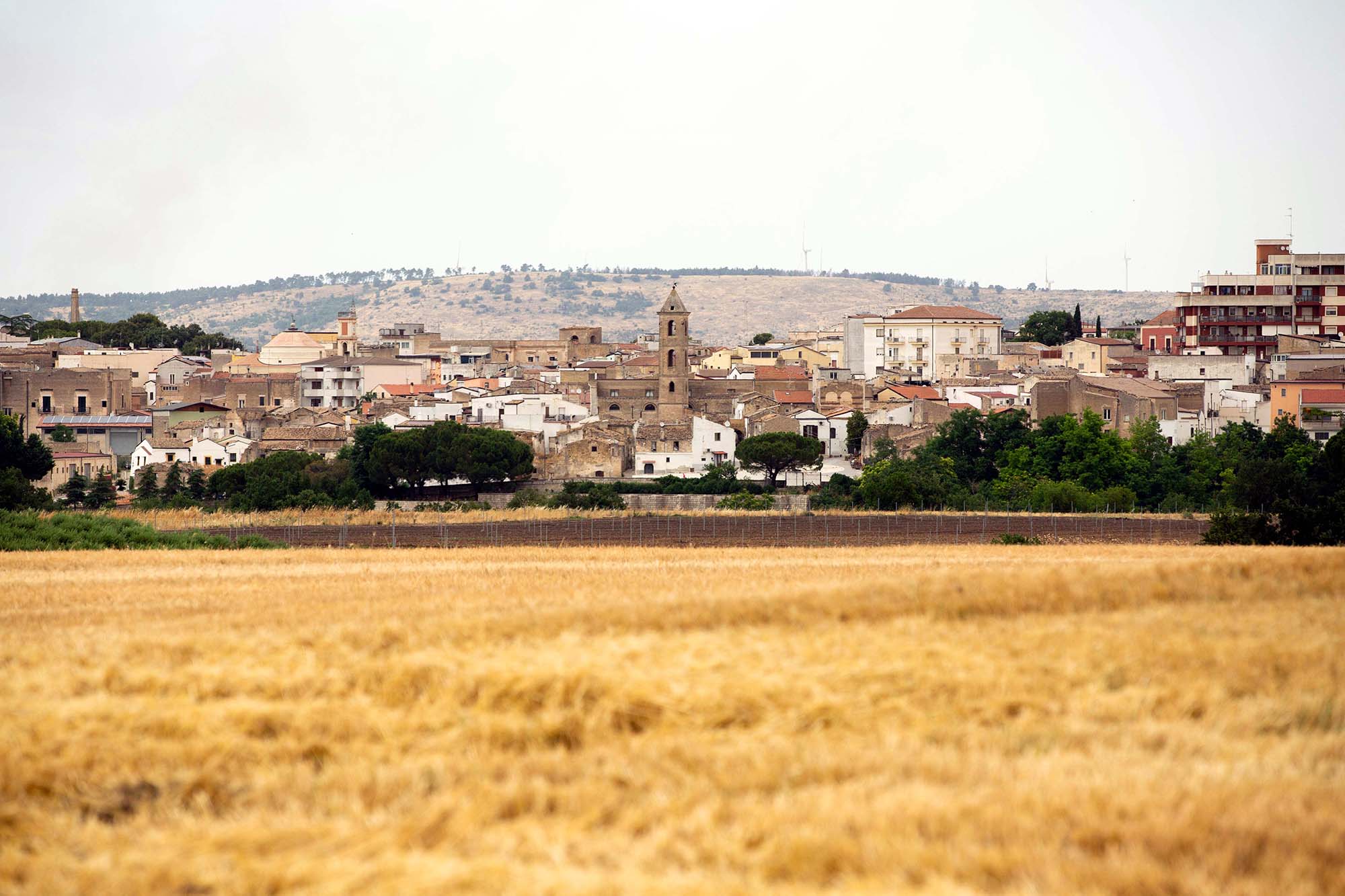
Spinazzola is home to 6,000 inhabitants and it is located in the province of Barletta-Andria-Trani, nestled between Puglia and Basilicata. The village extends over an area of approximately 18,000 hectares, measuring 23 km long and 9 km wide. The Murge and the Appenino Lucano join the Sella di Spinazzola through the Fossa Bradanica, crossed by the Bradano River and its tributaries.
The urban structure of the old medieval village, once fortified and with various access gates, has a pentagonal plan. The city develops on the spur of a hill overlooking the Ulmeta Valley also known as Grava dei Francesi. At the beginning of the 1700s, the city began to expand outside the walls of the old village. The main streets that today bear the names Corso Umberto I and Corso Vittorio Emanuele II came about due to this development.
The local economy is mainly based on agriculture, crafts, mechanical industry and tourism. In recent years, much has been invested in tourism, from the relaunch of the Bauxite Quarries, to the surrounding landscape, the bridge of 12 arches, Historical Fountains (Pilone, Raica, Dirolla, Gadone Turcitano, S. Francesco, Accanata, Casalvecchio, Paredano, San Vincenzo), and in food and wine, with the promotion of local produce such as a special type of sausage called Salsiccia a Punta di Coltello, cardoncello mushroom, legumes, and the production of extra virgin olive oil.