Ilare
Mi aspetto che il sole mi illumini ancora
curated by Anna Pirisi
Mi aspetto che il sole mi illumini ancora
Publication’s presentation
2 October 2026 h. 5:30 pm
Piazza Chiesa, Monteleone Rocca Doria (SS)
Ilare
curated by Anna Pirisi
with Piera Masala, Foghiles e Luca Sanna
"We will leave behind what remains of a collective passage, a ritual, an act of gratitude to the earth, the mountain, and the sun."
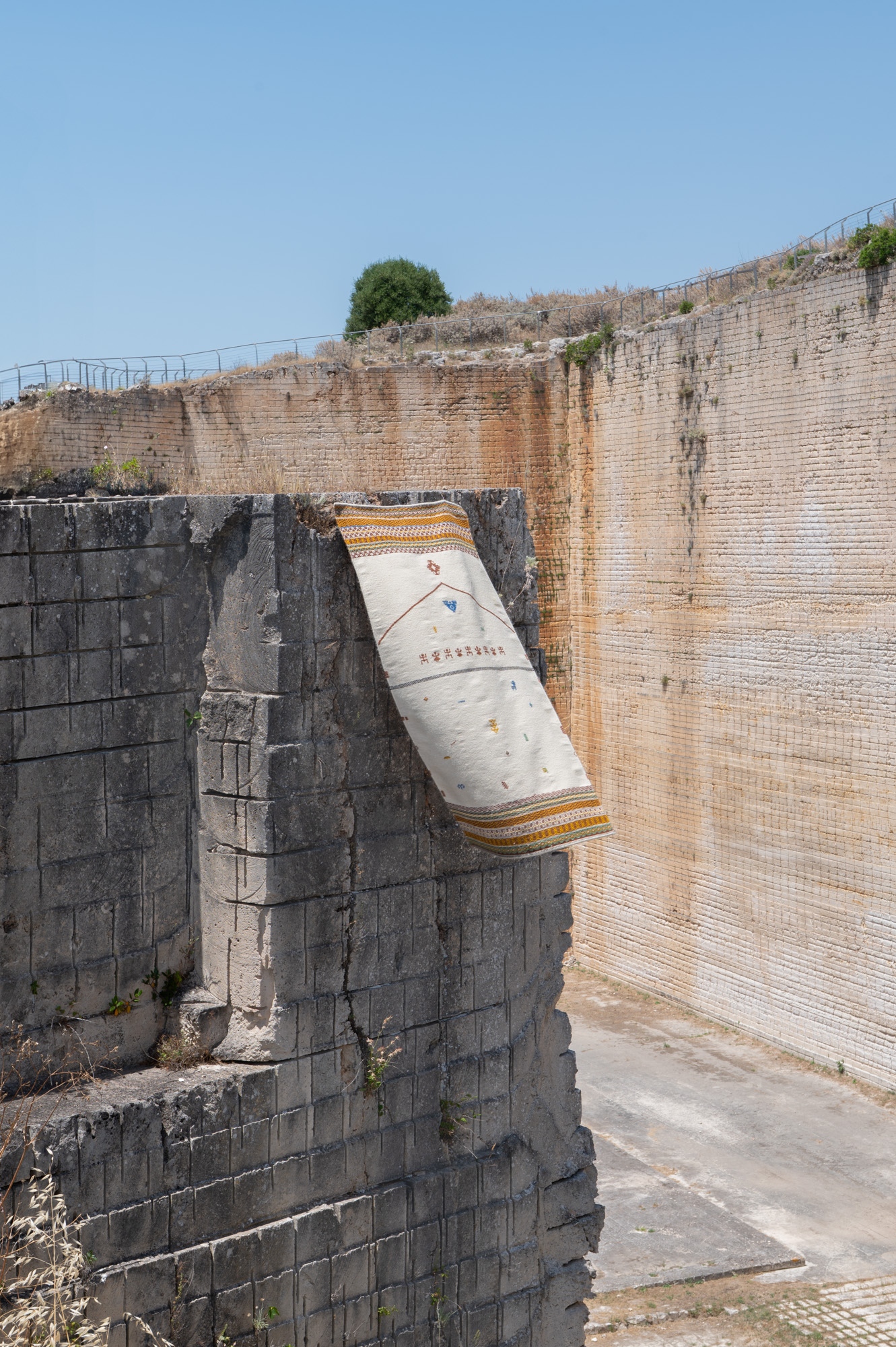
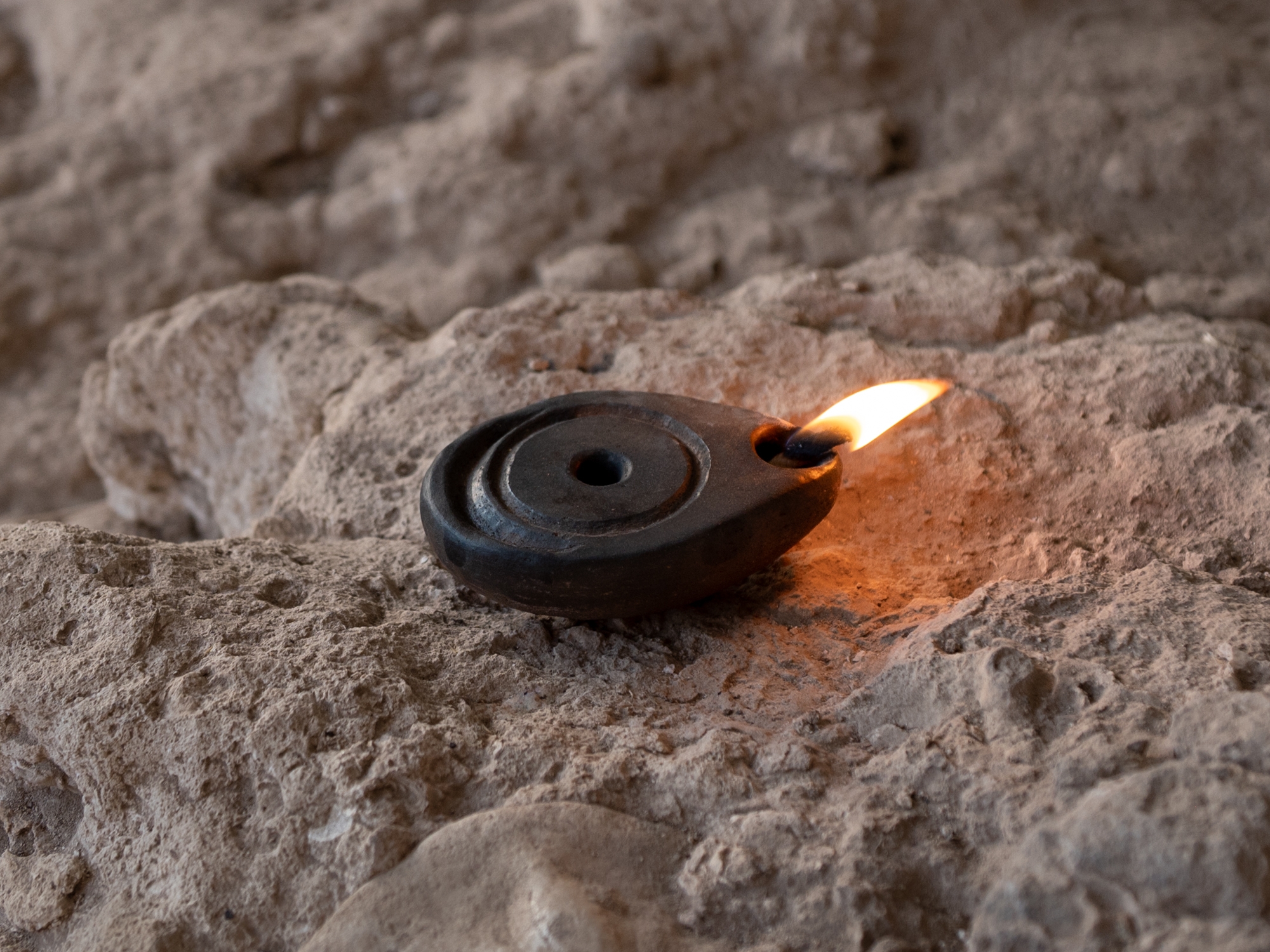
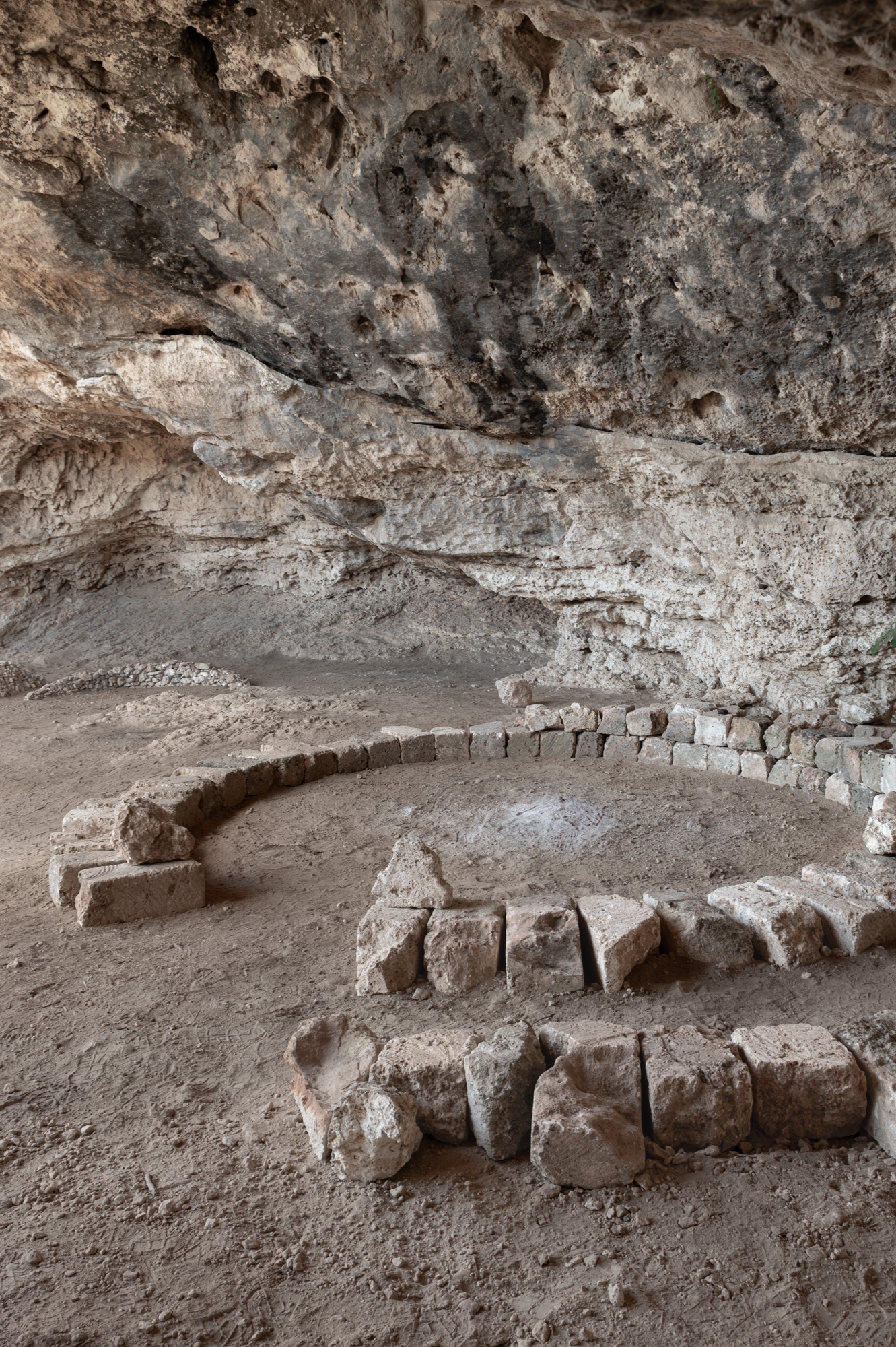
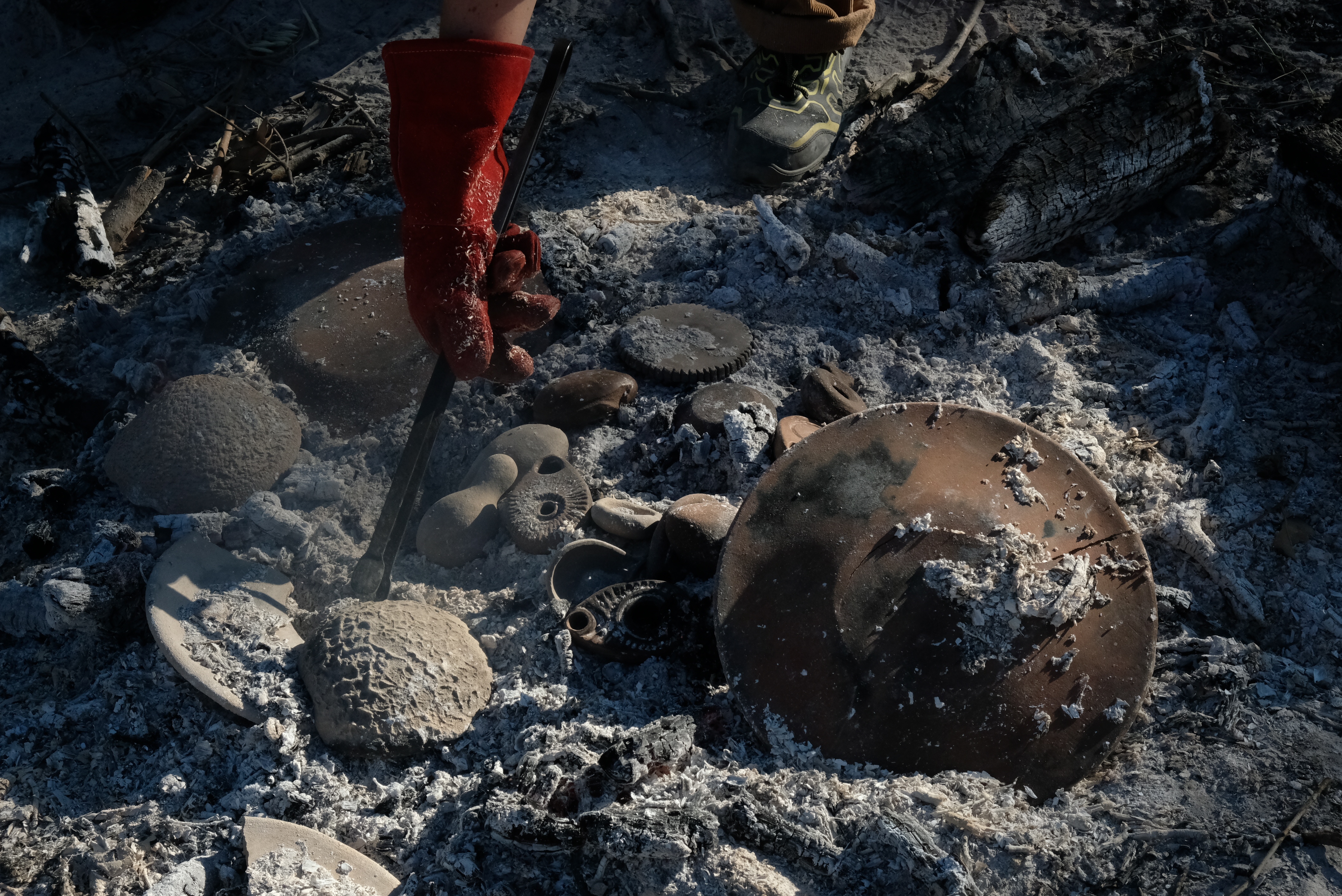
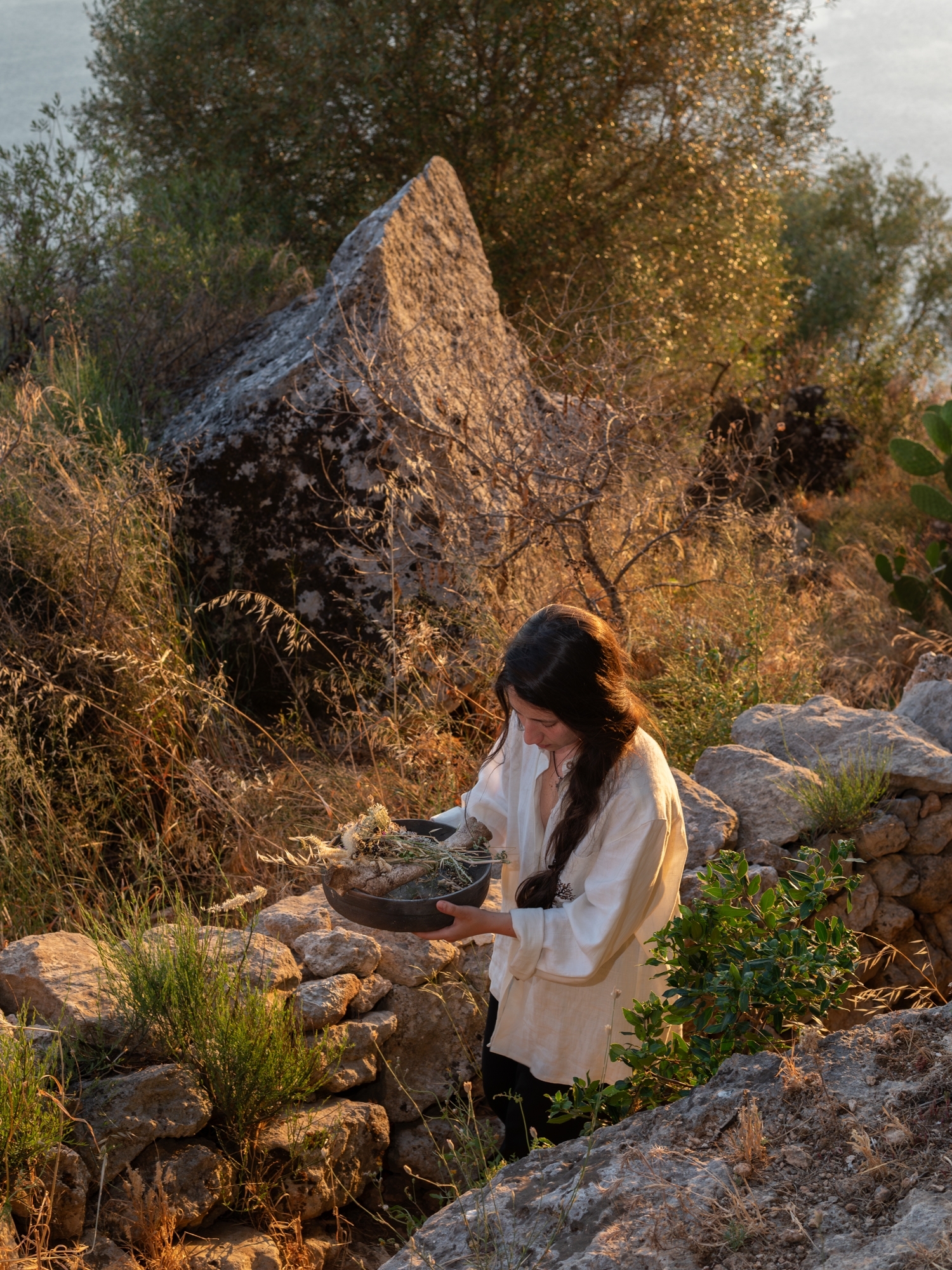
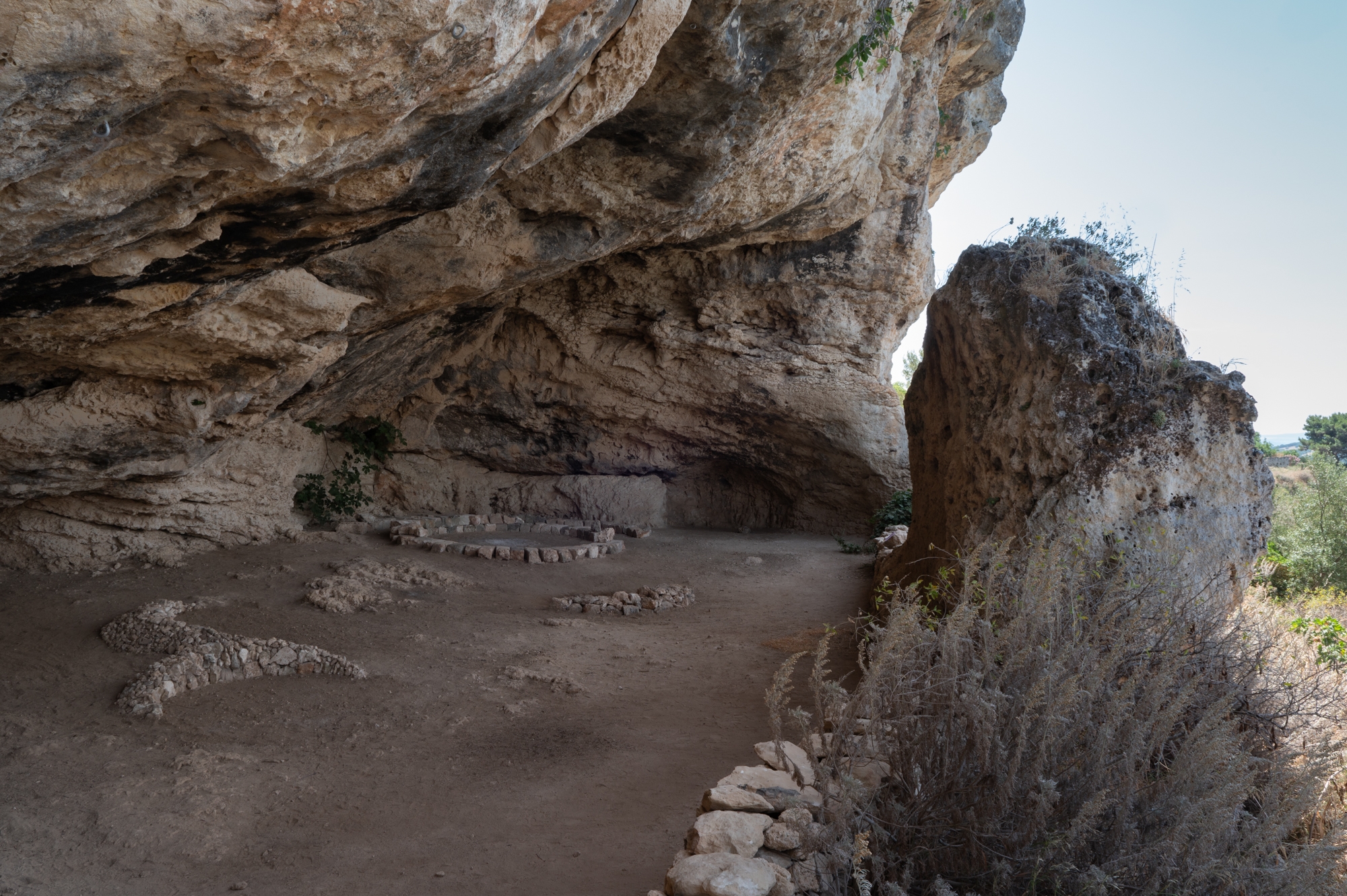
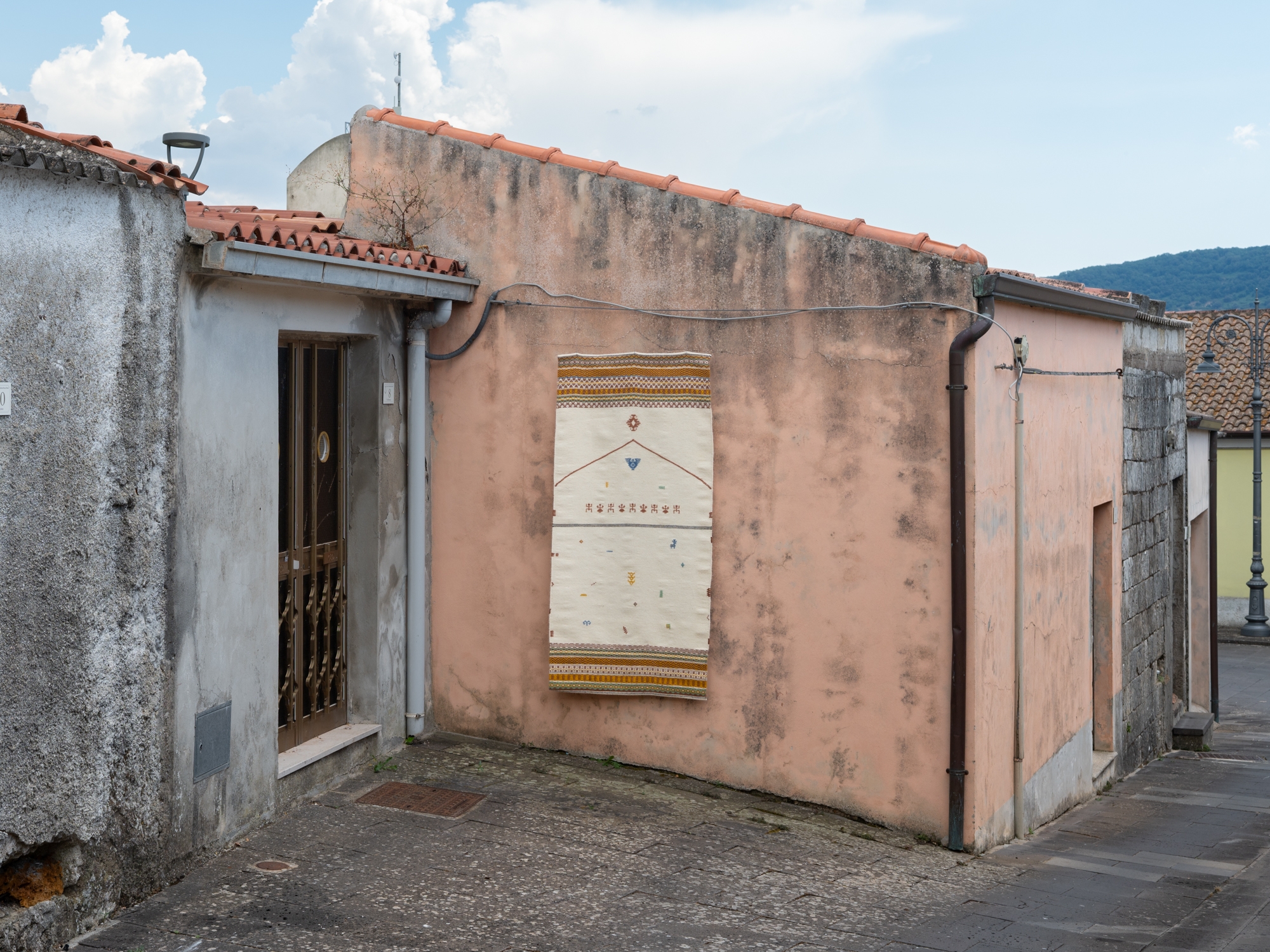
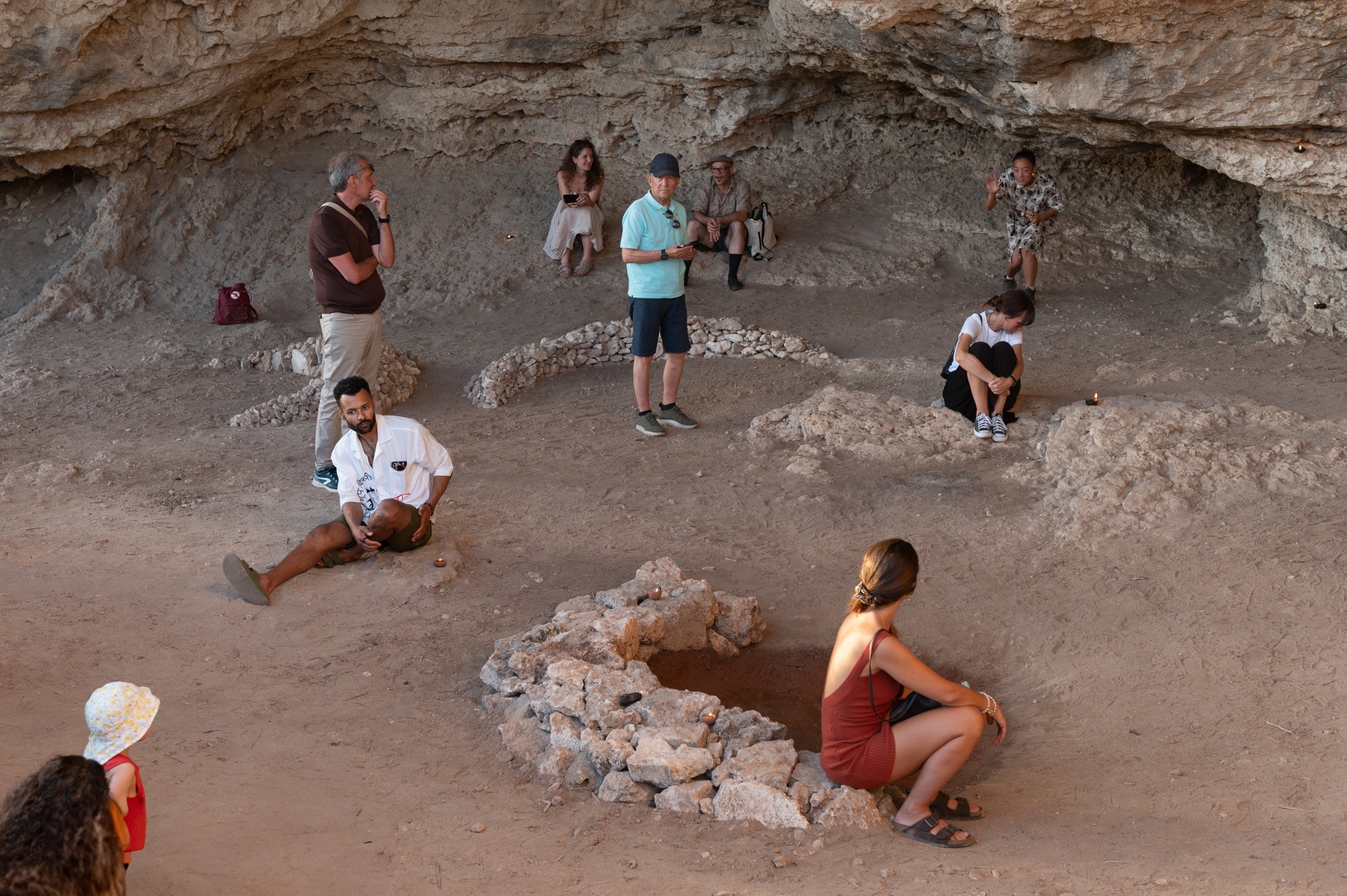
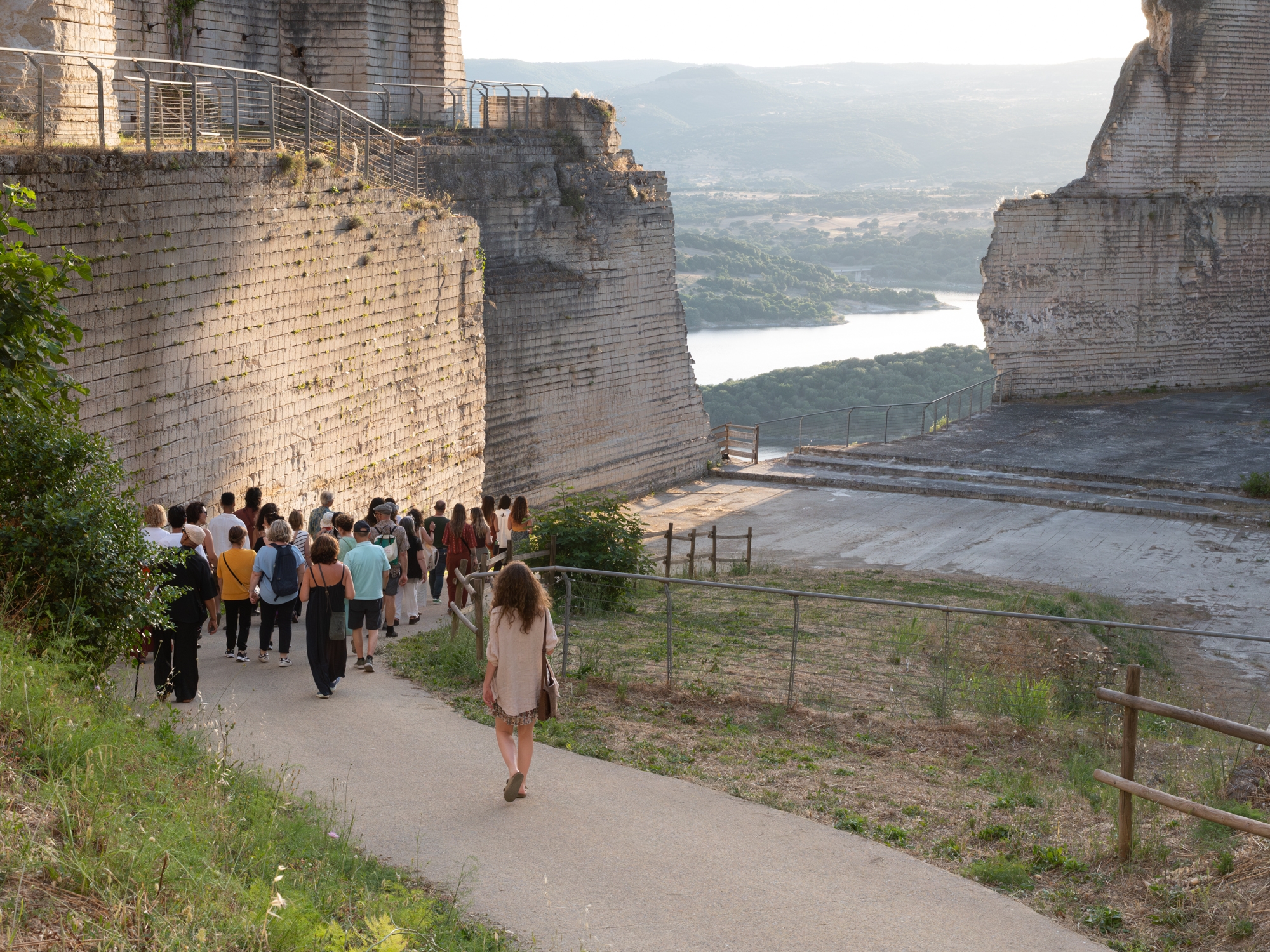
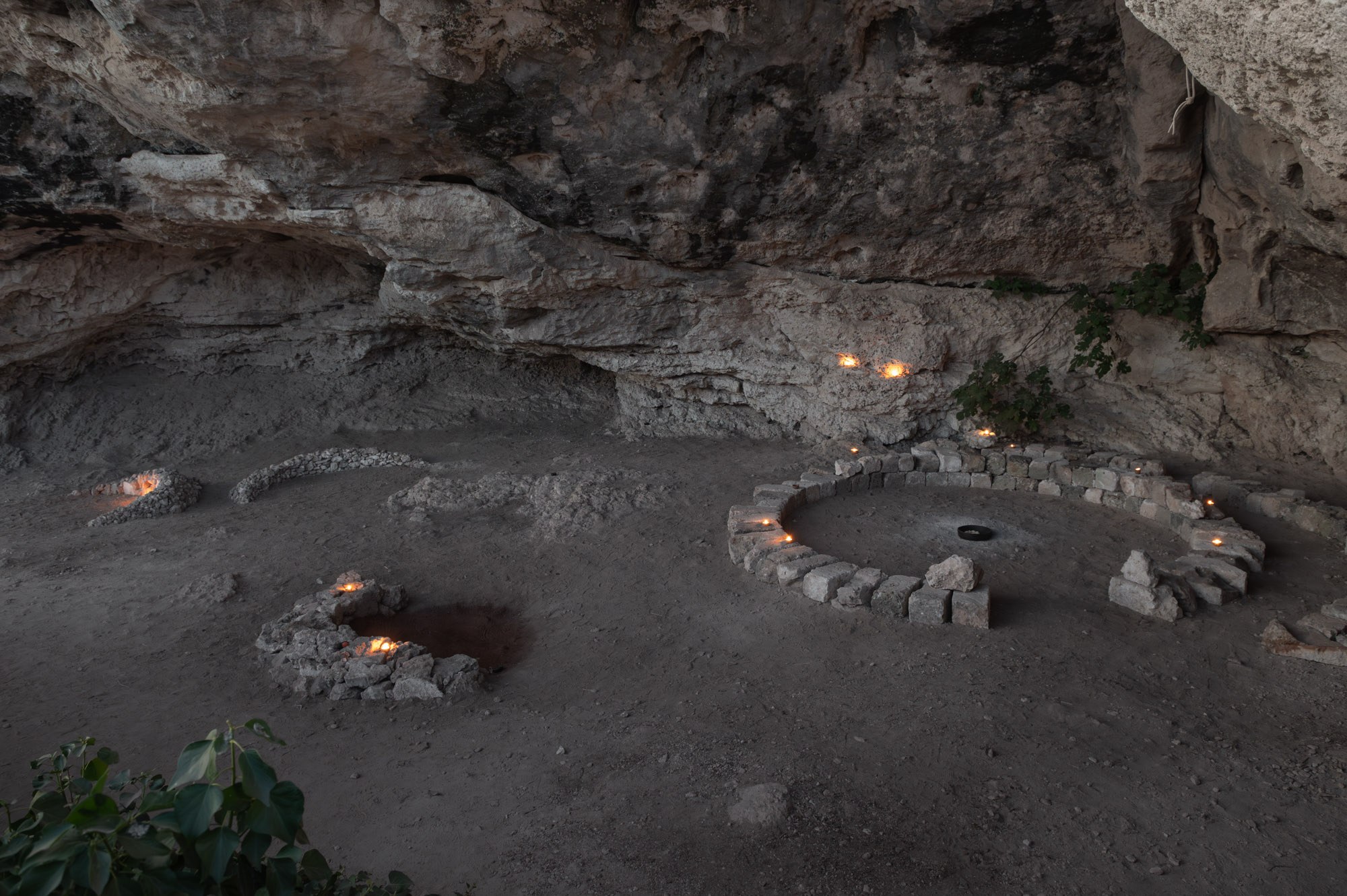
Ilare, Mi aspetto che il sole mi illumini ancora, Monteleone Rocca Doria, Sardegna. Ph Marta Scagliusi
The project Mi aspetto che il sole mi illumini ancora emerges as an invitation to come together: on the longest day of the year, the summer solstice becomes an occasion to mend the bond between people and the land of Monteleone Rocca Doria. On June 21st, from Via Doria to the shelter beneath the rock of Sa Corona de sa Buvera, a procession of people moves toward an ephemeral architecture, built and activated through encounters and shared rituals.
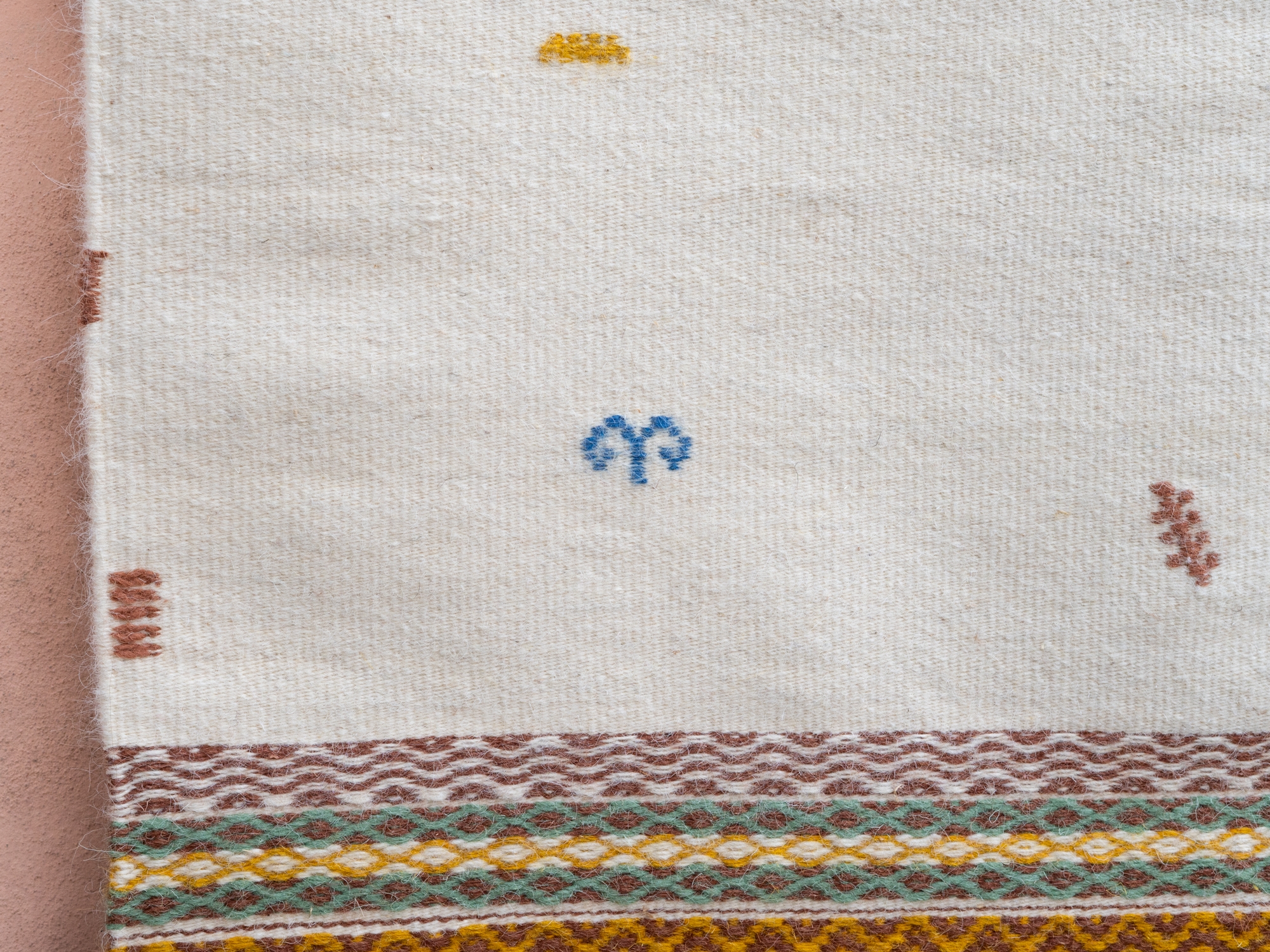
Here, collected water, terracotta artefacts, and ritual breads prepared collectively are transformed into gestures of offering and celebration. The carpet, inspired by su tapinu ‘e mortu and cyclically entrusted to local women, becomes a living trace passed from hand to hand, weaving together memory and care. The celebration takes shape as a shared experience of gratitude and belonging, capable of extending beyond the moment in time.
Works:
01 Ilare, Mi aspetto che il sole mi illumini ancora, 2026. Communal ephemeral architecture, water, earth, clay, local stones, fossils, terracotta, basalt stone, environmental dimensions.
Grotta della Cava Su Giardinu, Monteleone Rocca Doria (SS)
The installation is located in the large rock shelter found within the nature trail of the Cava Su Giardinu, accessible from Via Ferrata della Regina.
02 Ilare, Corredo, 2026. Clay and terracotta artifacts, variable dimensions.
Museo della panificazione tradizionale, Via Doria 59, Monteleone Rocca Doria (SS)
03 Ilare, Tapinu, 2026. Ritual wool rug, 200 × 100 cm.
The work was made in collaboration with the artisans of ArTes di Villanova Monteleone. The rug is kept by the local community of Monteleone Rocca Doria and passed from hand to hand. To see it, visitors must speak directly with the inhabitants of the village.
Mi aspetto che il sole mi illumini ancora
Publication’s presentation
2 October 2026 h. 5:30 pm
Piazza Chiesa, Monteleone Rocca Doria (SS)
On October 2nd, on the occasion of the closing event of Mi aspetto che il sole mi illumini ancora, Come se will be presented, an artist's book born from the encounter with Piera Masala and the shared experience in Monteleone Rocca Doria during Una Boccata d'Arte. The volume weaves together photographs, family archives, poems, and drawings, moving through memory, territory, and community, and putting what has been into dialogue with what can still happen.
Focolari d'Acqua (Water Hearths)
29 May 2026, h. 9:00
Piazza Chiesa, Monteleone Rocca Doria (SS)
A workshop exploring the ecological, social, and symbolic dimensions of water as a collective resource, moving through places shaped by the presence of water, including springs, paths, and sanctuaries. The journey opens up a discussion on themes such as the privatization of resources and the relationship between territory and community, with the aim of collectively reflecting on a shared ephemeral architecture within the rock shelter space of Sa Corona de sa Buvera.
Terra e fogu (Earth and Fire)
20 May 2026
Monteleone Rocca Doria (SS)
Terra e fogu is a demonstrative workshop dedicated to the traditional firing of clay over an open flame. Through the lighting of two bonfires, Ilare will guide the audience through the different stages of the process, from preheating to the final firing. A moment of observation and listening that restores the ancestral value of material transformation.
Thanks to: the municipal administration, Giovannina Fresi, Piera Masala, Foghiles, ArTes, Ivano Piva, the entire community, and especially the women of Monteleone Rocca Doria.
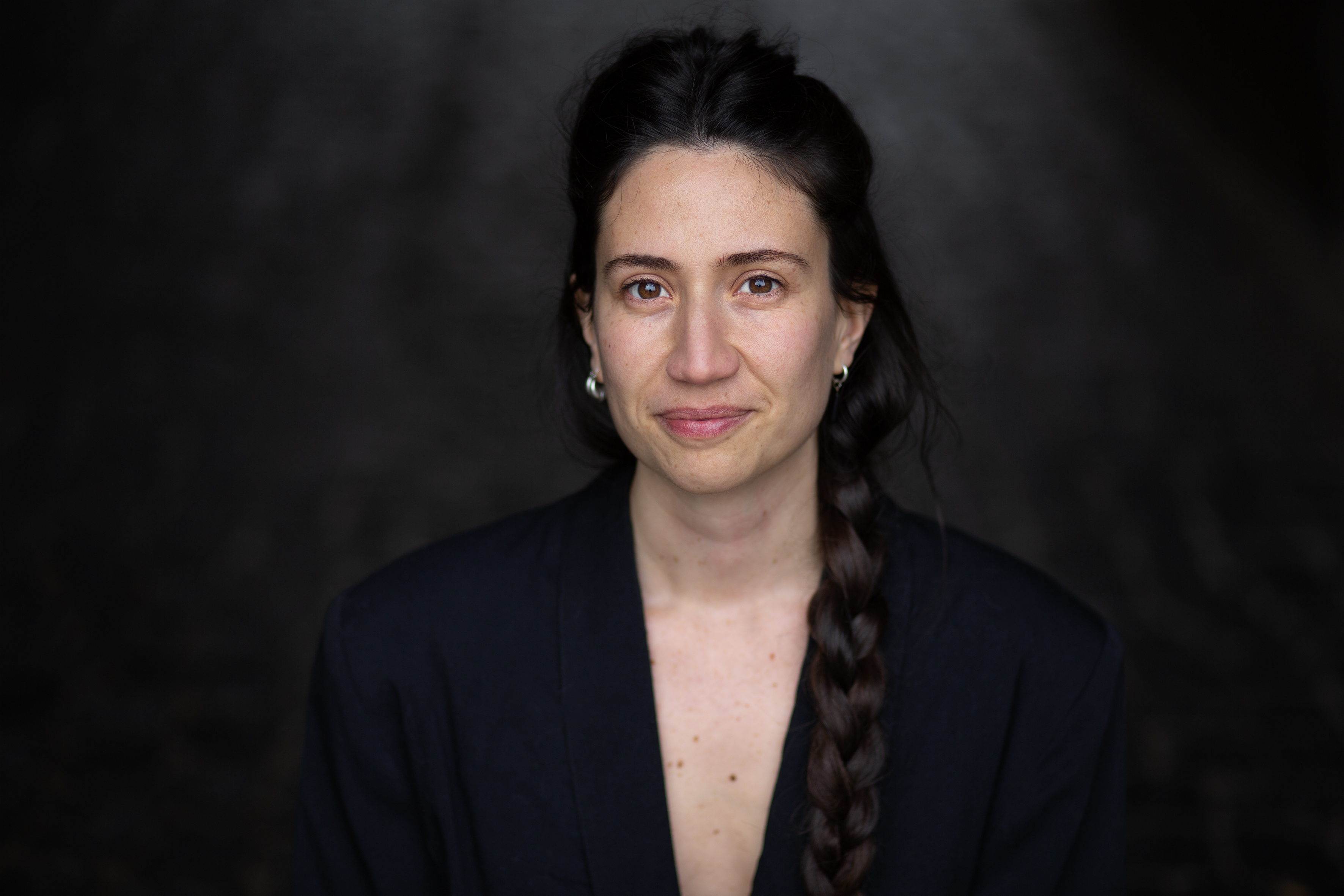
Ilare (Rome, Italy, 1994) lives and works in Rome. They graduated in New Languages of Art from the Accademia di Belle Arti di Roma and, in 2021, attended the postgraduate course in Visual Arts at Escola Massana in Barcelona. Their artistic practice includes installations, sculptures, drawings, video and performance, and develops from processes of interdependence, interaction, observation and waiting. Through a practice grounded in impermanence, the relationship with space and the transformation of matter, they create living works that do not seek to escape change, decomposition or free interaction with the public.
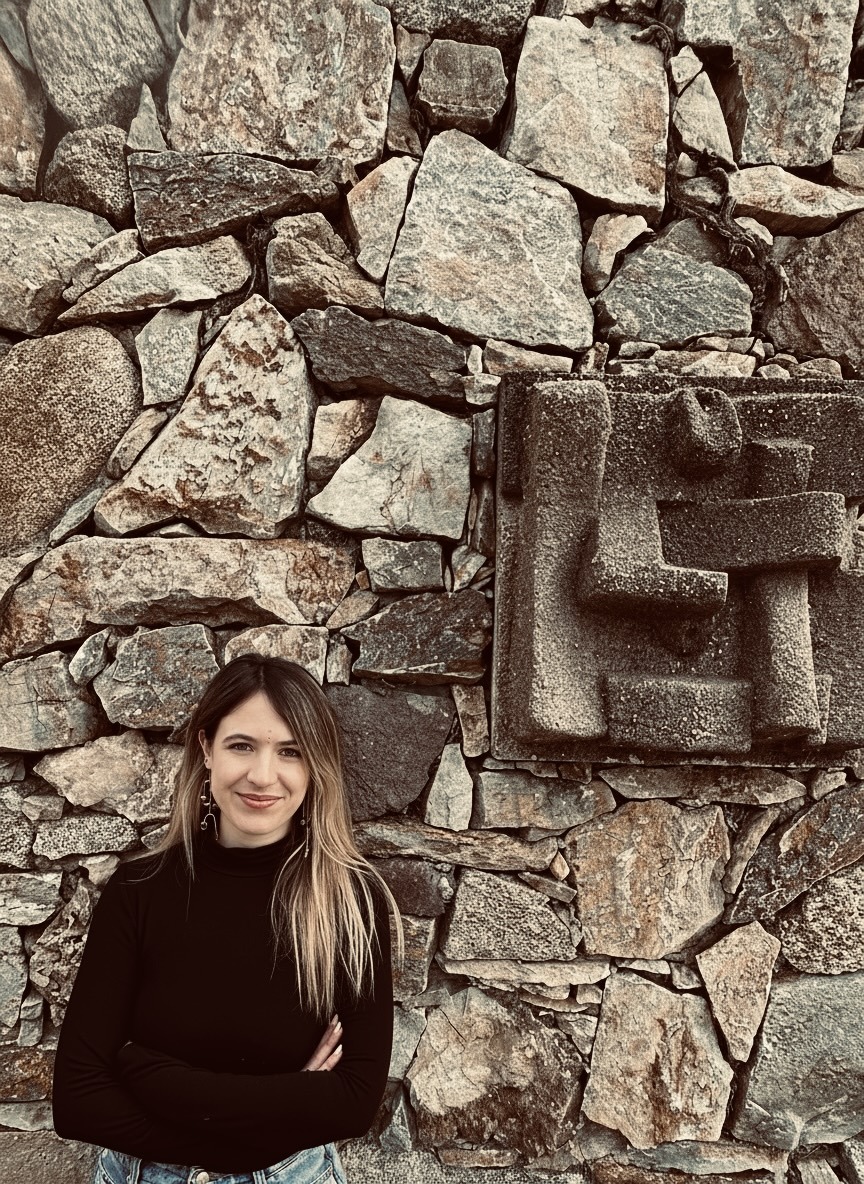
Anna Pirisi works in the field of management, protection, and promotion of artistic and cultural
heritage, with a particular focus on contemporary art and decolonial practices. She trained in
Bologna and Cagliari and completed a master’s degree in Art and Cultural Law and Economics.
She has gained experience in museums and galleries in Sardinia, Italy, and abroad, working in
curatorial practice, cultural mediation, and event design. She currently works at the Fondazione Costantino Nivola, where she is engaged in art mediation and promotion. For Una Boccata d’Arte, she curated Sara Persico’s project a Burcei. (2025).
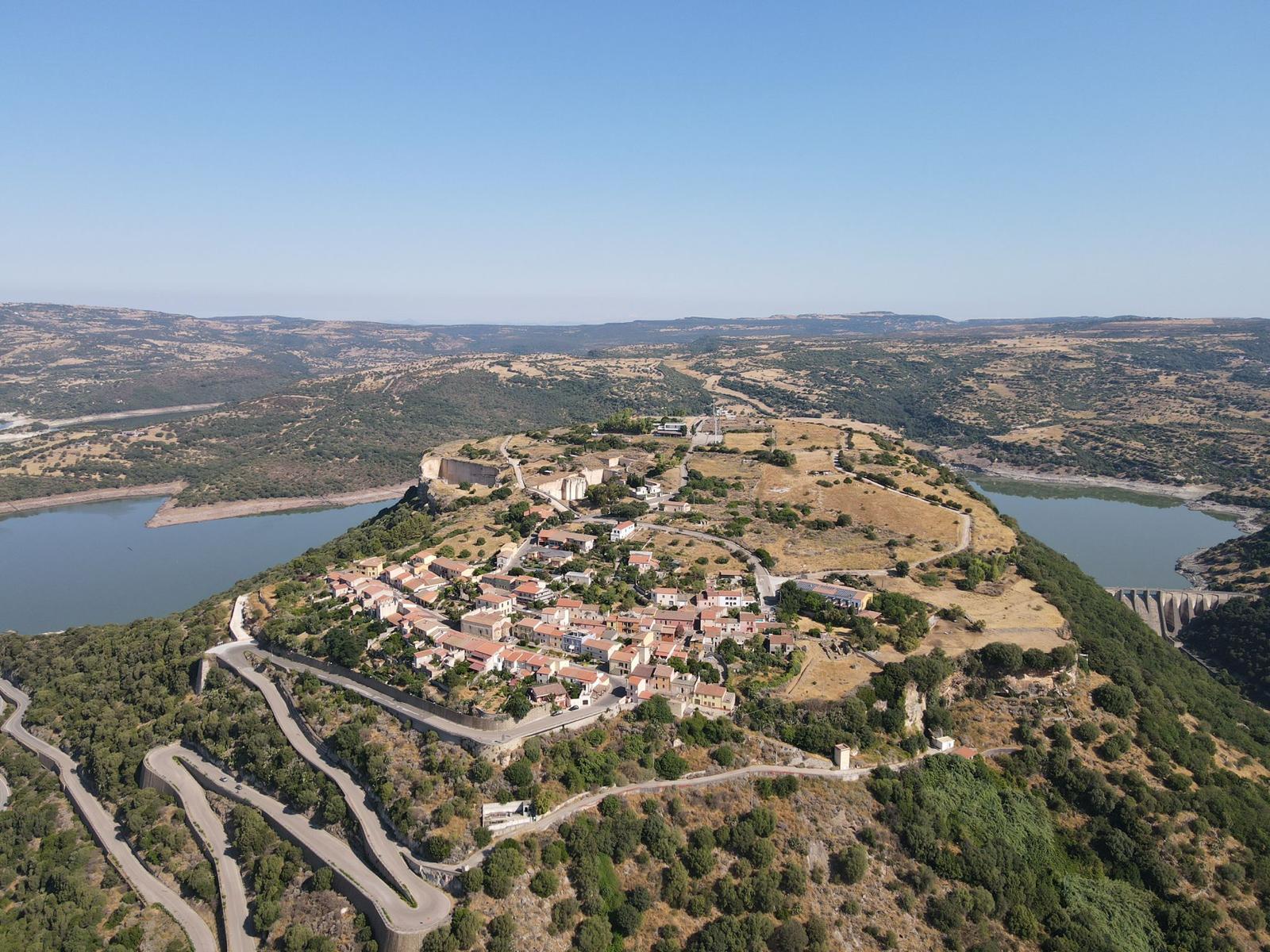
Monteleone Rocca Doria, in northwestern Sardinia, rises on a rocky hill surrounded on three sides by Lake Temo, a configuration that over the centuries made it a natural stronghold of the territory. Today affected by depopulation processes, the village reveals an ancient settlement vocation, evidenced by the presence of nuraghi and an important Punic archaeological site. In the medieval period, the powerful Genoese Doria family built the castle-fortress and the Church of Santo Stefano here, which still remain among the town’s most emblematic landmarks. Through sieges, destruction, and reconstruction, Monteleone has preserved its urban layout and the charm of a late medieval settlement.
Between the castle, historic churches, the bread-making museum, disused quarries transformed into an open-air theatre, and the lakeside landscape, the village continues to weave together memory, nature, and visions of the future.