Paolo Brambilla
Oracolo
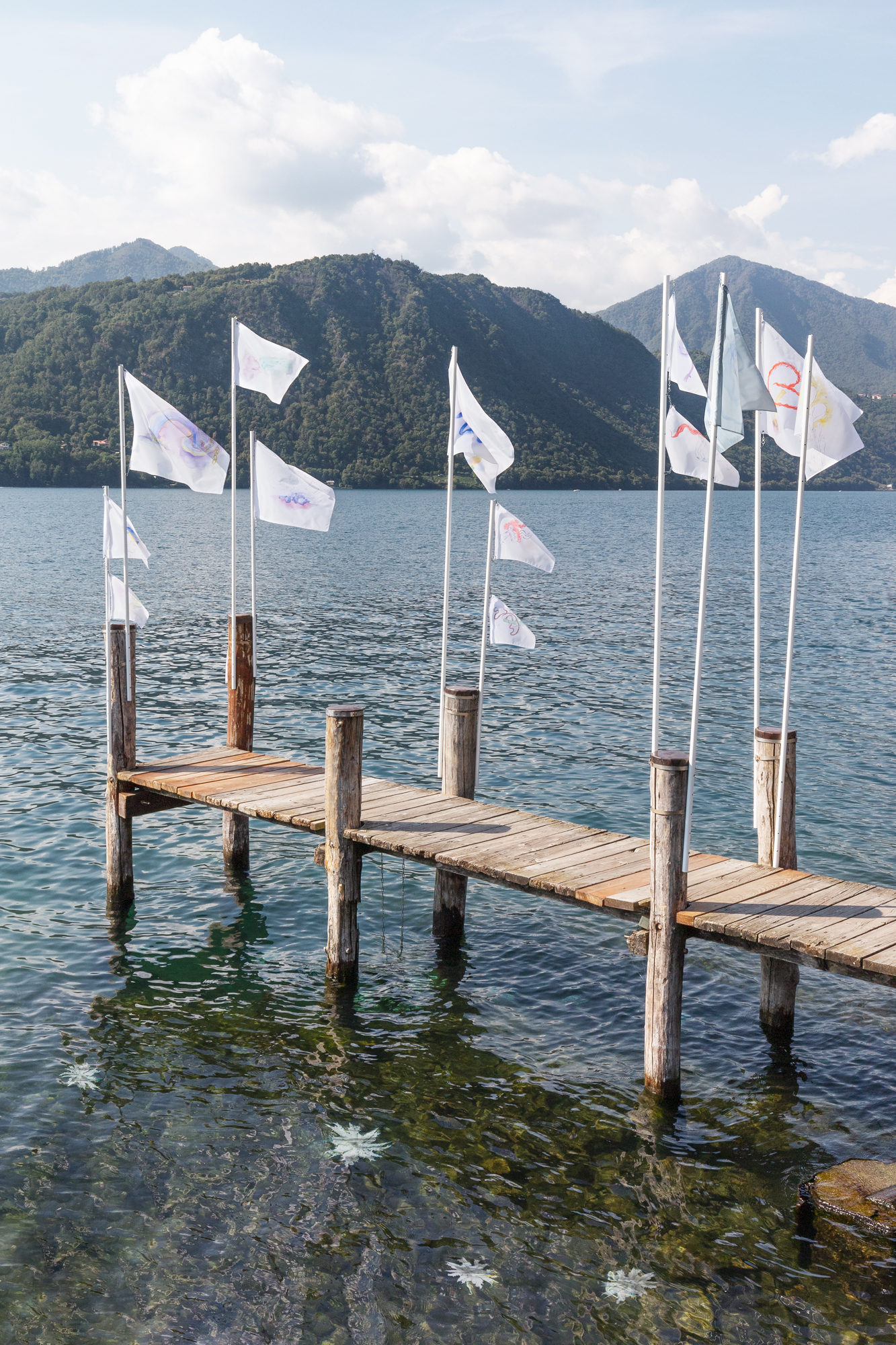
Non lontano dal giardino di villa Bossi, un portale misterioso – l’oracolo – sorge dalle acque per essere contemplato e interrogato dalla riva, dove gli spettatori attendono la risposta, sul molo tra le bandiere a festa.
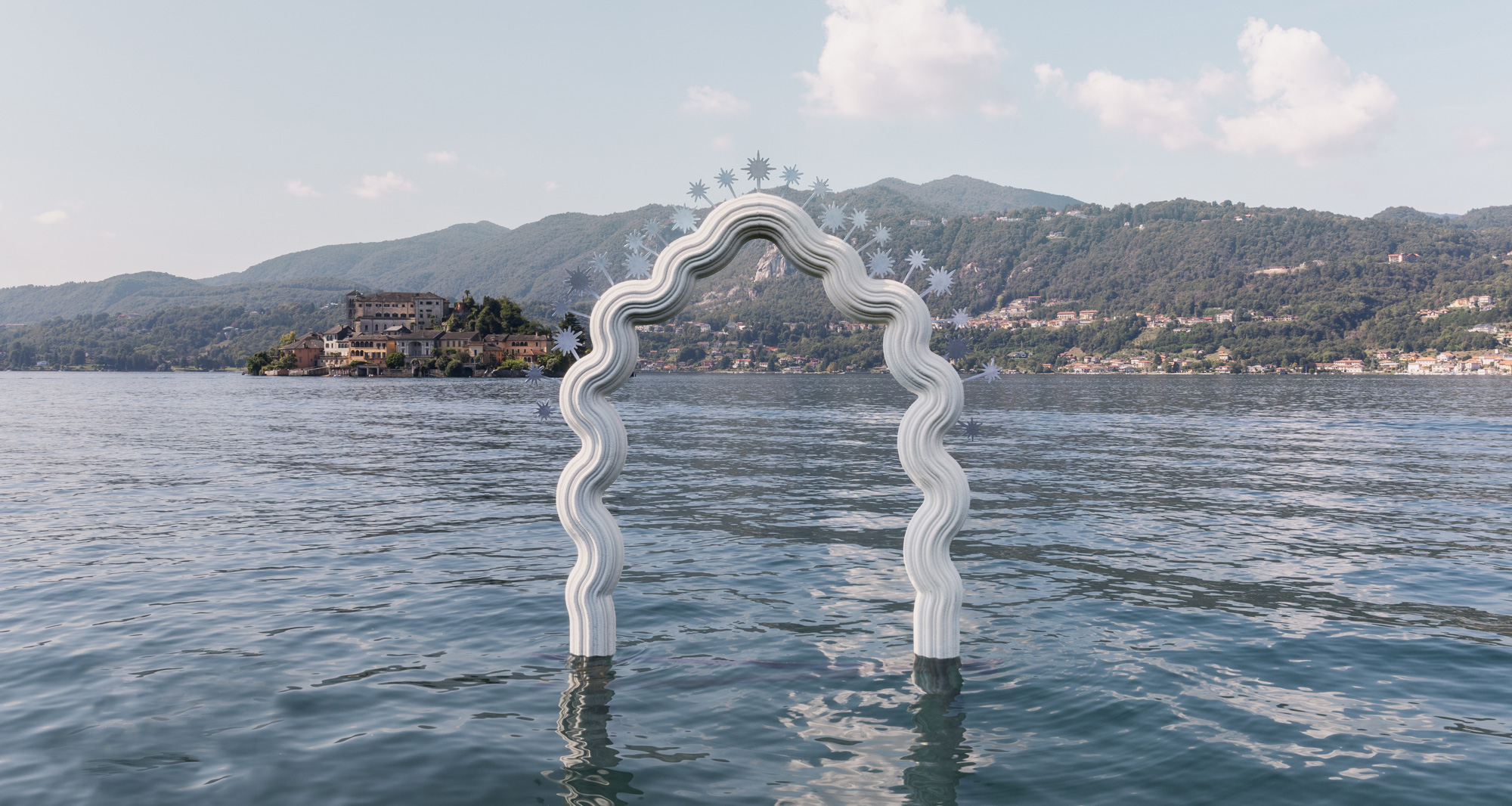
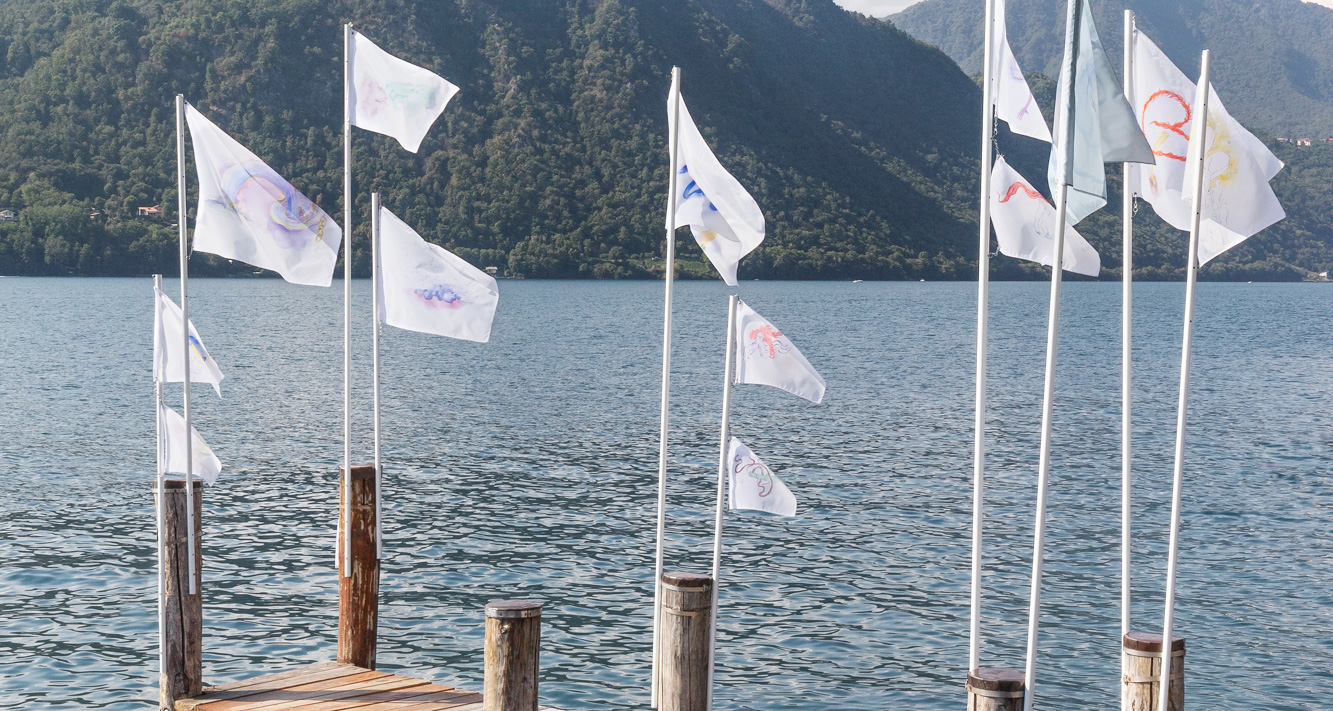
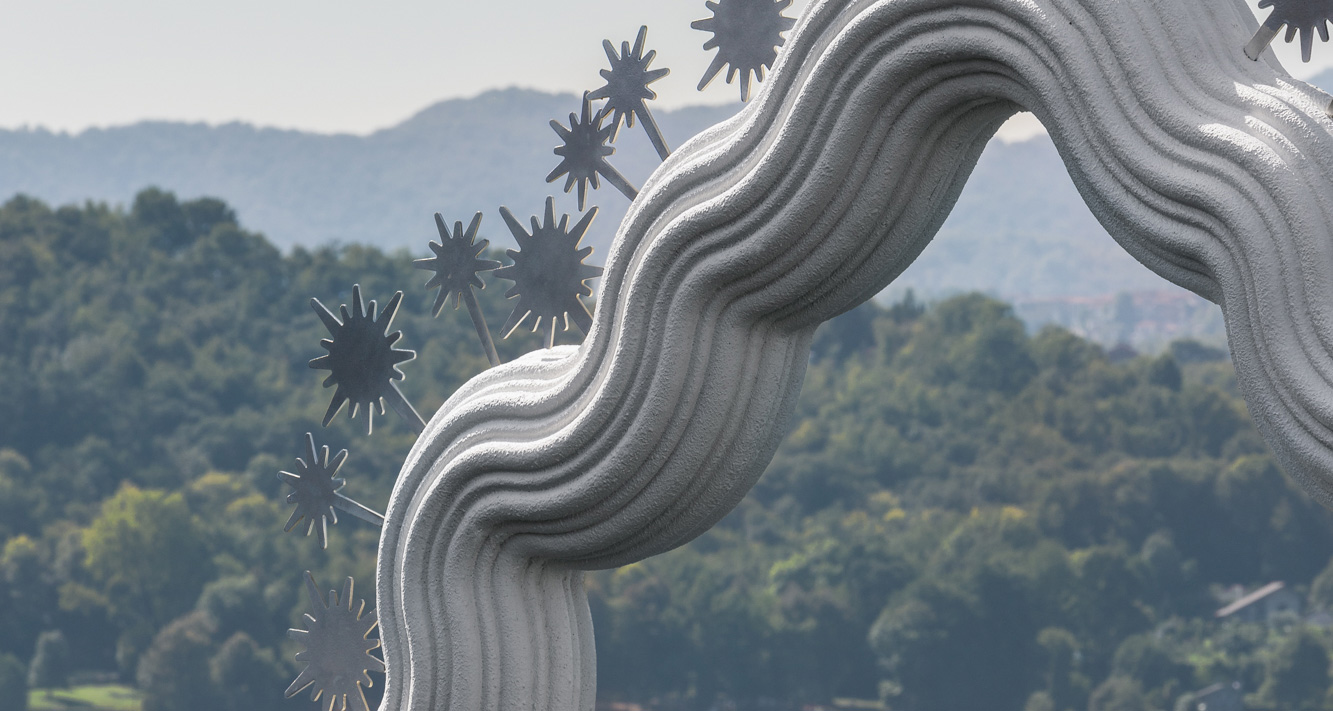
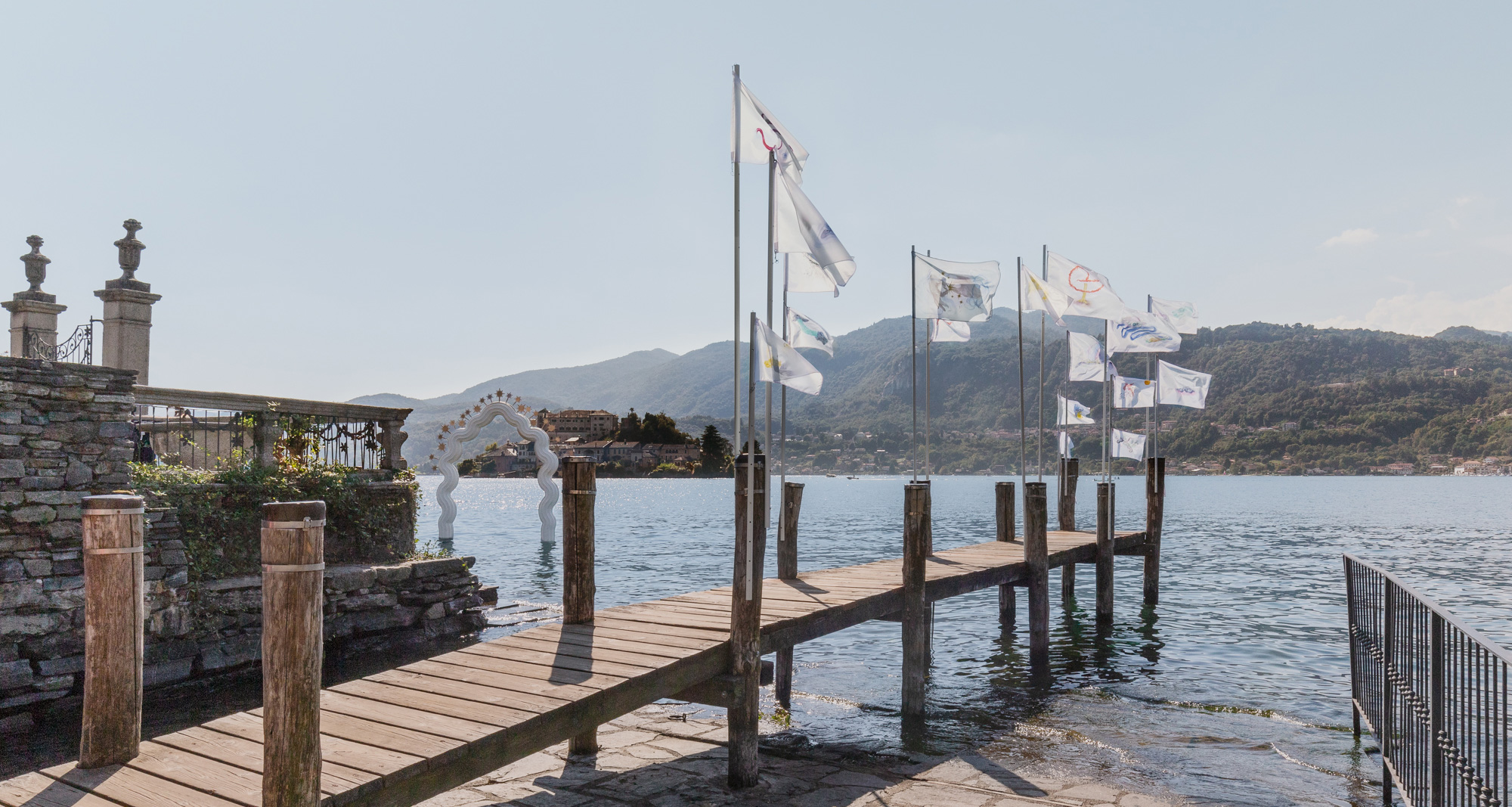
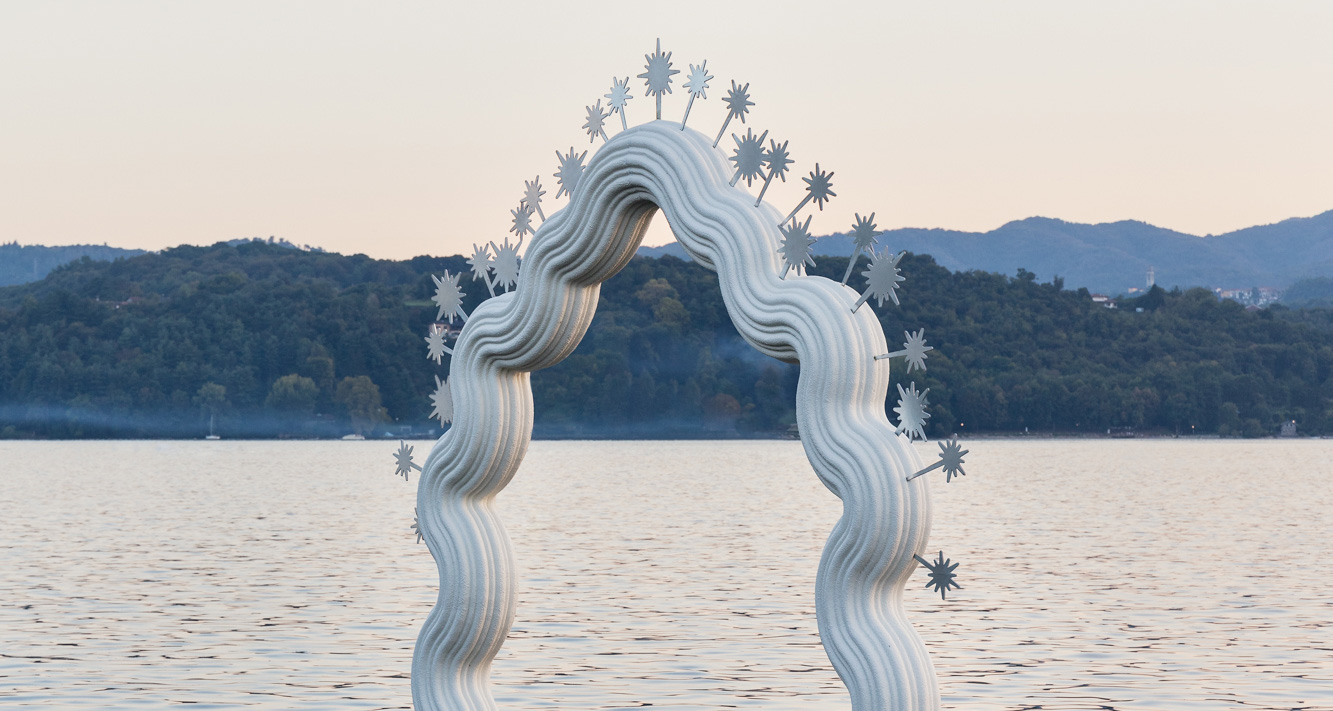
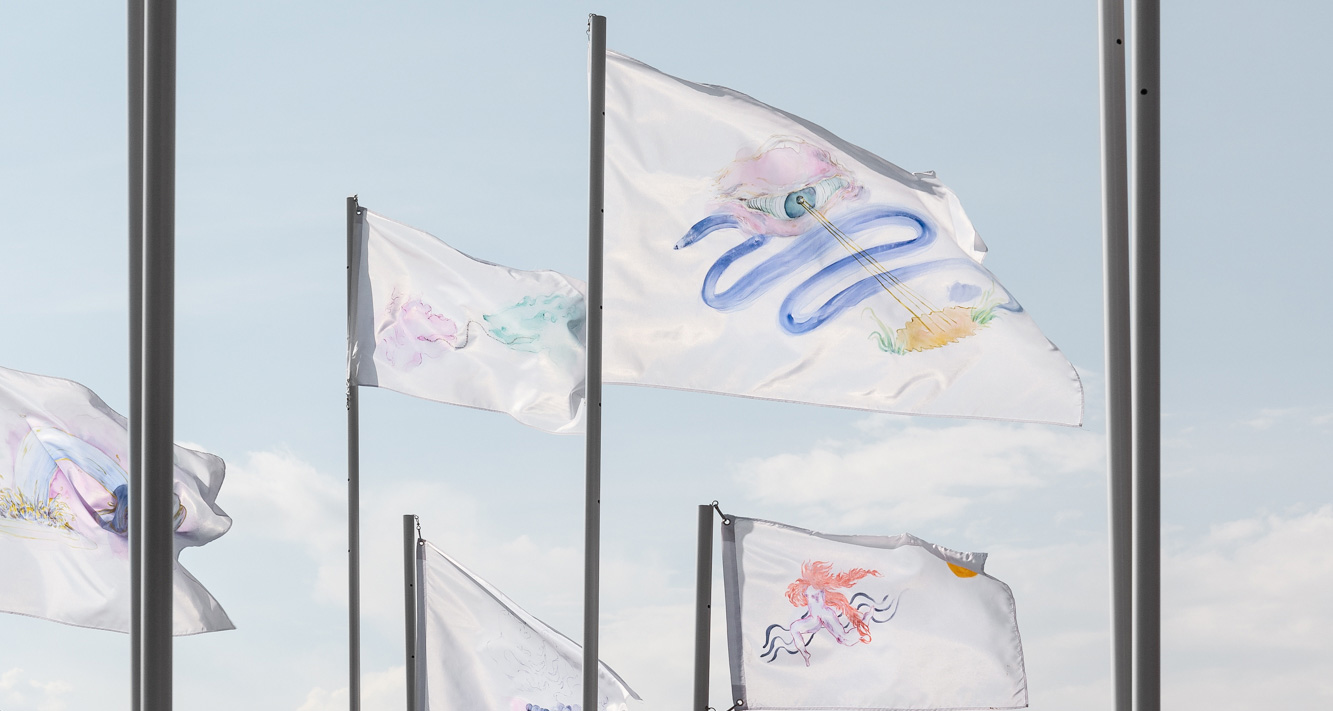
Paolo Brambilla, Oracolo, 2020, Orta San Giulio (NO), Piemonte. Ph. Agnese Bedini
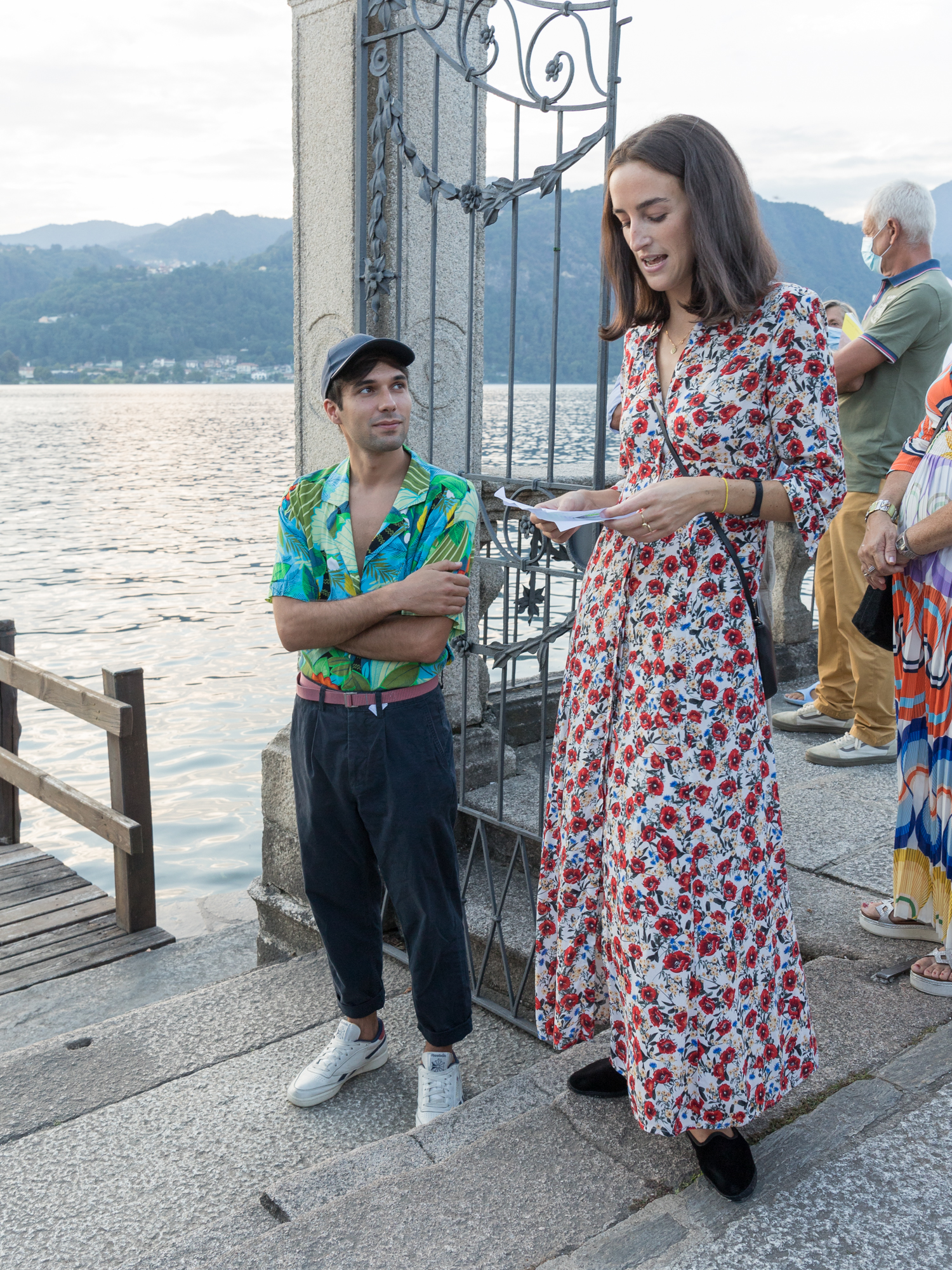
Paolo Brambilla’s (Lecco, 1990) multidisciplinary artistic practice uses speculative processes and formal permutations, taking on or distorting different production and reproduction formats; they could be natural or artificial, real or virtual. Their aim is to address the infinite cycles of cultural product assimilation, dispersion and transformation. Assuming forms and transformations, following different paths, imitating movements, obscuring and repeating gestures, Brambilla has established a dense vocabulary of materials, symbols and references, moving by association between a variety of registers. In Brambilla’s artistic quest, the art object is conceived as a matrix of multiple approaches, and the artistic process a fusion. It’s a synthesis of radically divergent scales, rhythms and sources into an [apparently] congruent whole, the art object itself.
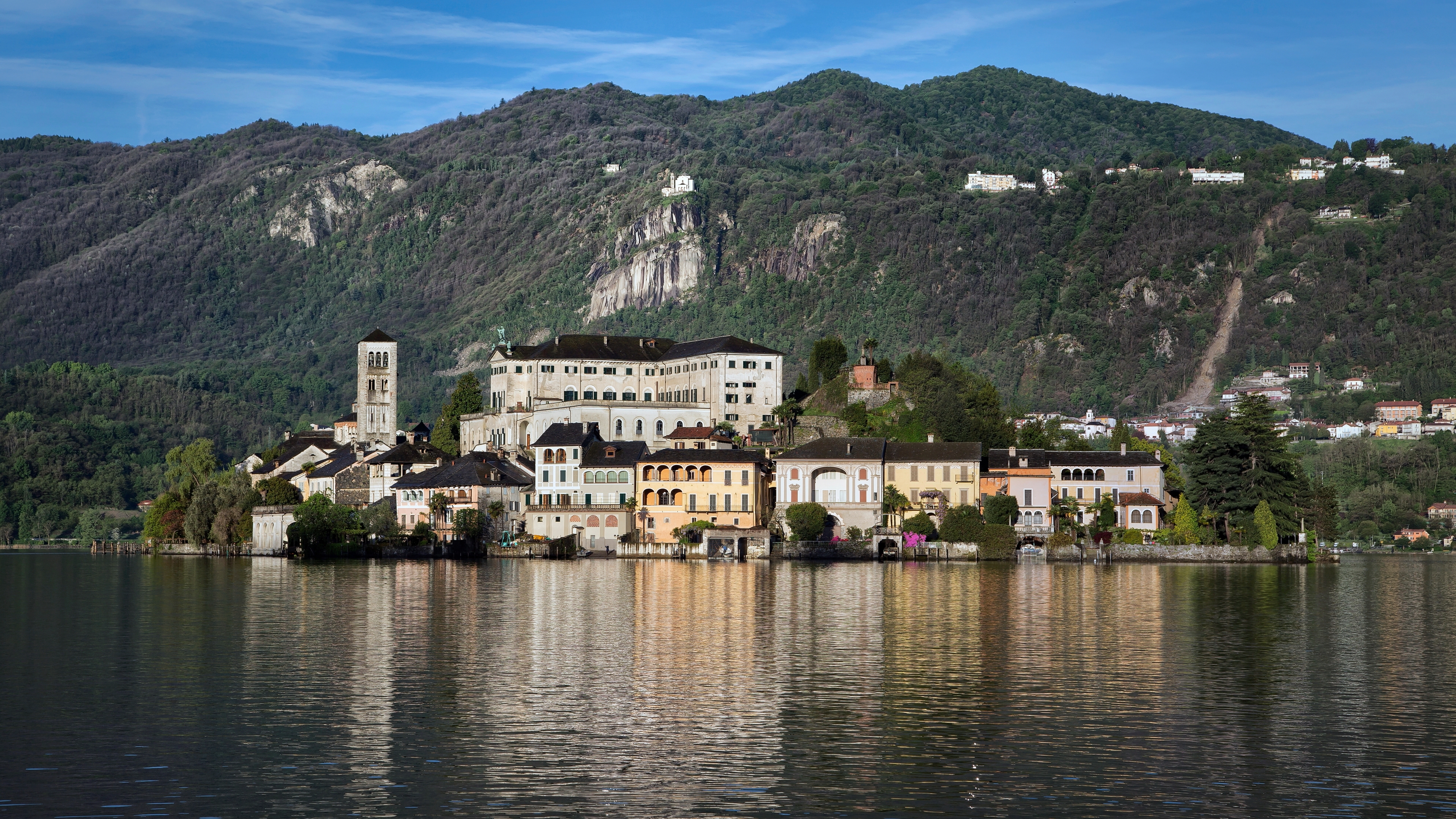
On the western side of the peninsula, where the Sacred Mount chapels stand, before the magnificent, mystical island of San Giulio, the village of Orta San Giulio is a renowned summertime resort and tourist destination. One thing attracting tourists to Orta, just as for the whole lake, is the event-packed cultural calendar, with staples like “Ortafiori” (a flower show taking place on the Salita della Motta), important musical events like the “Festival Cusiano di musica antica”, the “Settembre Musicale” held on the island of San Giulio, and the “Orta Festival.” The name Orta San Giulio comes from the evangelizing saint sent by the Emperor Theodosius in the fourth century to fight Arian heresy. First a Longobard territory, then a Frankish one, around 962 it passed into the hands of the Novara bishops via concession of Emperor Otto I, who took it from Berengario II after a historic siege. The bishops had to wait until the new millennium, however, before they could exercise real jurisdiction over the territory: in 1219, after several fights with the local lords, the episcopal hegemony was finally affirmed. It only ended in 1817, when power was transferred to the House of Savoy.