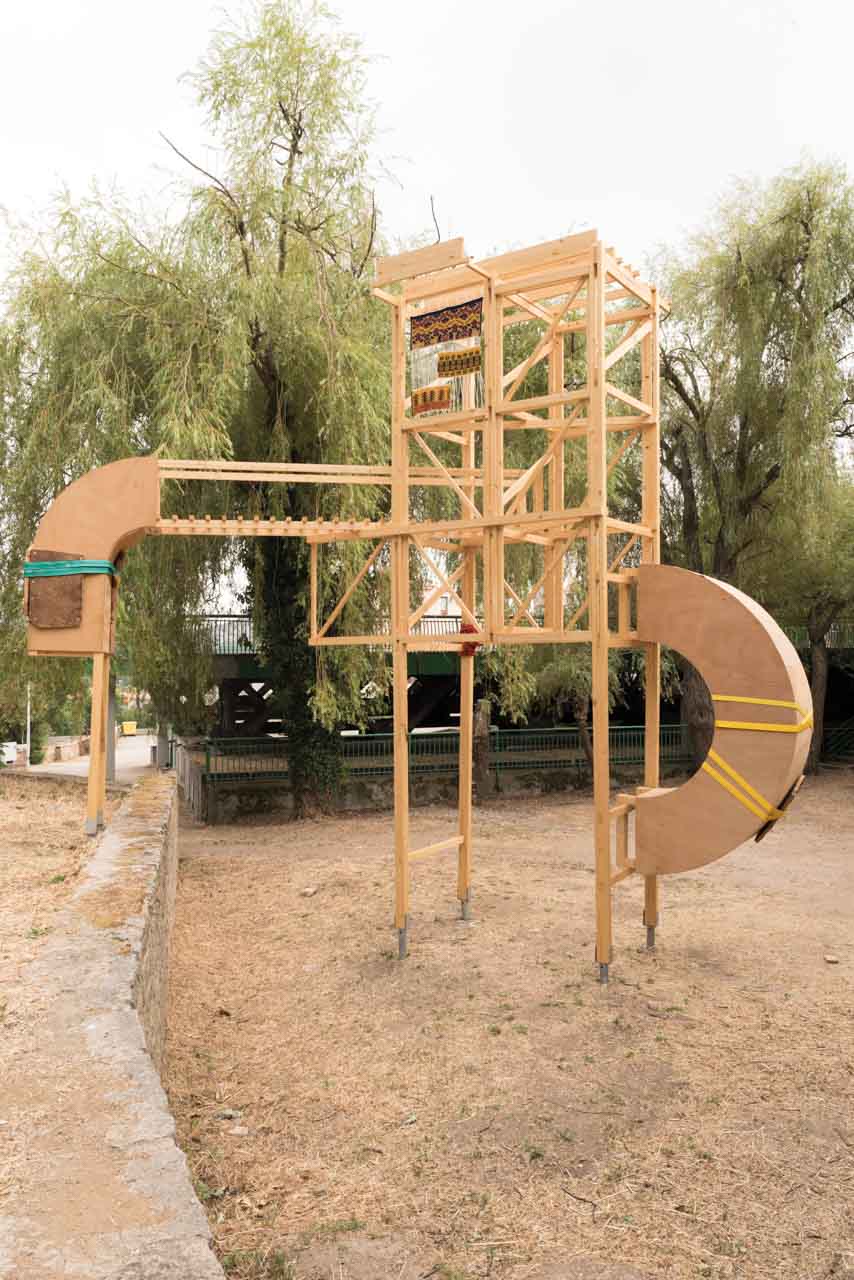
Ludovica Carbotta
Paphos
Per il borgo di Aggius l'idea è quella di presentare un'entità in costante progressione: paphos. Il progetto al quale sto lavorando dal 2020 mette a confronto la nozione di crescita con quella di processo scultoreo. In questo caso diventa una scultura praticabile che sembra essersi adattata e aver ricevuto le sue forme dal proprio ambiente geografico. Collocata nello spazio pubblico continua la sua crescita in maniera sproporzionata e si veste di elementi che contraddistinguono la cultura, i valori e l'ambiente locale.
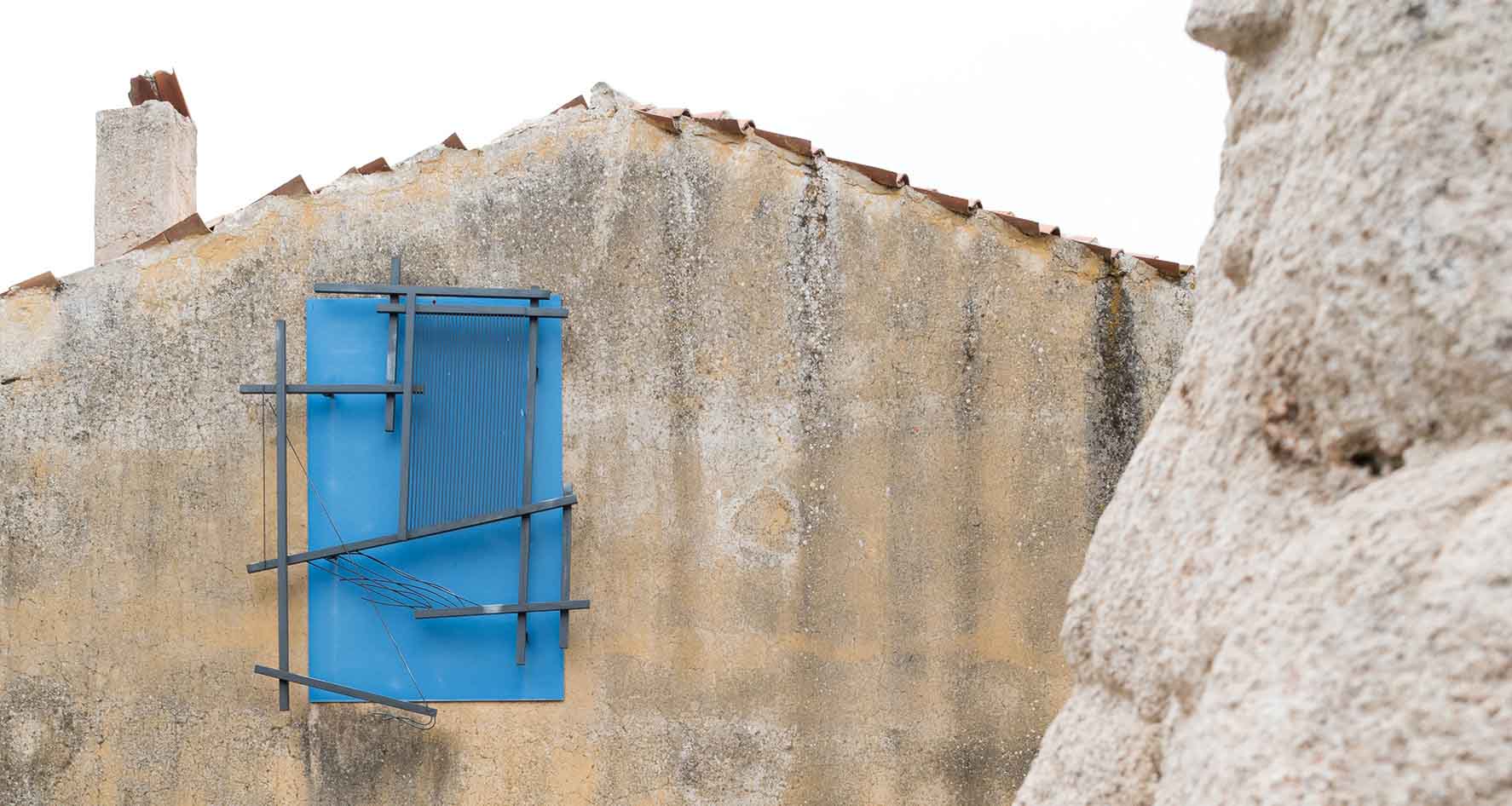
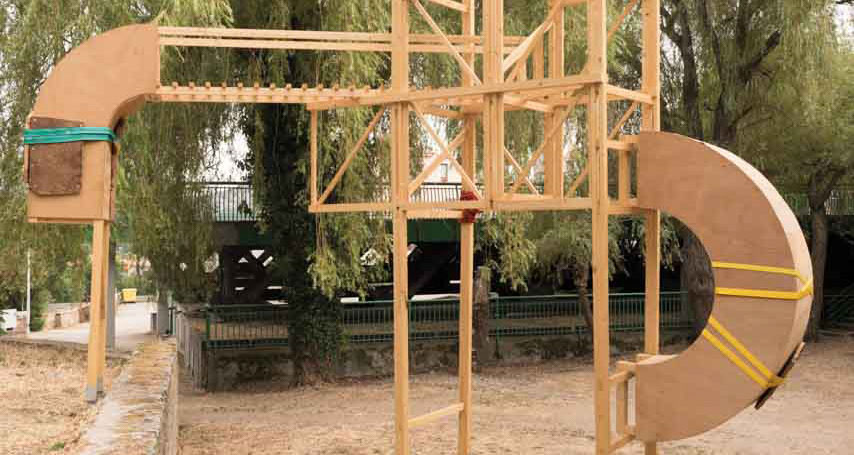
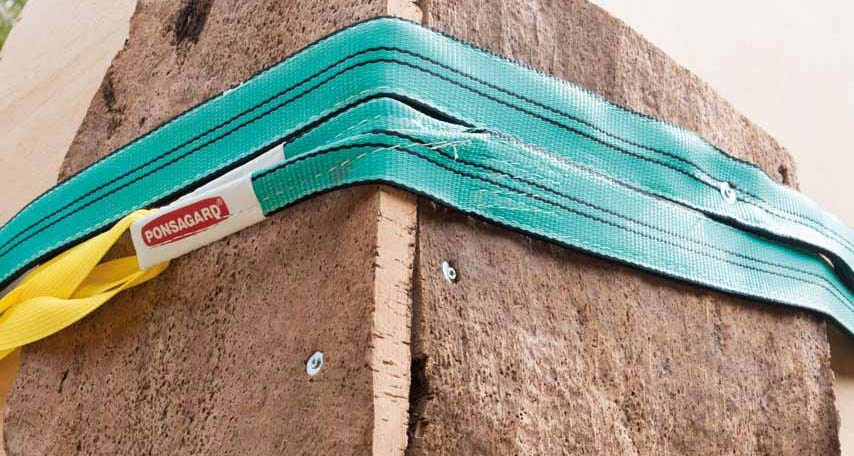
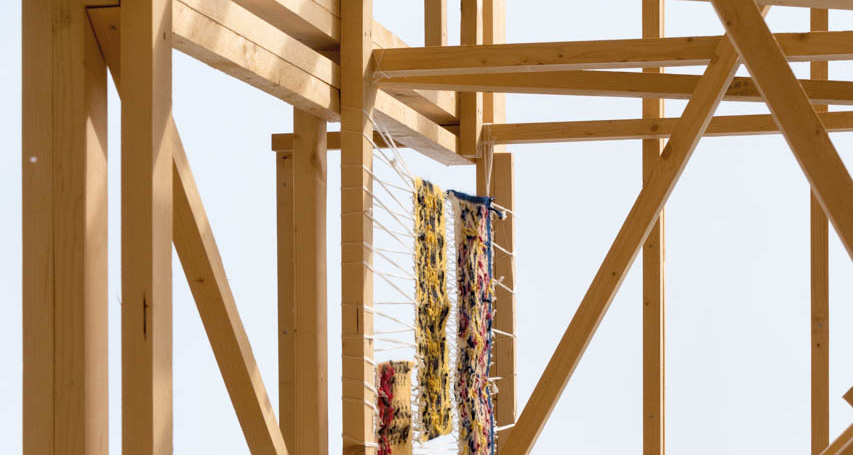
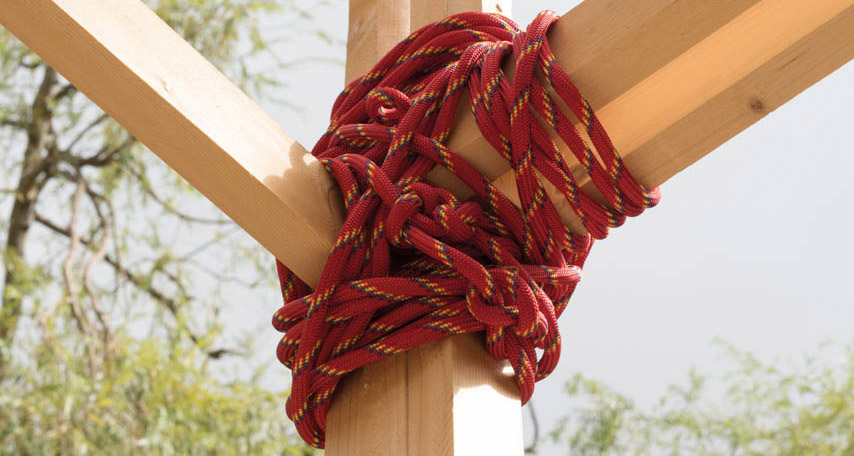
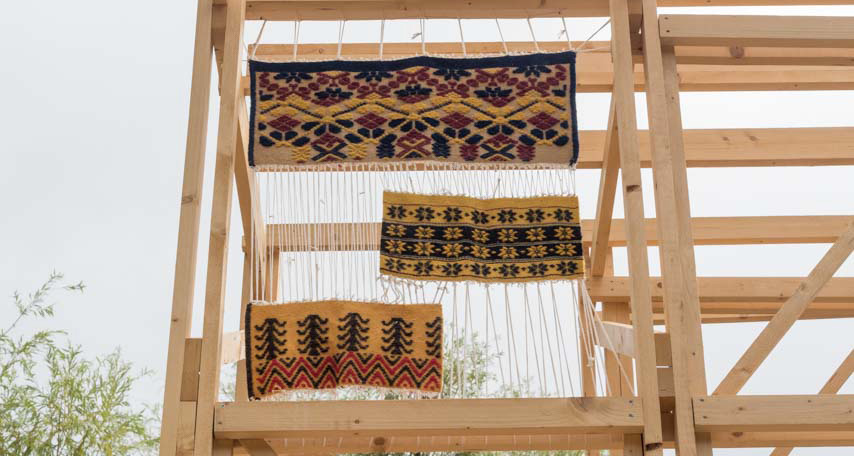
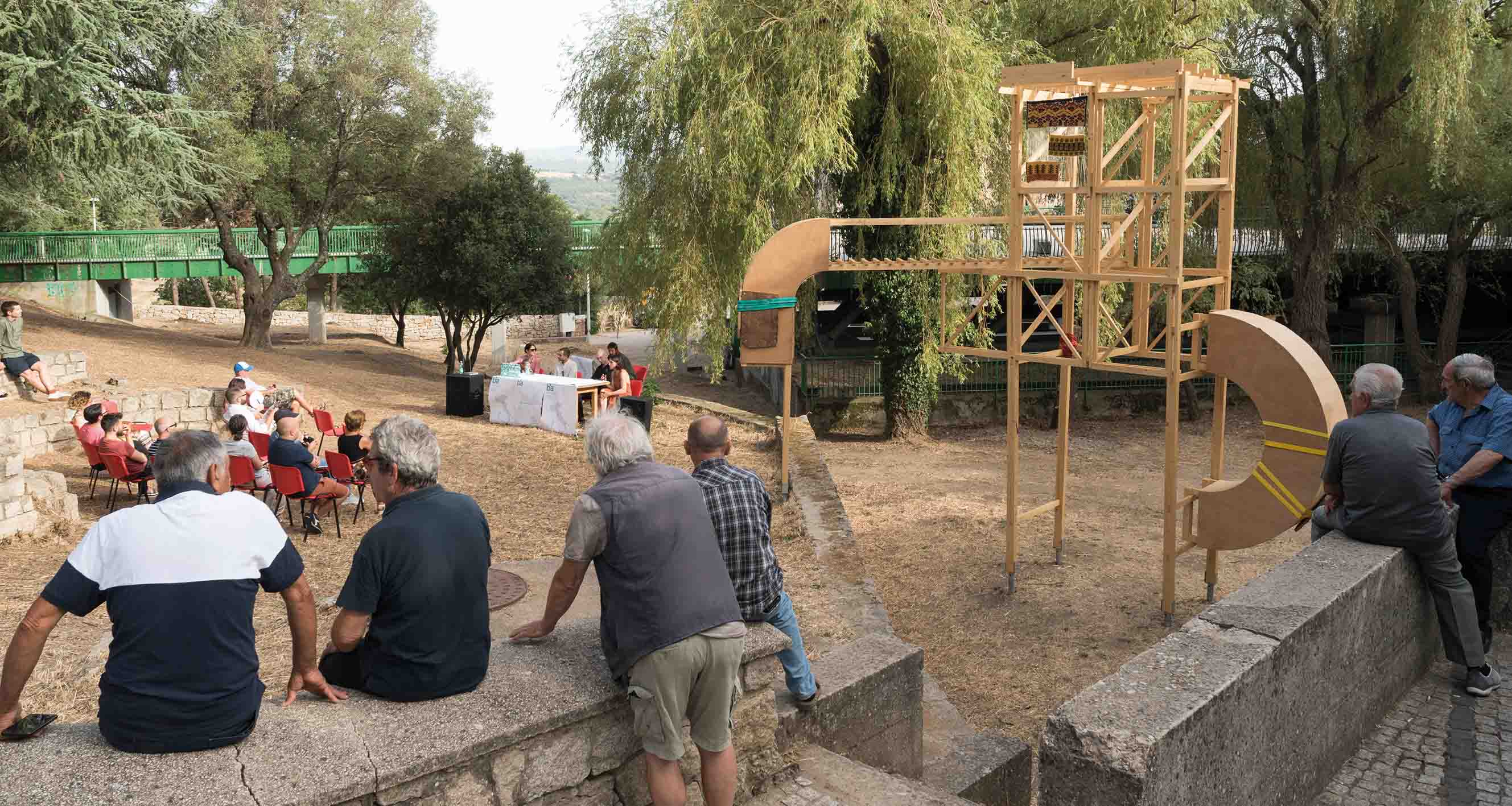
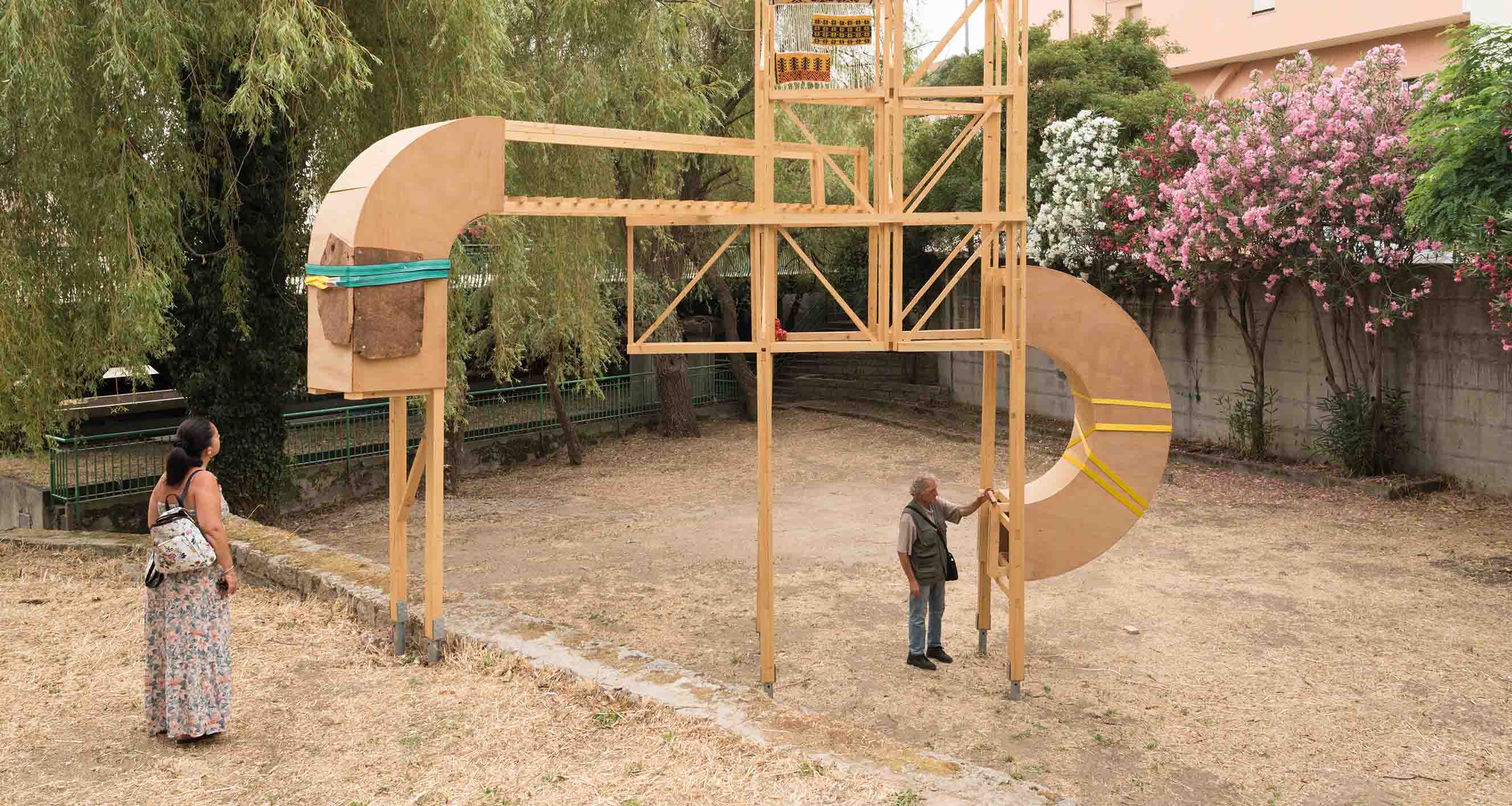
Ludovica Carbotta, Paphos, 2022, Aggius (SS), Sardegna. Ph. Mario Saragato
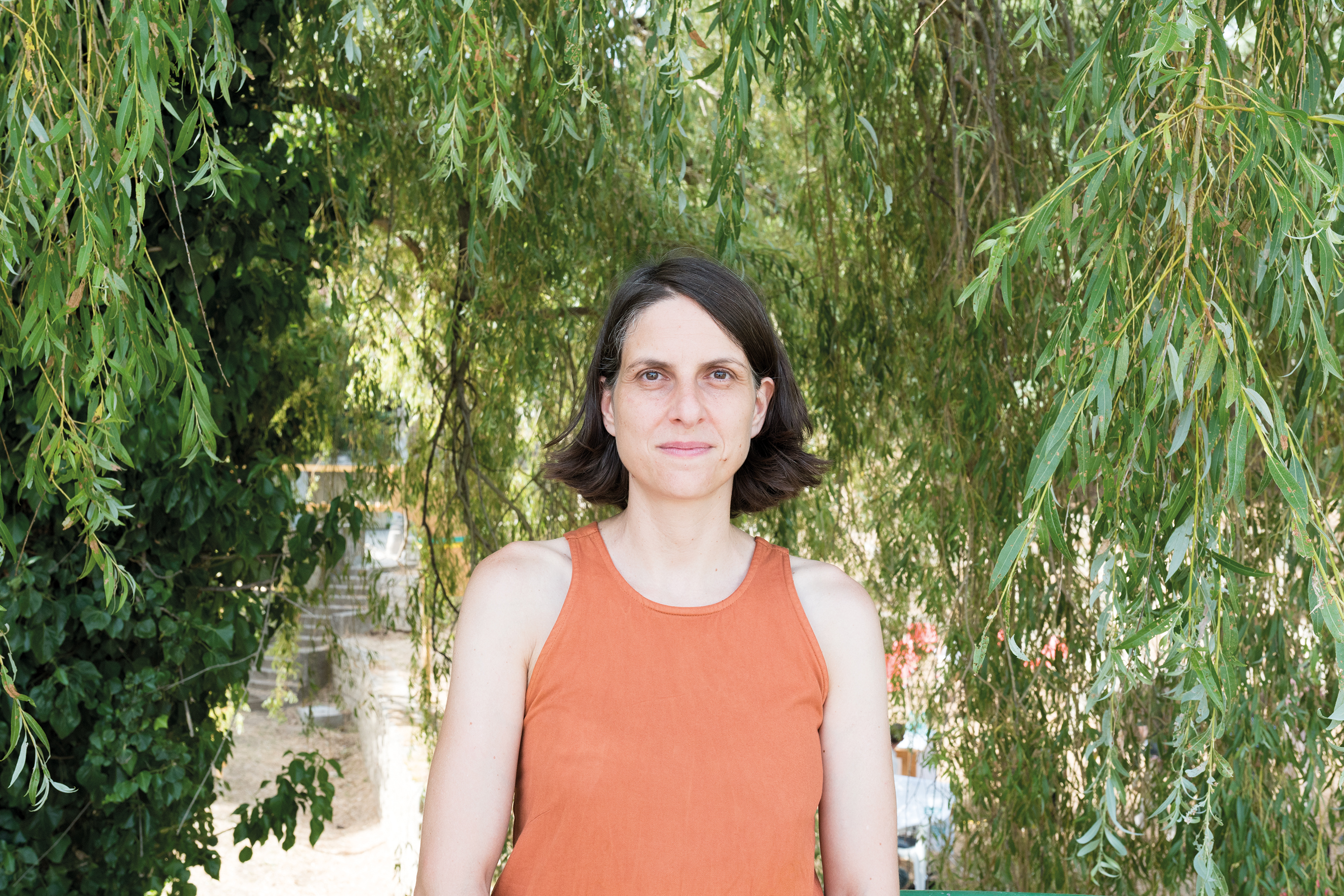
After graduating in Painting at the Albertina Academy of Fine Arts in Turin, Ludovica Carbotta (Turin, 1982) continued her education by graduating in Fine Art at Central Saint Martins in London. Still in the same city, she obtained a Masters in Fine Arts at Goldsmiths University. Her artistic practice focuses on the physical exploration of urban space and how individuals make connections with the environment they inhabit. Poised on the boundaries between reality and fiction, recent works combine installations, texts and performances that take the form of medium-scale environments. Through them, Carbotta reflects on the notion of site, identity and participation. Specifically, in this phase of her research, she is exploring what the artist herself defines “specificity of the fictional site”, that is, a form of site-oriented artistic practice that takes into consideration both imaginary places and real places that take shape starting from fictitious contexts, recovering the role of imagination as valuable for building our knowledge. According to Carbotta, with the imagination it is actually possible to create a place to belong to, but this will inevitably be influenced by the reality of the language that constitutes it as an object.
Her work has been exhibited in solo and group exhibitions in prestigious institutions, in Italy and abroad, such as Fondazione Sandretto Re Rebaudengo (Turin, 2019) and Fondazione SmART (Rome, 2019), The Drawing Center (New York, 2018 and 2019) and Museu do Louvre Pau Brazyl (São Paolo, 2019). Among the awards she has won, we remember the Special Mention at the Premio ITALIA (MAXXI Museum, Rome, 2016) and the New York Prize (ISCP / Columbia University, New York, 2018). Ludovica Carbotta is one of the two Italian artists selected by Ralph Rugoff, curator of the 58th Venice Biennale, for the international exhibition of the Venetian event.
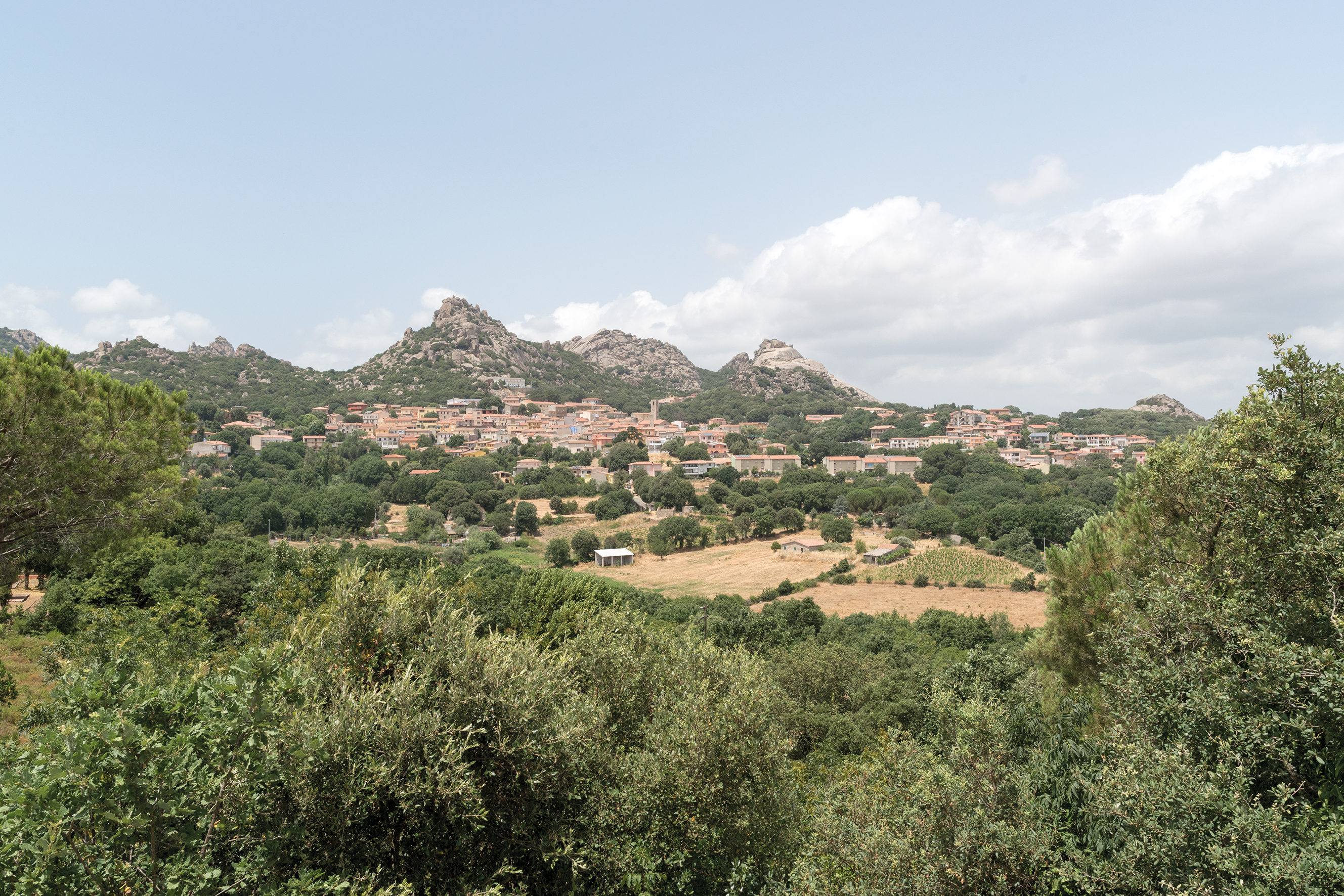
Aggius is a small village of about 1,427 inhabitants in the province of Sassari, in the historical sub-region of Gallura. It stands at the foot of a granite ridge and the presence of man in the area has been recorded since prehistoric times, as evidenced by the traces still present in the entire area surrounding the town: rock shelters, caves, Tafoni, Nuraghi, Domos de Janas and Conche are the elements of a landscape in which granite is the hallmark. The Oliva Carta Cannas ethnographic museum located in the centre preserves the history, traditions and popular culture of Gallura, from 1600 to the present day. In 1726, a very detailed report by the local authorities claimed the town of Aggius to be the leader in the clandestine trafficking of cereal grains. On the facade of the building of the old Magistrate’s Court, which today houses the Banditry Museum, we read: “scandalous shelter and favour… of bandits and troublemakers”. The AAAperto Museum of Contemporary Art collects and organises in an organic way all the works left by the artists who have stayed here over the years, letting the places, people, culture, traditions, colours and scents be a source of inspiration for them, some of the artists who have passed through are: Maria Lai, Giovanni Campus, Rosanna Rossi, Narcisa Monni, Vittoria Soddu, Simone Sanna, Gianni Polinas, Luigi Musa, Jurgen Gabriel, Tellas.