Eva Marisaldi
Per vari motivi
Le opere che formano il percorso espositivo sono realizzate in collaborazione con Enrico Serotti, consorte e costruttore di diversi strumenti sonori automatici
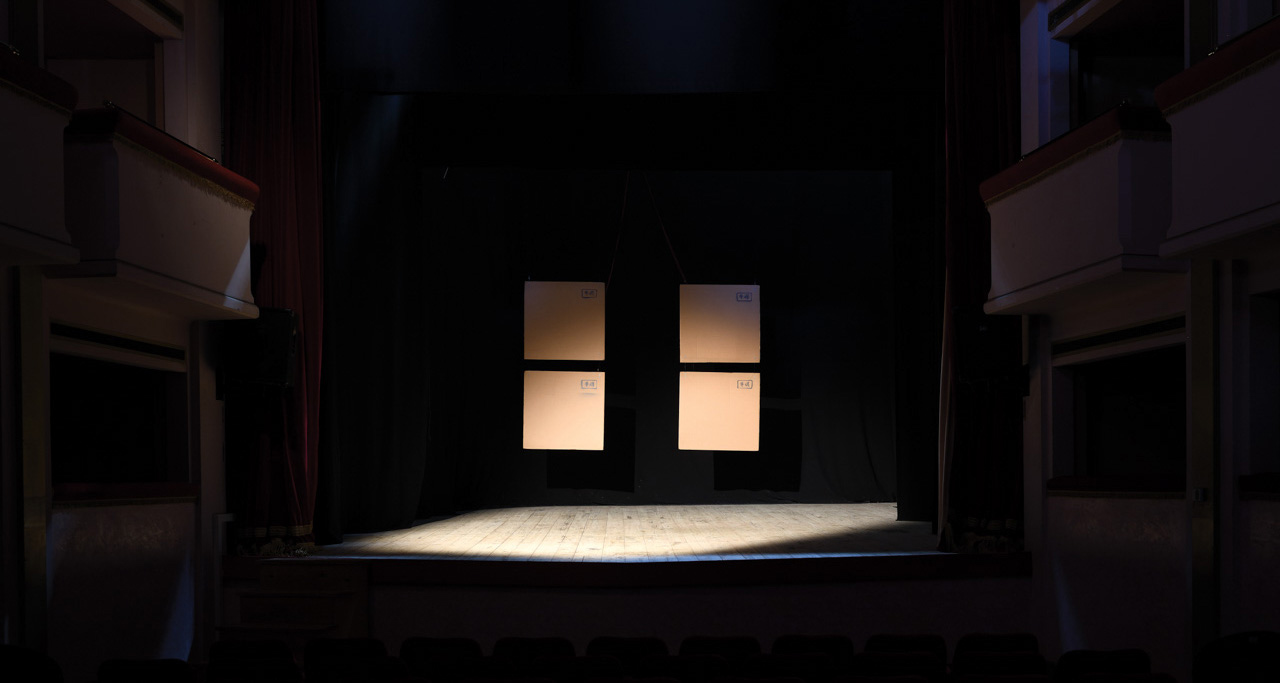
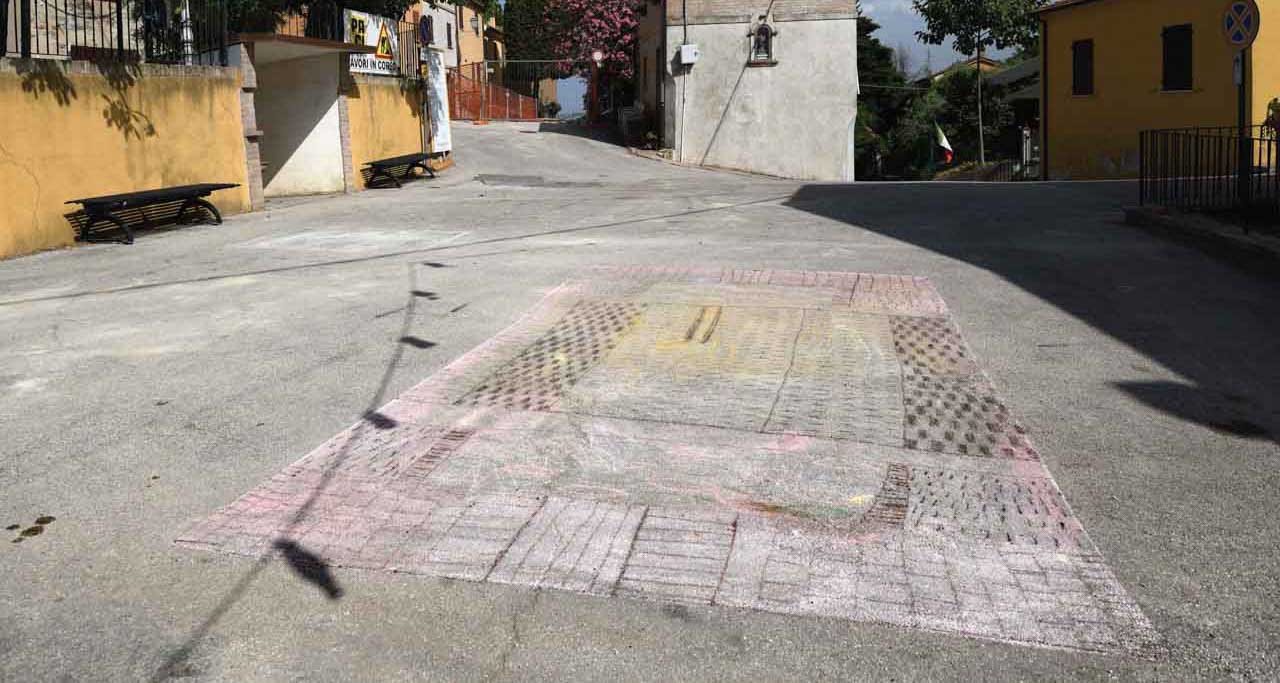
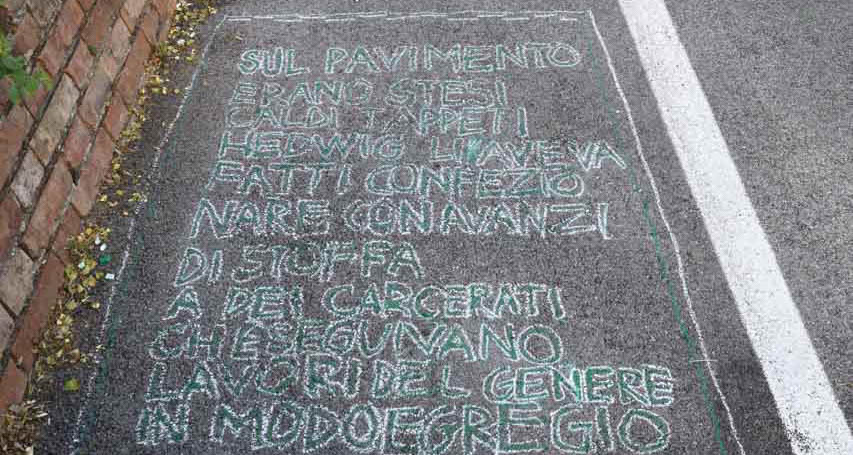
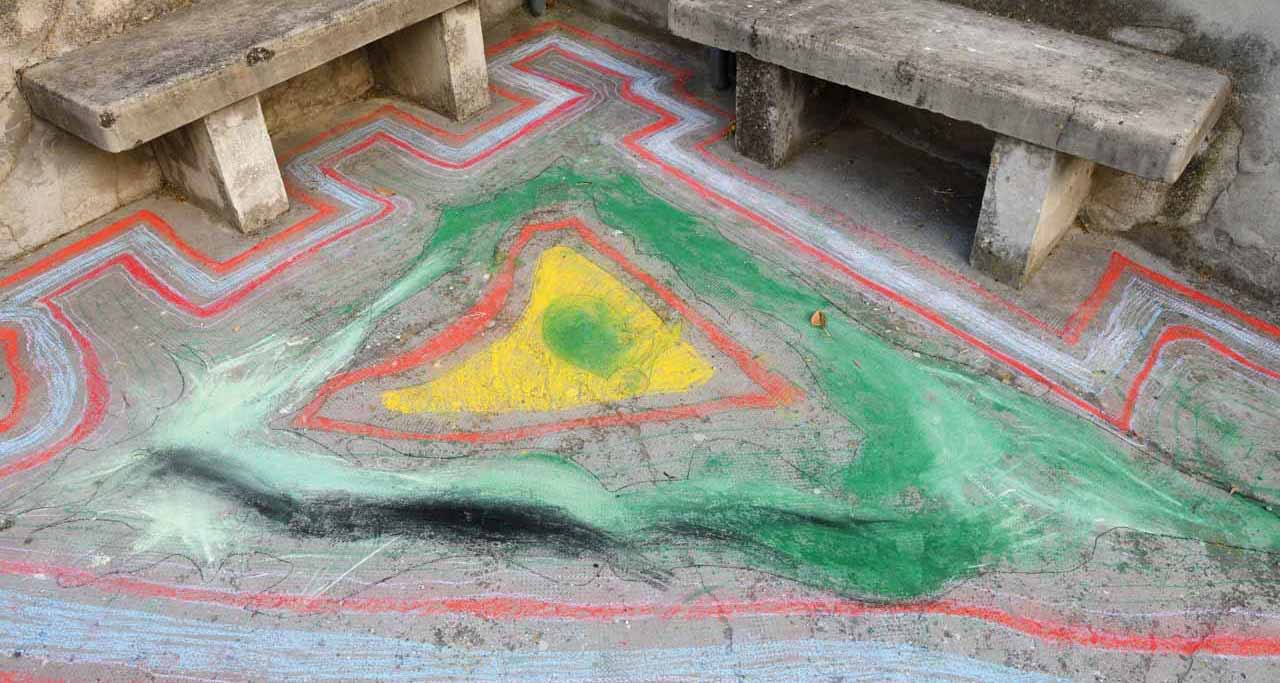
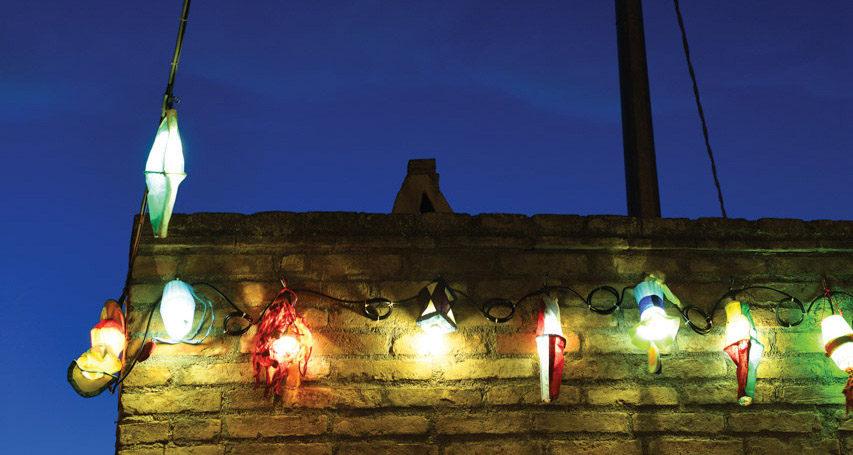
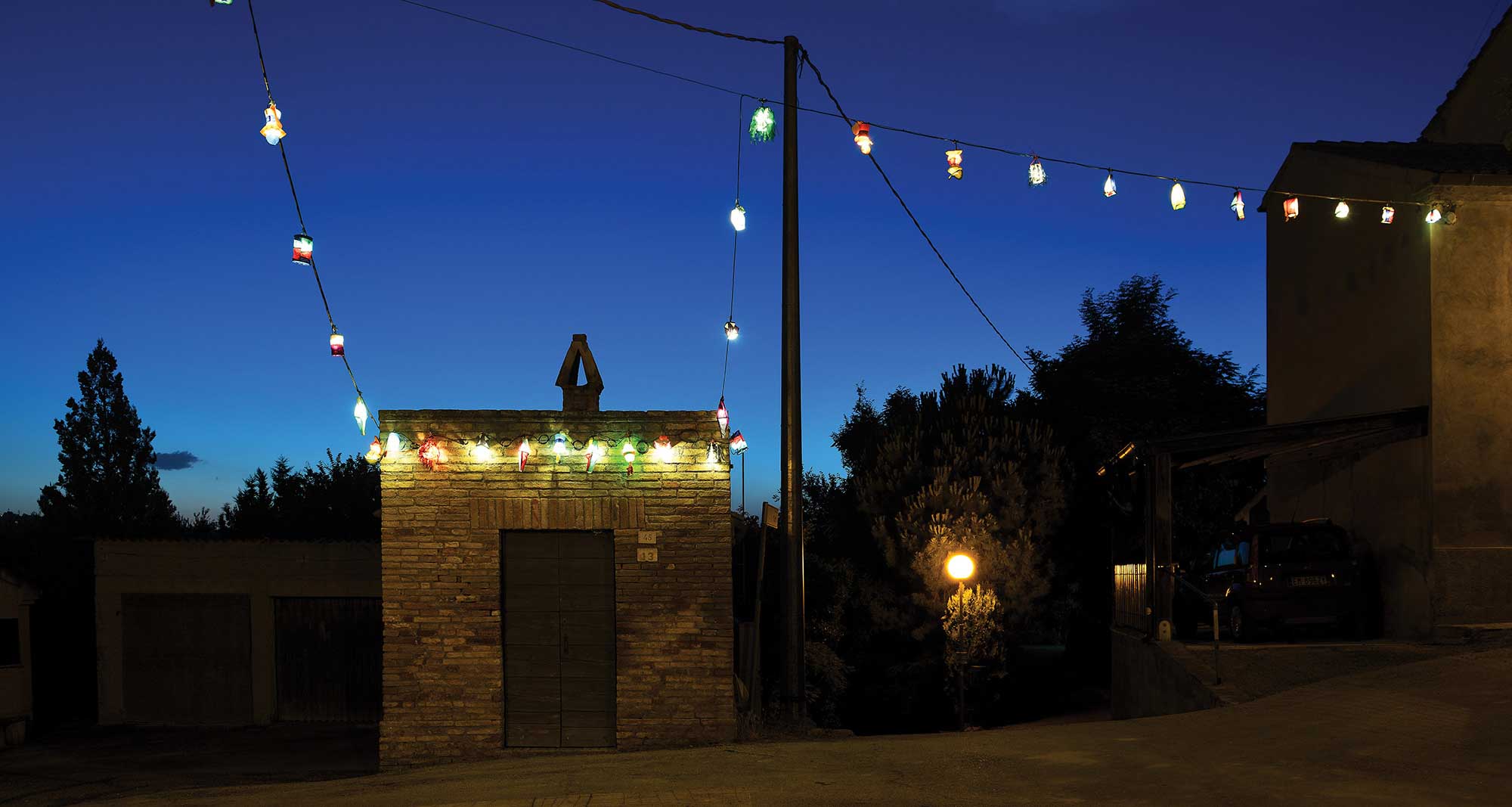
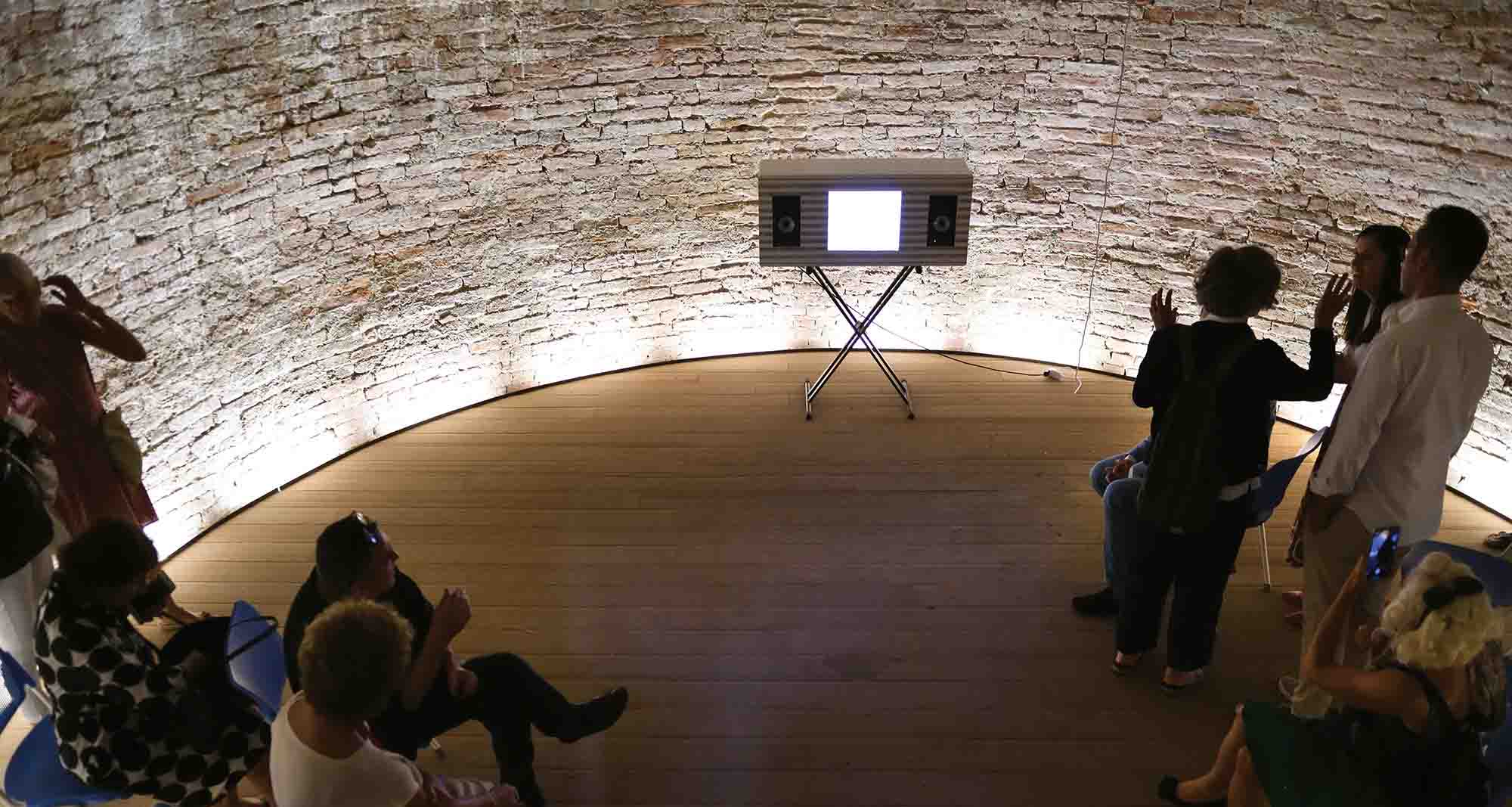
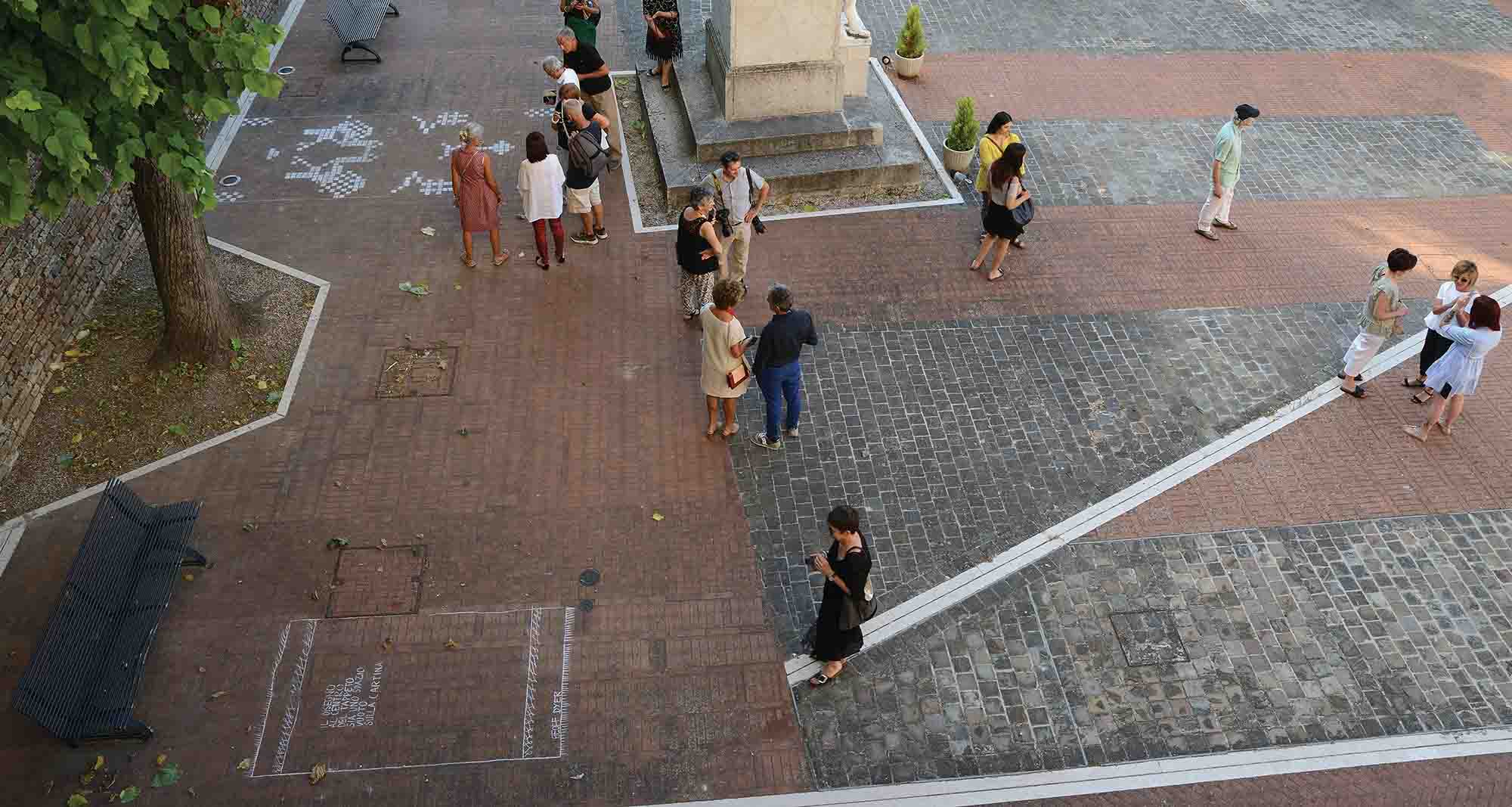
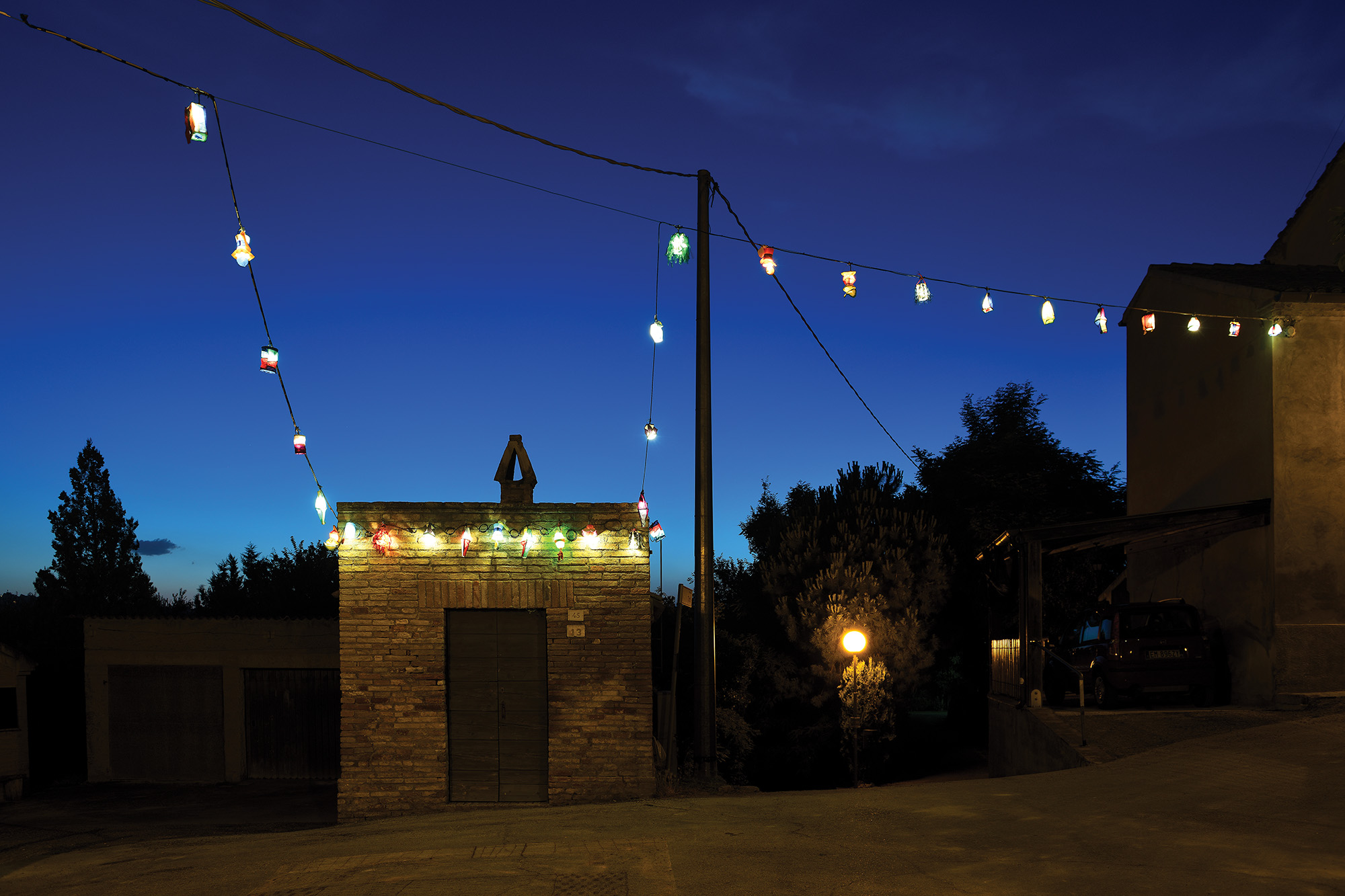
Eva Marisaldi, Per vari motivi, San Costanzo (PU), Marche. Ph. Michele Alberto Sereni
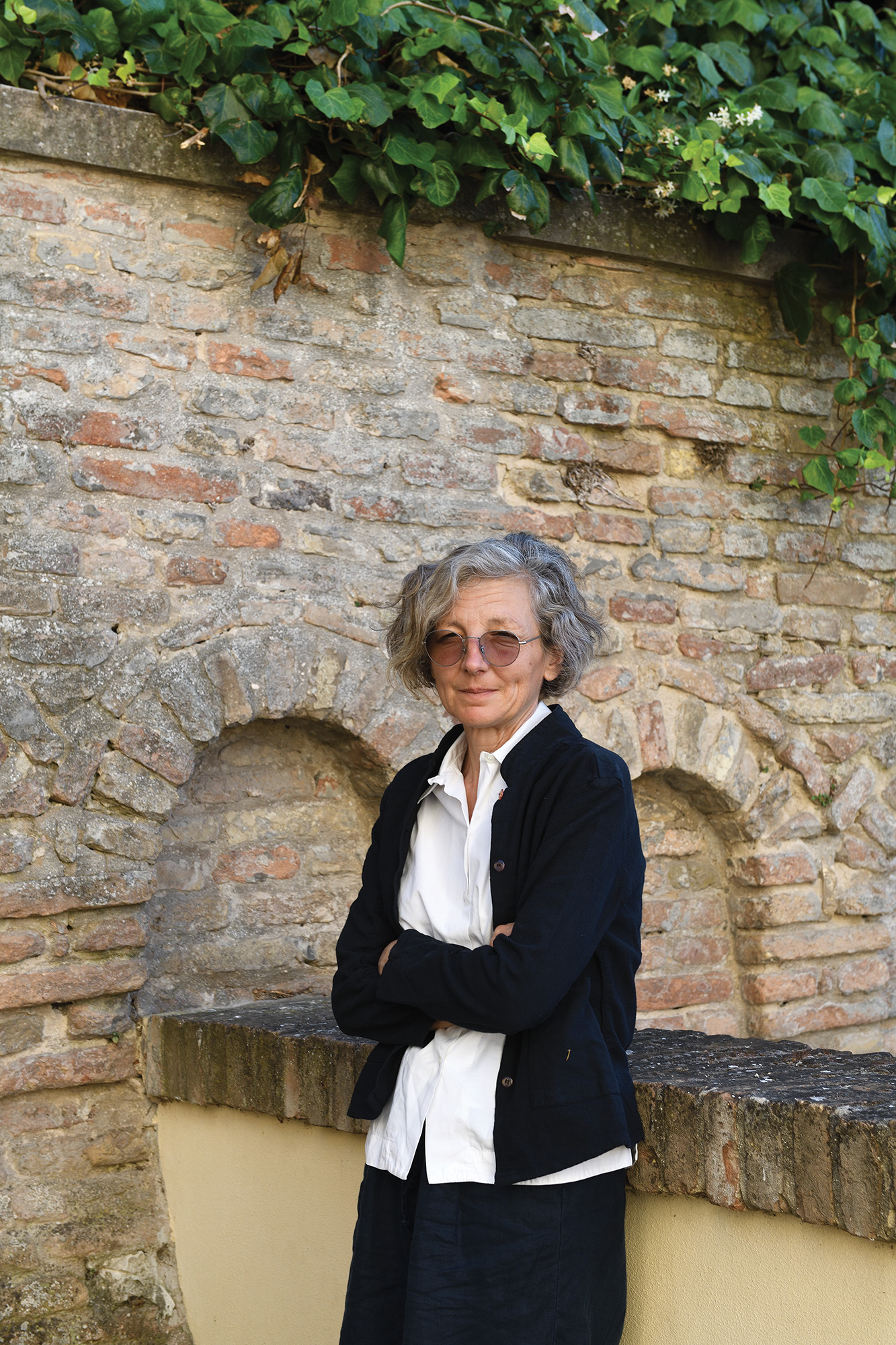
The work of Eva Marisaldi (Bologna, 1966) focuses on the modalities of communication and language, and on the rules that influence our behaviour. She uses different media such as drawing, photography, sculpture, video, installations, kinetic art and performance to decode, in an almost anthropological way, what lies behind conventions. She studied at the Academy of Fine Arts and DAMS in Bologna, where you made your debut in 1988 at the “Biennale dei giovani artisti dell’Europa Mediterranea” or “Biennial of Young Artists in Mediterranean Europe”.
She has presented her work in many international exhibitions, including the Venice Biennale (1993), Istanbul Biennale (1999), Venice Biennale (2001), Sonsbeek 9, Arnhem (2001), Happiness, Mori Art Museum, Tokyo (2002 ), Lyon Biennale (2003), Alexandria Biennale (2003), G3, Vira (2003), Sevilla Biennale (2004), Gwangju Biennale (2004), Quadriennale in Rome (2005), two special projects for Art Basel (Basel, 2001 , Miami, 2007), Italy 1980 – 2007, Hanoi, (2007), It’s not over yet, New York (2008), Piazze di Roma, MOCA, Shanghai (2010), No Soul for Sale, Tate Modern, London (2011 ), Documenta, Kassel (2012), Think Twice, Whitechapel, London (2012), Do it, Prishtina (2014), Time is thirsty, Kunsthalle, Wien (2019), International biennal of ceramic art, Jingdezhen (2022). She has also had some solo exhibitions in Italy (Bologna, Milan, Florence, Naples, Rome, Trento, Turin, Palermo, Parma, Brescia) and abroad (London, Munich, Brussels, Miami, Paris, Geneva, Montpellier, Annecy, Goteborg, Newcastle).
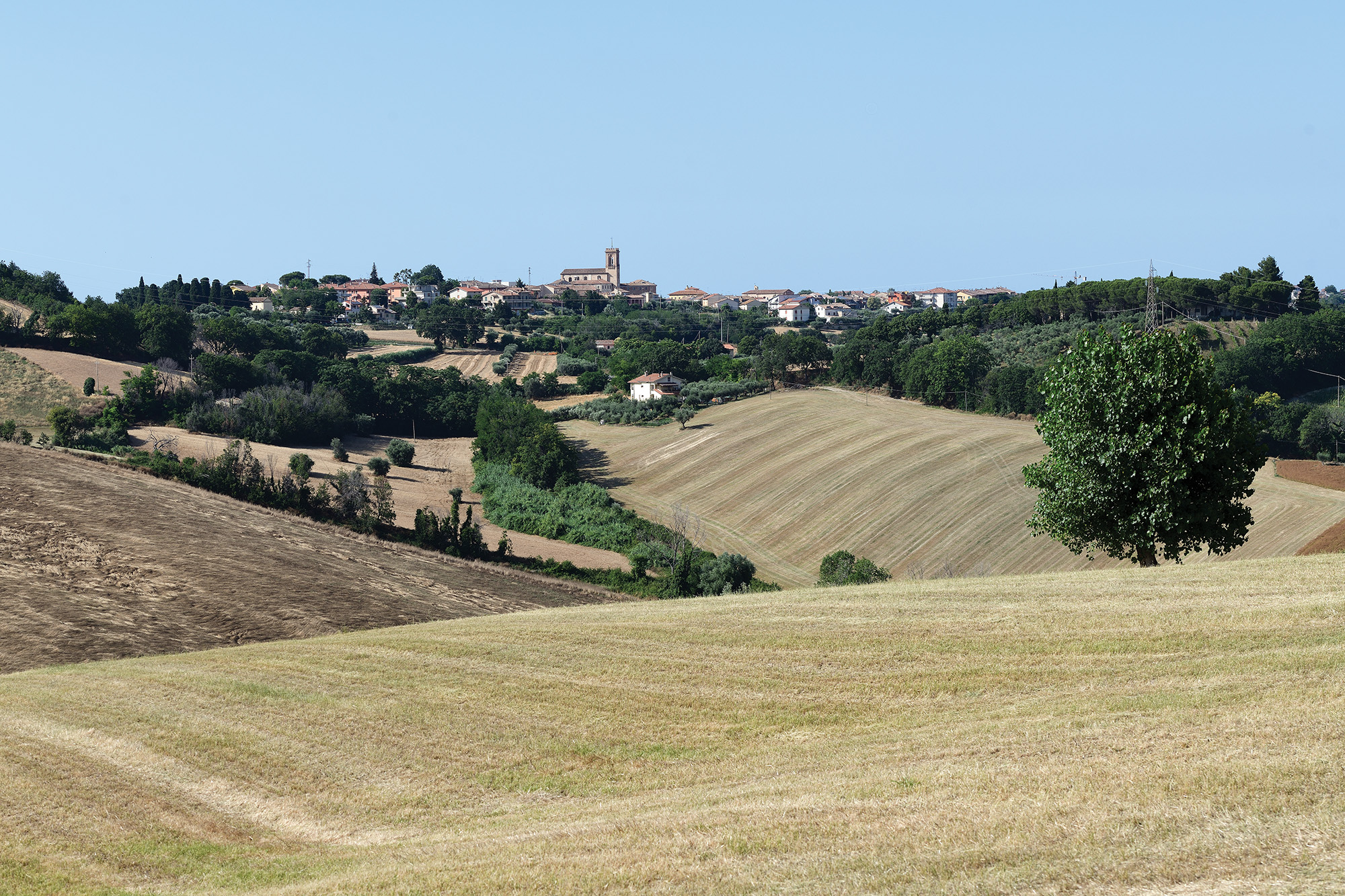
San Costanzo is a town of about 4,700 inhabitants in the province of Pesaro and Urbino. Located on the first hills overlooking the Marches’ coast, the village actually lies less than 5 km from the coast and is also comprised of the villages Cerasa and Stacciola. The first settlements seem to date back to the Iron Age, with the Piceni civilization. Between 2014 and 2016, on the occasion of the extension works of the cemetery carried out by the Municipal Administration, more than 150 burials from the Piceno period (VIII, VII and VI century BC) were excavated during the preventive archaeological works. Due to excavations in the 1920s the existence of a necropolis was already known about. Unfortunately, there were many items that weren’t preserved due to the bombing suffered by the National Museum of the Marches during the Second World War. San Costanzo, alongside other neighbouring towns, was located on the via Gallica, which allowed you to easily descend from the hills towards the sea and vice versa. By virtue of its unusual geography, San Costanzo was involved in one of the most important battles in history, the “Battle of the Metauro” (207 BC). Overall, the urban architecture of the village is reminiscent of the 1500s with many stately buildings of the nobility as well as homes of the middle and popular classes. The churches contain many artistically interesting pieces: in the Collegiate Church, you can admire an ancient Crucifix and a valuable painting on wood from 1958 depicting the Madonna found in the cave of San Paterniano in nearby Caminate; a painting by Ercole Ramazzani, depicting the nativity scene; a Madonna and Saints (16th century) by Domenico Fanese; and the 15 Mysteries of the Rosary and the Via Crucis, painted on small canvases.