Angelo Leonardo
Perché non dovrei vagare per i pascoli a cercare il vento?
curated by Alessia Delli Rocioli
Perché non dovrei vagare per i pascoli a cercare il vento?
Publication’s presentation with ziczic
10 October 2026 h. 5:00 pm
Piazzetta Codarda, Supportico Marucchio, Trivento (CB)
Angelo Leonardo
curated by Alessia Delli Rocioli
"The silent presence of Diana in Trivento has guided my research. I imagined a traversable intervention, capable of transforming public space into an intimate place dedicated to the goddess and to rest. In sleep, perhaps, it is possible to glimpse what remains elusive during the day."
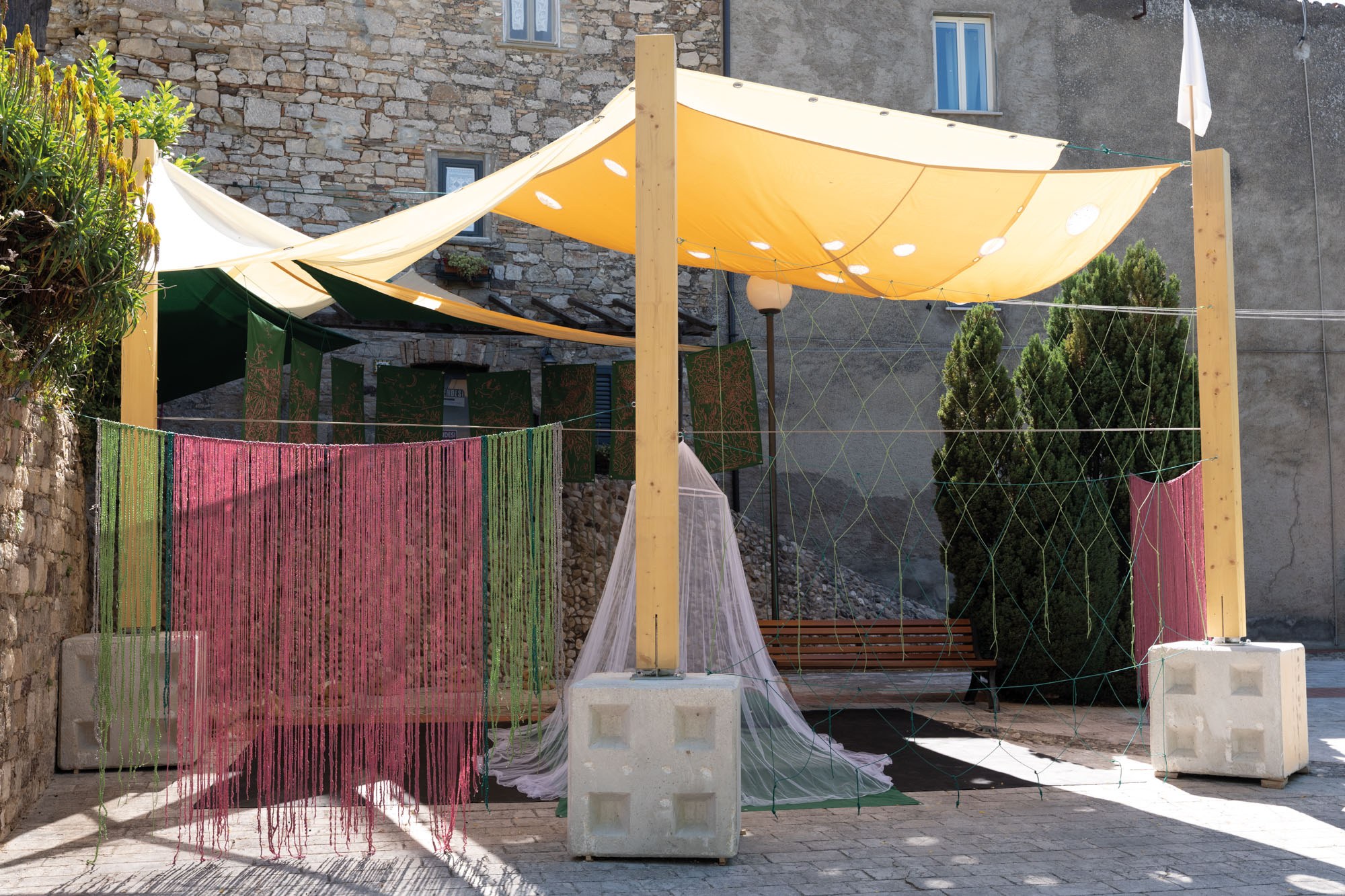
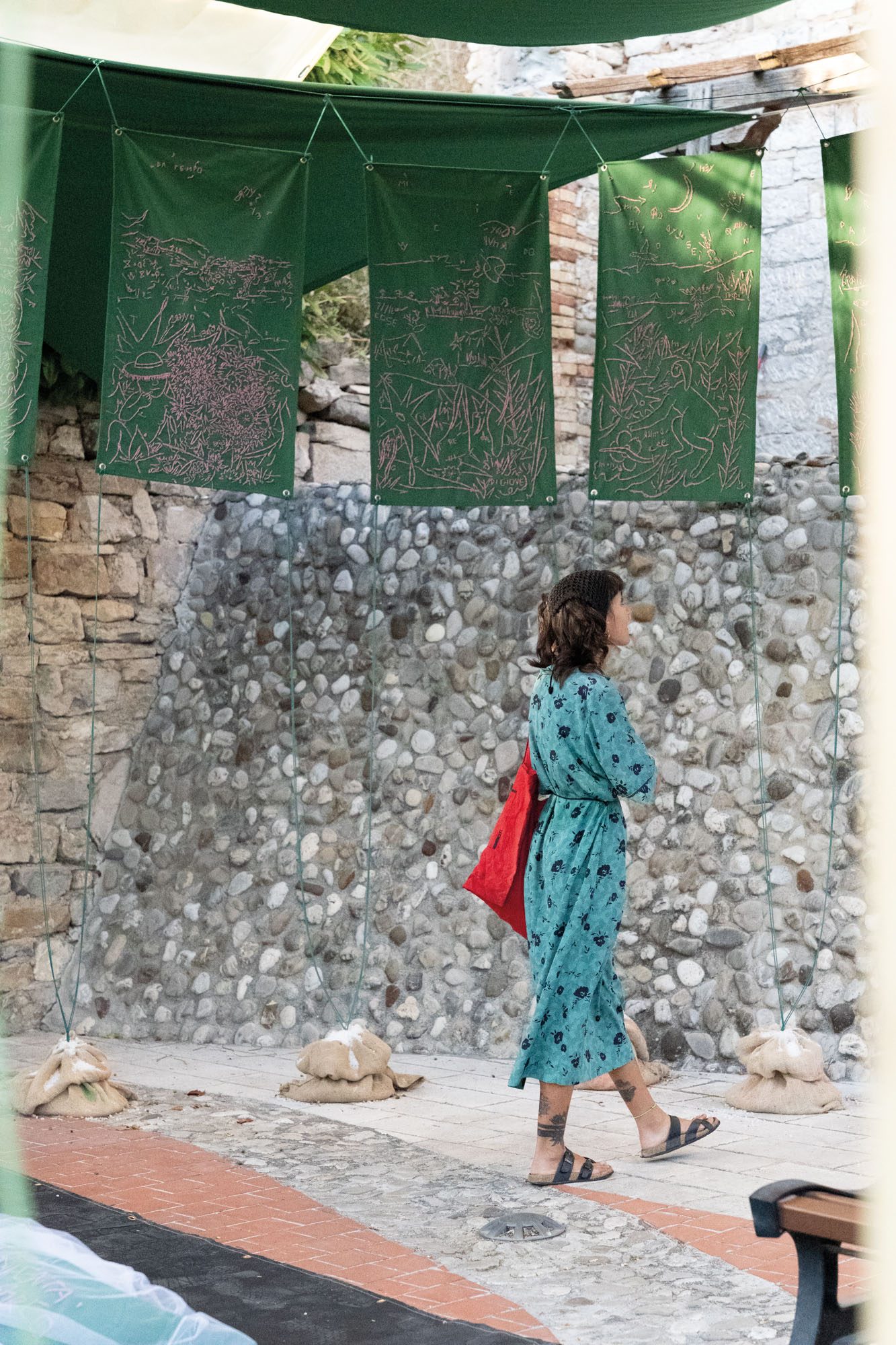
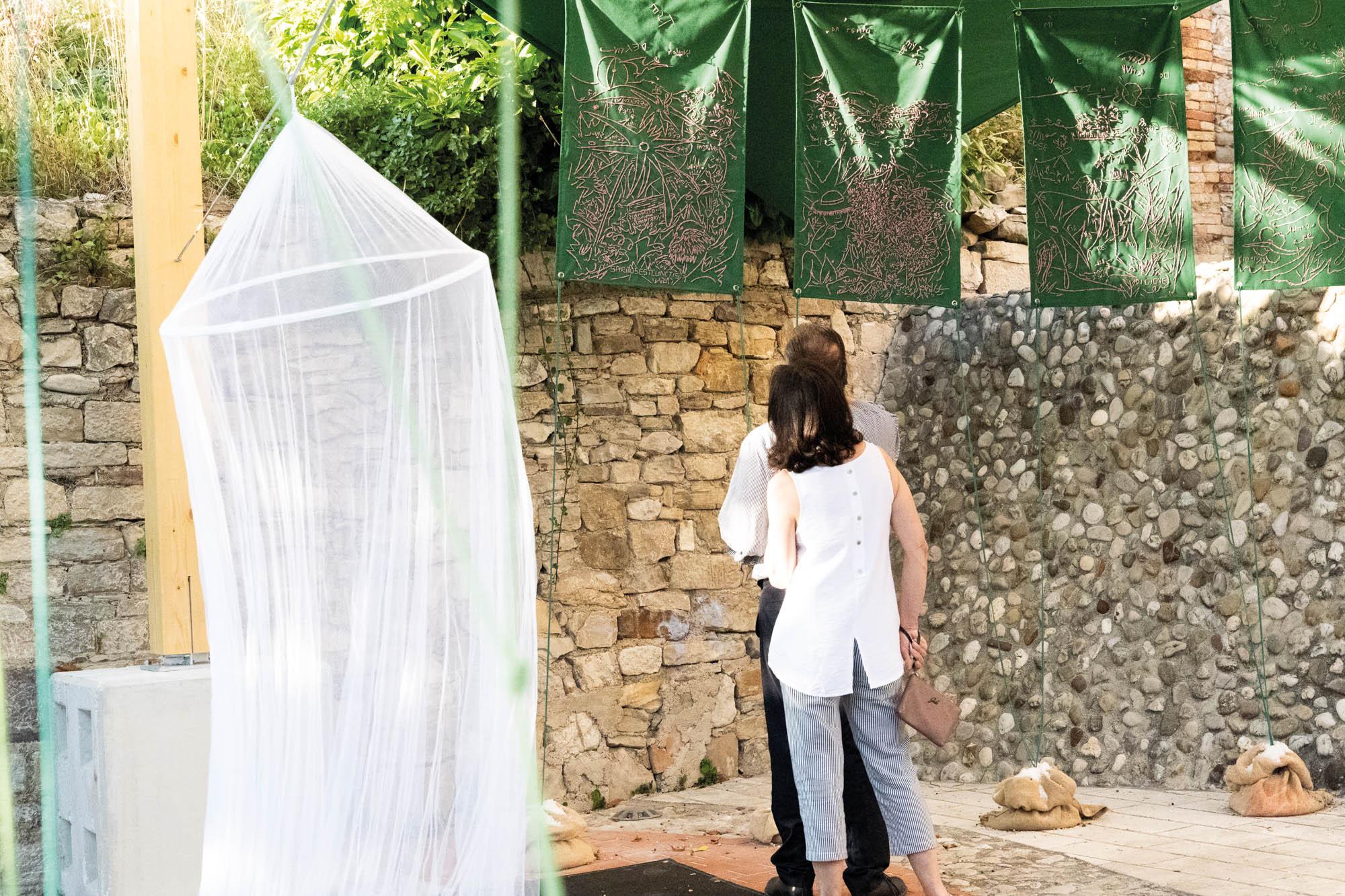
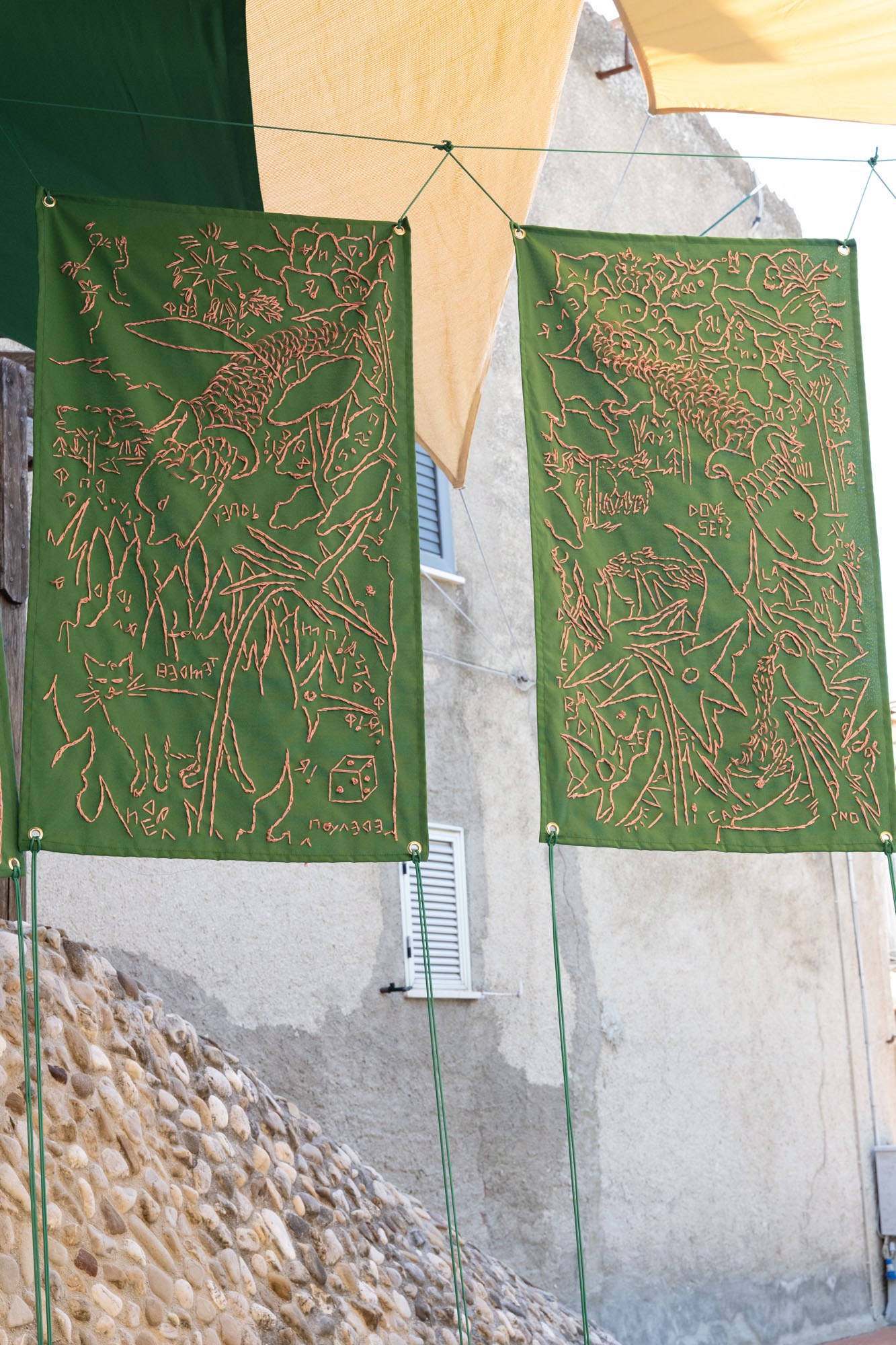
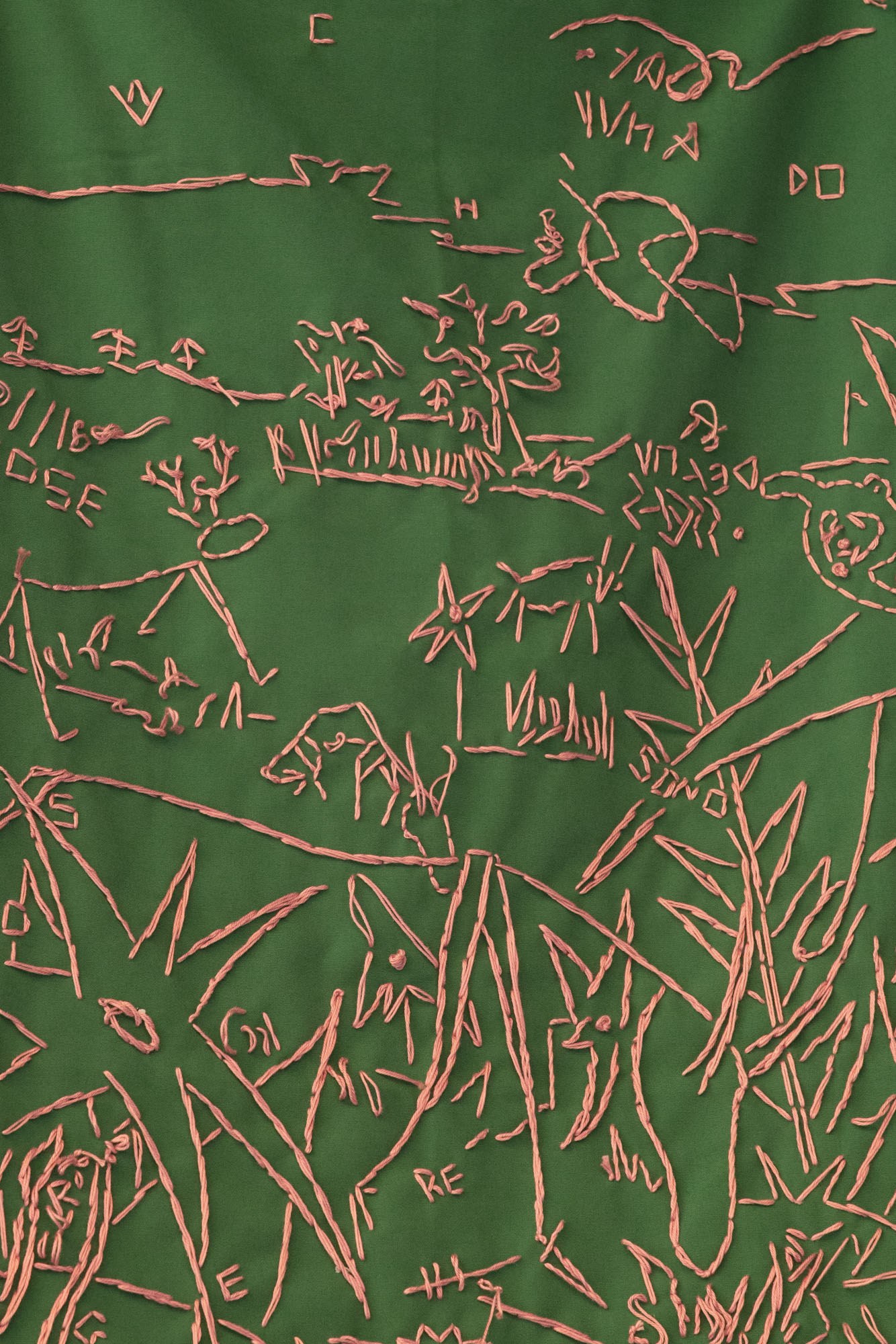
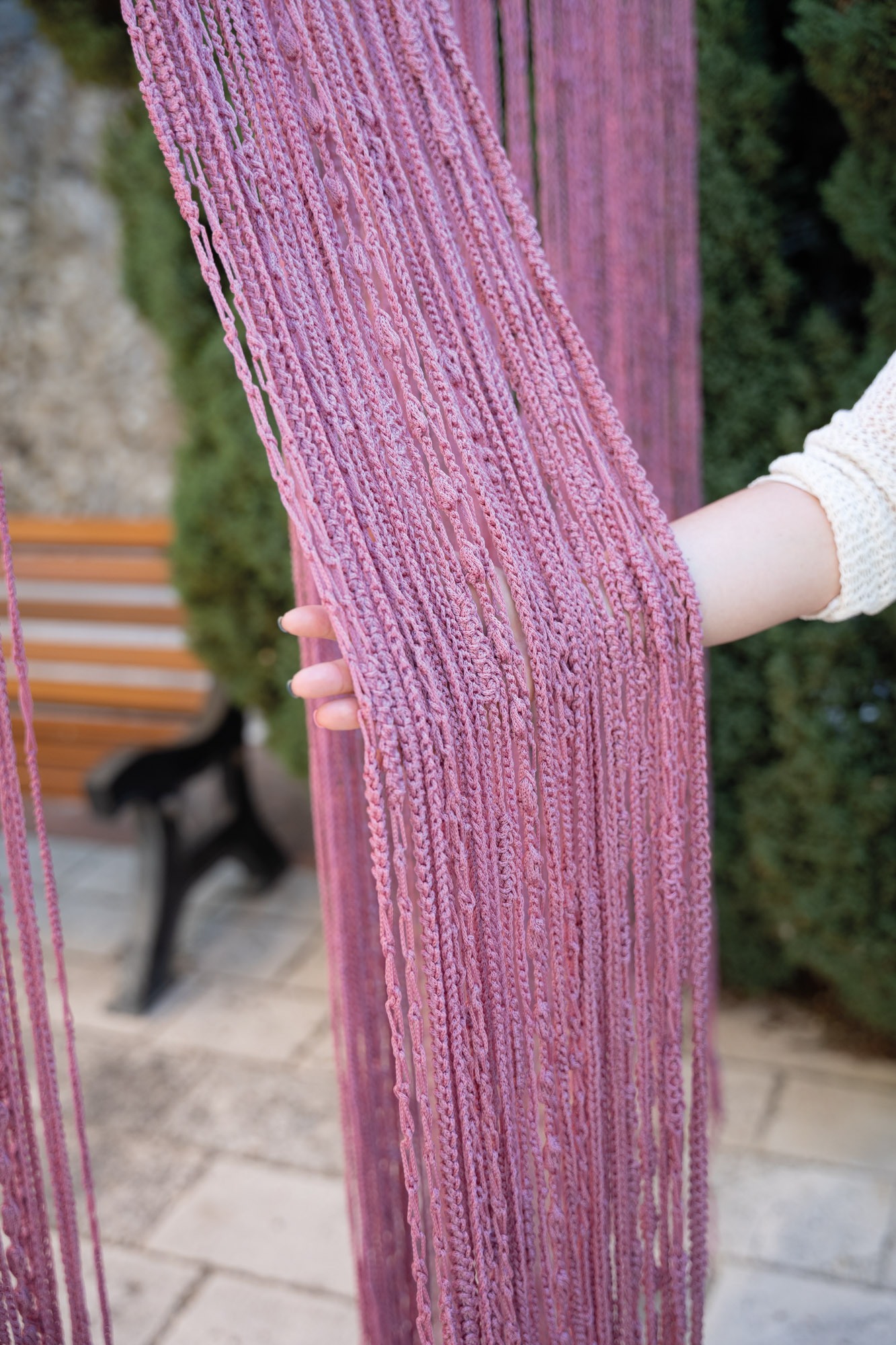
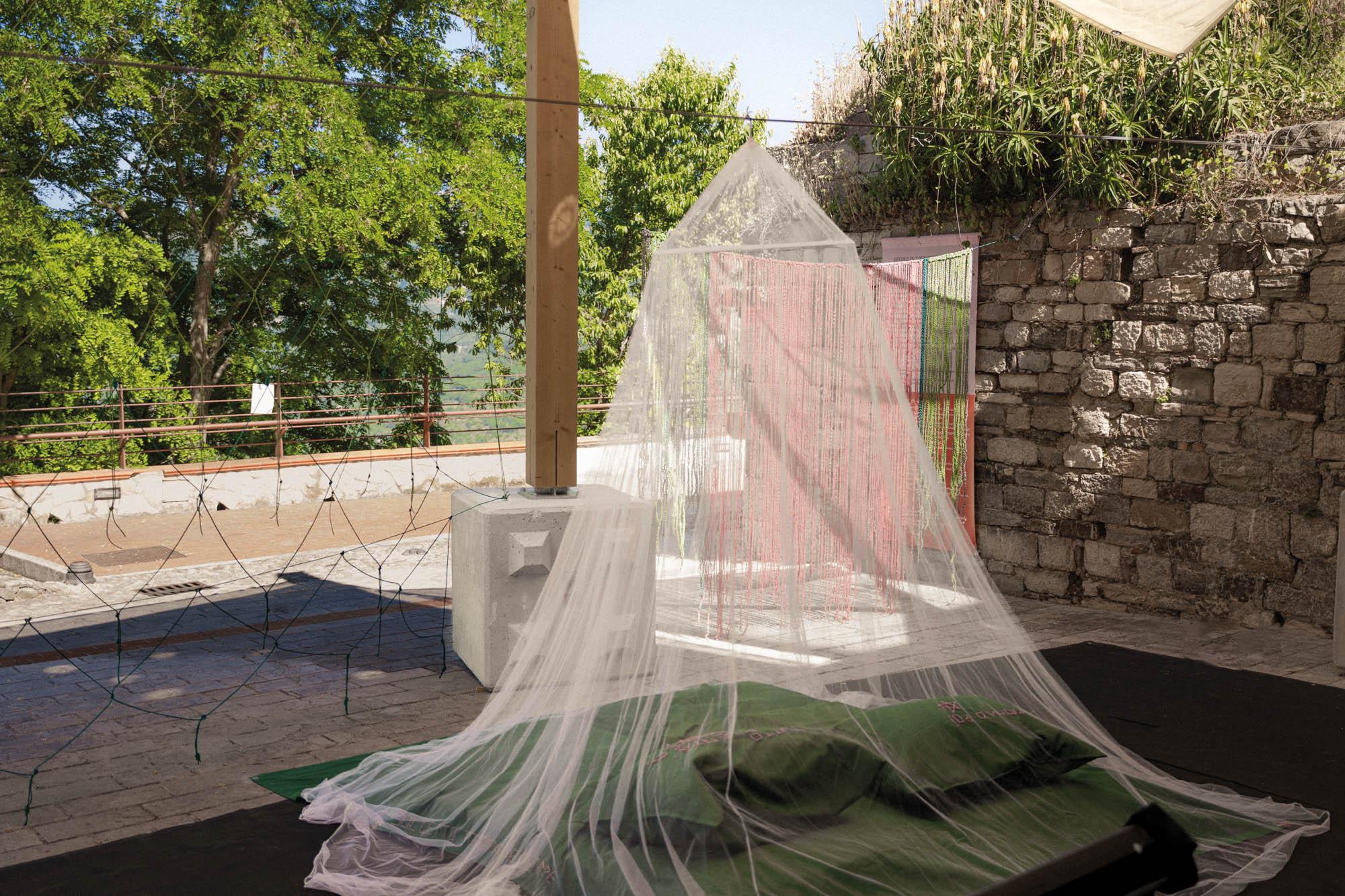
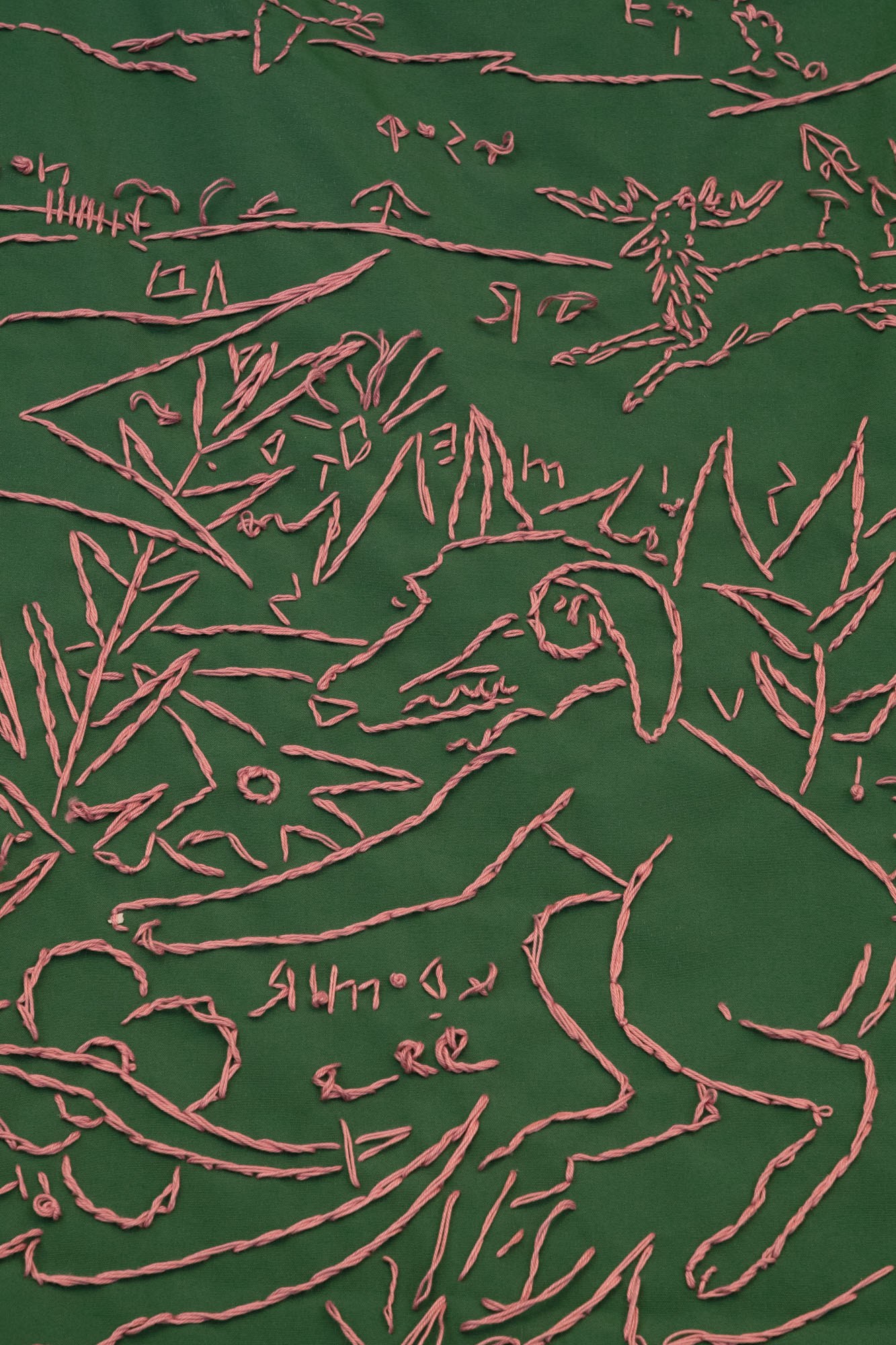
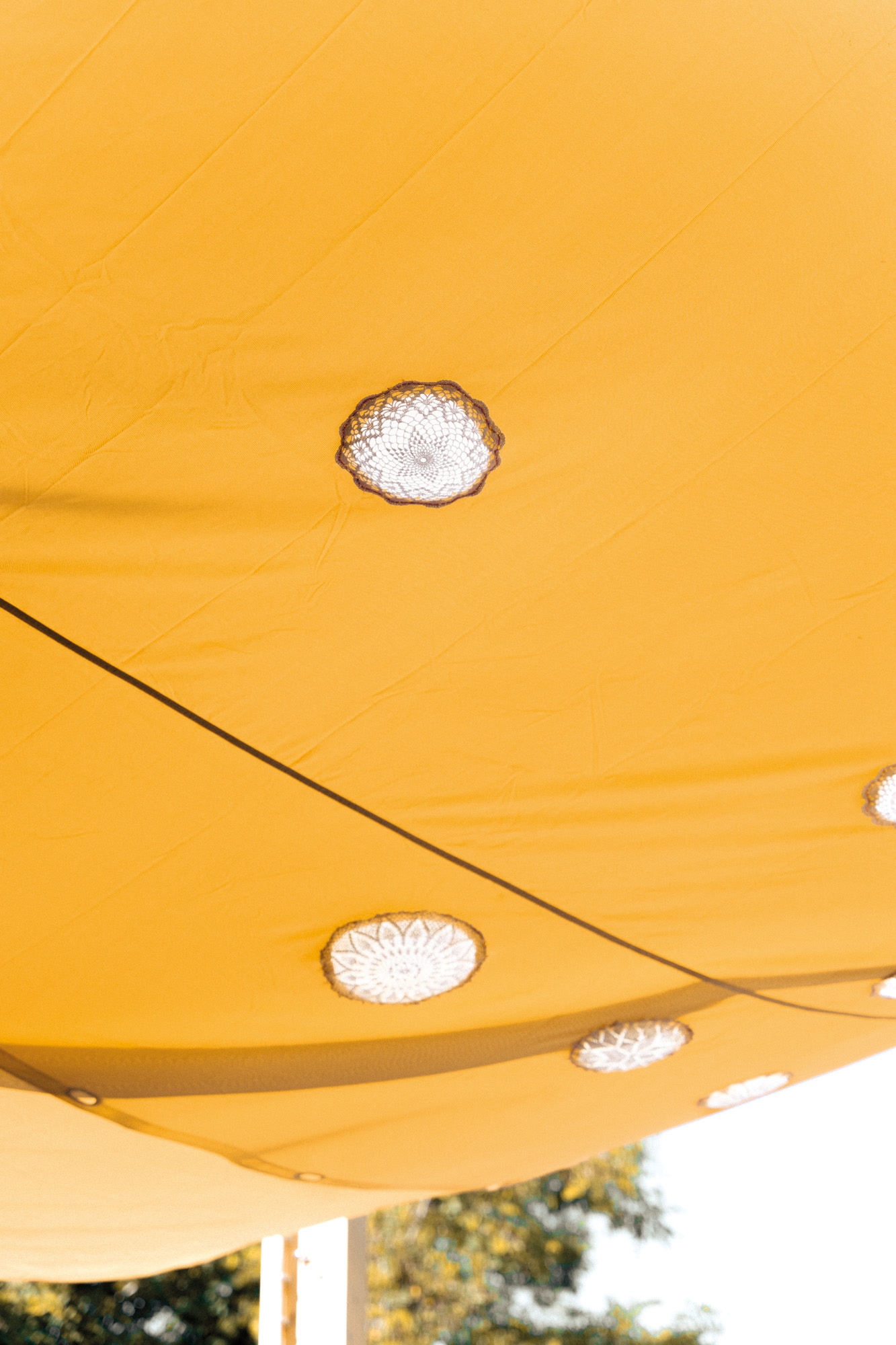
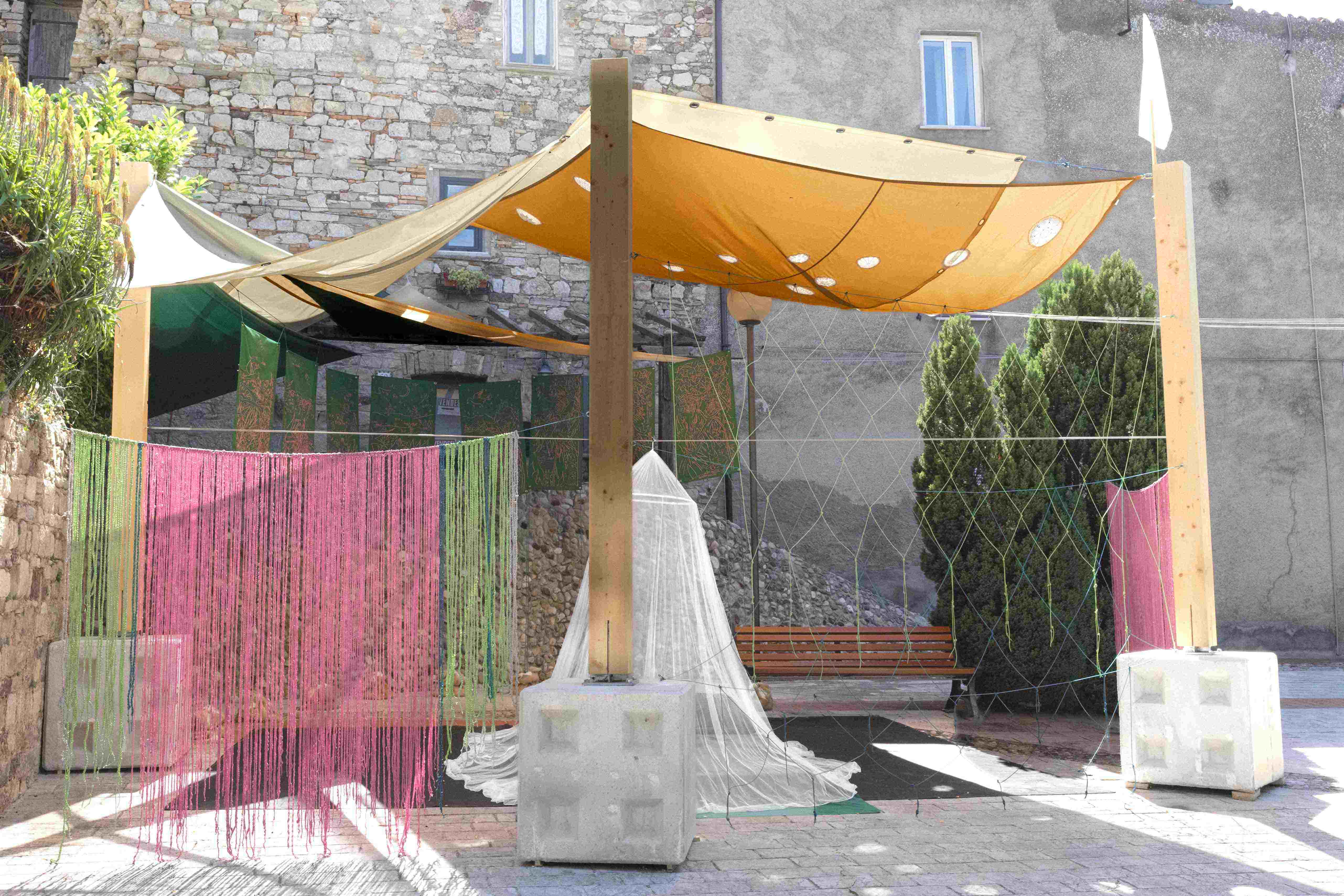
Angelo Leonardo, Perché non dovrei vagare per i pascoli a cercare il vento?, Trivento, Molise. Ph Caterina Cantò
Perché non dovrei vagare per i pascoli a cercare il vento? is a research project on the imaginary of Trivento that takes shape as a nomadic tent set in Piazzetta Codarda. Inspired by transhumant shelters, the structure is conceived as a space that hosts encounters between bodies, memories, and everyday practices. A device that invites pause and transforms the square into a liminal space—an area of shade that fosters dreaming.
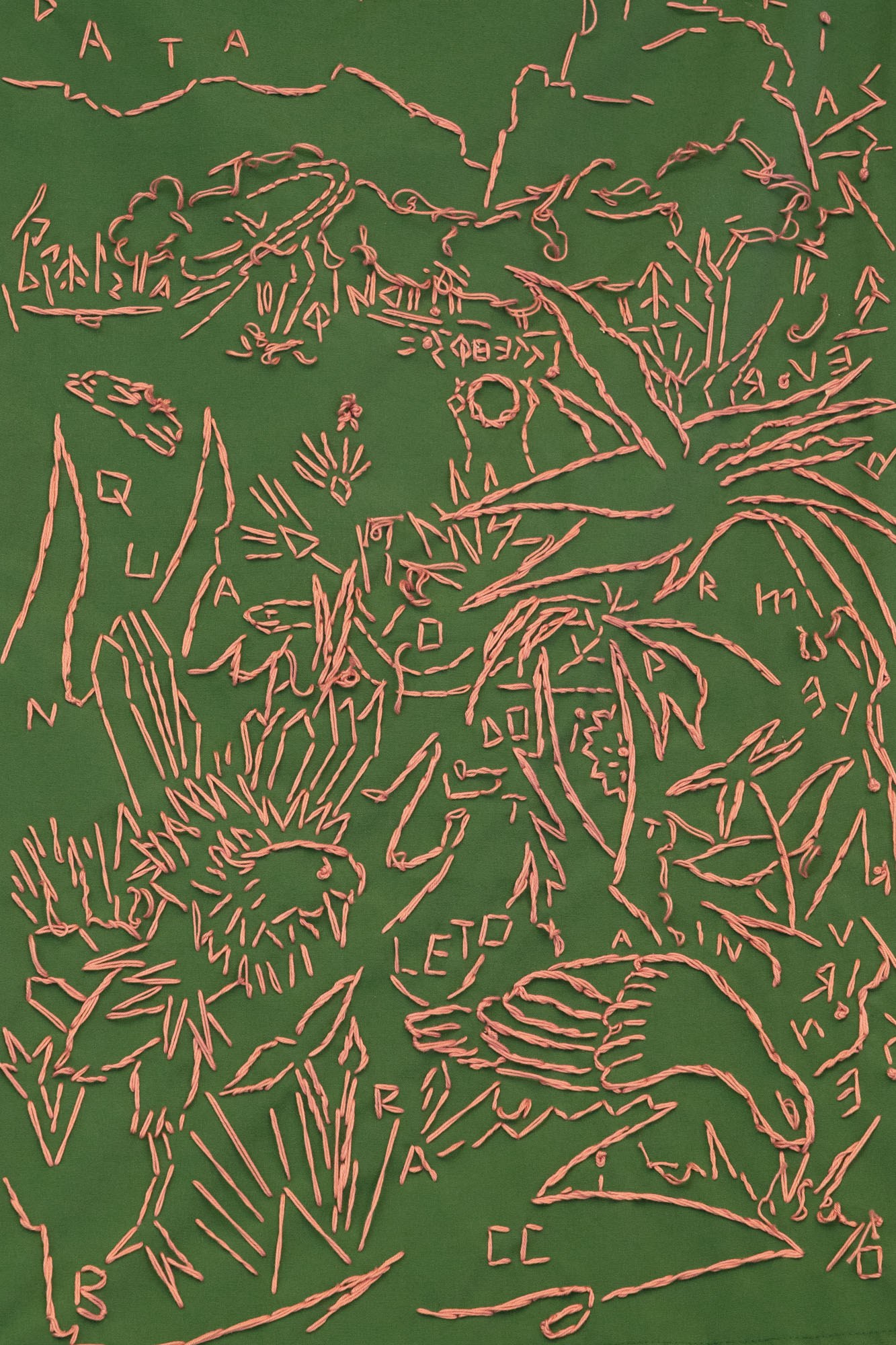
The project unfolds as an evolving narrative, weaving together symbols, fragments and memories that emerge from the dialogue between the artist, the territory and the identities that inhabit it. Within this context, the acts of sewing and unpicking become central gestures: error is embraced, and it is within the threads that archaic and contemporary memories intertwine.
Work:
01 Angelo Leonardo, Perchè non dovrei vagare per i pascoli a cercare il vento?, 2026. Hand embroidery, crochet and ink on mixed fabrics, iron, wood, environmental dimensions
Piazzetta Codarda, Trivento (CB)
Perché non dovrei vagare per i pascoli a cercare il vento?
Publication’s presentation with ziczic
10 October 2026 h. 5:00 pm
Piazzetta Codarda, Supportico Marucchio, Trivento (CB)
On the occasion of the closing event of Una Boccata d'Arte, the artist will present the publication Perché non dovrei vagare per i pascoli a cercare il vento? together with the publishing house ziczic.
Thanks to: the Administration of Trivento, Councillor Elisa Marianacci, and all the women of Trivento who recognise themselves in the practice of crochet. Thank you for keeping this memory alive and shared.
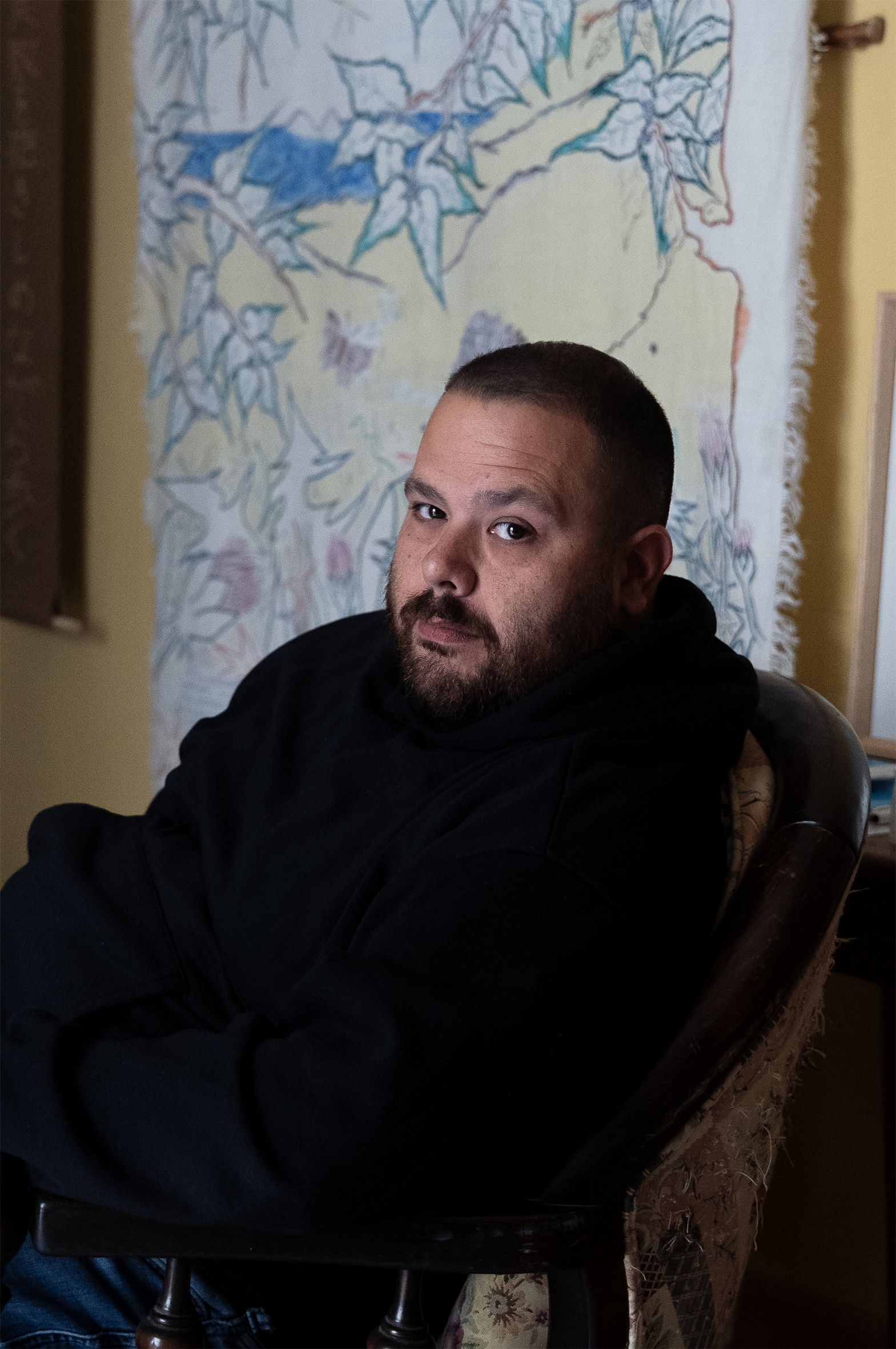
Angelo Leonardo (Enna, Italy, 1991) studied at the Academies of Fine Arts in Naples and Palermo. Over the past year, his research has focused on the figure of the Japanese artist O’Tama Kiyohara (1861–1939), an interest he is also pursuing through a collective project with Stefania Galegati and Daria Filardo. His practice is rooted in an ongoing engagement with error, and in a tendency to constantly push his technical and intellectual abilities to their limits. The media he employs often vary according to the context and the relationships developed throughout each project. Rather than an exclusively authorial act, his work is conceived as the result of multiple external influences that shape his vision.
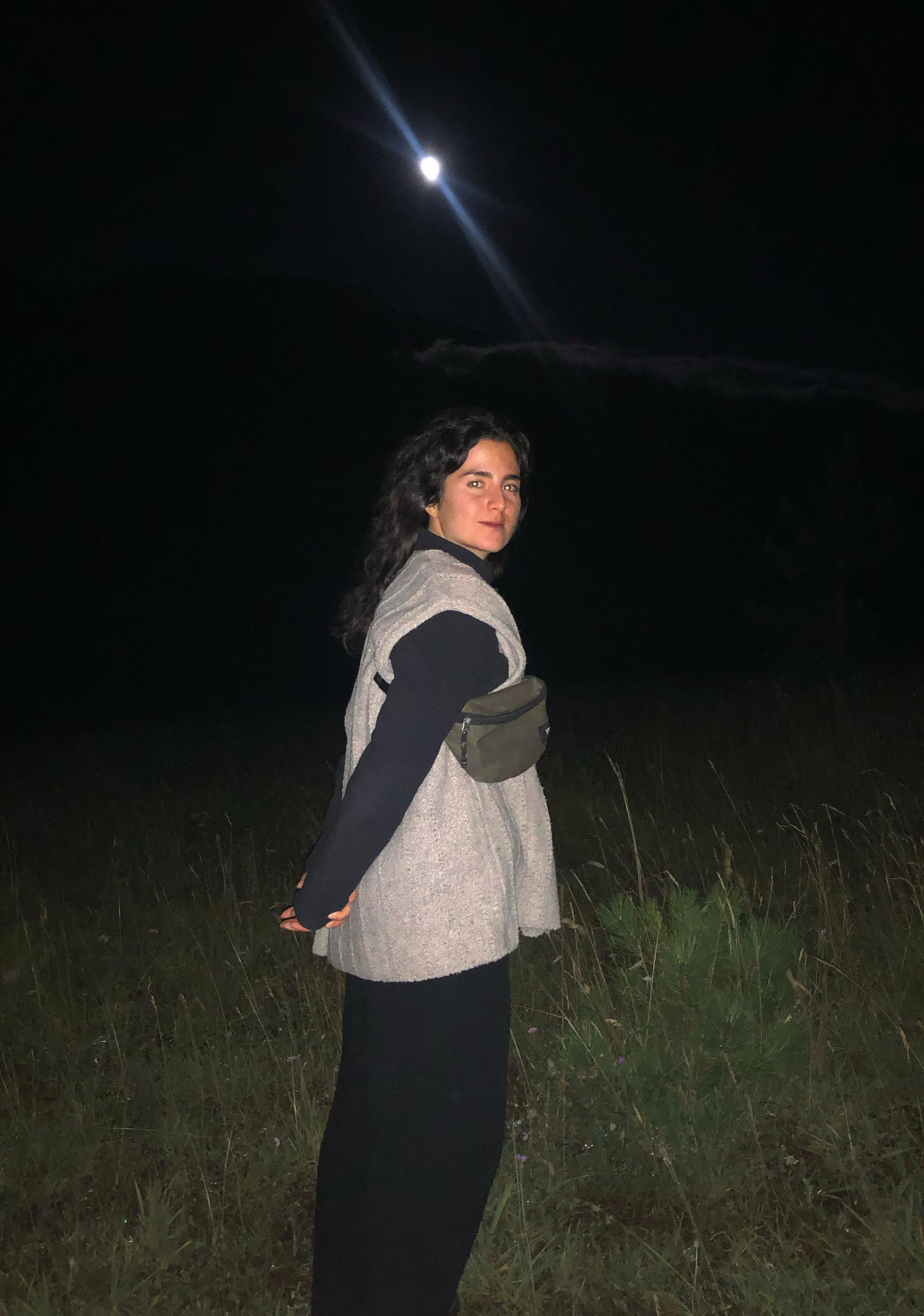
Alessia Delli Rocioli (1998) is a researcher of situated artistic practices and a PhD candidate at the Accademia di Venezia. Her work spans curatorial projects, writing, and the creation of spaces for dialogue and shared imagination. In her academic path, she has focused on the intersection of poetic and political action in 1970s Italy. She has worked as a freelance curator and art producer, collaborating with various institutions and independent projects across Europe. Since 2021, she has been the curator of Unpae, a non-profit curatorial platform active in Abruzzo (IT). For Una Boccata d’Arte in Molise, she curated Roberto Casti’s project in Macchiagodena (2025).
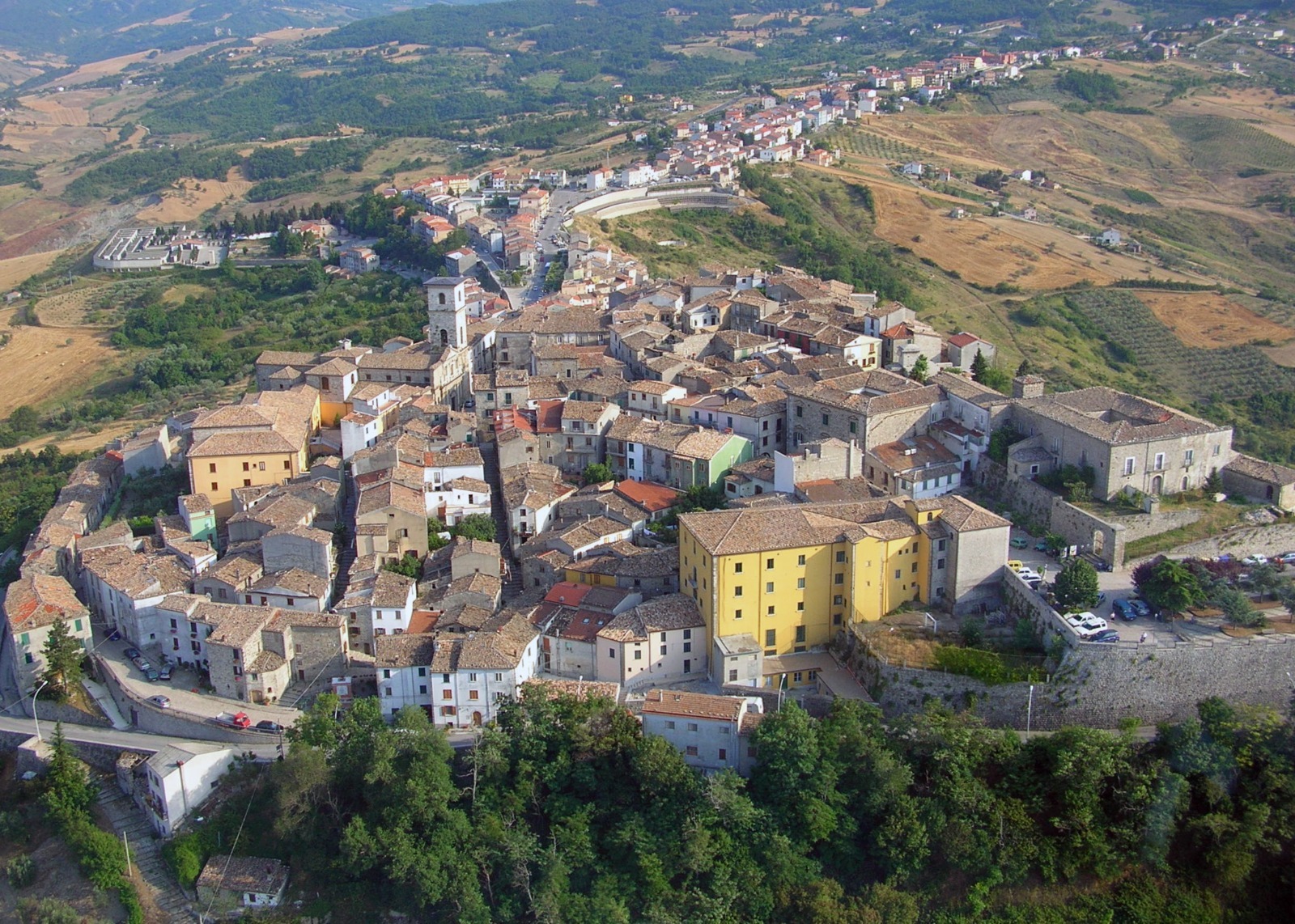
Trivento is a town with a millennia-old history—an ancient Samnite settlement, a Roman municipium, a county, and an episcopal seat—located in the Trigno Valley. The town center preserves a rich architectural heritage: the Romanesque Cathedral of Saints Nazarius, Celsus and Vittore, along with the Crypt of Saint Casto, the Bishop’s Palace, the Diocesan Museum of Sacred Art, the Count’s Palace, and the Piano, a garden-belvedere overlooking the valley. The original core is a weave of alleys, courtyards, and passages enclosed by the monumental Stairway of San Nicola. The surrounding landscape is shaped by the Regio Tratturo, waterways, and the Morge—imposing limestone monoliths that are guardians of biodiversity. Known as the “City of Crochet,” Trivento celebrates women’s craftsmanship and the skilled work of hands that have been weaving wool threads for generations.