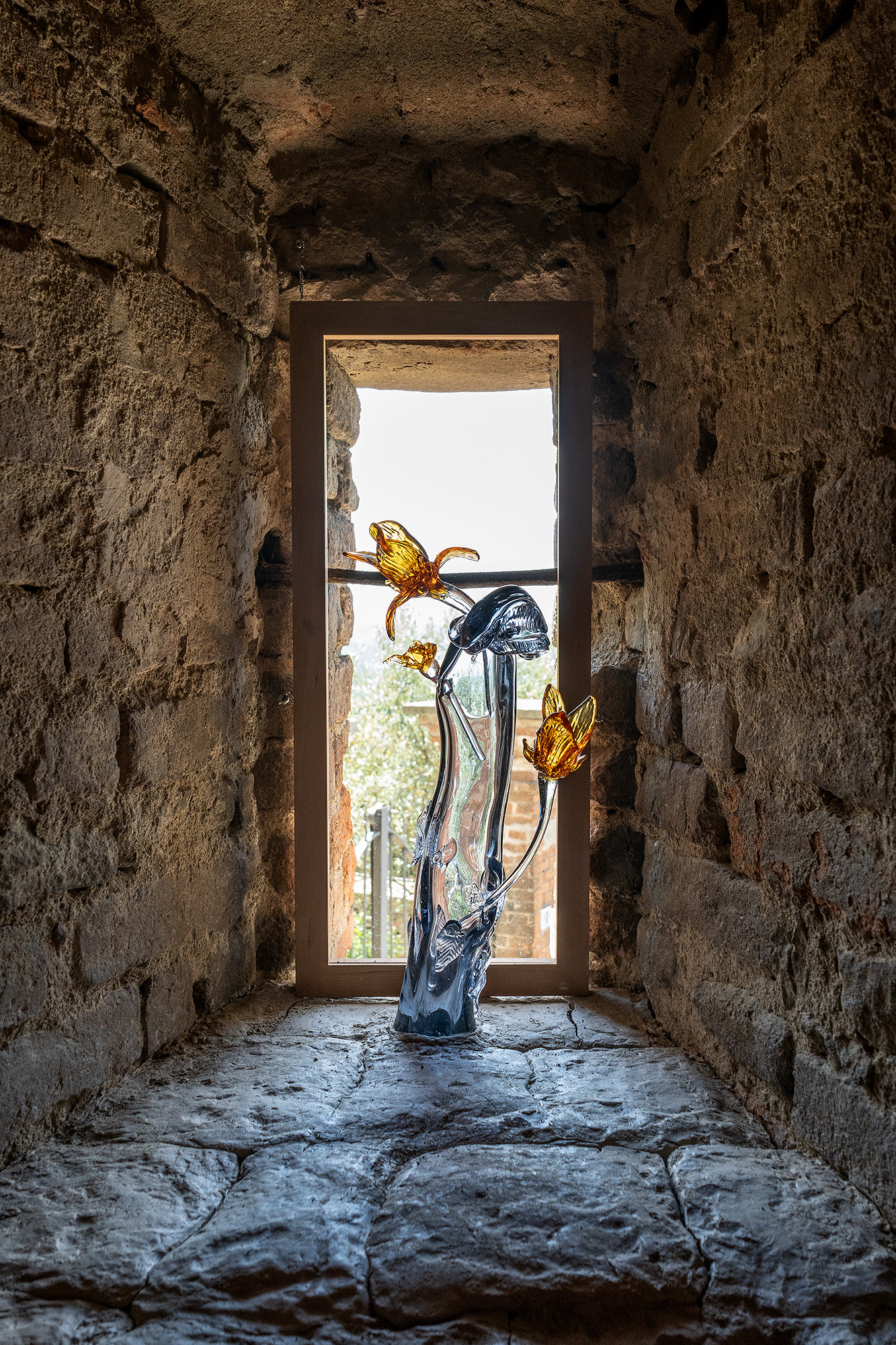
Natália Trejbalová
Pic nic sul ciglio della strada
Non c’è niente di più incontrollabile della continua collaborazione interspecifica della natura nei tentativi di ristabilire il suo ordine favorevole. quando per la prima volta ho visitato Neive pensavo proprio agli agenti non umani e al loro potere, al sottosuolo che determina il destino della superficie. i funghi, i cui corpi sono per la maggior parte nascosti sottoterra, sono l'esempio giusto. questi esseri, ancora alieni e sconosciuti, secondo le recenti teorie potrebbero essere i precursori della vita vegetale sul nostro pianeta.
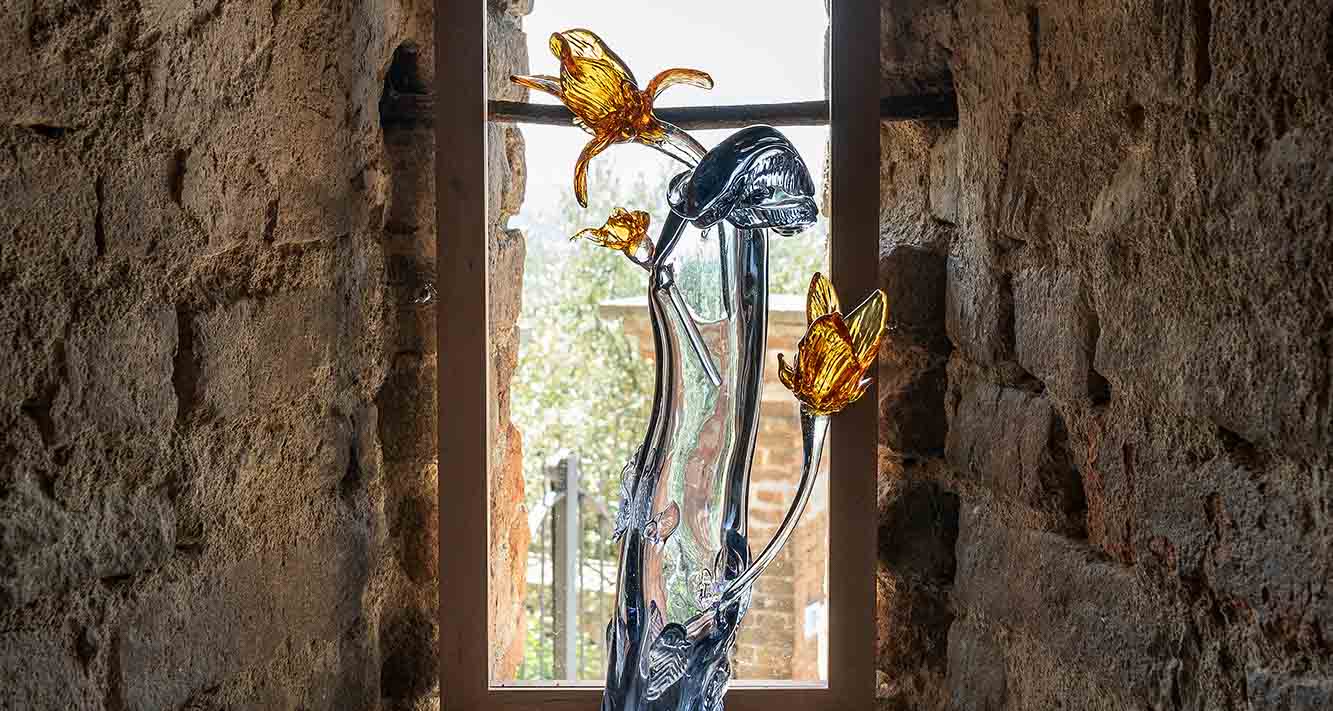
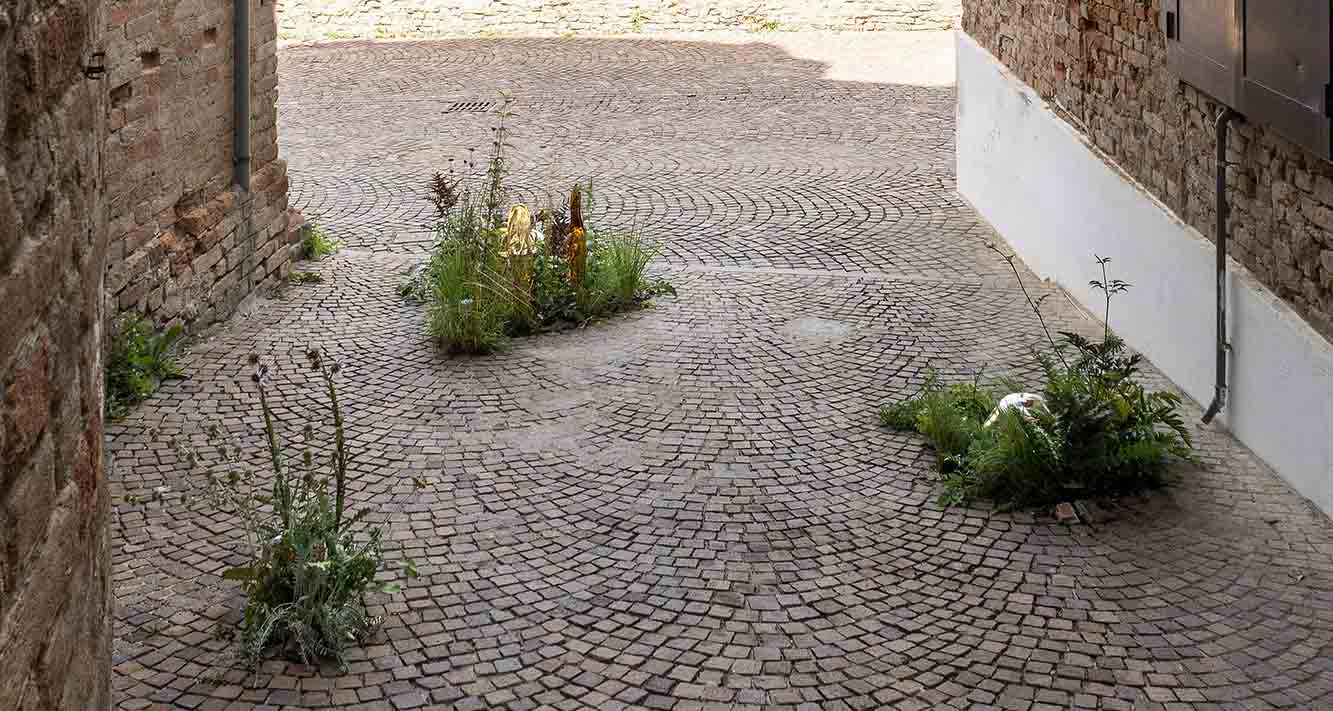
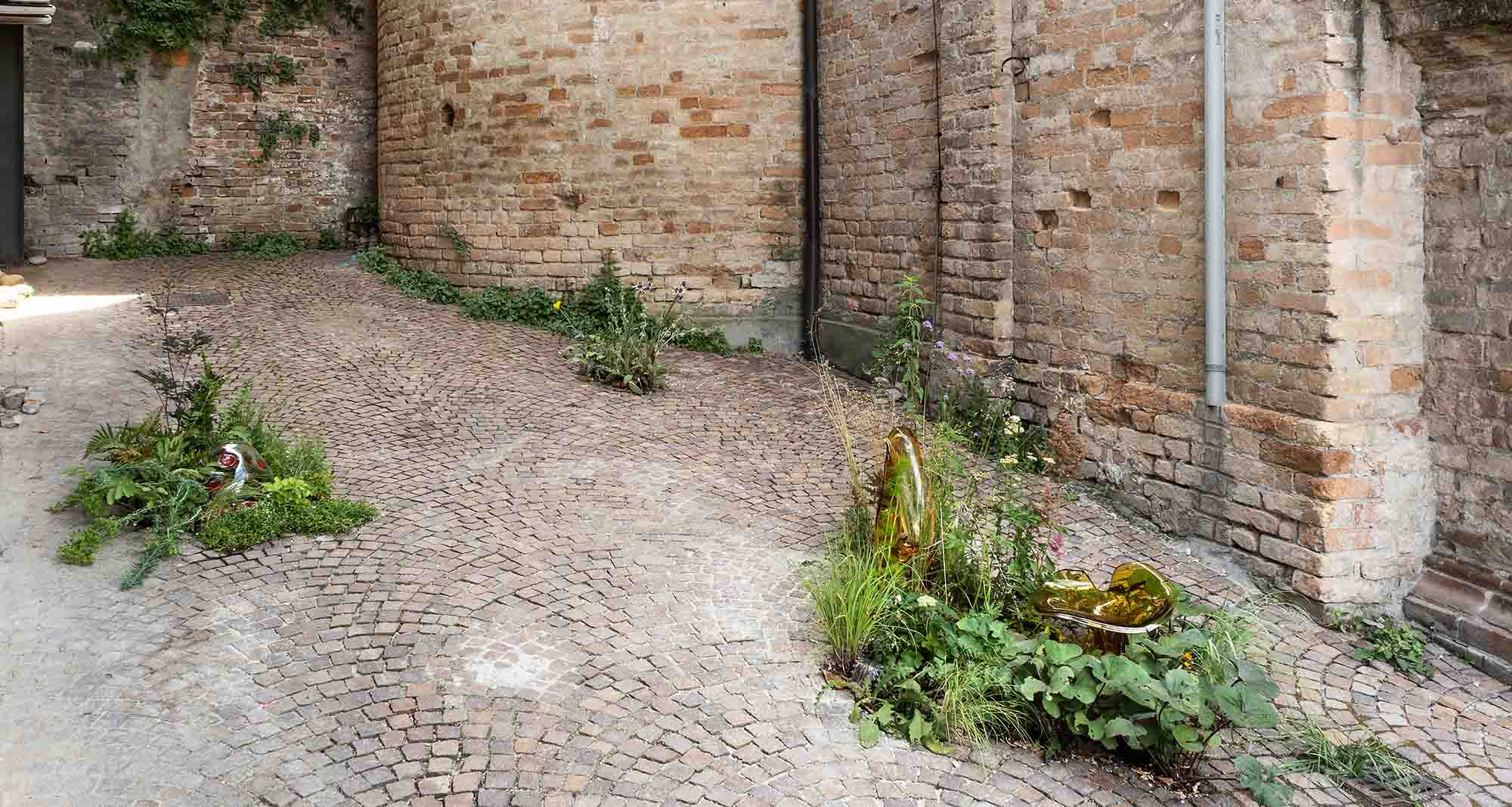
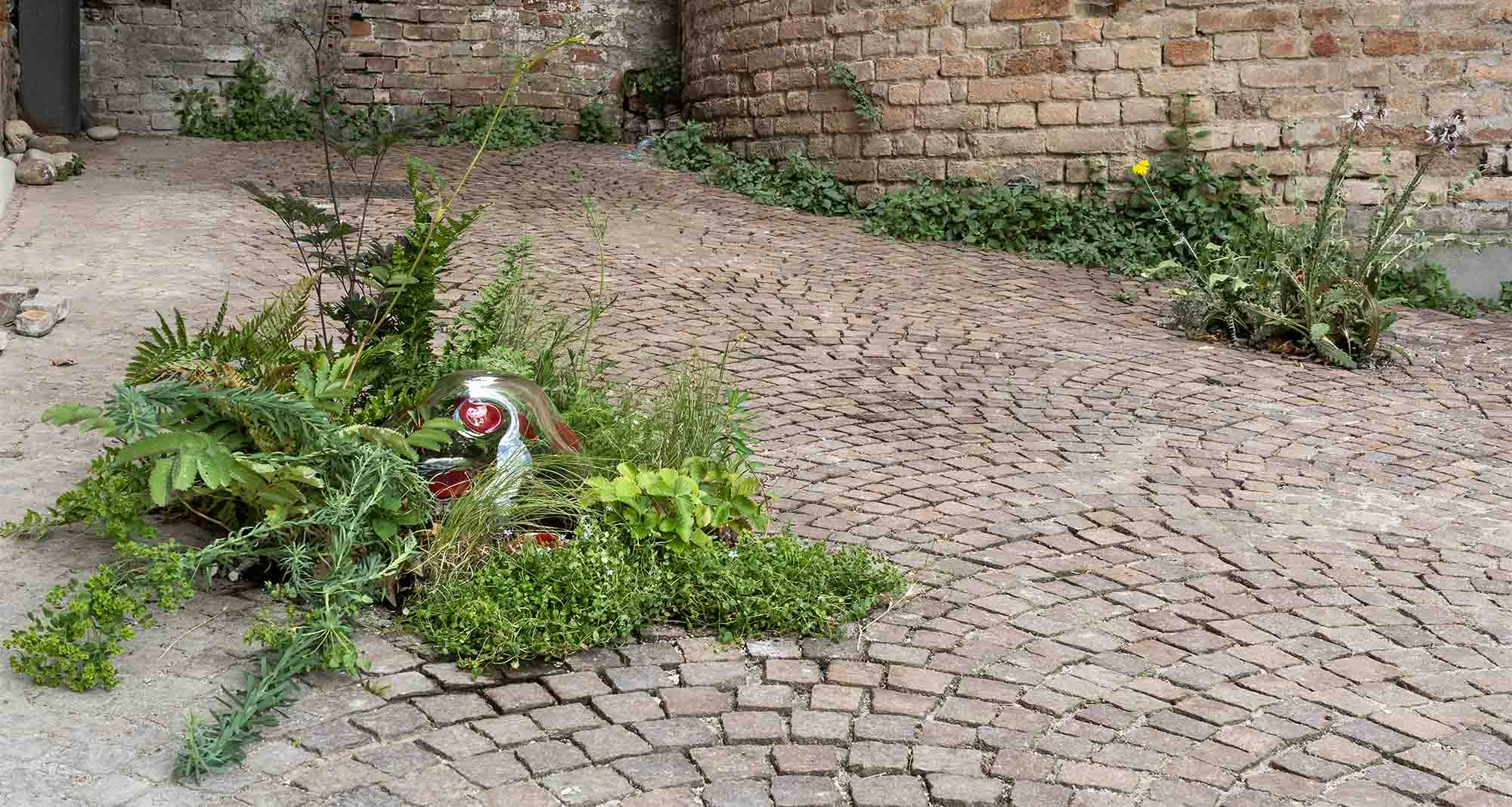
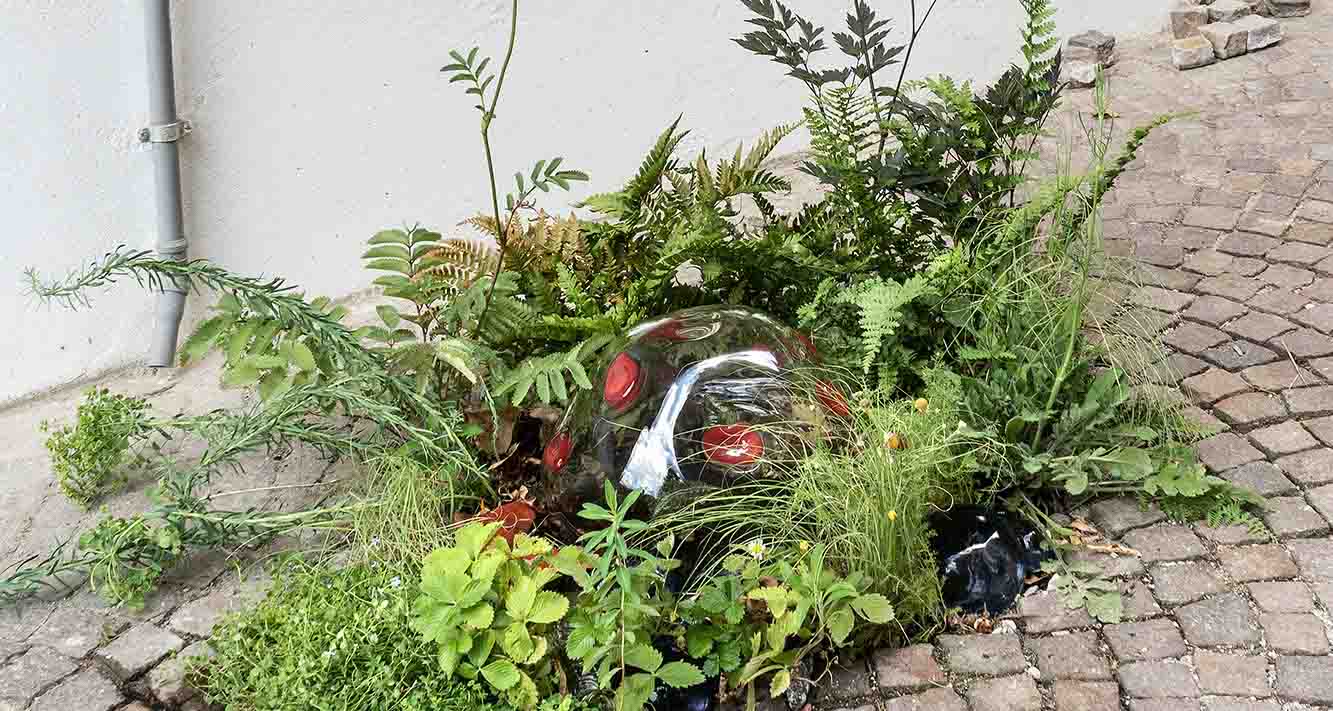
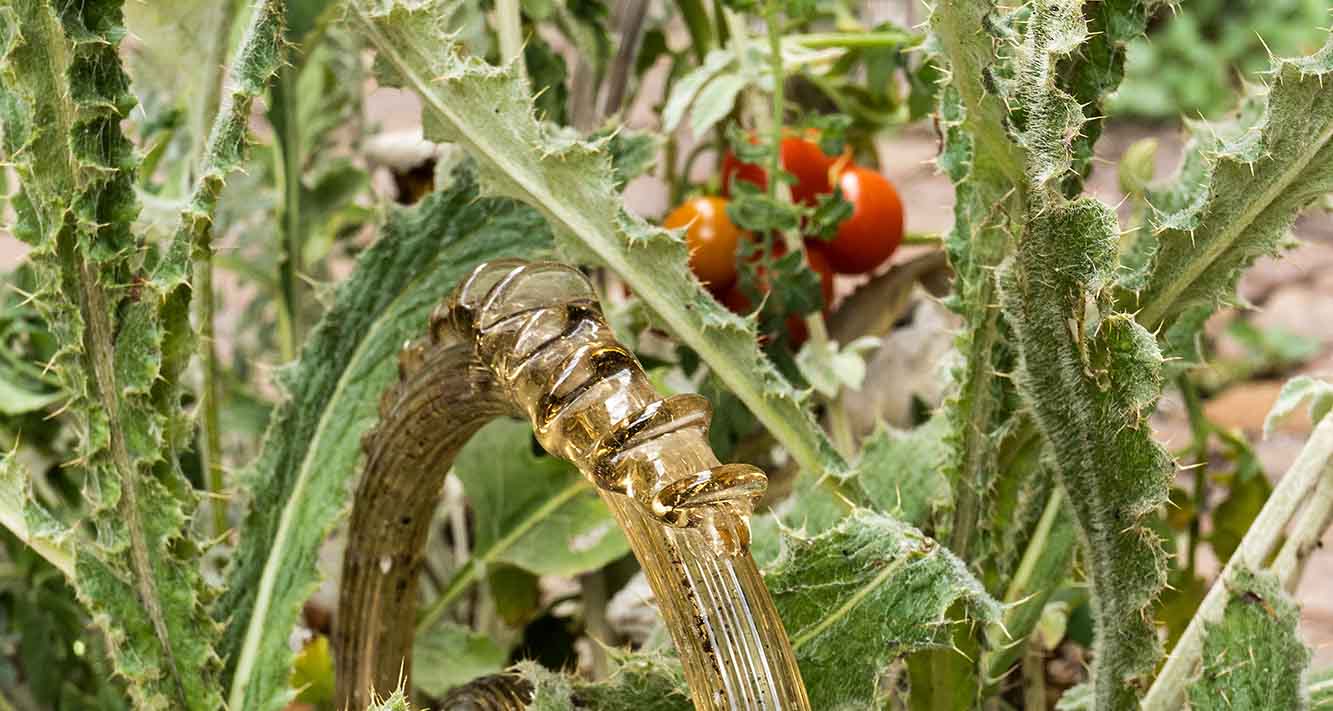
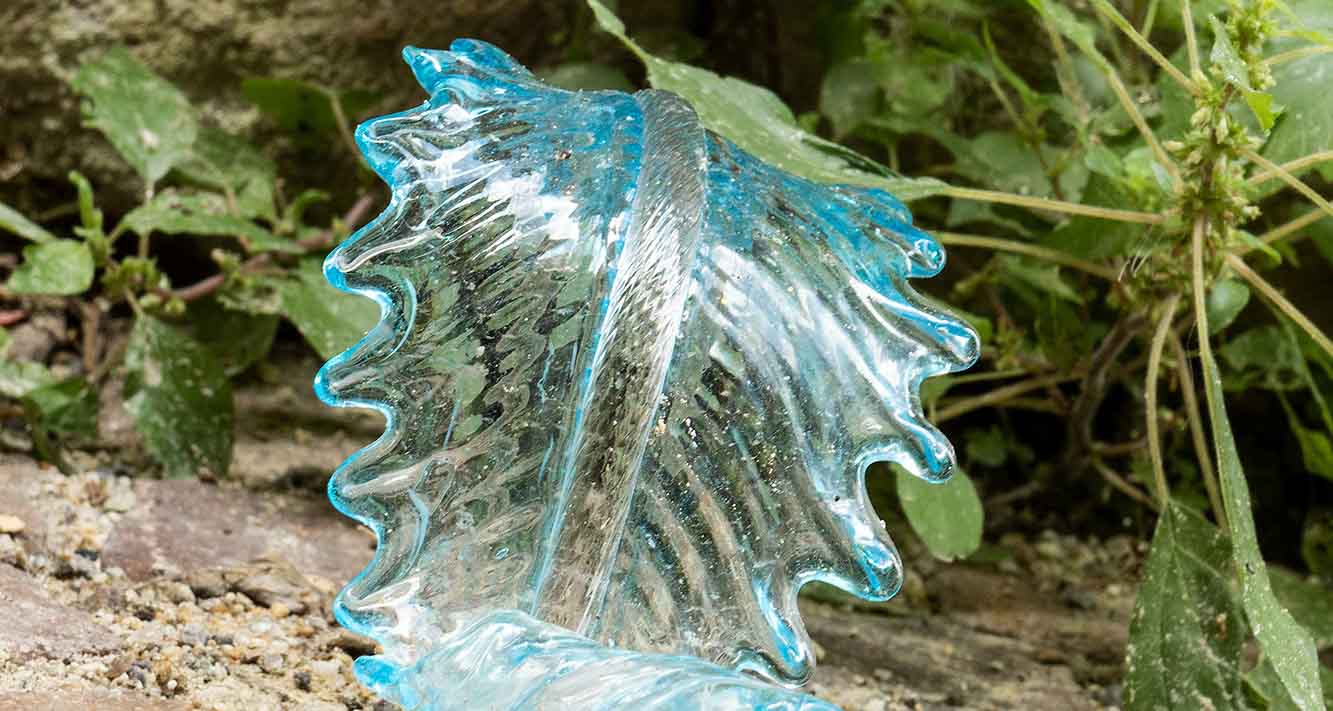
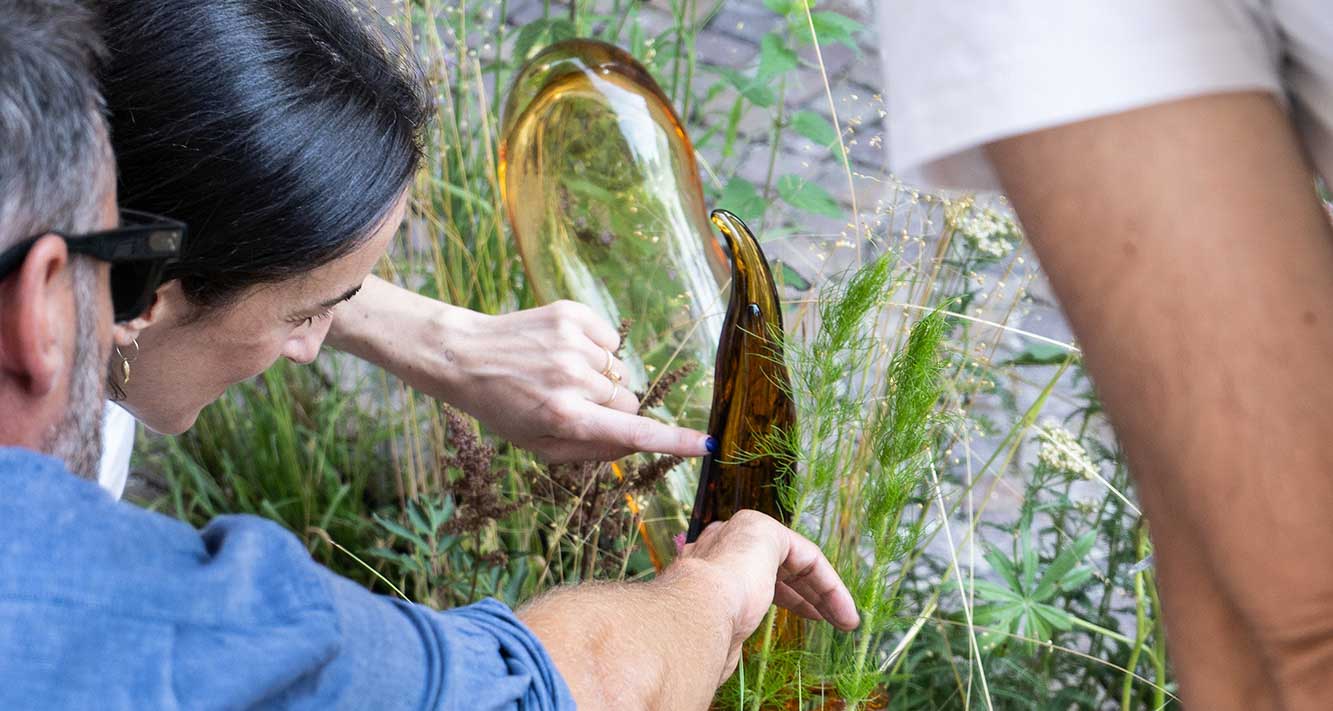
Natália Trejbalová, Pic nic sul ciglio della strada, 2022, Neive (CN), Piemonte. Ph Matteo Pasin
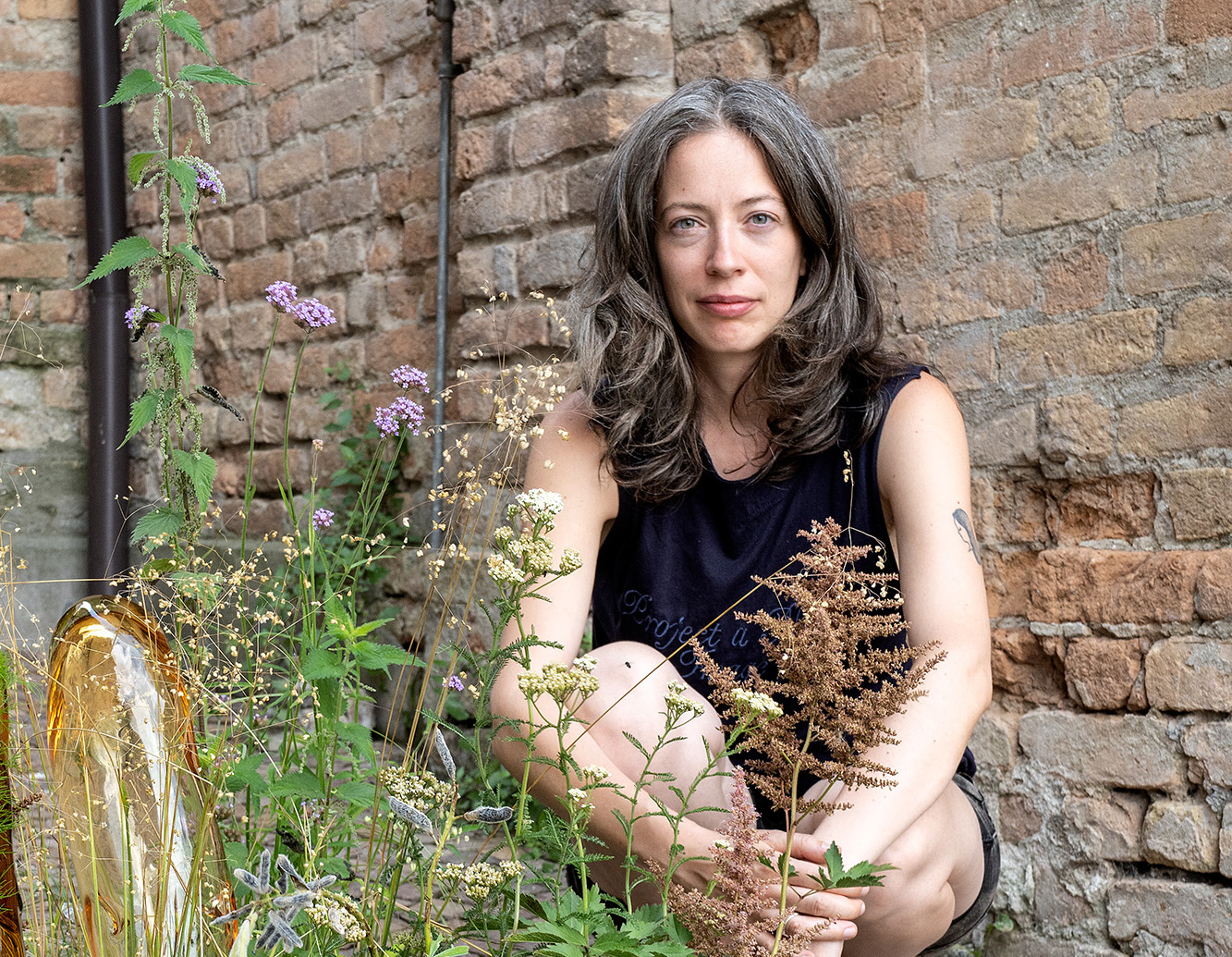
Natália Trejbalová (Košice, Slovakia, 1989) lives and works in Milan. She studied painting at the Accademia di Belle Arti in Bologna and later, in Milan, cinema and video at Scuola di Nuove Tecnologie dell’Arte di Brera. Her multidisciplinary artistic practice leaves no space for boundaries between the media, using the same approach whether it be video, object, drawing, photography, performance and more. In her latest films, she explores through the possibilities of science fiction and speculative world-making our individual perception of global-scale transformations, possible future interspecies relations and changes in the planetary environment. She participated in various group and solo exhibitions in different institutions and spaces such as Power Station of Arts, Shanghai (CN), Fotomuseum Winterthur (CH), Quadriennale di Roma (IT), Regional Art Gallery Liberec (CZ), L’Esprit Nouveau (IT), 35m2 (CZ), PAV Turin (IT), Regional Art Gallery Pardubice (CZ), Enclave Projects (GB), Gossamer Fog (GB), Galerie Charlot (FR), Fondazione Pini (IT) and others. Her recent solo shows include Isle of the Altered Sun at A Promise of Kneropy (2021), Bratislava, Slovakia, About Mirages and Stolen Stones (2020) at Case Chiuse HQ, Milan, and suddenly the apparition was gone, long gone (2020) at XY, Olomouc, Czech Republic. Her videos have been presented in several important festivals and institutions, like Mudam – Luxembourg and soon also at Palais de Tokyo, Paris. Trejbalová was also invited in residency by international institutions such as Schafhof- Europäisches Künstlerhaus Oberbayern (Freising, 2021); Kunststiftung Baden-Württemberg (Stuttgart, 2018); VIR ViaFarini in Residence (Milan, 2017); AIR Futura (Prague, 2016); SÍM Reykjavík (Iceland, 2015). She also participated in Arte Visione Lab 2019 and in 2021 she won the XXVI Premio Gallarate for her video About mirages and stolen stones, 2020. Natália Trejbalová is also part of the artistic duo Bellagio Bellagio.
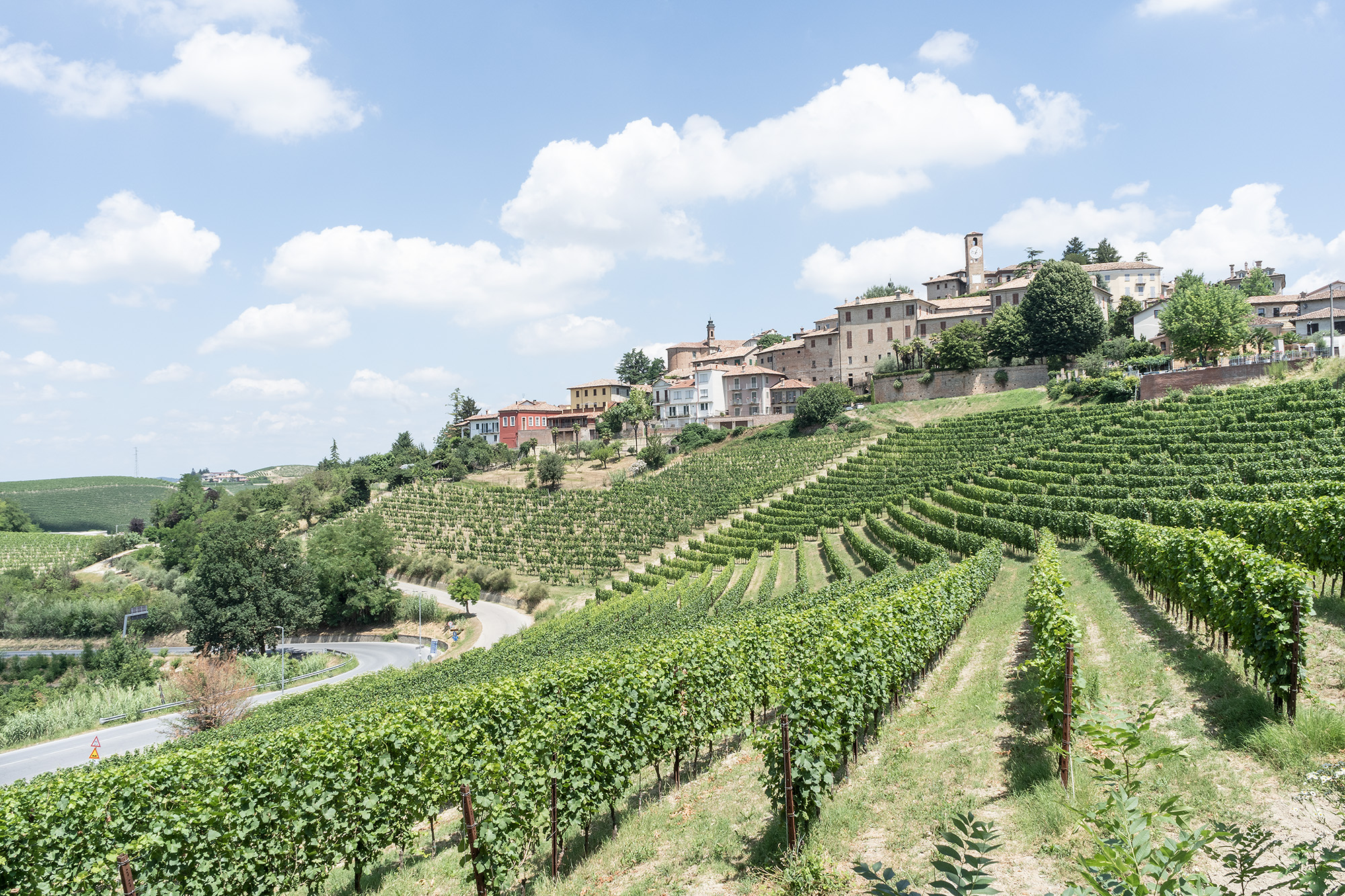
Neive is a town of about 3,000 inhabitants in the province of Cuneo, that has been inhabited since the Neolithic period, around 5,000 years ago. The town owes its name to a noble Roman family, the “gens Naevia” or “Naevii”, as it was under their possession. Under the empire of Charlemagne, the town was ceded as a fief. At the fall of the Holy Roman Empire, the Hungarians and then the Saracens arrived. In 1274, due to a dispute between Asti and Alba, the castle of Neive was stormed and destroyed out of spite. From 1560, after about 17 years of French usurpation, it was returned to the Savoy family, with Emanuele Filiberto and his son Carlo Emanuele I. In 1618, under Carlo Emanuele I’s reign, Neive became a fiefdom assigned to Count Vittorio Amedeo Dal Pozzo who assumed the title of first Earl of Neive. With the House of Savoy, Neive followed the fate of the kingdom until the constitution of the Italian Republic. Stately homes, like the one built between 1759 and 1789 in the Savoy Baroque style that belonged to the Counts of Castelborgo (1751) and the archconfraternity of San Michele, are the work of the Neivese architect Giovanni Antonio Borgese. The nearby Torre dell’Orologio (1224) is from the same period and was built under the dominion of the municipality of Asti.