Isaac Chong Wai
Post-Mythical Accidents
Quando il nostro presunto mondo della realtà viene spiegato attraverso miti il cui carattere contiene qualcosa di irrazionale, è come se si generasse un incidente. Riflettendo sulla creazione dei miti e sul potere delle narrazioni integrate in un contesto religioso, culturale o politico, sono interessato a sottolineare l'assurdità di un approccio antropocentrico, impegnato nel tentativo di controllare la natura e l'immanenza che contraddistingue invece l'indomita essenza della natura stessa.
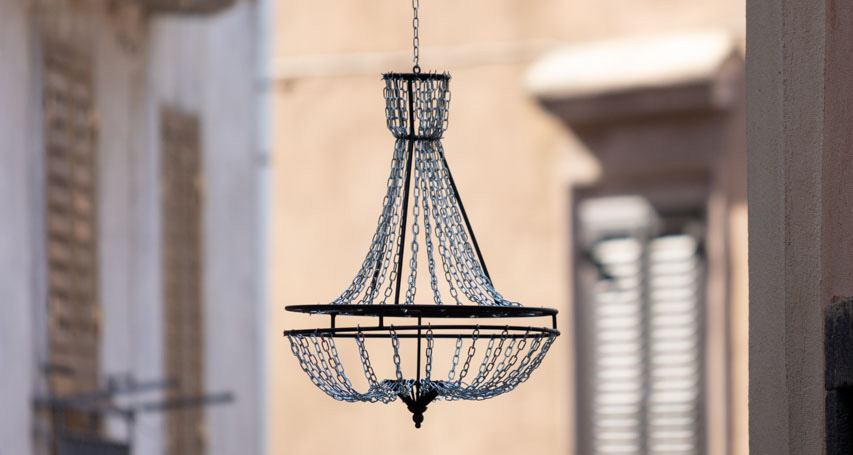
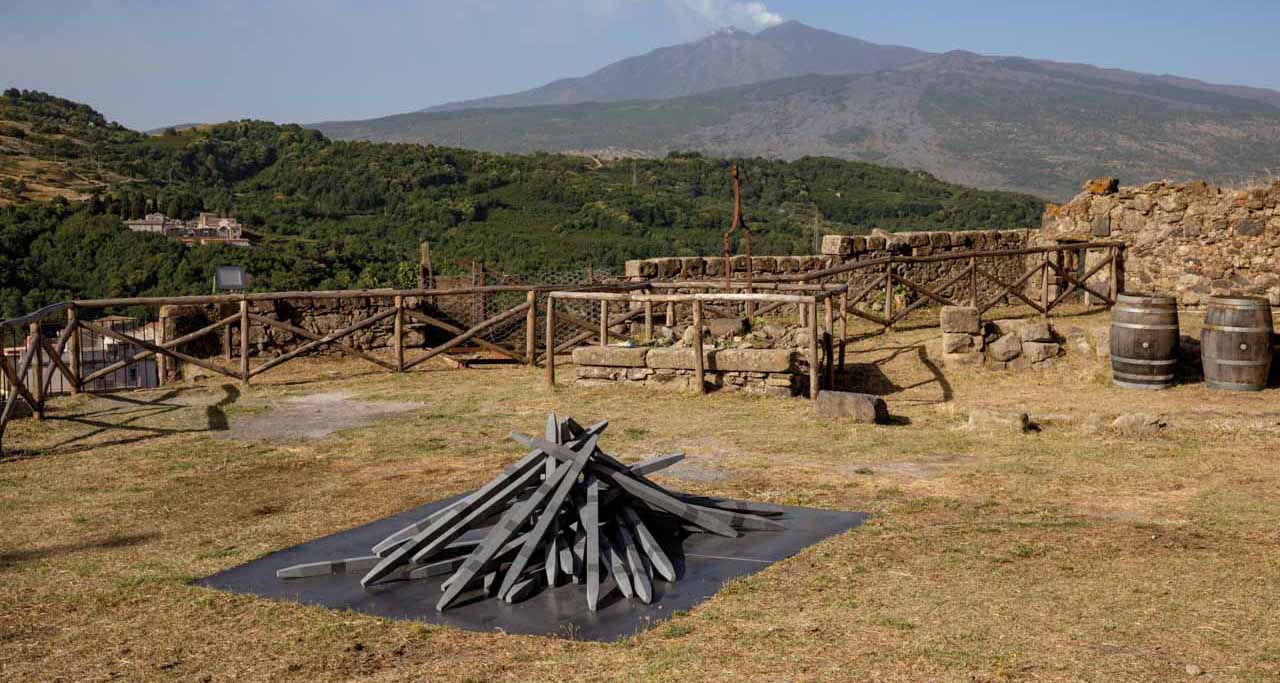
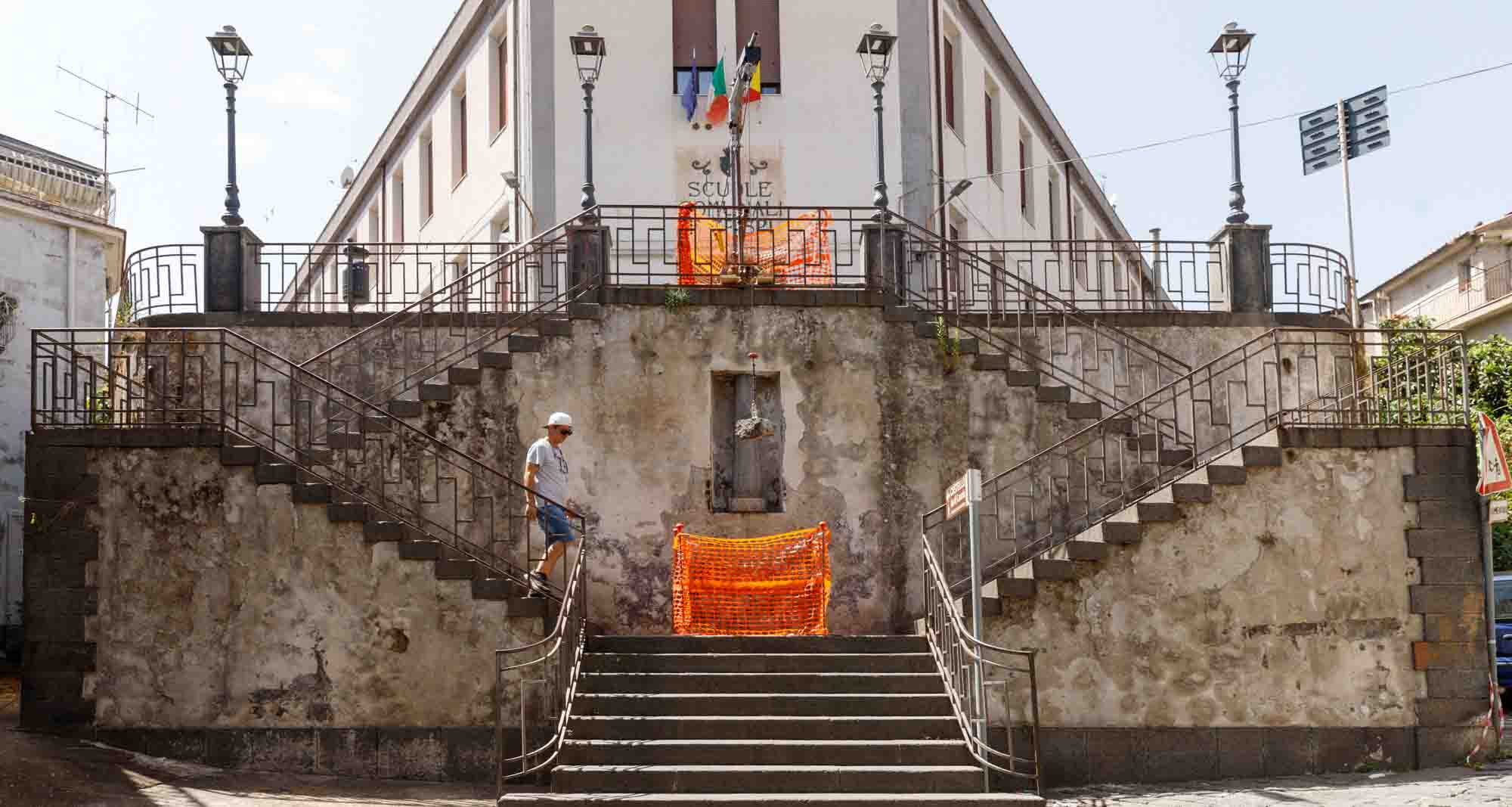
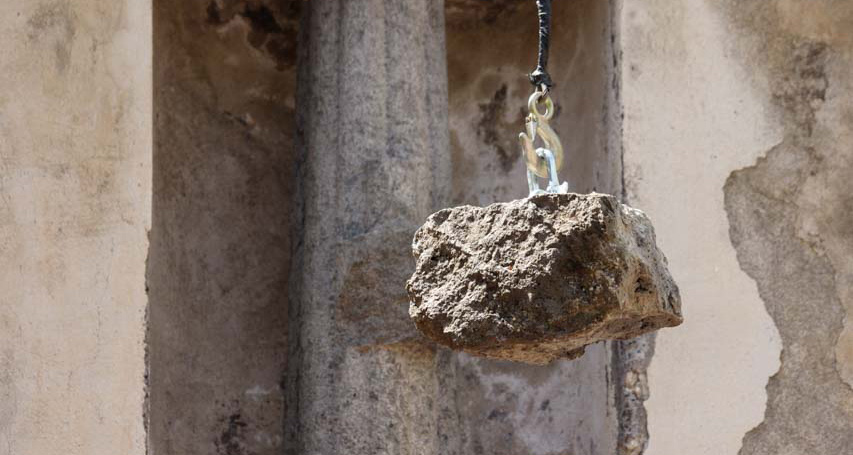
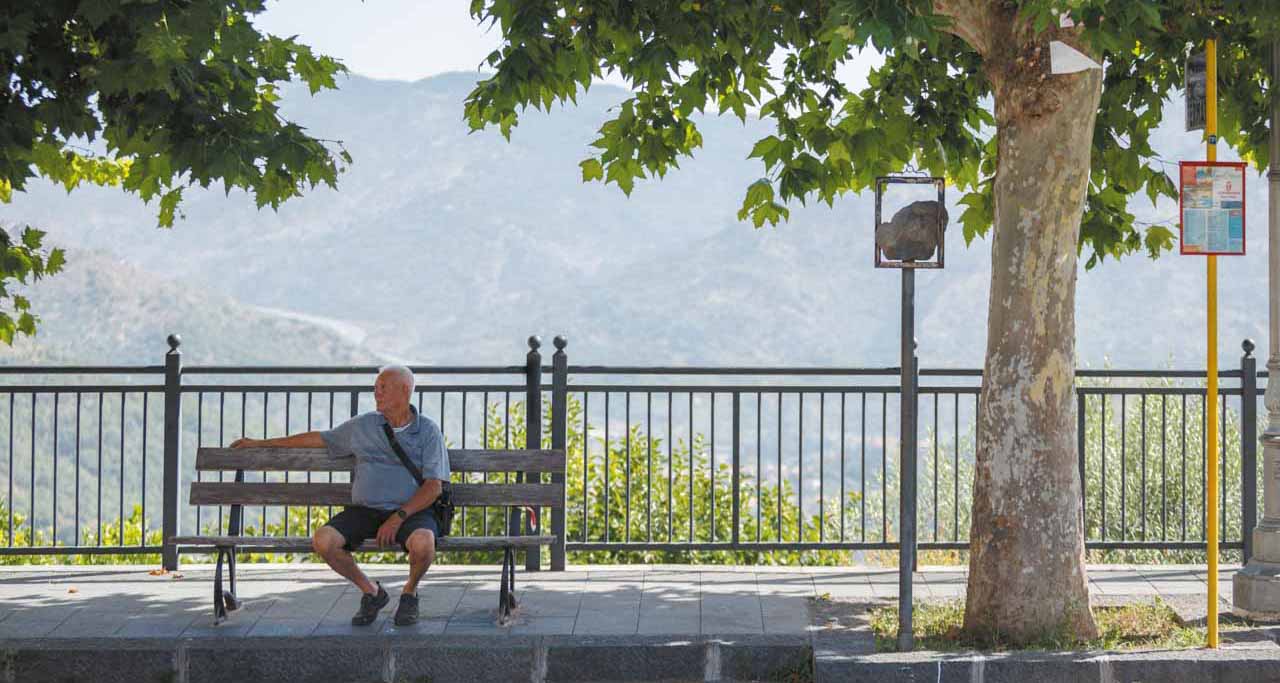
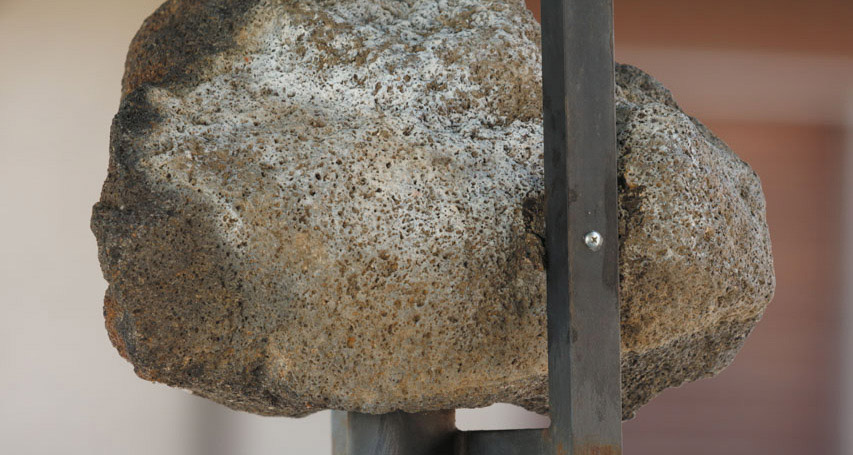
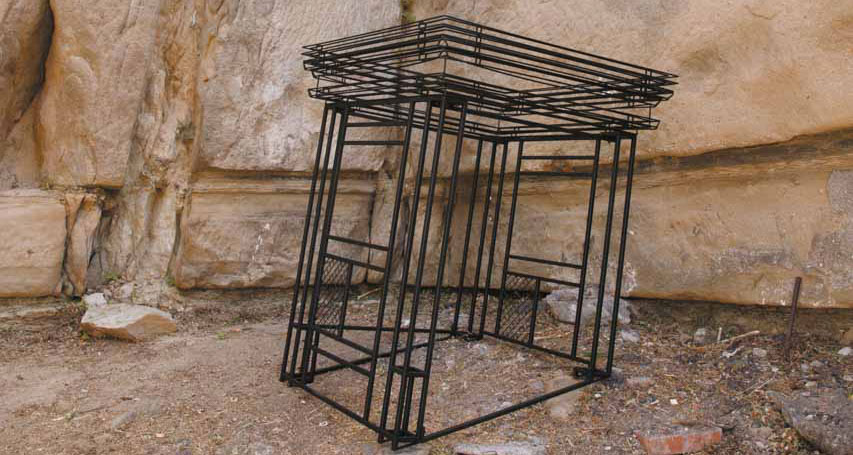
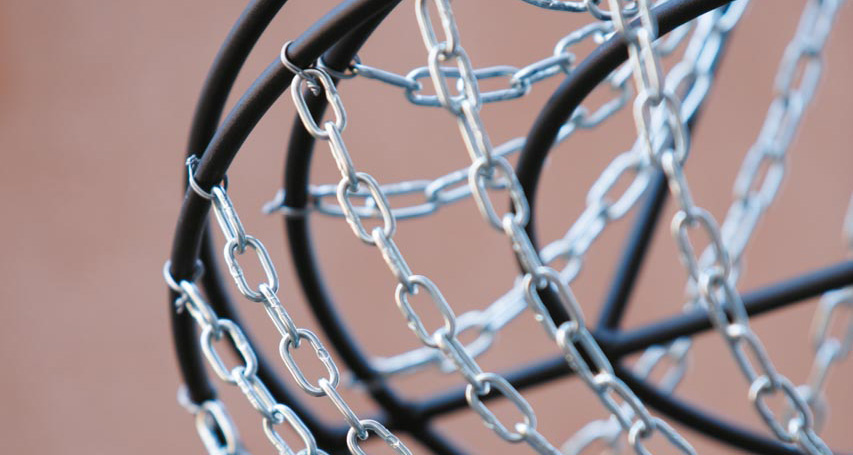
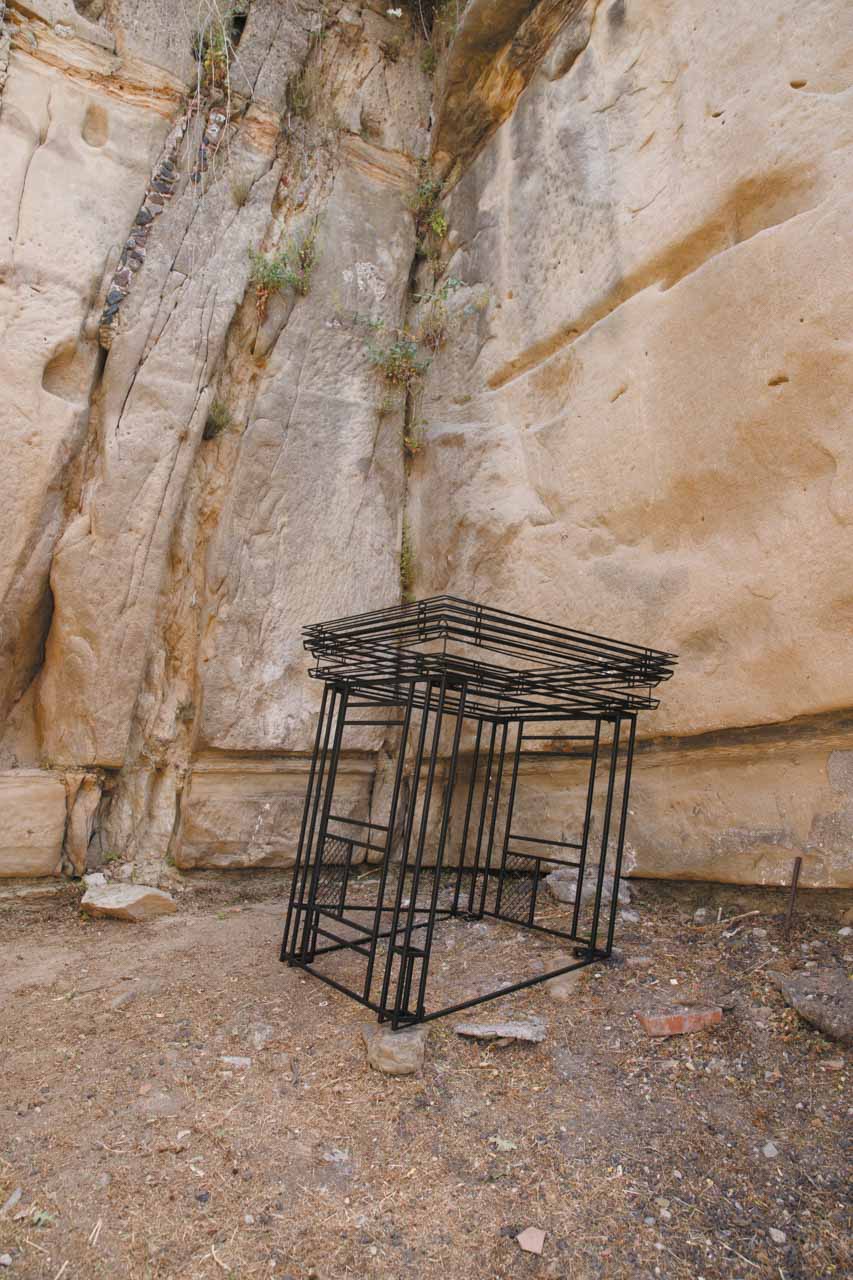
Isaac Chong Wai, Post-Mythical Accidents, 2022, Castiglione di Sicilia (CT), Sicilia. Ph. Luca Guarnieri
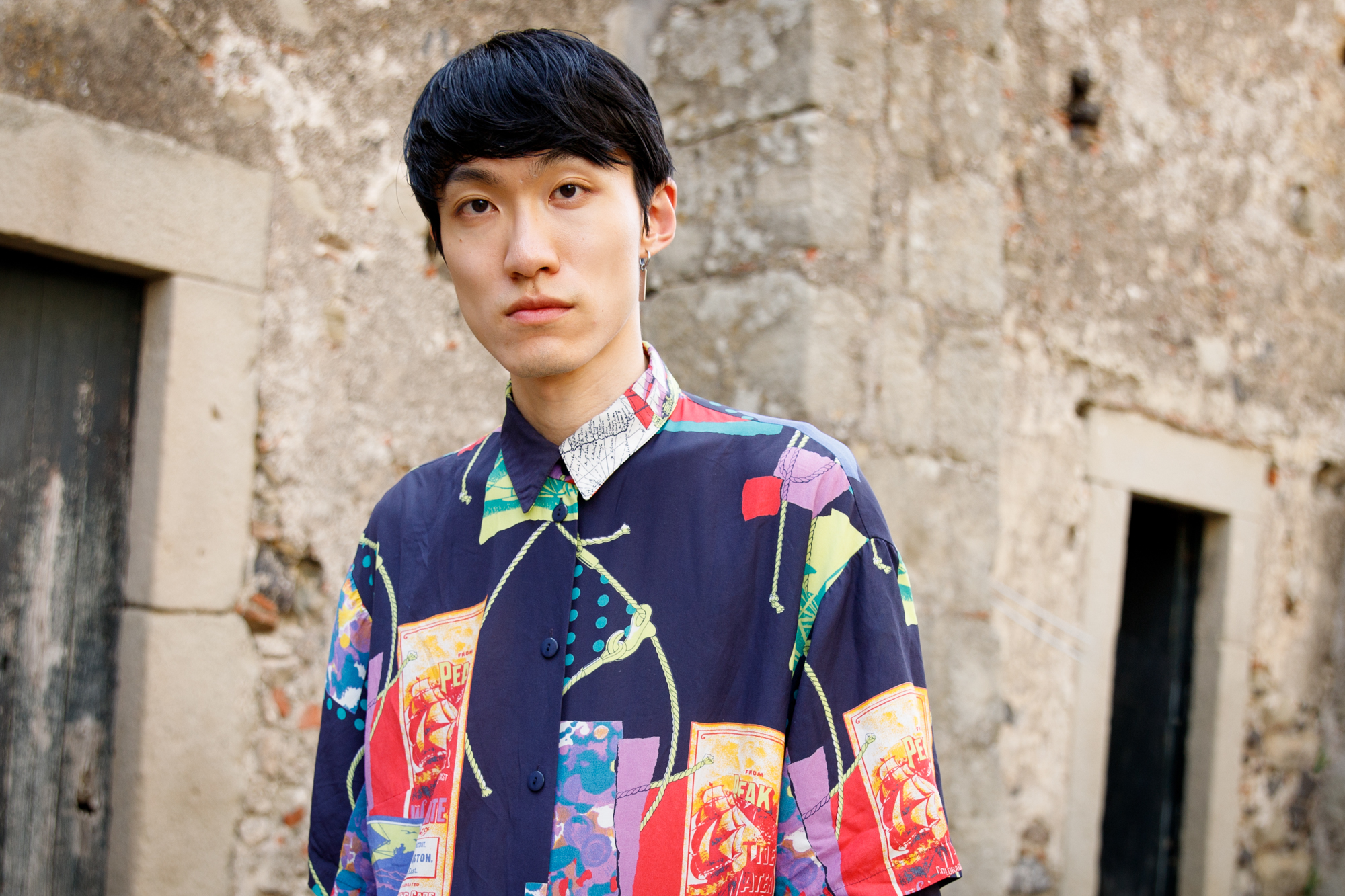
Isaac Chong Wai (Guangdong, 1990) is an artist working between Berlin and Hong Kong. He works across a range of media, comprising performance, sculpture, video, painting and photography. His practice unfolds the struggle of powerlessness, precariousness and structural violence in the social and political spheres and engages with transnational collective memory and woundedness. Influenced by personal and international phenomena, he deals with topics of collectivism and individualism, geopolitics, identity politics, LGBTQ, power relations and decentralization, social movements and commemoration in public space.
His solo exhibitions include Bilsart, Istanbul (2021); Blindspot Gallery, Hong Kong (2019); Zilberman, Berlin (2019); Kunstraum München, Munich (2018); Goethe Institut, Hong Kong (2018); Bauhaus Museum, Weimar (2016). His work has been shown at Kunstraum Kreuzberg/ Bethanien, Berlin (2021); National Museum of Modern and Contemporary Art, Seoul, Innsbruck Biennial and IFFR, Rotterdam (2020); Museum of Contemporary Art, Taipei and Guangdong Times Museum, Guangzhou (2019); M+ Museum and Para Site, Hong Kong and Times Art Center Berlin (2018); among the others.
Chong was awarded Fellowship at Kulturakademie Tarabya and Talent Award at Jutta Cuny-Franz Memorial Award, Kunstpalast Museum in 2020, and Warsteiner Blooom Award in 2019. He is one of the participating artists at Urban Heat from 2015 to 2018. He was awarded Burger Collection “Artist Scholarship Program” in 2016, and Bauhaus Essentials Award in 2015 and 2014.
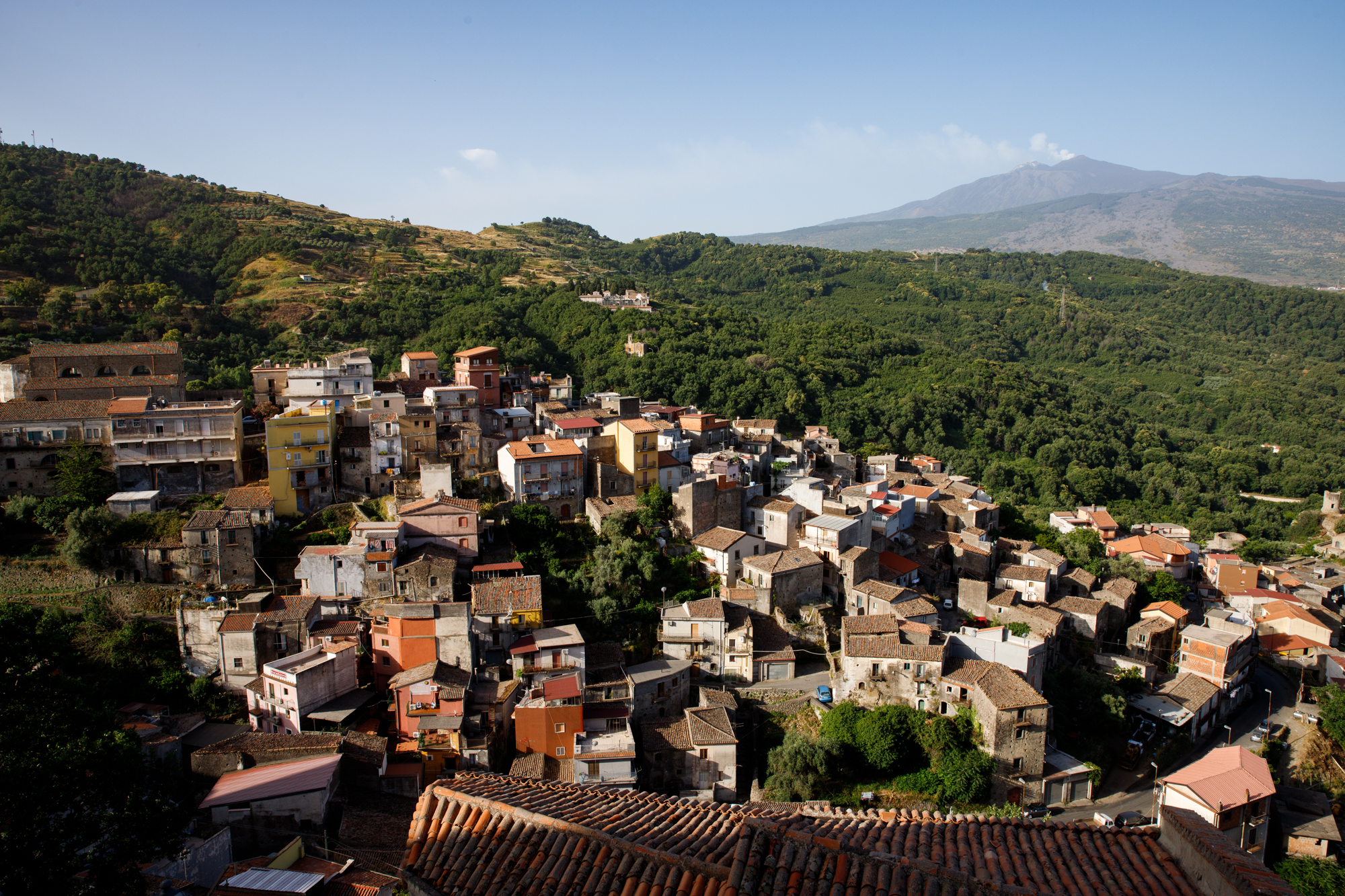
Stretching out over 120 sq km, Castiglione di Sicilia is one of the largest municipalities in the province of Catania. It has a population of about 3,000 inhabitants, divided between the historical centre itself and the various hamlets Gravà, Mitogio, Passopisciaro, Solicchiata, Rovittello, Verzella. The area straddles two regional parks, Etna and Alcantara. Since prehistoric times, it has been located on a ridge of sandstone rock and the site where Castiglione currently stands has always been a strategic control point for the Alcantara Valley. The ancient medieval city was characterised by its surrounding wall that had nine access gates: del Re, Speziale, Castello, Pagana, Giudecca, Portello, Bucceria, San Pietro, San Martino – burgum or porta Priolo, while the smaller villages remained outside the wall. What remains of the ancient urban fabric is the classic medieval centre with radial alleys that eventually climb up to the top of the village where the tall and majestic Castle of Ruggero di Lauria looks out over the surrounding area. The more recently built part of town overlaps with the actual historic centre in an alternation of more modern streets and squares. Passing through the historic centre, many old noble palaces are noticeable. Here, as well as in the churches, you can clearly see the alternation of architectural and construction elements in igneous stone and sandstone. The area is world famous for the production of Etna Doc wines. The town is part of the initiative Borghi più Belli d’Italia.