Elena Mazzi
Spicule
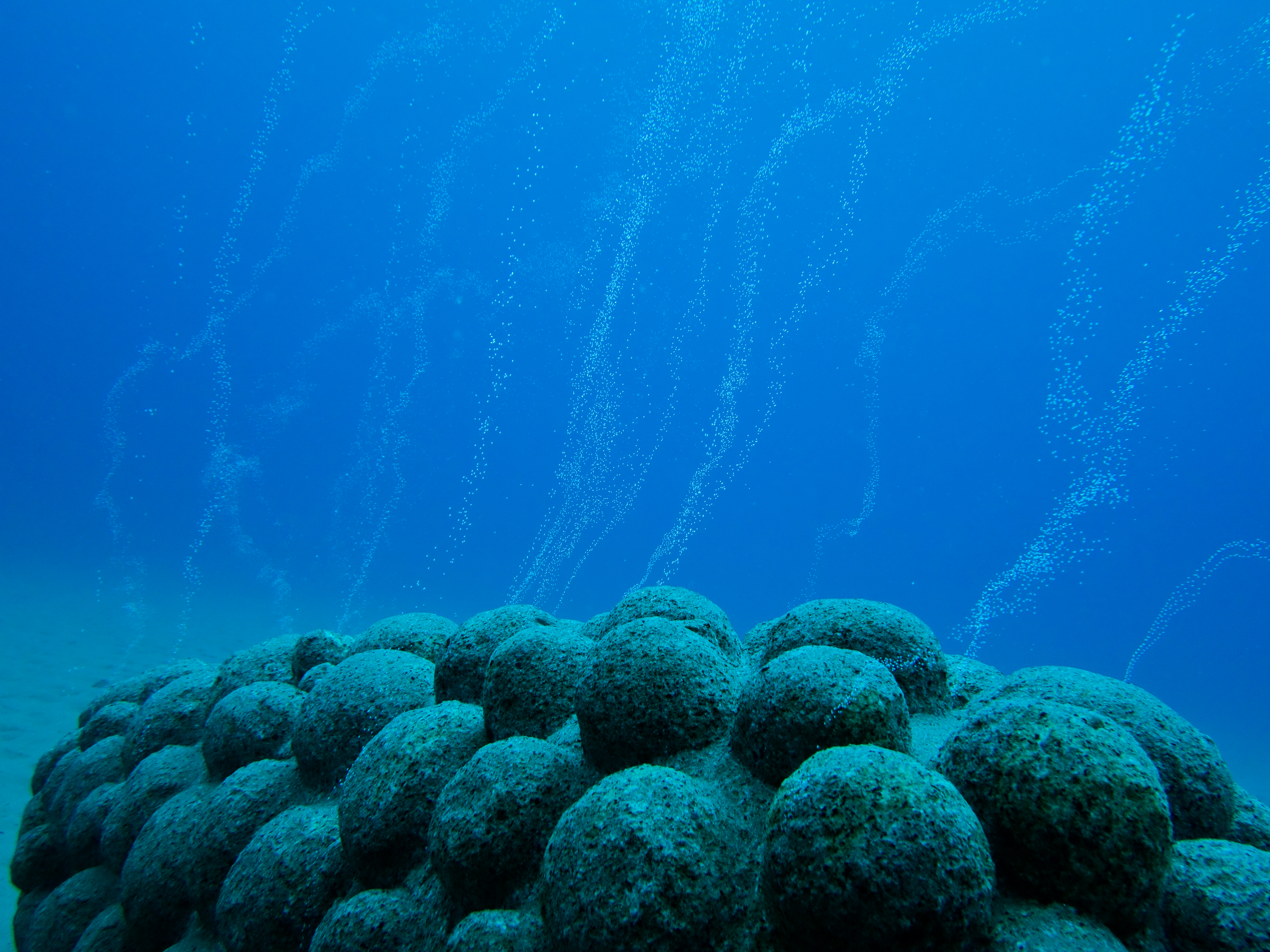
L’artista parte dalle peculiarità naturalistiche di organismi di estrema importanza dal punto di vista ecologico e della biodiversità marina: i poriferi, più comunemente conosciuti come spugne.
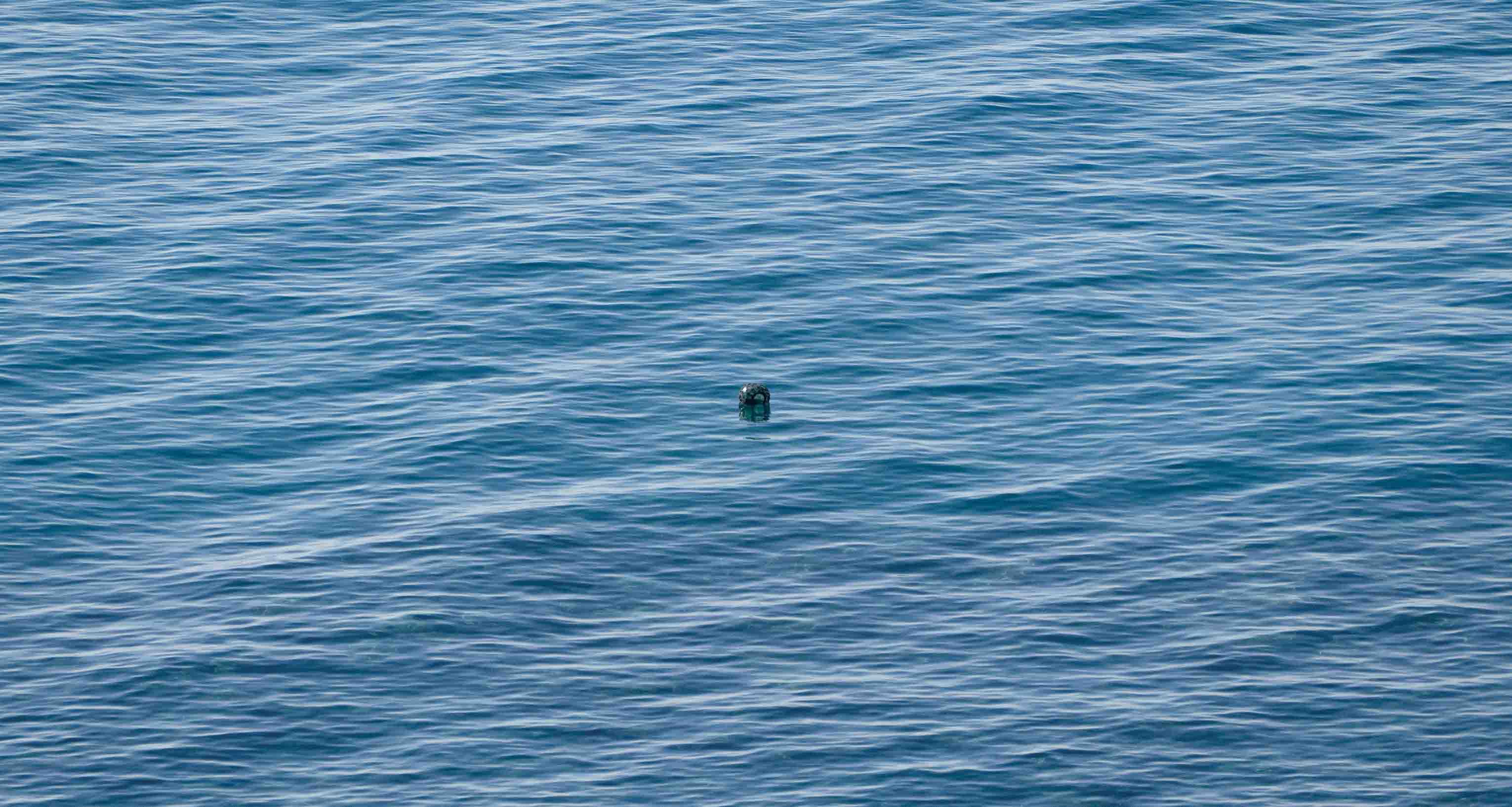
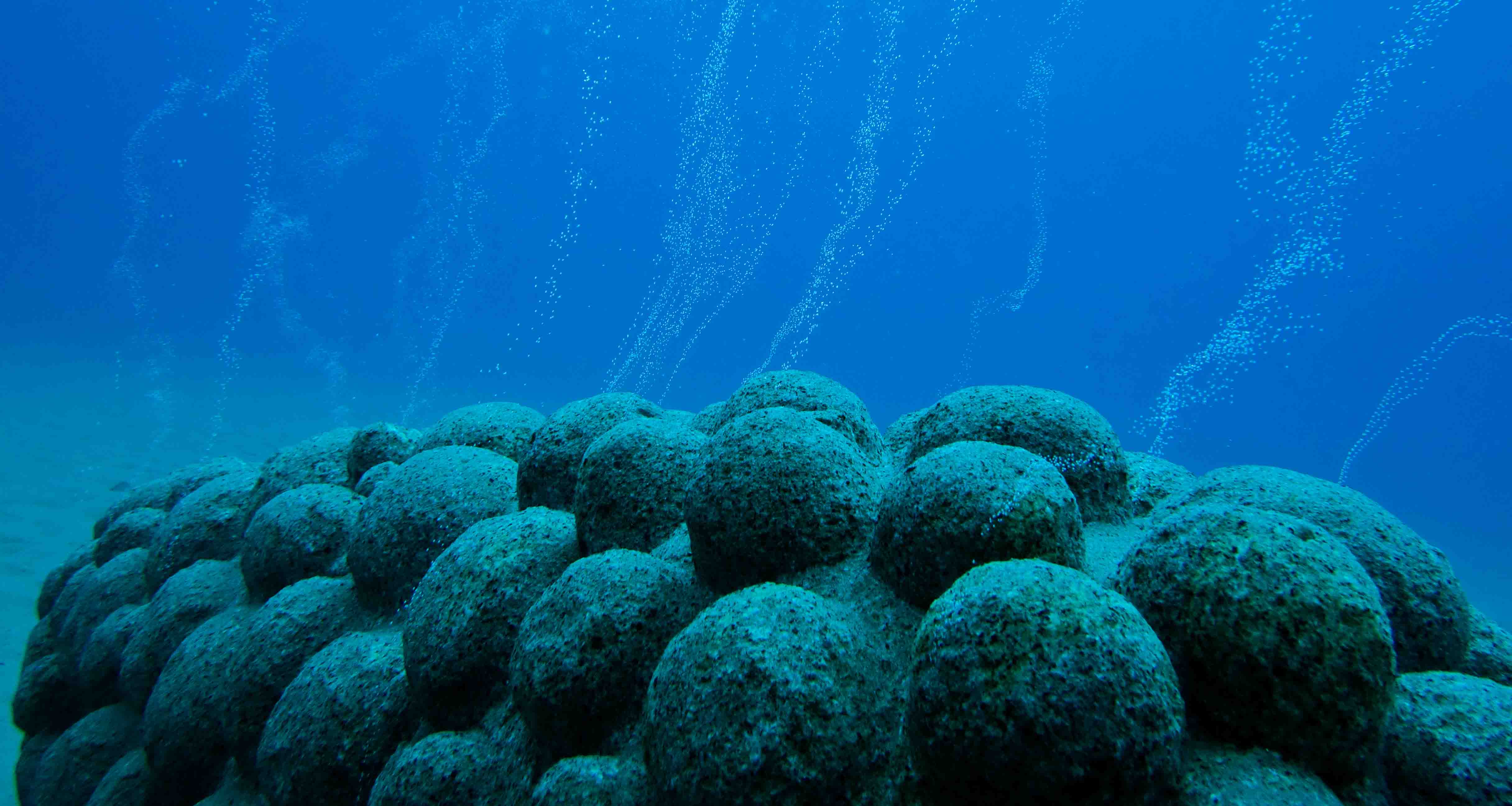
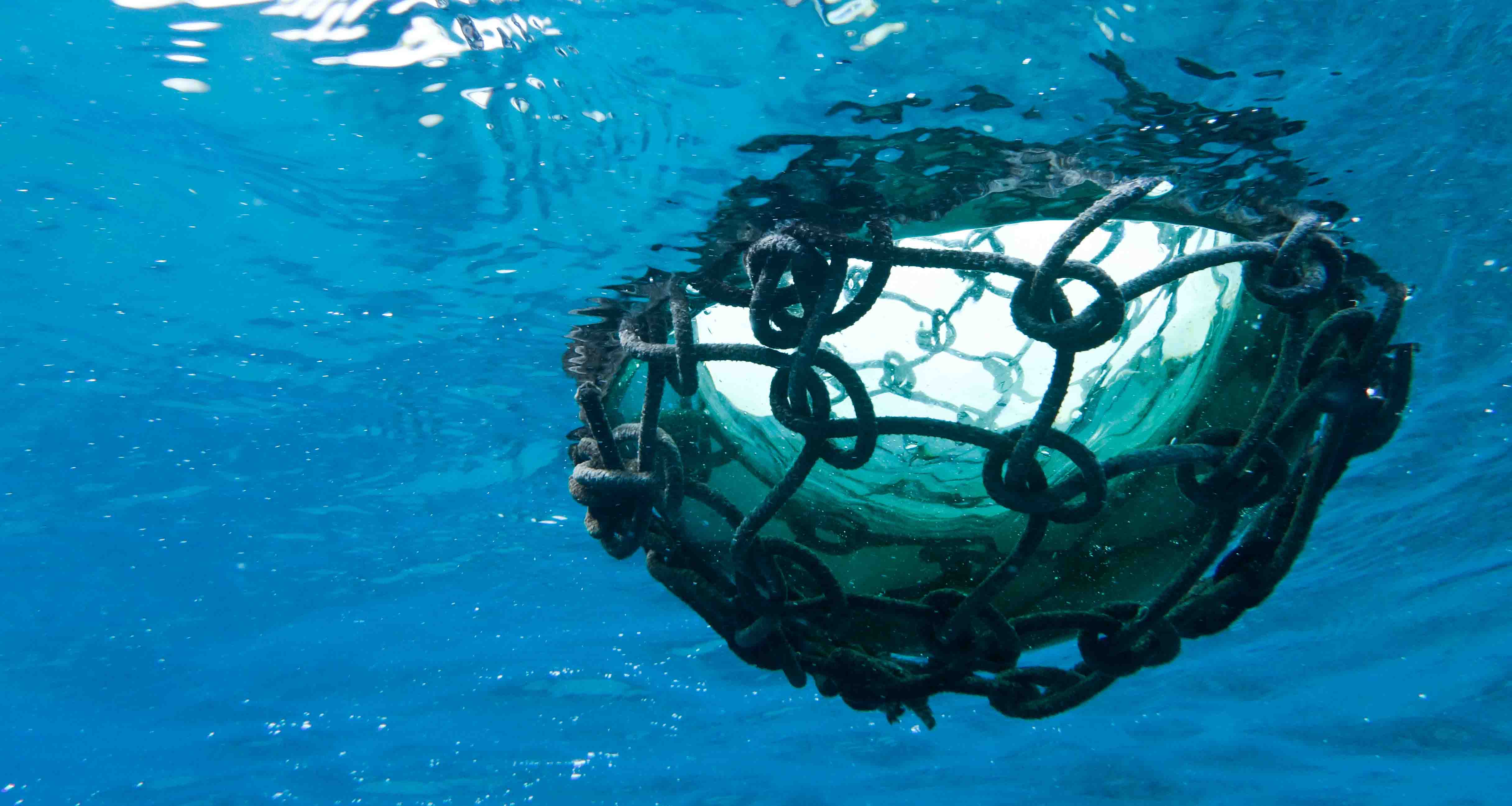
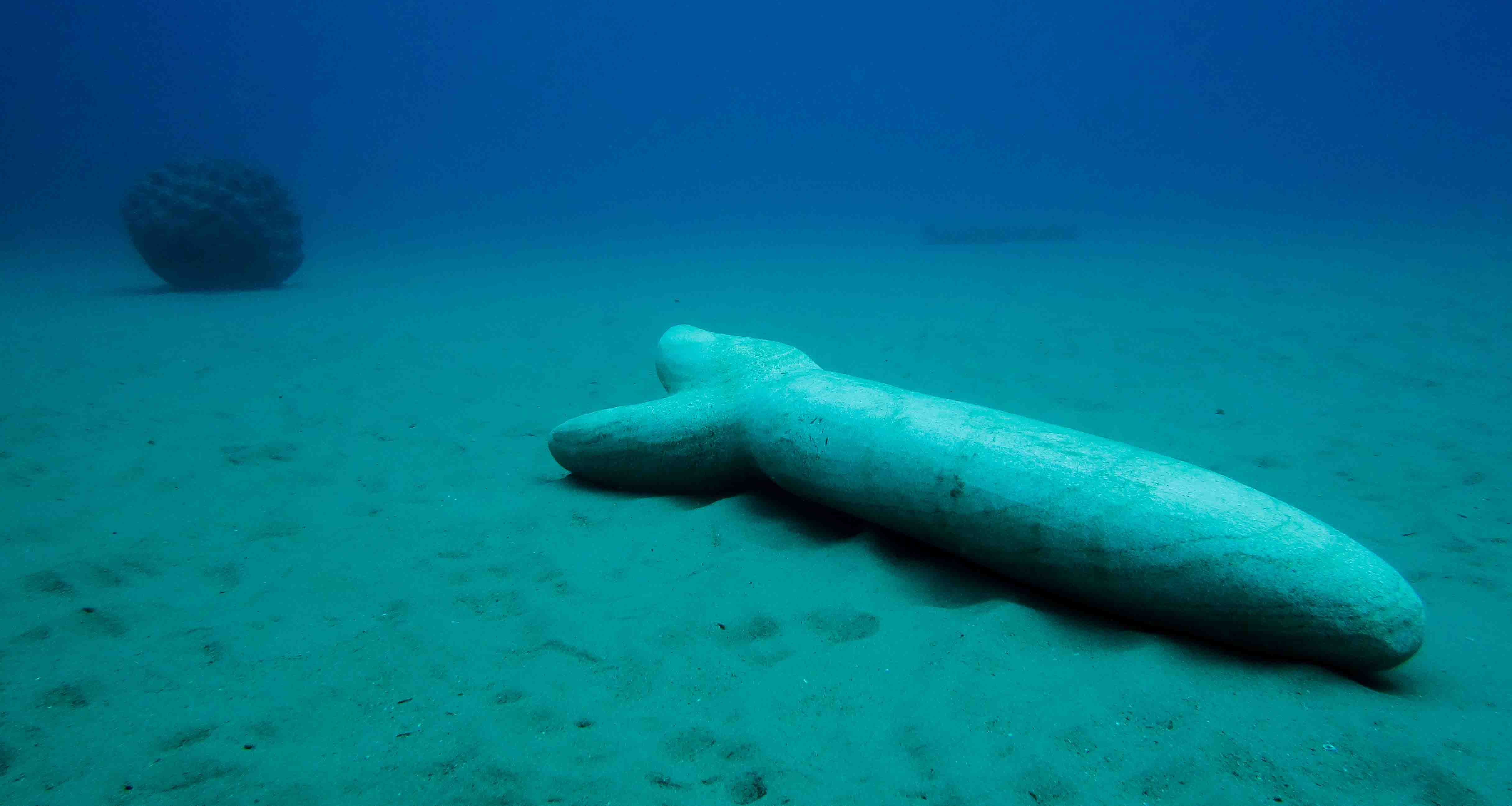
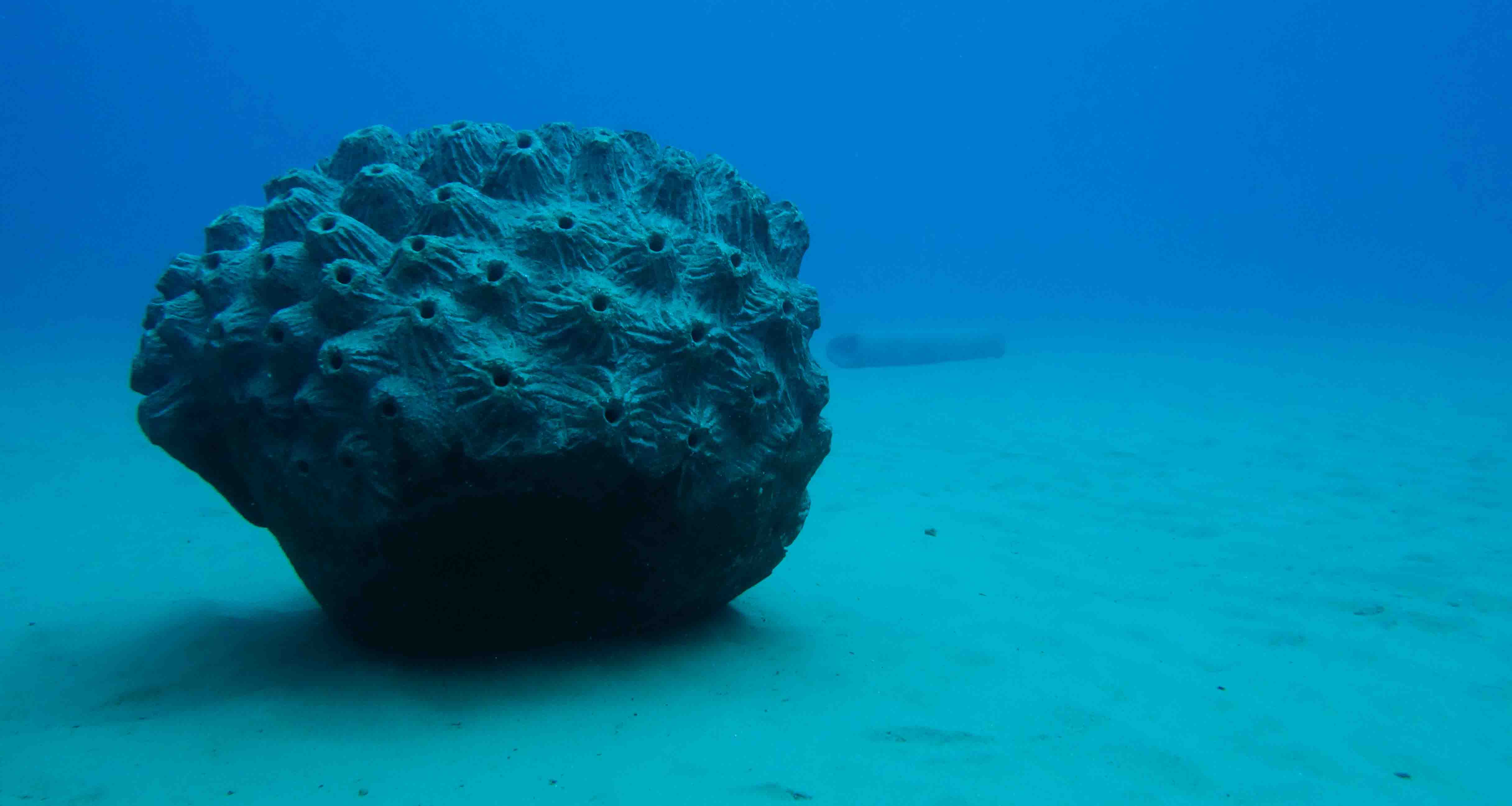
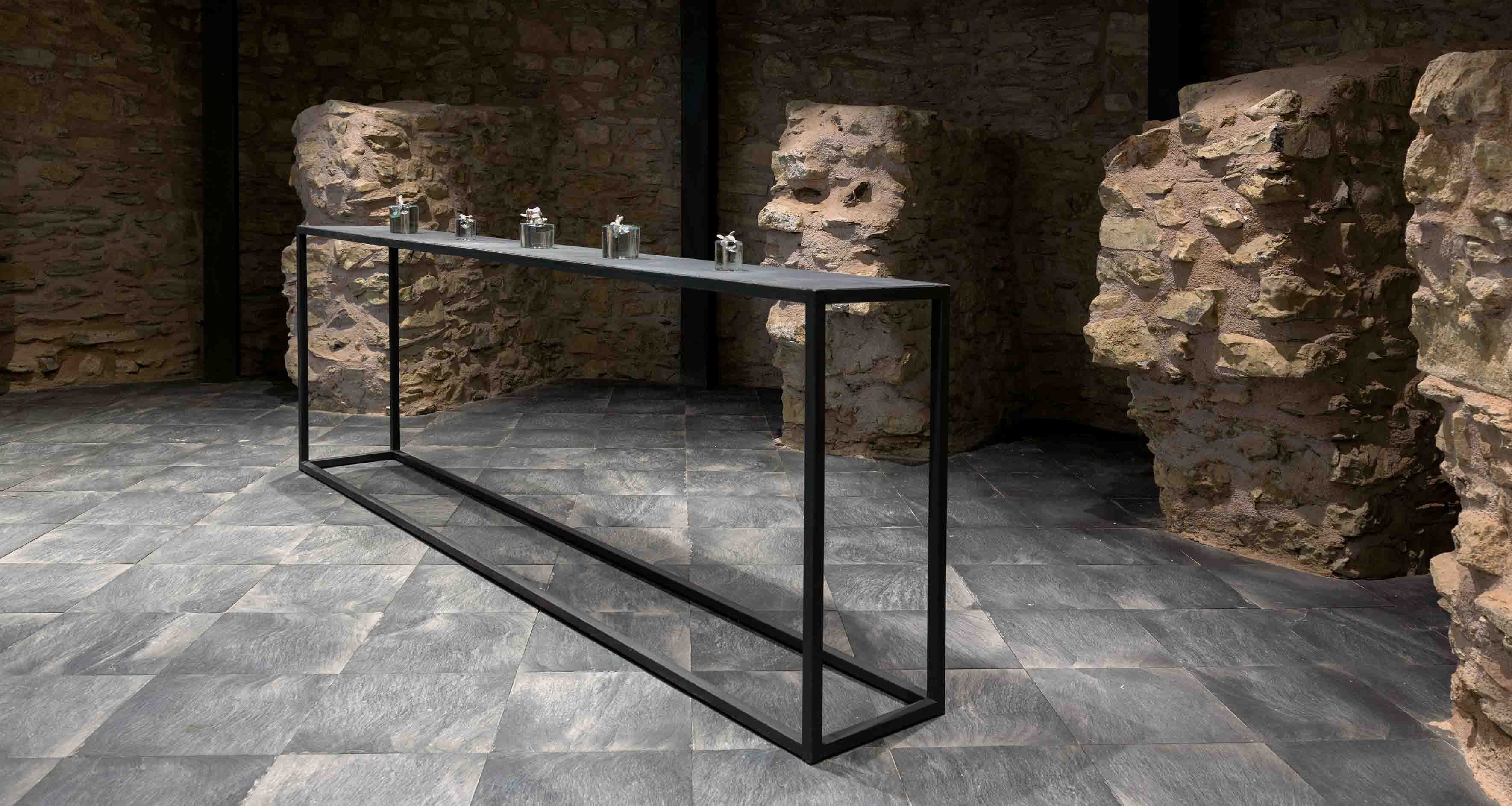
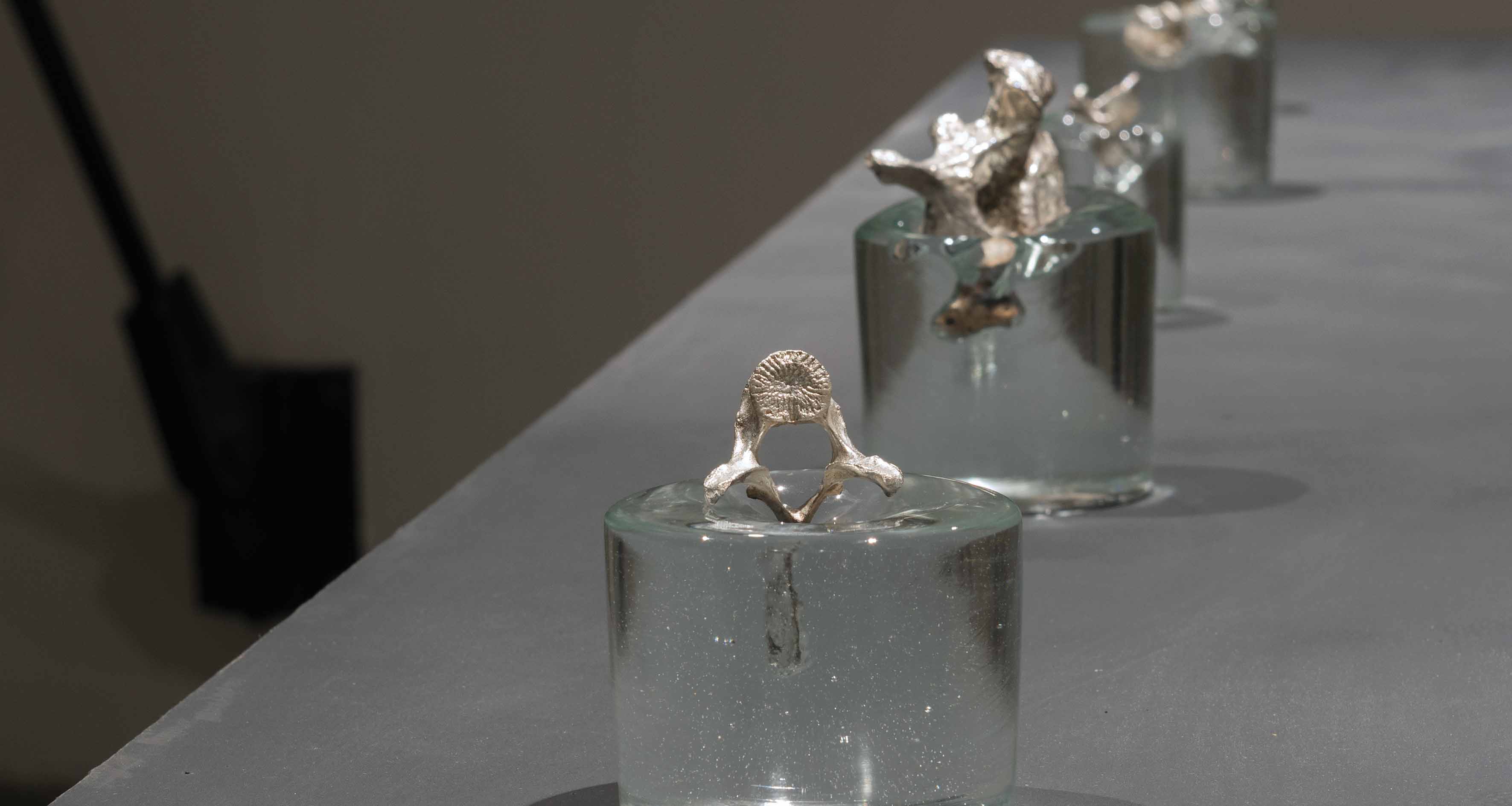
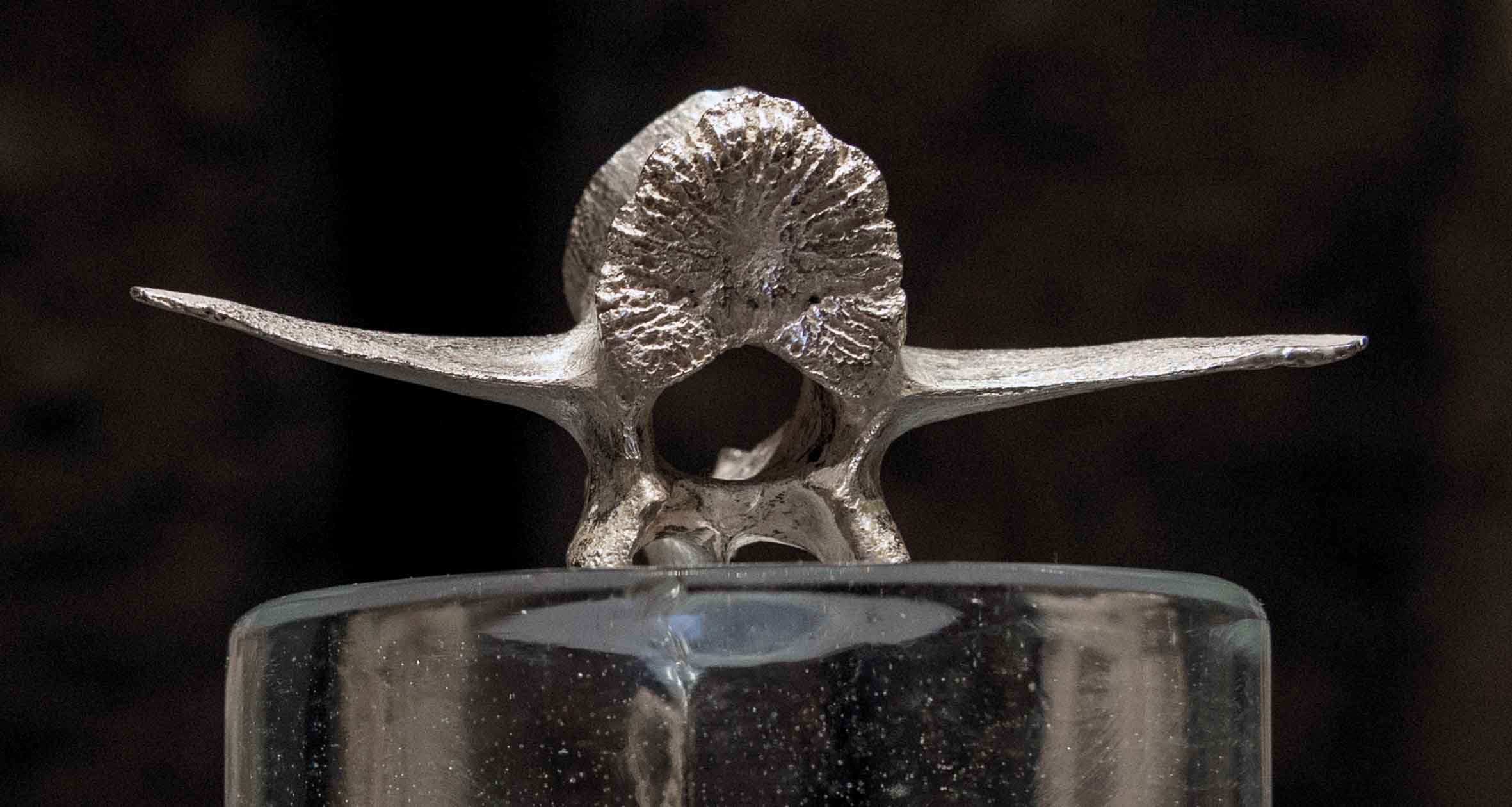
Elena Mazzi, Spicule, 2020, Cervo (IM), Liguria. Ph. Nuvola Ravera

The poetics of Elena Mazzi (Reggio Emilia, 1984) concern the relationship between humanity and the environment in which we live, the ways we operate in it, and how we bring about change. Adhering to a predominantly anthropological approach, her analysis investigates and documents both a personal and a collective identity related to a specific territory, giving rise to different forms of exchange and transformation.
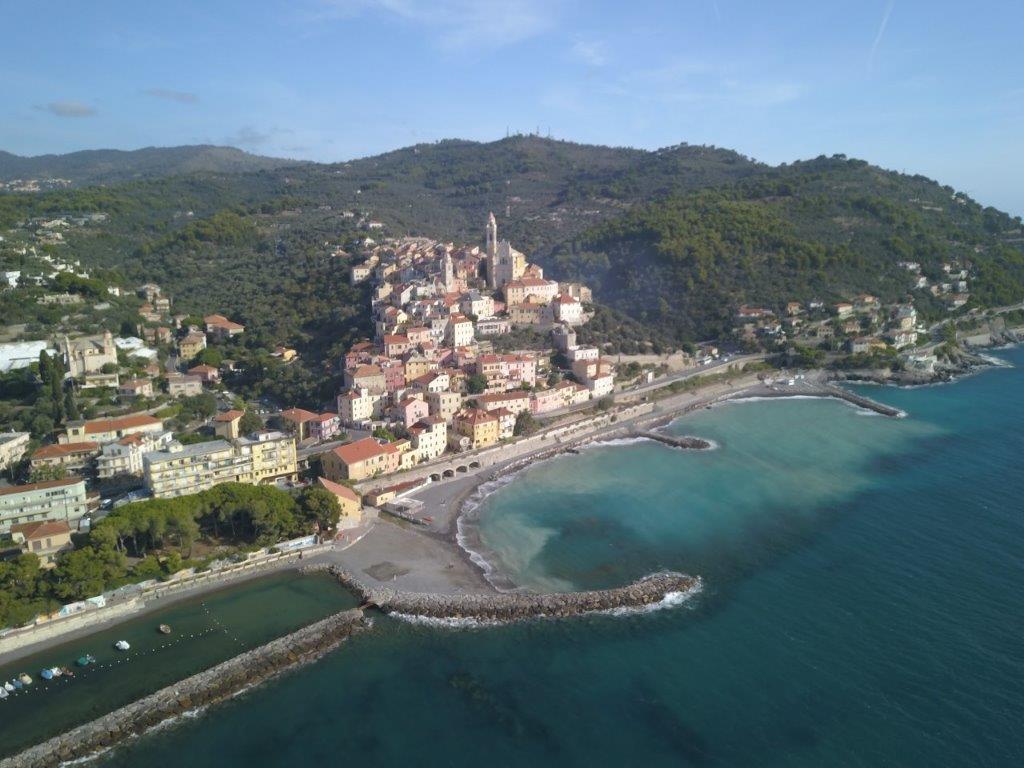
Surrounded by green hills, protected by towers and sixteenth century walls, for years, Cervo has been listed among “I Borghi più Belli d’Italia” (The Most Beautiful Villages of Italy), with its original medieval village-on-the-sea characteristics still intact. The historical center is pedestrian-only, and artisans’ and artists’ shops line its cobbled streets. The surrounding hills are dotted with ruins of past eras, rich in pine forests and olive groves, with quiet paths crossing every which way. Dominating Cervo is a medieval castle, the centuries-old residence of the Clavesana Marquises. Today it hosts temporary art exhibitions and the Ethnographic Museum of Western Liguria. In the village, ancient noble palaces open their doors onto the “carrugi,’ from which you can admire the portals of the Romanesque oratory of Santa Caterina. And on the Sagrato dei Corallini, the Baroque church of San Giovanni Battista, with its concave facade, stands tall: it’s the village’s most iconic image.