
Francesco Pozzato
Spolia
Ispirato al parco archeologico di saepinum, spolia indaga il rapporto tra storia e archeologia nel tentativo di dare voce ai vinti, non solo tramite il racconto parziale dei vincitori, ma tramite l’archeologia, che ci parla della loro cultura e della loro civiltà.
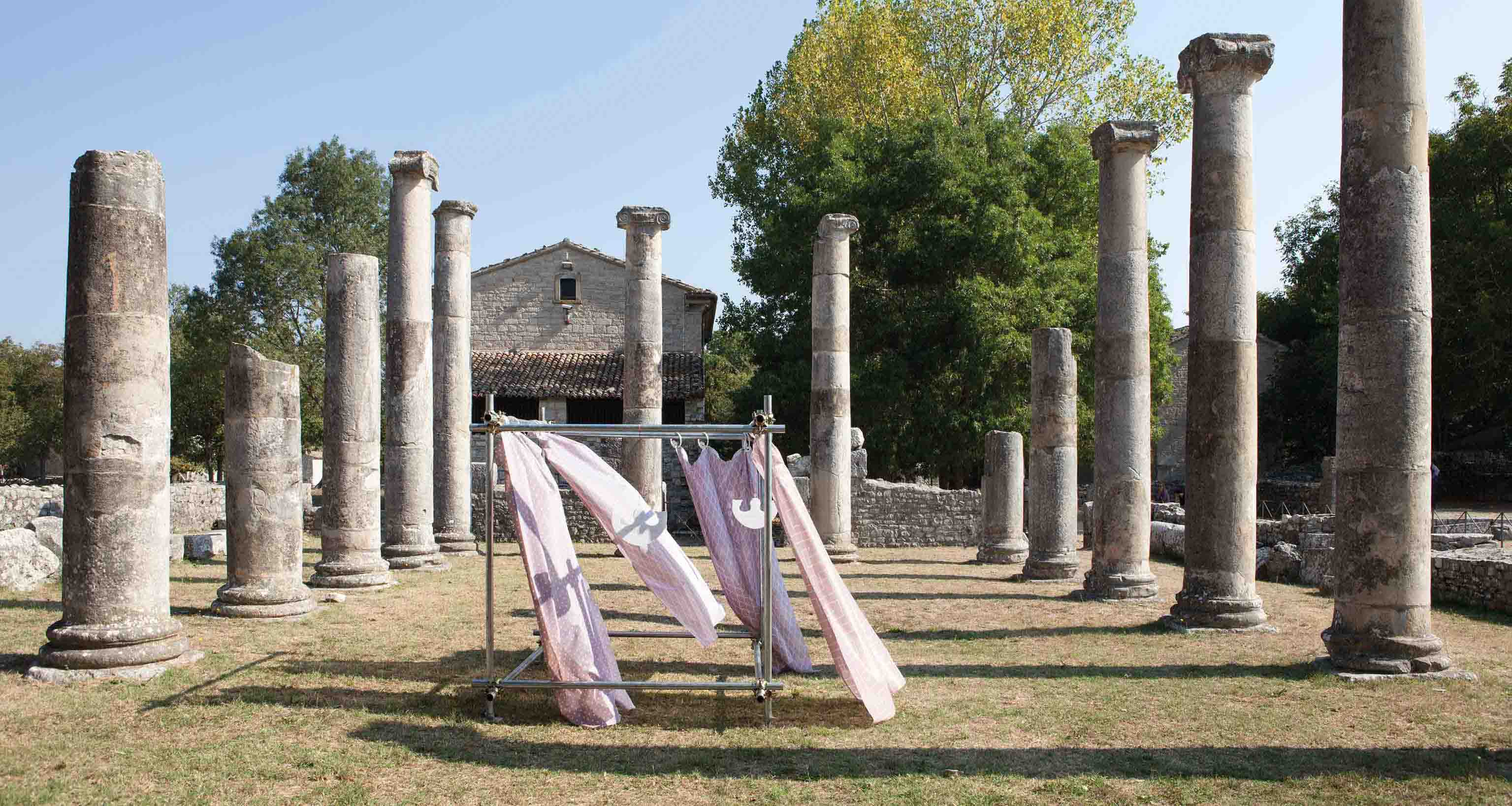
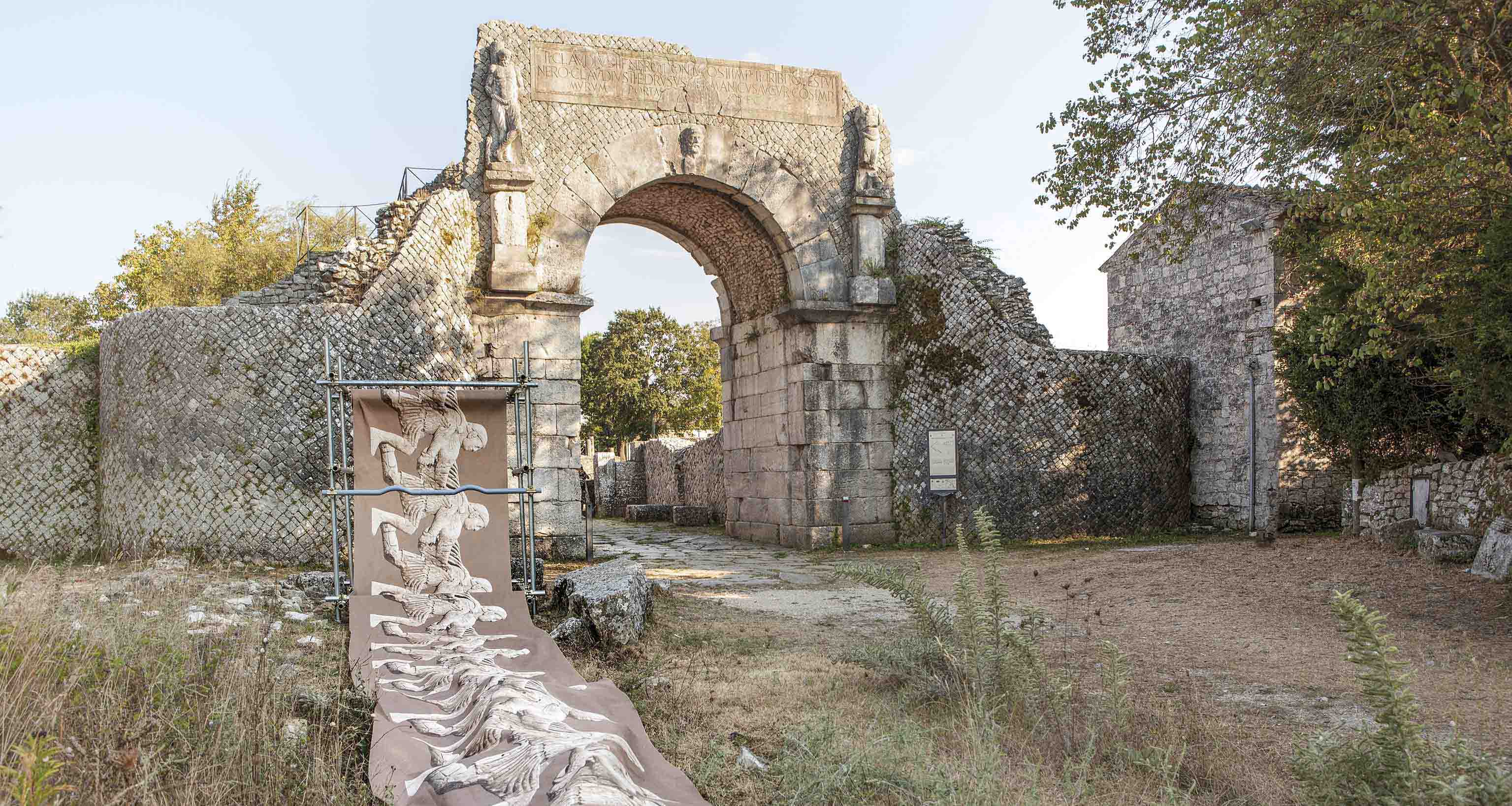

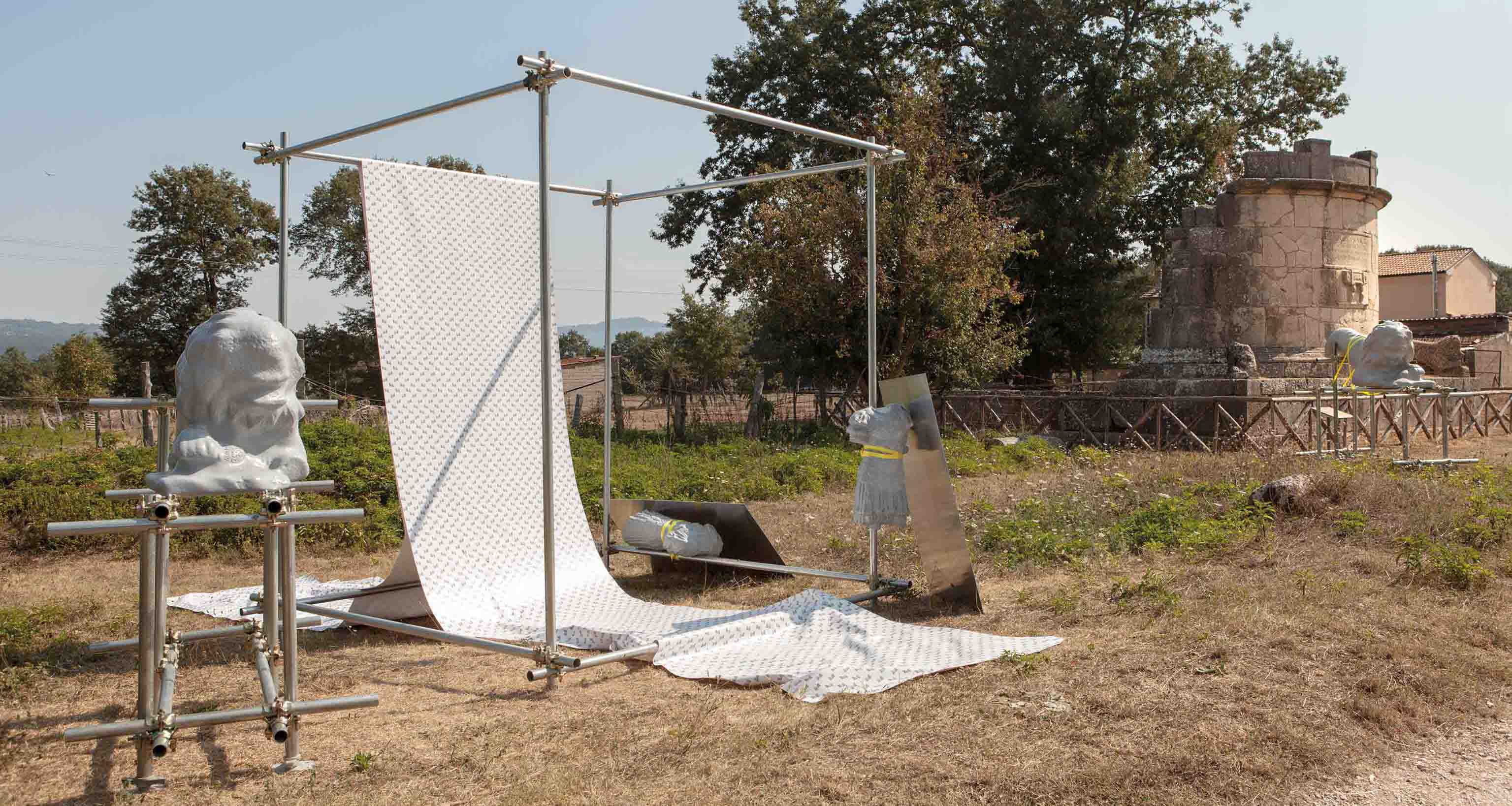
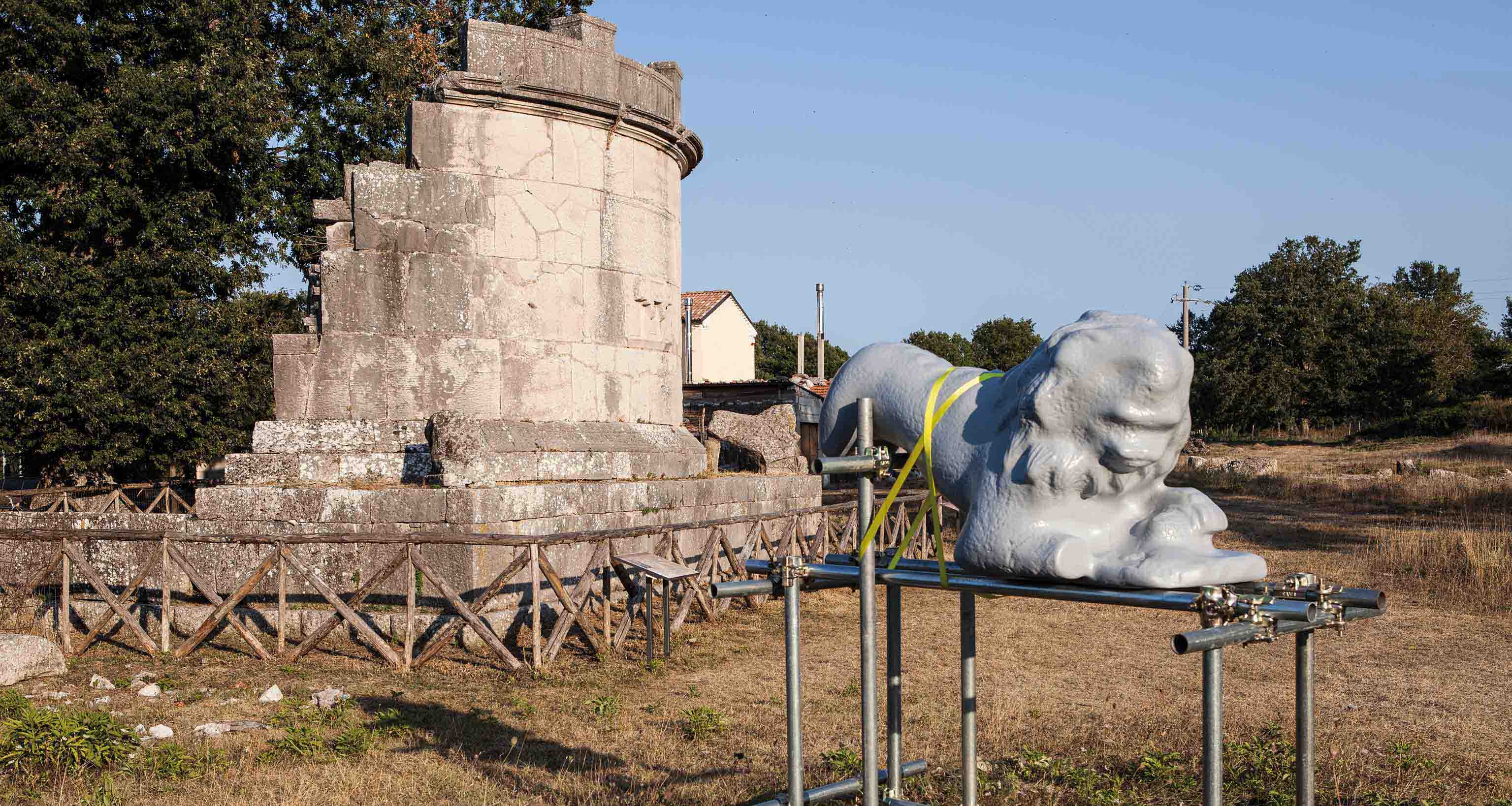
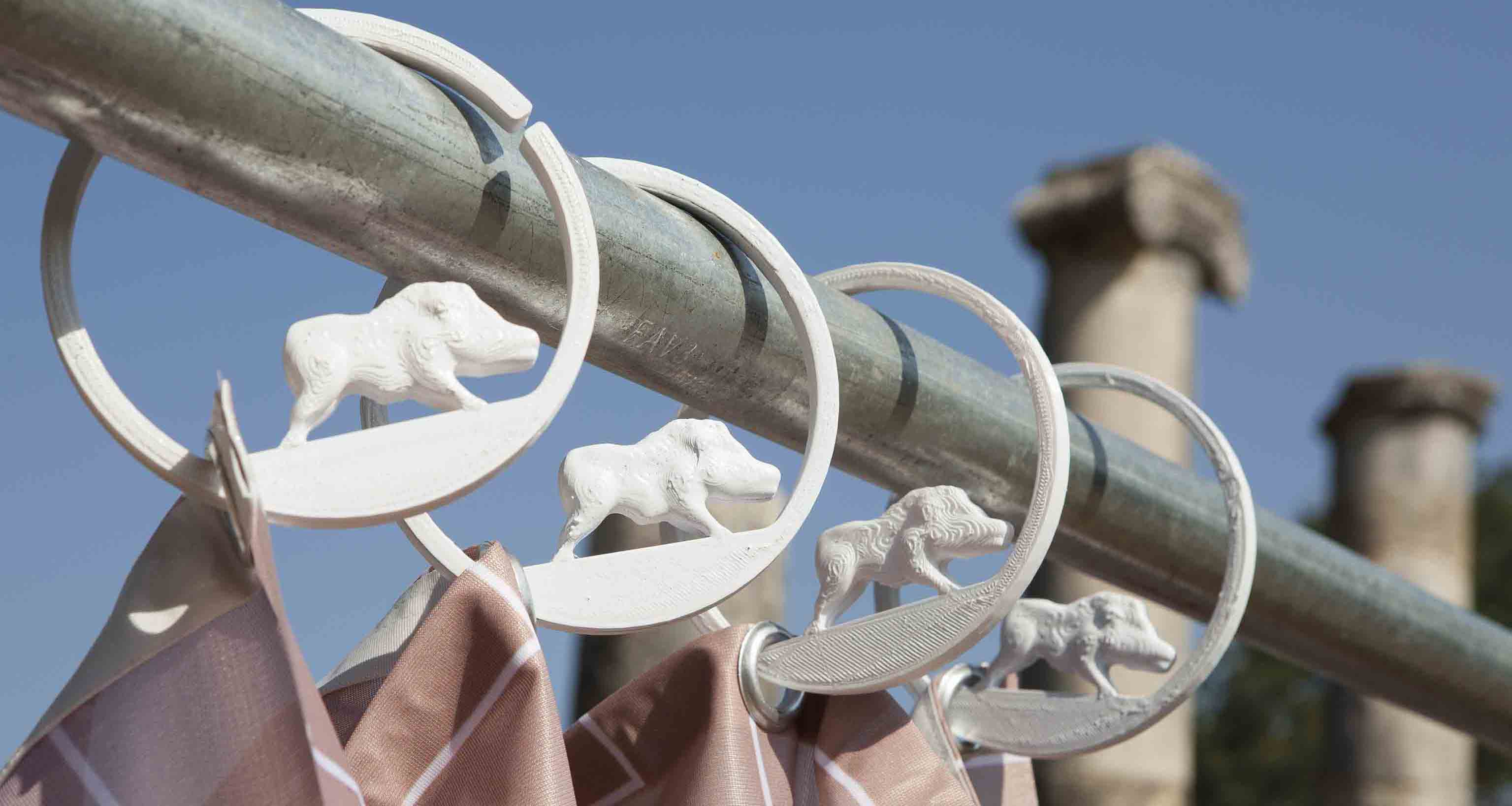
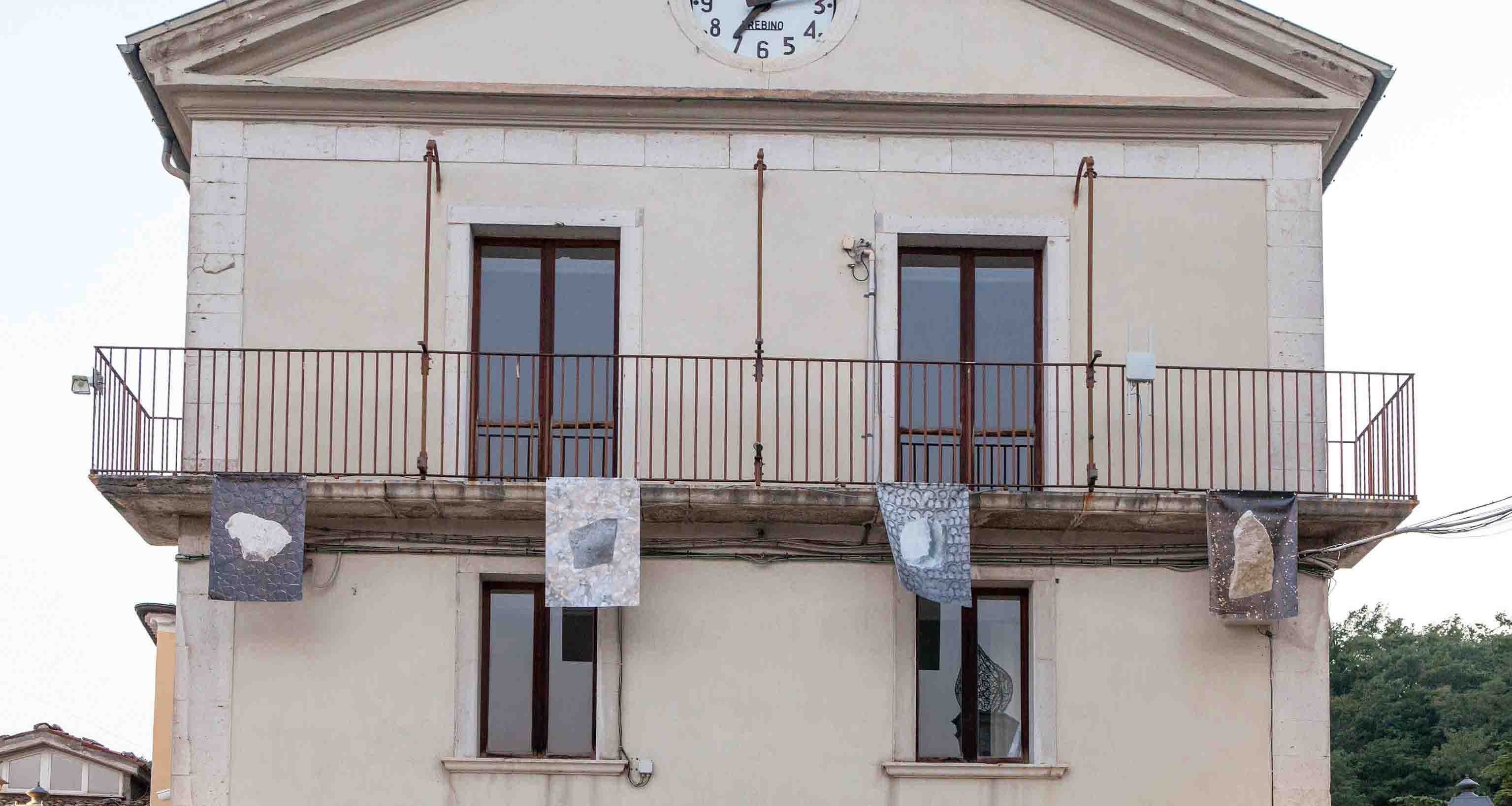
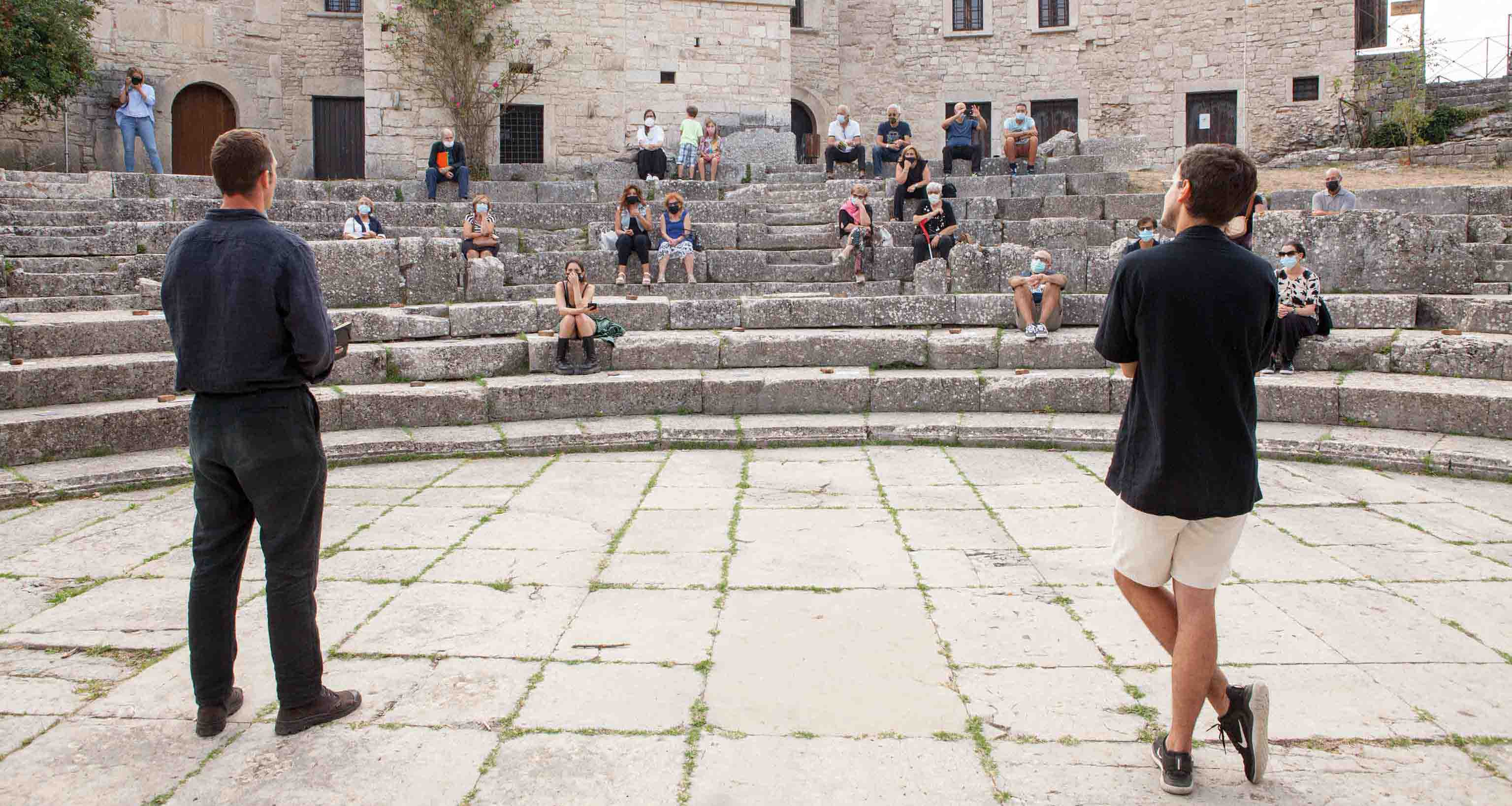
Francesco Pozzato, Spolia, 2020, Area archeologica di Altilia-Saepinum, Sepino (CB), Molise. Ph. Alessandro Pace
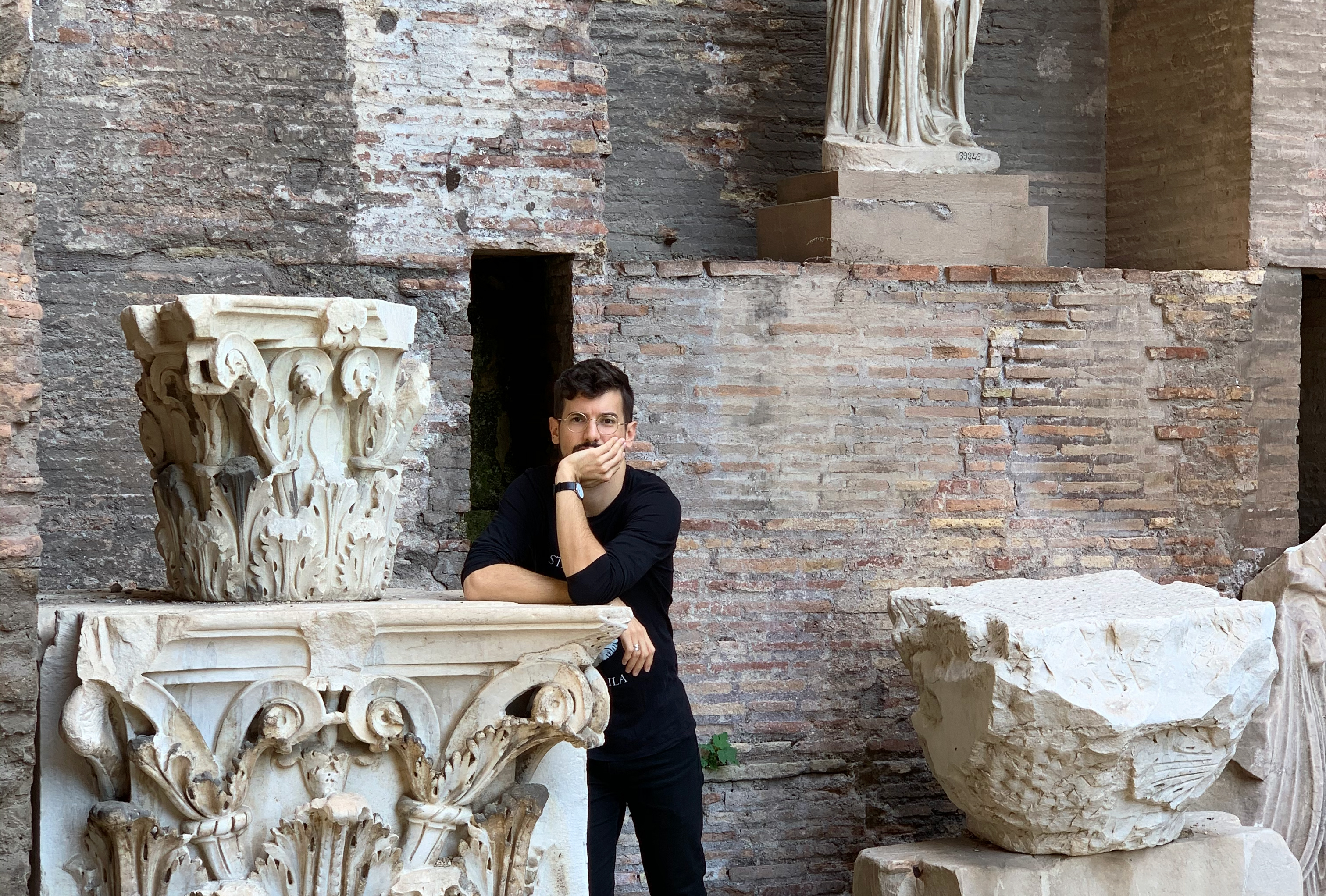
The work of Francesco Pozzato (Vicenza, 1992) focuses on the analysis of the relationship between matter and history, between three-dimensionality and temporality, and more specifically on the relationship between raw materials and the historical period called Antiquity. According to the artist, in fact, the past of humankind has had a profound influence on contemporary peoples. Society, especially Western society, has undergone radical changes over the course of history, characterized by ever greater acceleration. Pozzato’s artistic research stems from a reflection on this dualism, in an attempt to understand how the Ancient, which has apparently disappeared, can interact with the Contemporary and vice versa.
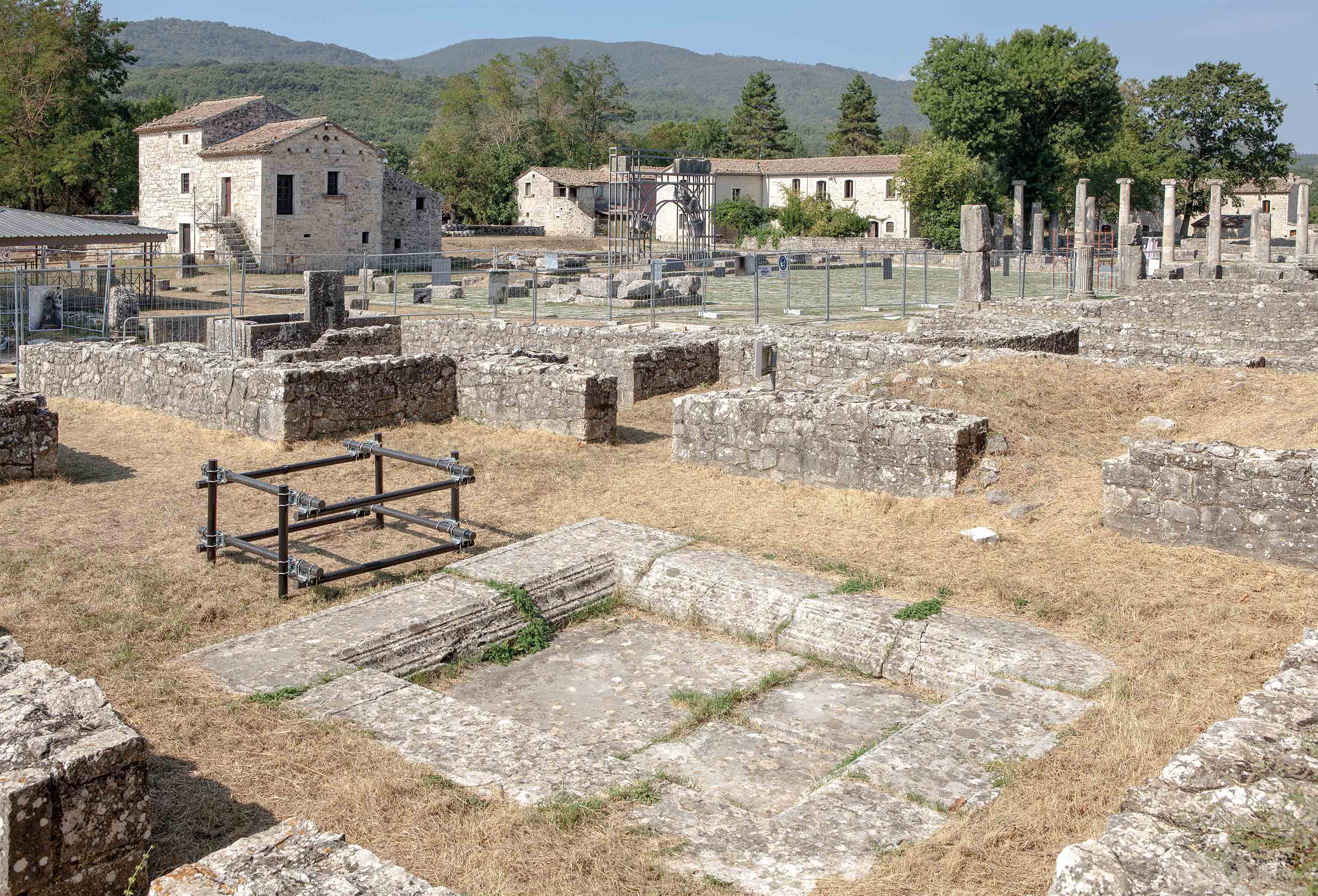
Sepino lies on a hill at an altitude of about 700 meters: it is one of the last north-eastern offshoots of the Matese massif, a territory that contains centuries of history of the pristine valley of the Tammaro river, rich in healthy springs and centuries-old woods. Elements of historical and naturalistic interest coexist in the village of Sepino: its main attractions include the archaeological site of the ancient Roman city – well preserved – of Saepinum, the medieval village, the landscapes of the Pianoro di Campitello and the whole mountain.