Aterraterra (Fabio Aranzulla e Luca Cinquemani)
Stasi, equilibri ecosistemici in divenire
curated by Valerio Panella
I am fascinated by the biological complexity of nature: a dense network of interconnected relationships, almost imperceptible.
I try to distill them by altering material, color, and scale, to highlight the elements that sustain the whole—those to which we are inevitably connected.
Il progetto indaga la complessità dei paesaggi forestali alpini, spesso percepiti come incontaminati, ma in realtà plasmati da interventi umani e cambiamenti climatici. La maggior parte delle foreste di abeti rossi in Trentino-Alto Adige è gestita con pratiche silvicole, mentre una minoranza è costituita da boschi naturali. Questi ecosistemi, apparentemente stabili, sono fragili e vulnerabili, soprattutto in un contesto di crescente instabilità climatica.
Nel 2018 la tempesta Vaia ha abbattuto circa 14 milioni di alberi, rivelando i limiti di un ecosistema dominato dalla monocoltura di abete rosso, una specie caratterizzata da crescita rapida e radici superficiali, molto vulnerabile agli attacchi del bostrico tipografo. La proliferazione di questo insetto, favorita dall’abbondanza di alberi caduti e dal clima sempre più caldo, sta devastando le foreste della zona: senza lunghi inverni rigidi, infatti, si moltiplica attaccando e causando la morte di alberi sani. Si stimano quasi 50 milioni di alberi uccisi in tutta la regione, un dato che supera di gran lunga le conseguenze di Vaia.
Stefano Caimi presenta un’installazione di cavi sospesi tra rami e tronchi della foresta, che rende simbolicamente evidenti i cicli di vita e morte, la tensione tra natura e intervento umano, e la capacità dell’ecosistema di rigenerarsi. L’opera si ispira alle strategie adottate nella Foresta dei Giganti di Luserna, dove abbattimenti selettivi e tecniche di contenimento del parassita riflettono la complessità di un equilibrio precario.
Un ulteriore livello di riflessione è offerto dalla necromassa: il legno morto che, oltre a nutrire il suolo, viene impiegato come esca per controllare l’epidemia di bostrico, ma che al contempo è un habitat prezioso, ricco di biodiversità. La morte, quindi, non è fine ma parte integrante di un ciclo vitale che garantisce il rinnovamento e la resilienza della foresta.Stasi, equilibri ecosistemici in divenire è un’occasione per riflettere sulle trasformazioni invisibili, sui delicati equilibri in bilico tra vita e morte, e sulla responsabilità umana nel custodire il patrimonio naturale alpino, ora più che mai messo alla prova dai mutamenti climatici.
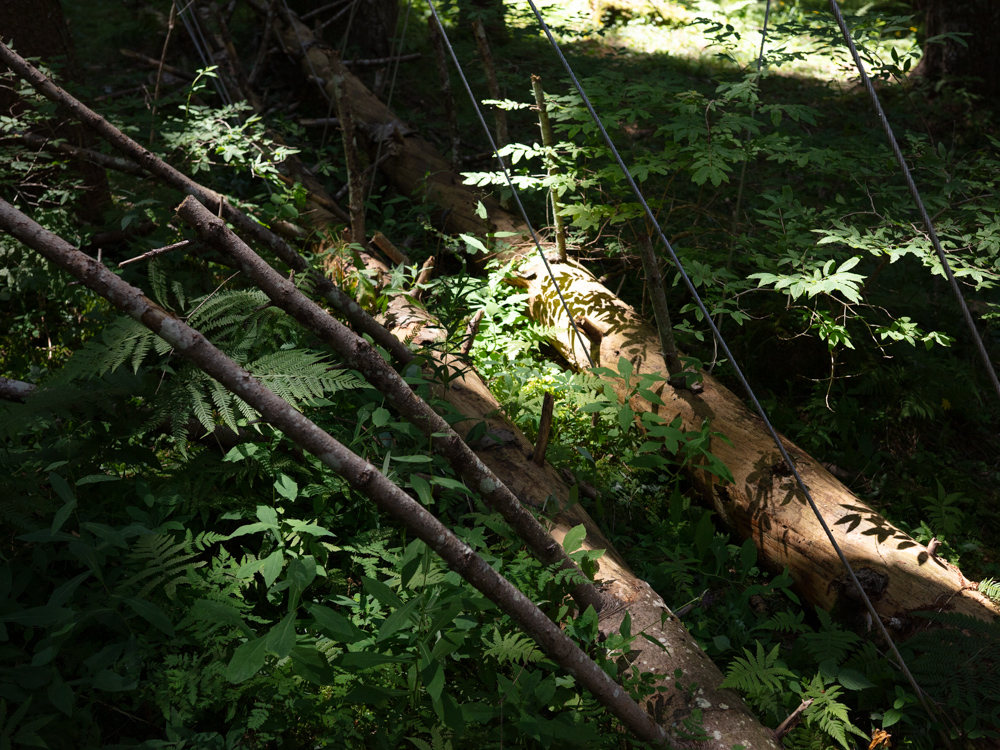
- Installazione ambientale, larici, abeti, necromasse, cavi e tiranti in acciaio inox, brache, dimensioni variabili.
Bosco dei Giganti, Luserna (TN)
Percorrere il Sentiero dei Giganti. La visita è facilitata da segnaletiche posizionate lungo il tragitto.
Aterraterra (Fabio Aranzulla e Luca Cinquemani)
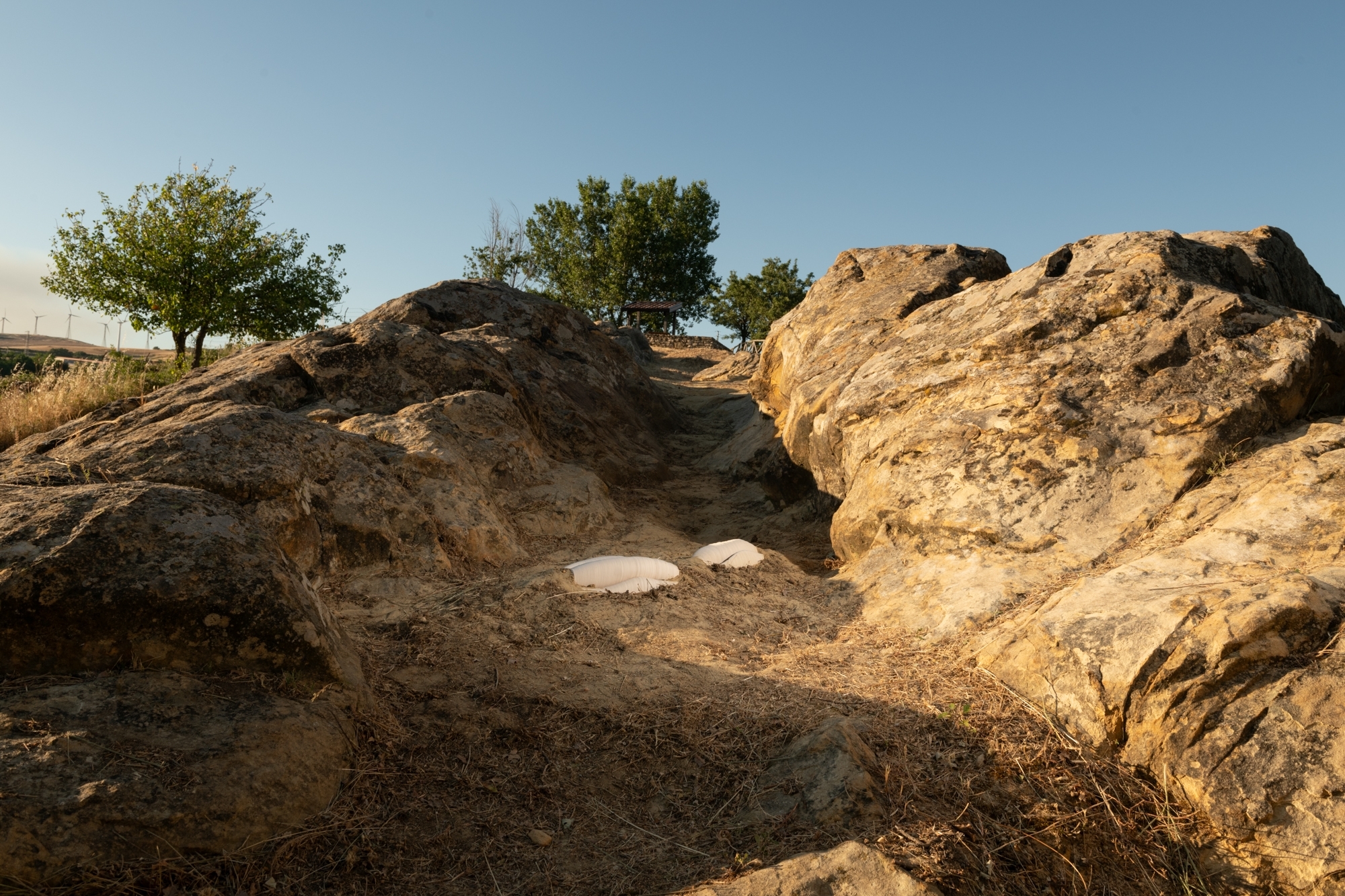
Nodo #02, 2026Stampa 3D in argilla, 45 x 25 x 25 cm
Palmenti di Forenza (PZ)
I Palmenti sono visibili dall’area picnic. L’opera è allestita all’interno dell’area rocciosa e non può essere osservata da vicino.Aterraterra (Fabio Aranzulla e Luca Cinquemani)
Nodo #03, 2026Stampa 3D in argilla, 45 x 25 x 25 cm
Fontana Savoche, Strada Provinciale 8 del Vulture, Forenza (PZ)
Aterraterra (Fabio Aranzulla e Luca Cinquemani)
Nodo #04, 2026Stampa 3D in argilla, 45 x 25 x 25 cm
Sentina - Arco don Saverio, tra Vico Storto e Vico Borcale, Forenza (PZ)
Aterraterra (Fabio Aranzulla e Luca Cinquemani)
Nodo #05, 2026Stampa 3D in argilla, 45 x 25 x 25 cm
Sentina - Corso Grande Umberto I 59, Forenza (PZ)
Aterraterra (Fabio Aranzulla e Luca Cinquemani)
Forenza multispecie, 2026Sito online che raccoglie testi, osservazioni e registrazioni multispecie lungo l'edizione di Una Boccata d'Arte 2026.
Web designer: Chiara Tonndorf
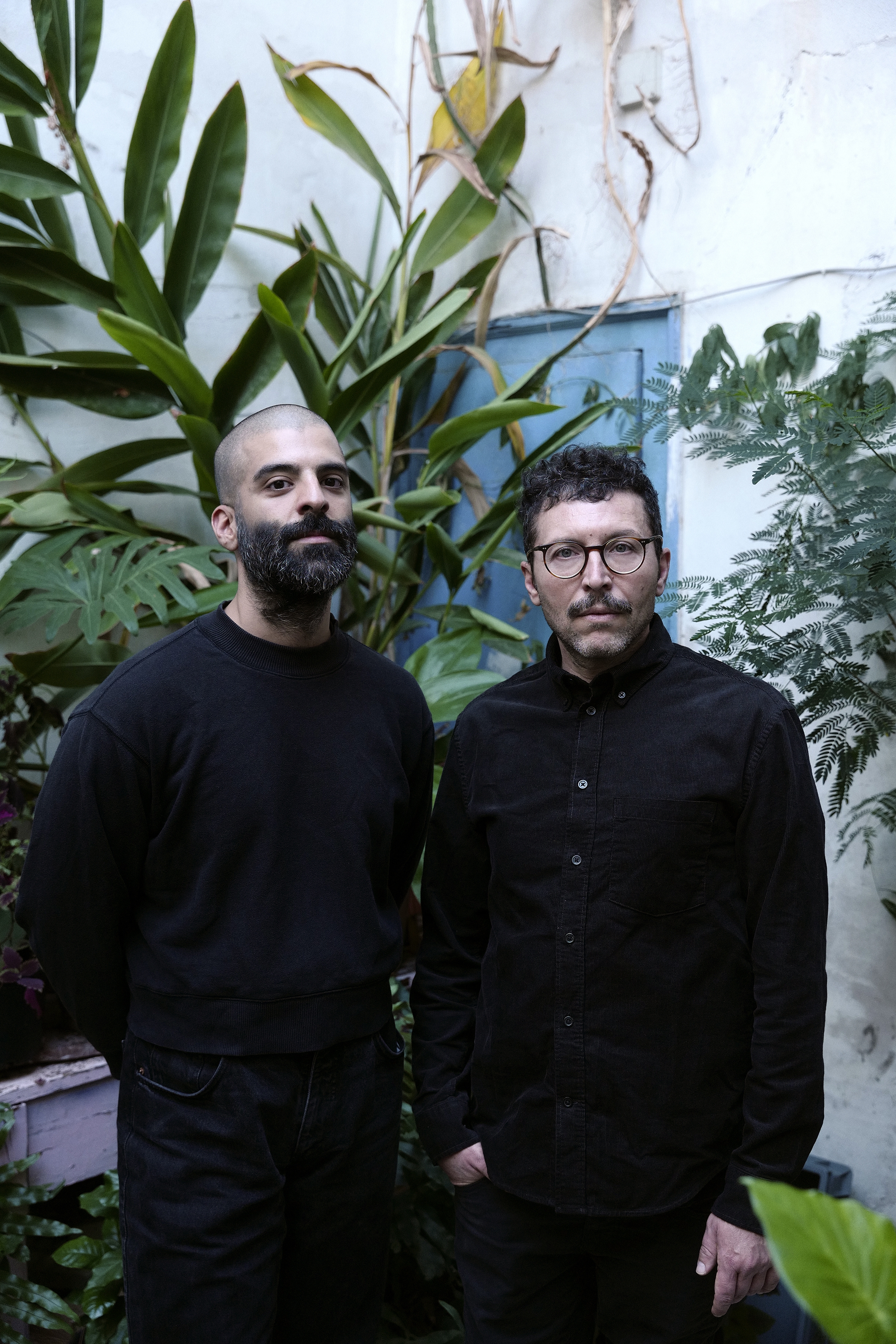
Aterraterra is a duo composed of Fabio Aranzulla (Karlsruhe, Germany, 1991) and Luca Cinquemani (Agrigento, Italy, 1979). The duo studied at the Academy of Fine Arts in Leipzig and completed a PhD in European Cultural Studies between Palermo and Düsseldorf. Their practice intersects art, ecology, and science, investigating—through installations and other media—the forms of discipline and anthropocentrism in the relationship with plants and other non-human life forms. It also examines ecological transformations driven by climate change. Recent projects include the exhibition Postvarietal Communities at the Museo Civico di Castelbuono (IT, 2025) and a residency at MODEM, Debrecen (HUN, 2025).
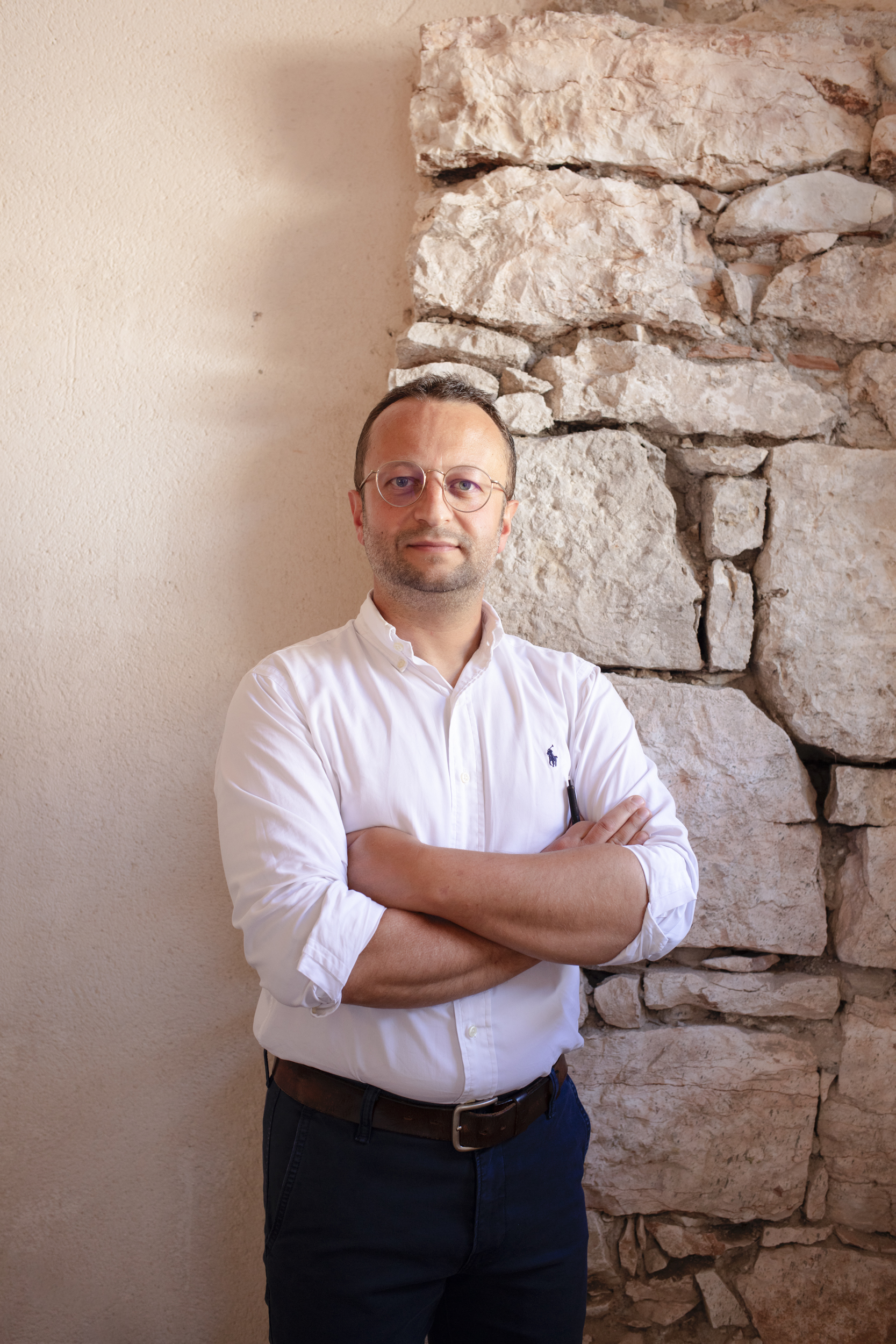
Valerio Panella (Trento, 1984), graduates in Sustainable Architecture from the Politecnico di Milano. As an architect and designer, he has been drawn to the world of art since his studies, merging his sensitivity to environmental issues, sustainability, and cultural landscape. A member of the Arte Sella Association, he has been collaborating with them for over five years. For Una Boccata d’Arte he has been the curator for Trentino-Alto Adige since the first edition and he curated projects by the artists: Luca Pozzi in Mezzano (2020), Camille Norment in Santa Gertrude (2021), Giulia Mangoni in San Lorenzo Dorsino (2022), Benjamin Jones in Pieve Tesino (2023) and Adji Dieye in Magrè sulla Strada del Vino (2024).
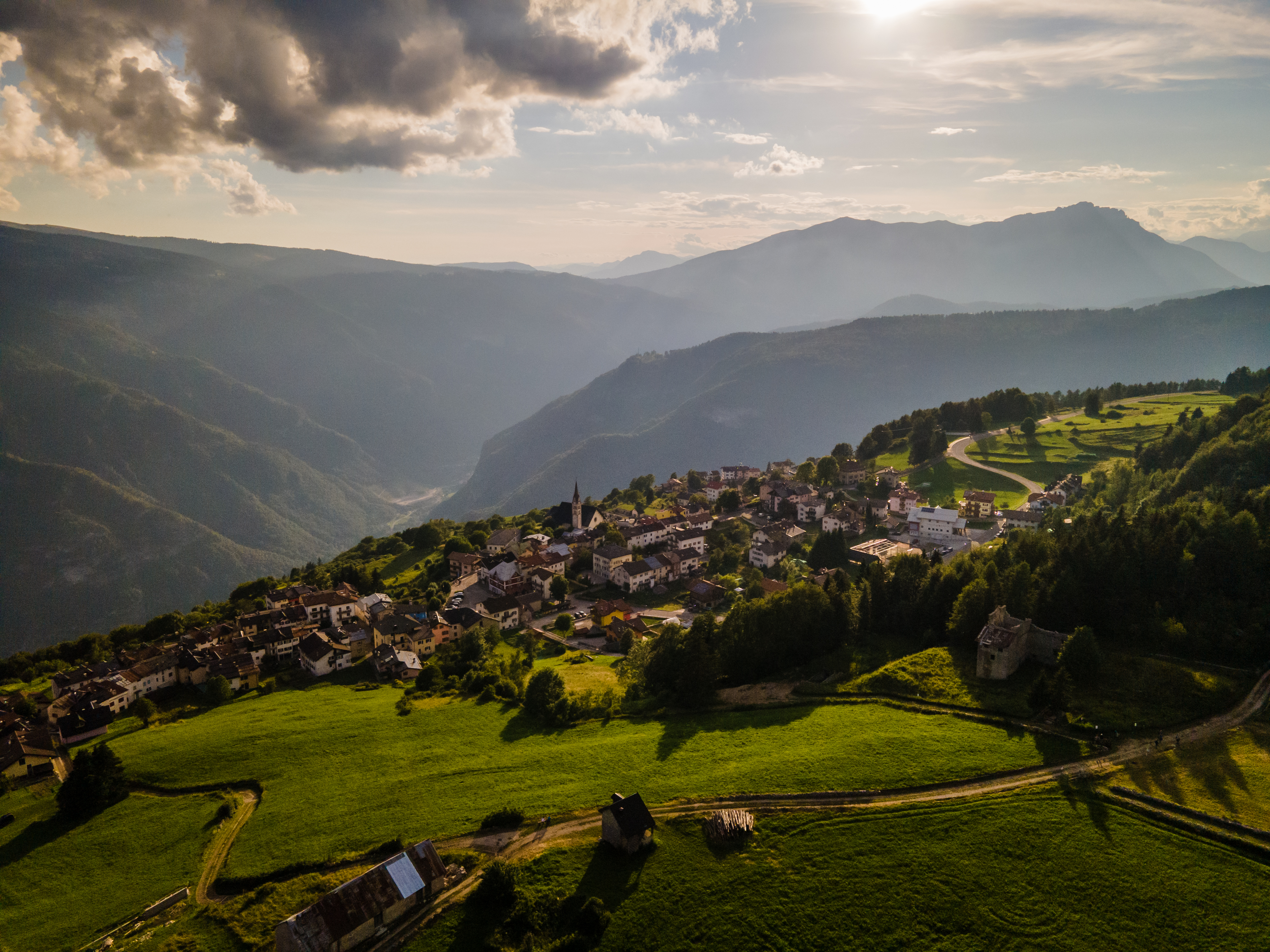
On the Cimbrian Alps, there is a place where the silence of the woods speaks an ancient language. This is Luserna, nestled among pastures and trails shaped by time, enchanting visitors with its authenticity and strong cultural identity.Here, people still speak Cimbrian—Zimbar to the locals—a Germanic language brought by settlers from the Empire in the 12th century. It is a living heritage, found in folk songs, elders’ stories, and bilingual signs.At the heart of this collective memory stands the Luserna Museum, which tells the story of the area’s history, nature, and traditions through immersive trails and sound archives. The Haus von Prükk, a traditional farmhouse museum, preserves daily life from the early 20th century through simple objects and quiet stories.Bobbin lace is a cherished village tradition that celebrates the beauty of slowness. For those seeking an authentic connection with nature, themed trails lead from the village into thick forests.
Watching over Luserna is Fort Werk Lusérn, an austere Austro-Hungarian sentinel and silent witness to a past that still echoes.