Sabrina Mezzaqui
Toccacieloscolora
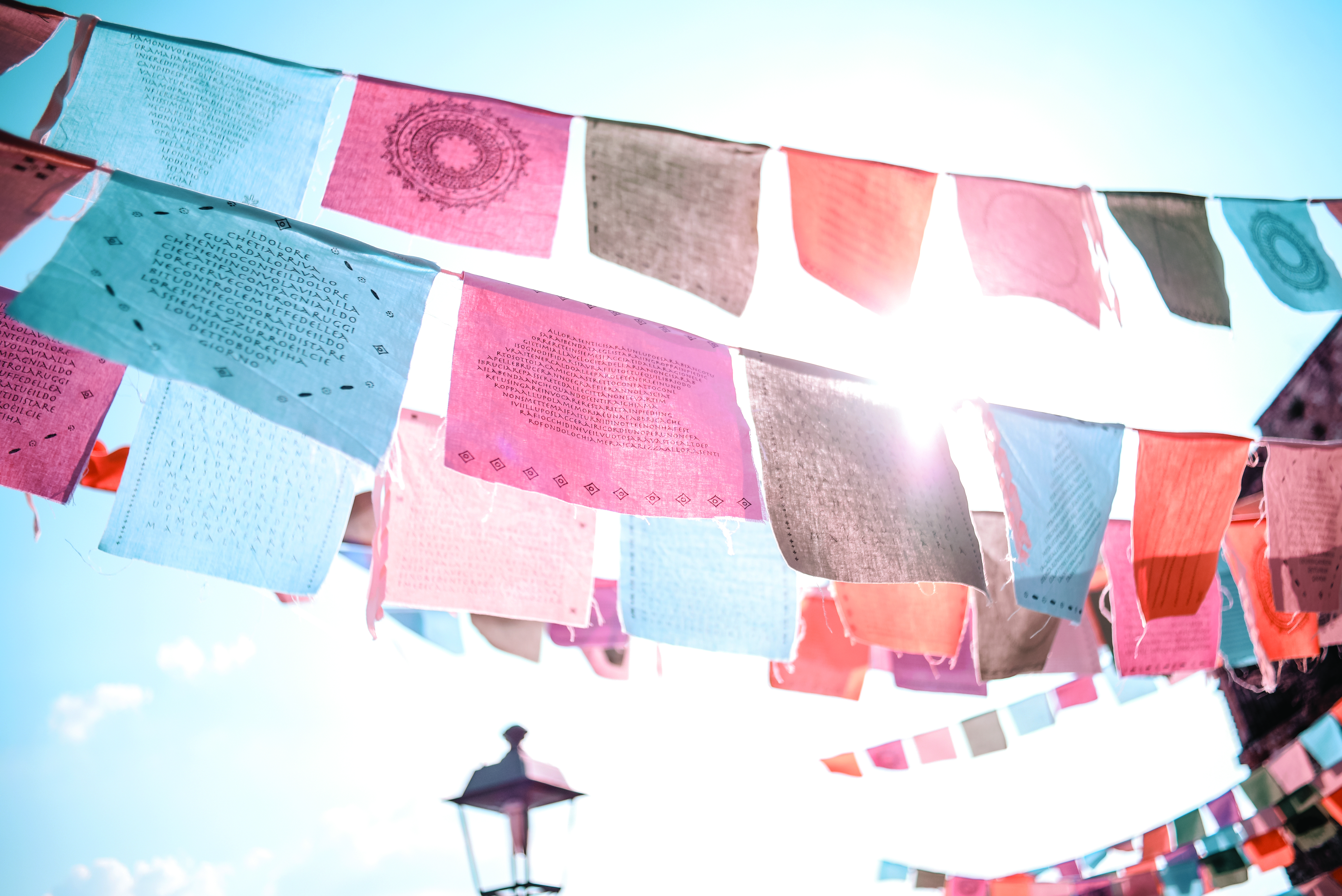
In un momento storico in cui siamo bersagliati da messaggi di allarme e urgenza, l’opera di Sabrina Mezzaqui mira a spargere delicatamente nell’aria pensieri sulla lentezza, sulla cura, sull’attenzione. Le bandiere tibetane vengono appese sulla cima delle montagne o sui tetti dei templi, e riportano preghiere e immagini stampate che benedicono la vita e l’universo.
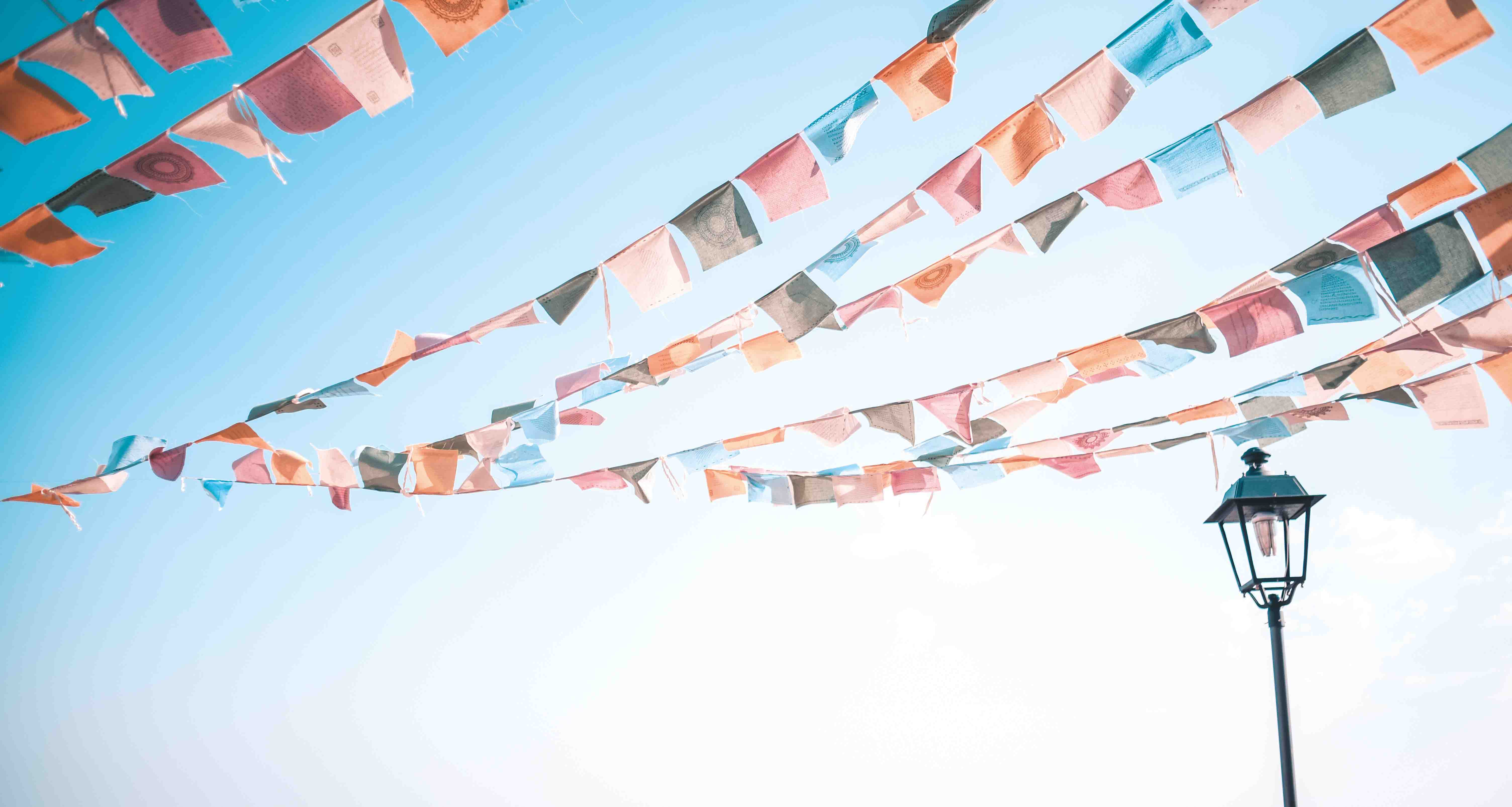
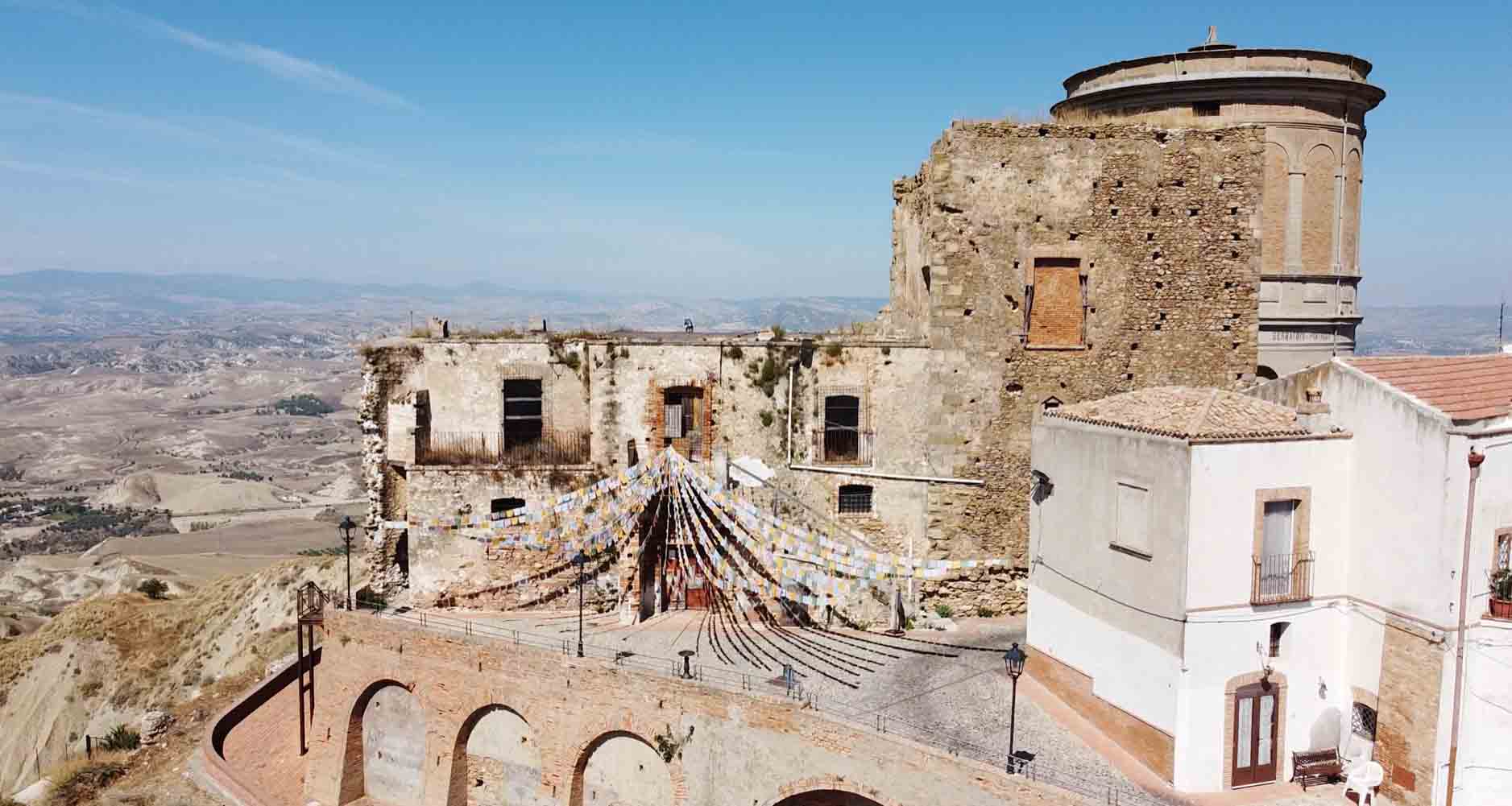
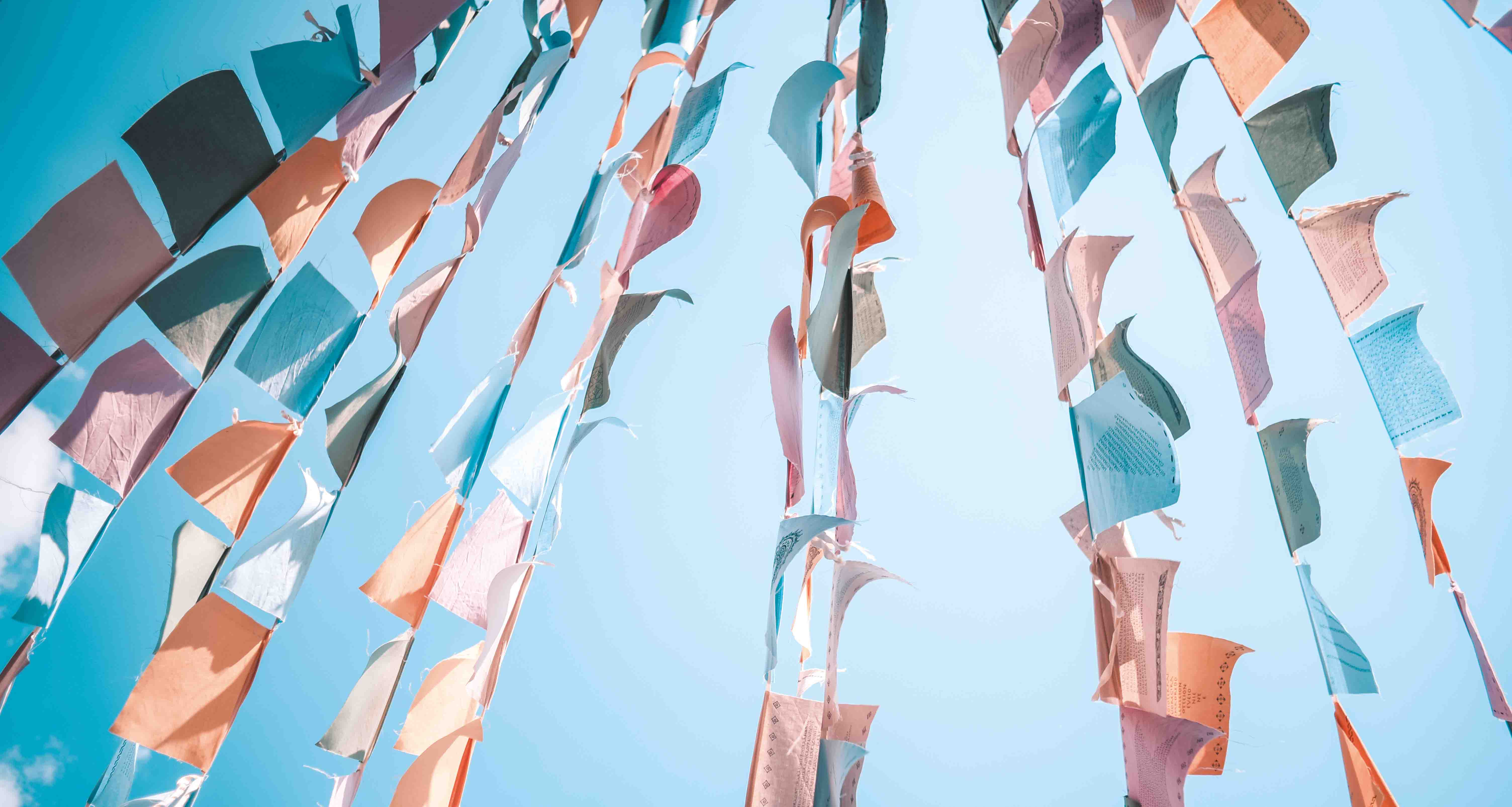
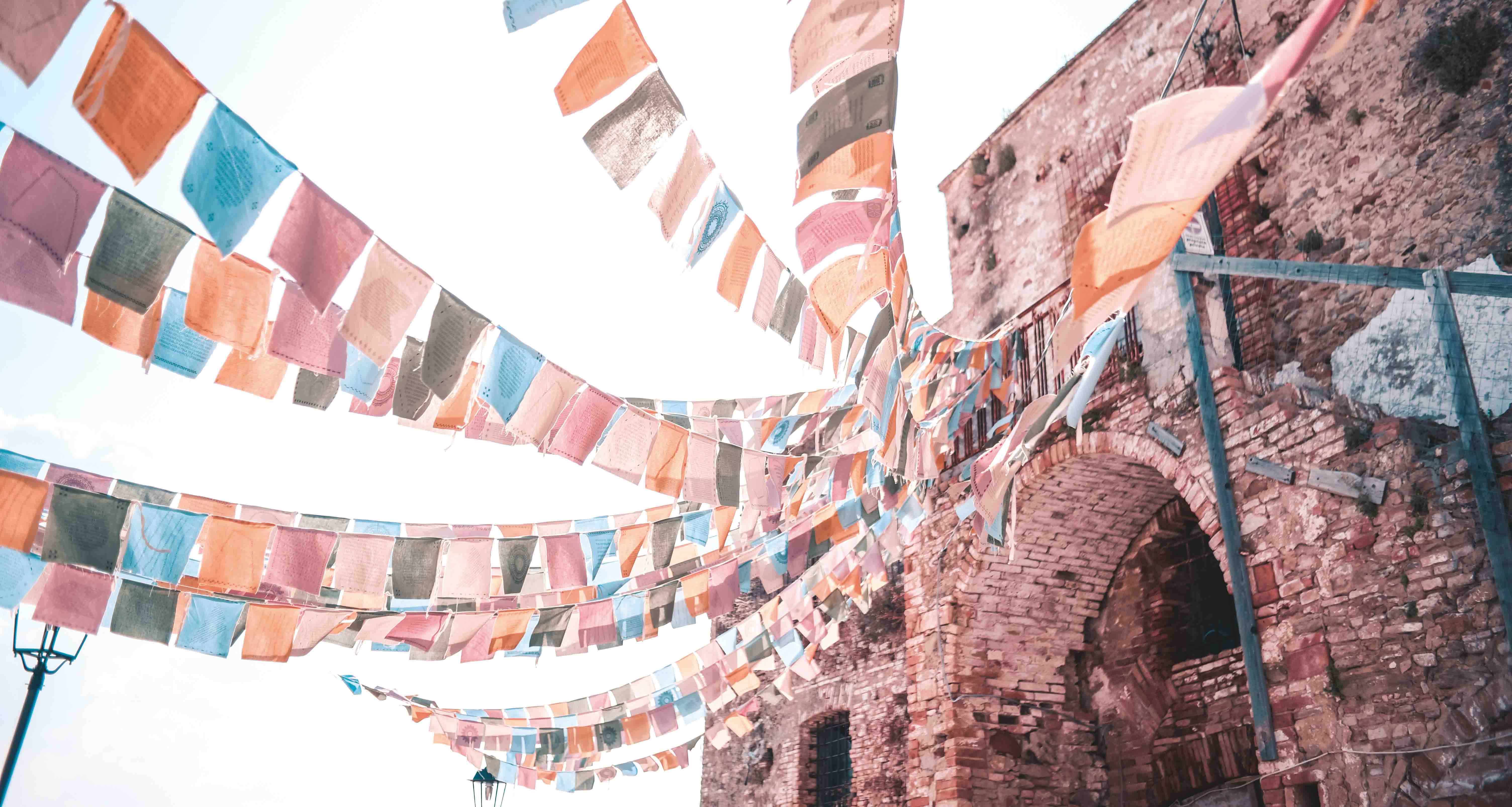
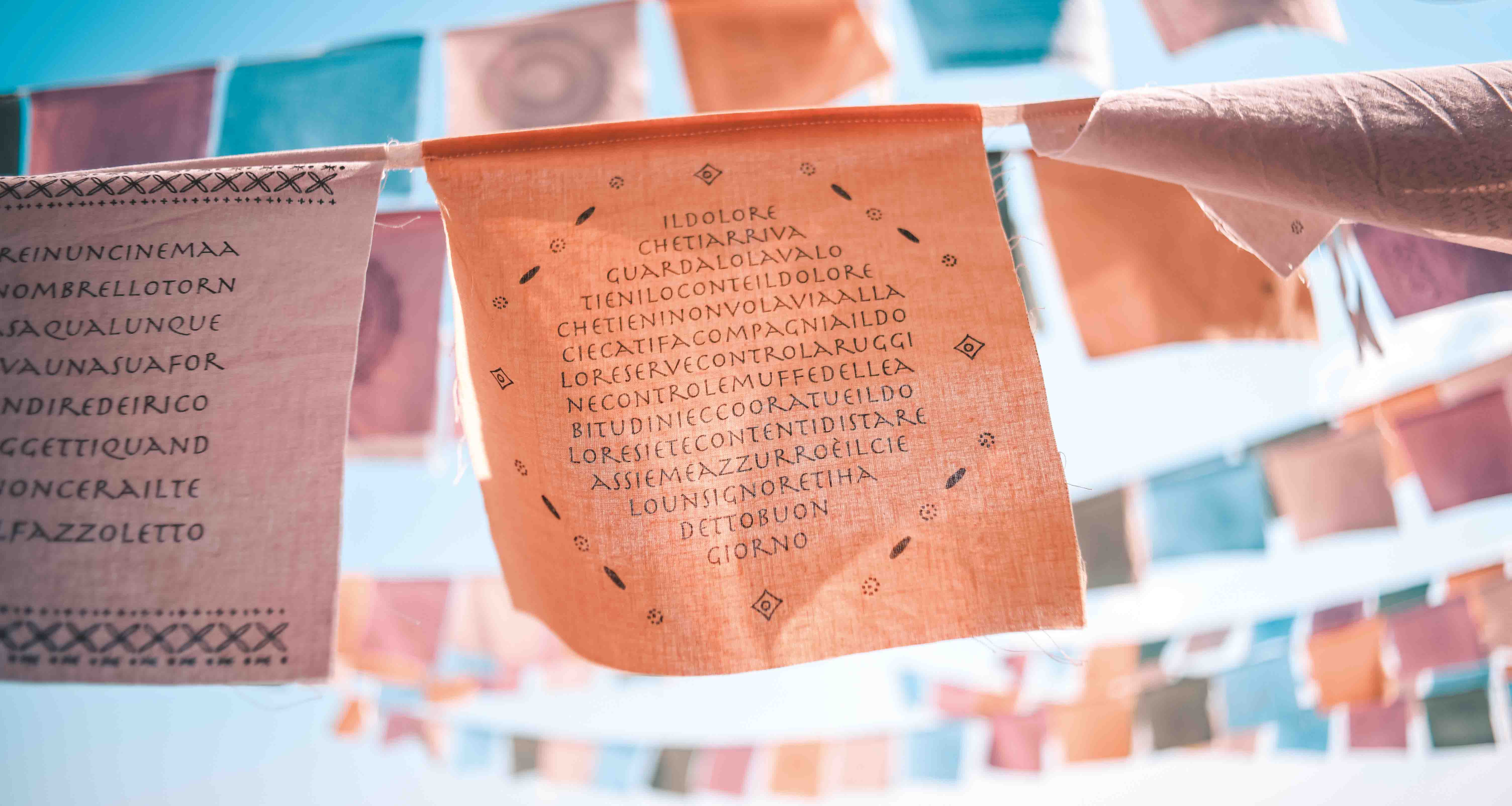
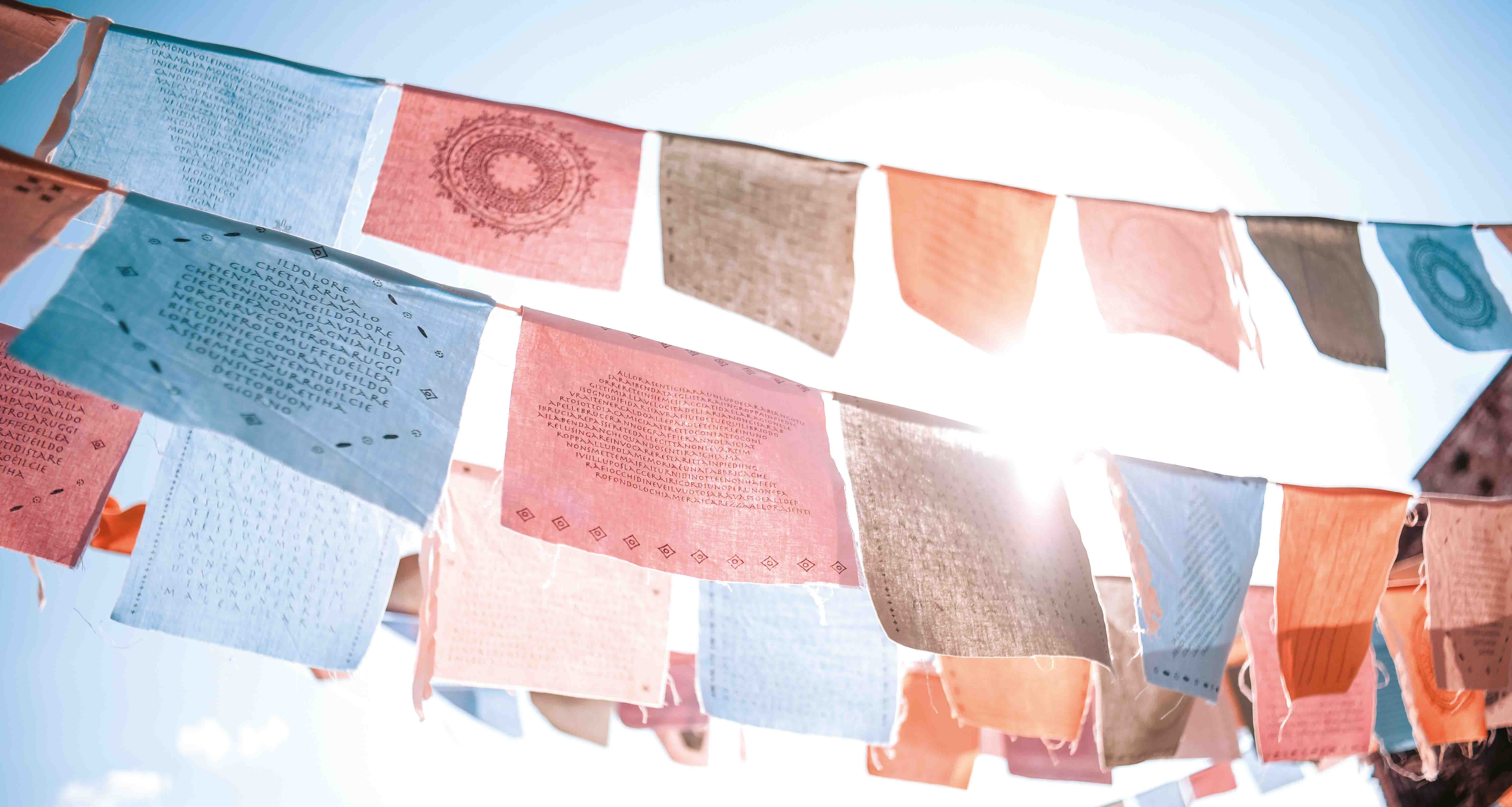
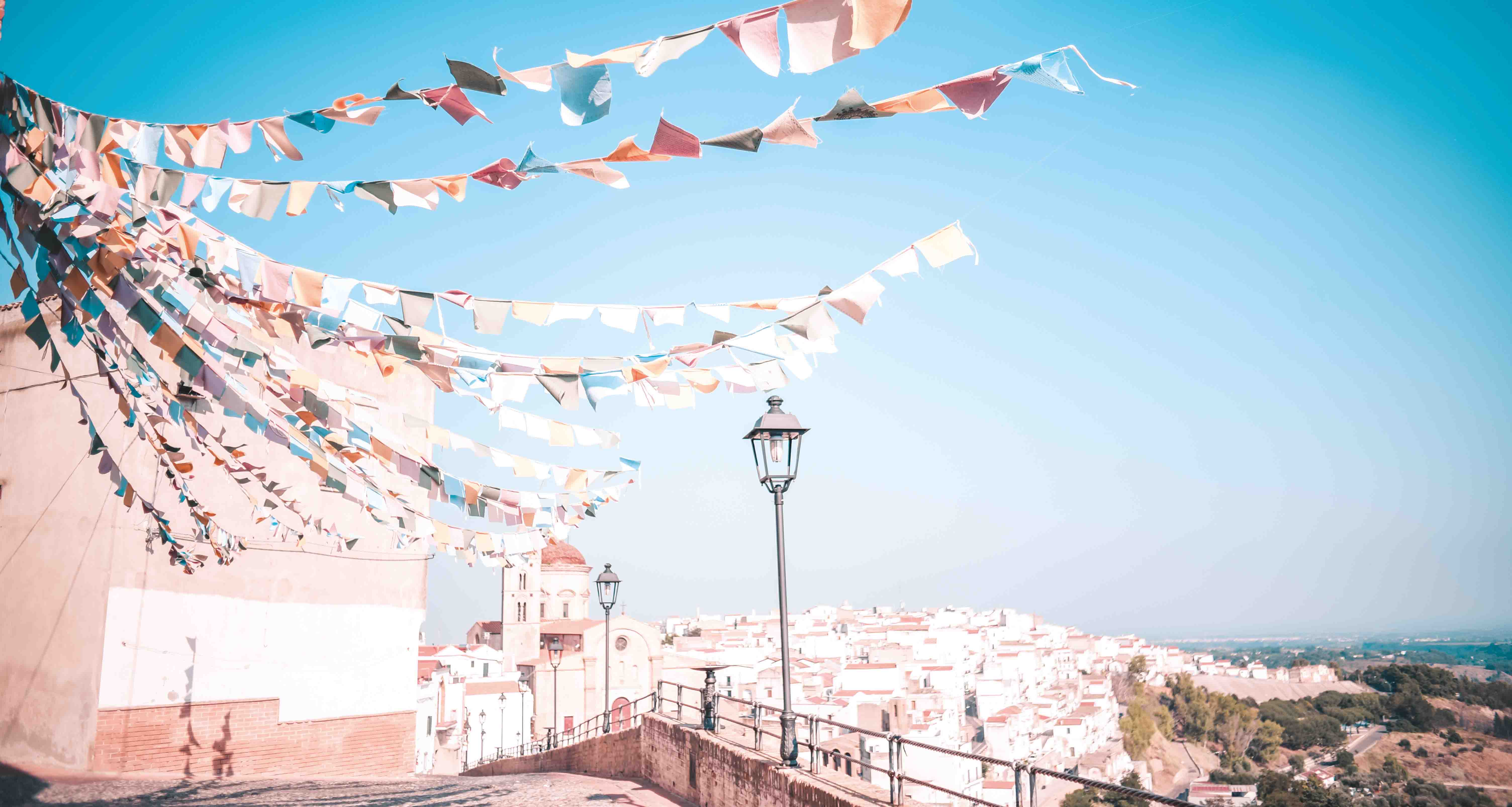
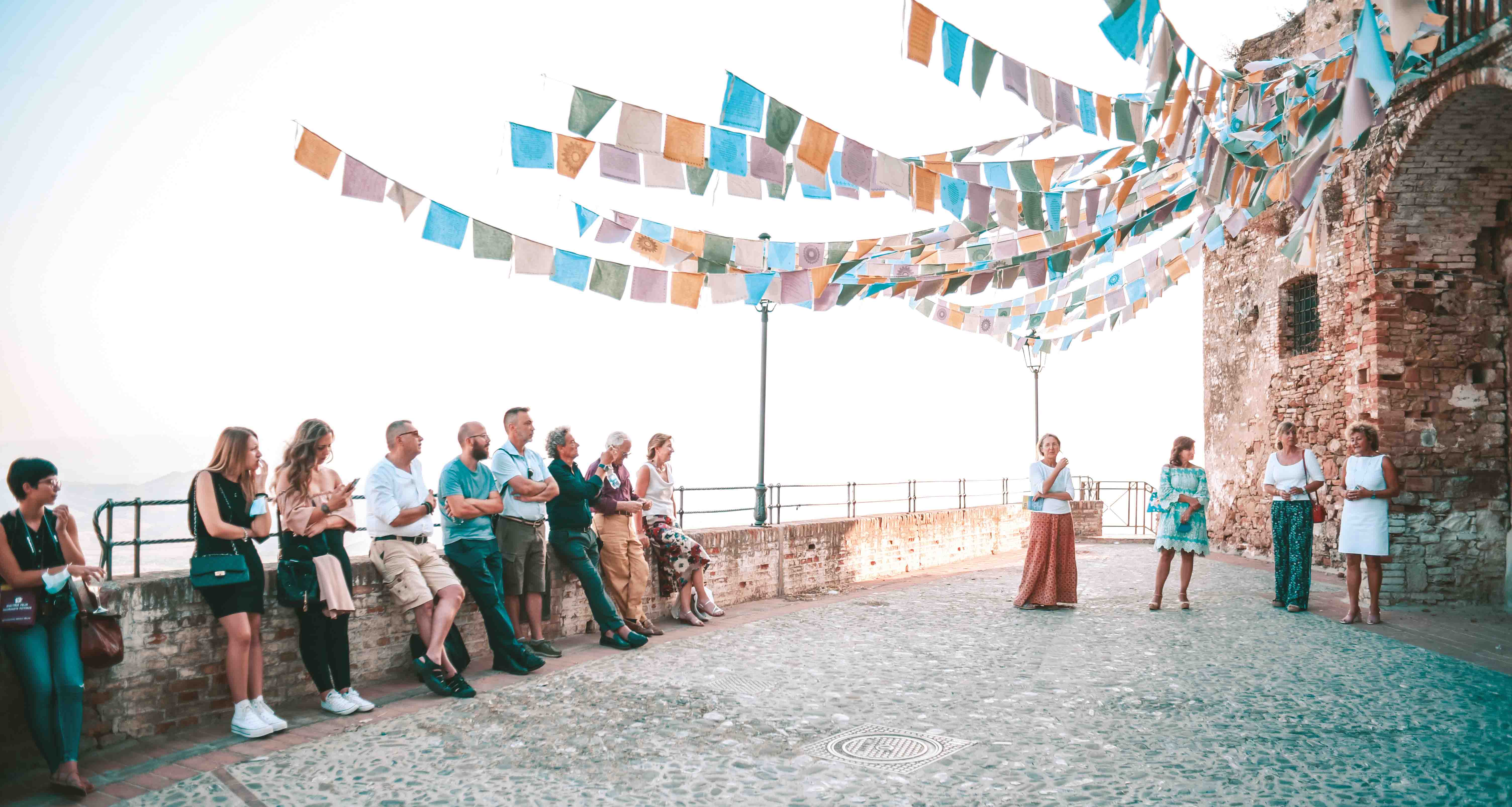
Sabrina Mezzaqui, Toccacieloscolora, 2020, Rione Terravecchia, Pisticci (MT), Basilicata. Ph. Rocco Grieco
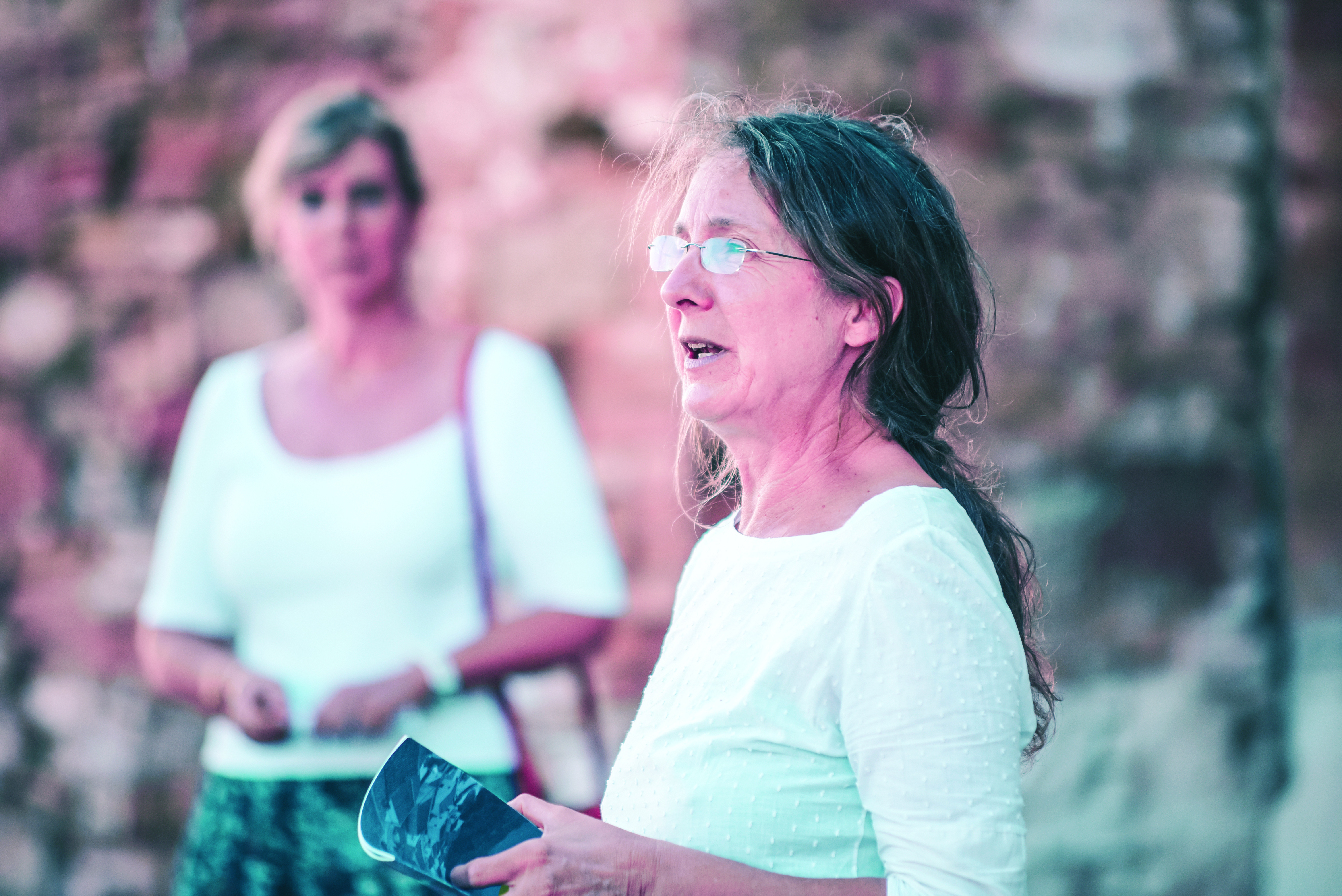
Many of the works of Sabrina Mezzaqui (Bologna, 1964) are conceived as a materialization of the passing of time and bring into play the sense of manual repetition for hours of minute gestures (stringing beads, cutting, folding, drawing small patterns). Writing often appears in her works (short texts, memoirs, literary references, reworked books) and the videos tell of slow times, recording variations in light or simple natural phenomena such as the dust near a half-closed window, the glare of the sun on the waves or falling snow.
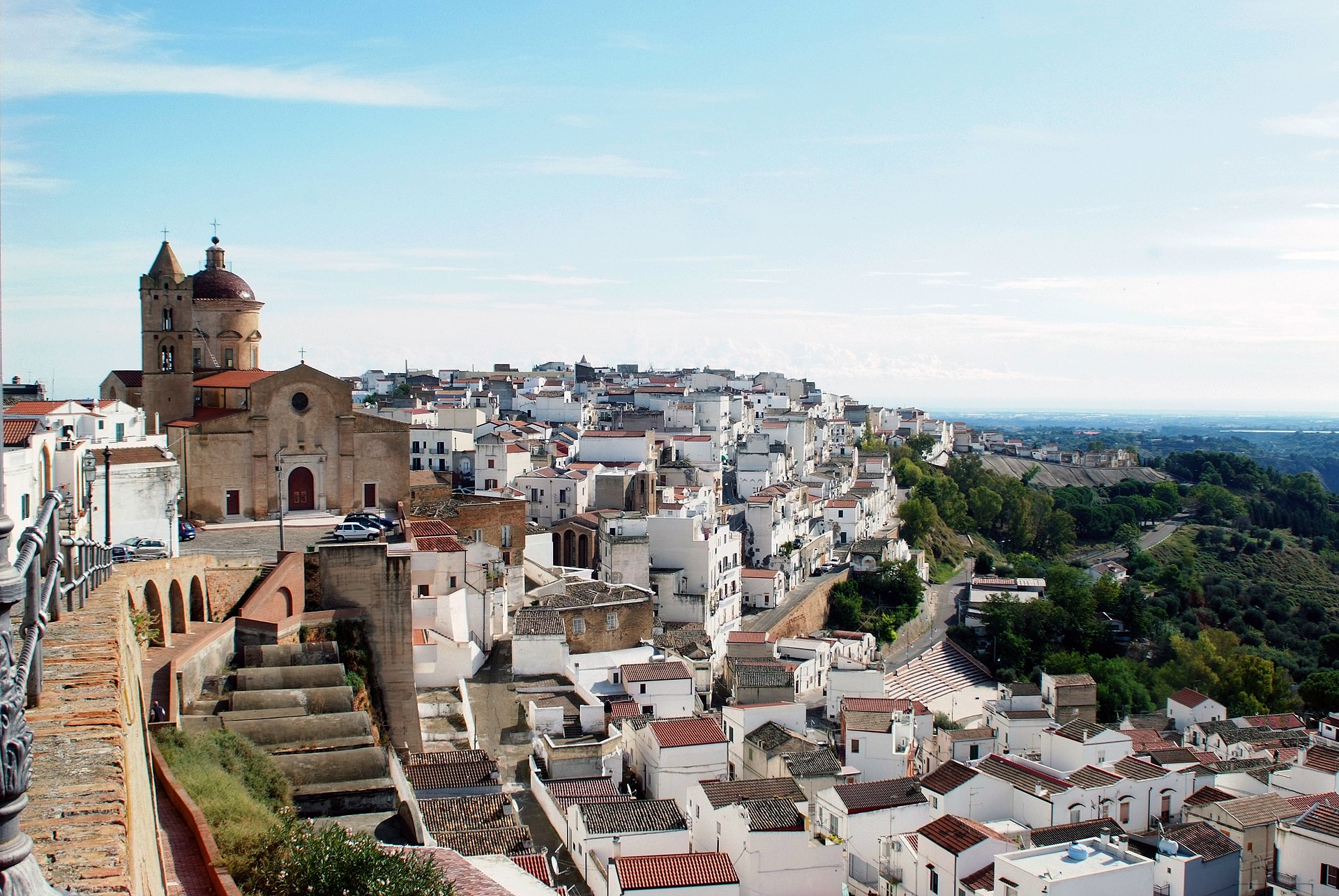
Under Roman domination, Pisticci became an important agricultural center and in the year 1000 and recorded the presence of the Normans who formed the fief; the Benedictines founded the monastery of Santa Maria del Casale on an ancient Basilian settlement, now open to visitors. In 1688 a devastating landslide modified the territorial structure of the town, giving life to a new district, the “Dirupo”, risen from the rubble of the tragic event and today recognized among the “100 wonders of Italy”.
The territory, widely diversified and heterogeneous, embraces the hilly areas of the old town, those of Valbasento, and the flat areas that, from the hamlet of Marconia, reach the sea. The landscape of the Calanchi that surrounds the entire historic center of Pisticci is evocative, a unique spectacle and a strong tourist attraction for its lunar landscapes resulting from the erosion of the clay that has affected these areas over the centuries.